
The Comprehensive 2026 Guide to Tooth Extraction Costs and Financial Planning
How Much Is Tooth Extraction in 2026 typically ranges from $130 to $250 for a simple, non-surgical removal, while complex surgical extractions—such as impacted wisdom teeth—can cost between $250 and $800 or more per tooth without insurance. Factors such as your geographical location, the complexity of the procedure, required imaging, and the type of anesthesia administered will heavily influence the final bill. Understanding these variables upfront is crucial for effectively managing your out-of-pocket expenses and maximizing your dental benefits.
Key Takeaways
- Simple Extractions: Generally cost between $130 and $250 per tooth, often covered up to 80% by standard dental insurance.
- Surgical Removals: Range from $250 to over $800, depending on the degree of bone impaction and surgical difficulty.
- Anesthesia Fees: Can add anywhere from $100 for nitrous oxide to $500+ for intravenous (IV) sedation.
- Ancillary Costs: Initial exams and panoramic X-rays typically add $100 to $200 to the total treatment plan.
- Insurance Nuances: Most dental policies cover extractions as “basic” or “major” procedures, but annual maximums and deductibles apply.
- Delaying Treatment: Postponing an extraction can lead to severe systemic infections, ultimately resulting in much higher medical and dental costs.
What Determines the Price of Removing a Tooth?

When evaluating oral surgery expenses, patients quickly discover that no two procedures are priced exactly the same. Dental professionals use a highly specific coding system to categorize the complexity of each extraction. The primary factor driving the cost is whether the tooth has fully erupted through the gum line or remains trapped beneath the tissue and bone.
As Dr. Marko Vujicic, Chief Economist at the American Dental Association’s Health Policy Institute, explains: “Out-of-pocket costs and financial barriers remain the primary reasons adults delay necessary dental treatments, including surgical procedures.” Understanding the clinical factors that drive these costs can help patients navigate their treatment plans more effectively.
Simple vs. Surgical Extractions
A simple extraction is performed on a tooth that is fully visible in the mouth. Using specialized instruments like an elevator and forceps, the dentist gently loosens the periodontal ligament and removes the tooth. Because this process requires less clinical time and local anesthesia, the financial burden is relatively low.
Conversely, a surgical extraction involves teeth that cannot be easily accessed. This includes teeth broken at the gum line, teeth with severely curved roots, or impacted wisdom teeth. The dentist or oral surgeon must make an incision in the gingival tissue and frequently perform an osteotomy (the removal of surrounding alveolar bone) to free the tooth. The increased clinical expertise, advanced instrumentation, and time required naturally elevate the cost.
Breakdown of Dental Extraction Prices in 2026
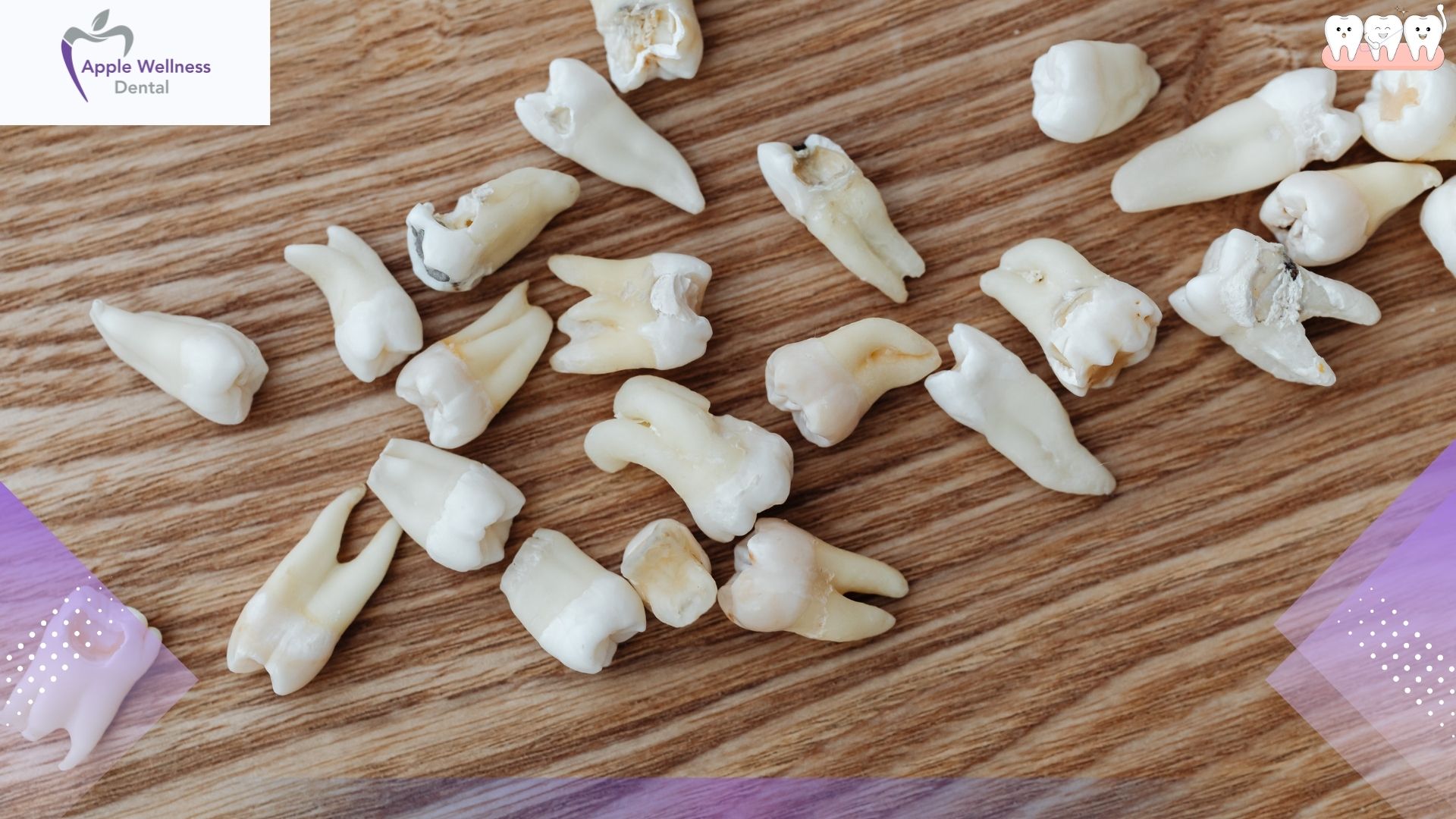
To provide a clear picture of what patients can expect in 2026, the following table outlines the estimated national averages for various extraction procedures. Please note that these figures represent uninsured, out-of-pocket estimates before any dental discount plans or insurance coverages are applied.
| Procedure Type | Estimated Cost Range (No Insurance) | Typical Insurance Coverage Level |
|---|---|---|
| Simple Extraction (Erupted Tooth) | $130 – $250 | 70% – 80% |
| Surgical Extraction (Erupted but complex) | $250 – $450 | 50% – 80% |
| Soft Tissue Impaction (Wisdom Tooth) | $300 – $500 | 50% |
| Partial Bony Impaction | $400 – $600 | 50% |
| Full Bony Impaction | $500 – $800+ | 50% |
Hidden Costs: Exams, X-Rays, and Anesthesia
When budgeting for an extraction, many patients overlook the ancillary fees that accompany the primary procedure. The surgical removal of a tooth is rarely a standalone charge. Comprehensive diagnostic and comfort measures are mandatory components of safe oral surgery.
As Dr. Kathleen O’Loughlin, former Executive Director at the American Dental Association, has emphasized: “Oral health is integral to overall health, making access to necessary procedures a critical component of general wellness.” Achieving this wellness safely requires thorough preoperative diagnostics.
Diagnostic Imaging and Consultations
Before any tooth can be safely removed, a dentist must evaluate the root structure and its proximity to vital nerves and sinus cavities. An initial consultation fee generally runs between $50 and $150. Additionally, a panoramic radiograph (which captures the entire jaw) or a Cone Beam Computed Tomography (CBCT) scan is usually required for surgical extractions. These advanced imaging techniques range from $100 to $350. The American Dental Association (ADA) strongly advocates for these imaging standards to prevent surgical complications.
The Price of Comfort: Anesthesia Options
Anesthesia is another significant variable in the final cost. While local anesthesia (numbing injections) is typically included in the base price of the extraction, conscious sedation or general anesthesia comes with additional hourly or flat-rate fees.
- Nitrous Oxide (Laughing Gas): A mild sedative that costs roughly $75 to $150 per session.
- Oral Sedation: Prescription medication taken prior to the appointment, generally costing $50 to $100.
- IV Sedation: Administered intravenously for complex surgeries, ranging from $300 to $600 depending on the duration of the procedure.
[IMAGE PROMPT: A modern Cone Beam Computed Tomography (CBCT) dental imaging machine in a pristine, high-tech medical room, minimalist design, cool blue and white clinical lighting, photorealistic, ultra-detailed]
The Role of Dental Insurance and Out-of-Pocket Expenses
Navigating dental insurance can be confusing, but understanding your benefits is the most effective way to minimize out-of-pocket expenses. Most dental plans operate on a “100-80-50” coverage structure: 100% for preventive care, 80% for basic procedures, and 50% for major procedures.
Basic vs. Major Classifications
Insurance companies frequently classify simple extractions as basic procedures, meaning they will cover up to 80% of the cost after you have met your annual deductible (which usually hovers around $50 to $100). However, complex surgical extractions and the removal of impacted wisdom teeth are often categorized as major procedures, dropping the coverage rate to 50%.
It is also crucial to be aware of your annual maximum. In 2026, the standard annual maximum for most private dental insurance plans ranges between $1,500 and $2,000. If you require the surgical removal of all four impacted wisdom teeth under IV sedation, the total cost could easily exceed $3,000, quickly exhausting your annual benefits.
Does Medical Insurance Ever Cover Dental Extractions?
While dental and medical insurance are traditionally siloed, there are specific edge cases where standard health insurance may intervene. If a tooth extraction is deemed medically necessary—such as in cases of severe facial trauma, cysts, tumors, or systemic infections threatening overall health—medical insurance may cover the hospital or surgical facility fees. Consulting guidelines from organizations like the World Health Organization (WHO) highlights the growing recognition of the intersection between oral diseases and systemic medical conditions.
How to Prepare for the Financial Aspect of Oral Surgery
Unexpected dental issues can strain personal finances. However, taking a proactive approach can alleviate much of this stress. Follow these step-by-step instructions to prepare financially for an upcoming extraction:
- Obtain a Predetermination of Benefits: Ask your dental office to submit a formal treatment plan to your insurance provider before the surgery. This document will detail exactly what the insurance will cover and what your exact out-of-pocket responsibility will be.
- Inquire About In-House Discount Plans: Many modern clinics offer annual membership plans. For a flat yearly fee, uninsured patients can receive free exams and X-rays, along with 15% to 25% discounts on surgical procedures.
- Explore Third-Party Financing: Healthcare financing options, such as CareCredit, allow patients to break down large surgical bills into manageable, interest-free monthly payments over 6 to 24 months.
- Consider Educational Institutions: If finances are severely restricted, local dental schools often perform extractions at a fraction of the cost. These procedures are performed by students under the strict supervision of highly experienced, board-certified oral surgeons.
The Hidden Impact of Delaying Treatment
When faced with a high estimate for a surgical extraction, some patients choose to delay treatment. From a purely financial and health perspective, this is almost always a costly mistake. An infected or severely decayed tooth will not heal on its own.
As Dr. Bruce Dye, a prominent dental epidemiology researcher, explains: “The prevalence of dental caries remains a significant public health challenge, frequently leading to the necessity of clinical extractions when left untreated.” Ignoring the problem allows bacterial infections to spread to the surrounding alveolar bone and adjacent healthy teeth.
What begins as a need for a simple $200 extraction can rapidly evolve into a life-threatening systemic infection requiring emergency room visits, heavy antibiotics, and complex reconstructive surgeries. According to data tracked by the Centers for Disease Control and Prevention (CDC), preventable dental emergencies cost the healthcare system billions annually, costs that are ultimately passed down to patients.
Frequently Asked Questions (FAQ)
Does it cost more to extract a molar compared to a front tooth?
Yes, molars generally cost more to extract than anterior (front) teeth. Molars have multiple, deeply anchored roots and are located in the back of the mouth, making them harder to access and requiring more clinical effort to safely remove.
Is the cost of local anesthesia included in the extraction price?
In almost all cases, the cost of local anesthesia (the numbing shot) is bundled into the base price of the extraction. You will only see additional anesthesia charges if you opt for nitrous oxide, oral sedation, or IV sedation.
Are emergency extractions more expensive?
Emergency dental visits usually incur an additional “palliative care” or after-hours fee, which can add $50 to $150 to the standard cost of the extraction. However, the base code for the extraction itself generally remains priced the same.
Will Medicare cover my tooth extraction in 2026?
Original Medicare (Parts A and B) routinely excludes routine dental care, including standard extractions. However, certain Medicare Advantage (Part C) plans do offer supplemental dental benefits that may cover a portion of the extraction costs.
What is the most affordable way to get a tooth pulled without insurance?
The most affordable options are typically local dental schools, federally qualified community health centers, or public health clinics. These institutions often operate on a sliding fee scale based on your household income.
How much does post-operative care cost?
Post-operative care is relatively inexpensive. Patients should budget roughly $20 to $50 for prescription antibiotics or pain relievers. Follow-up visits to check the healing of the surgical site or remove sutures are usually included in the initial surgical fee.
Conclusion
Determining the exact financial commitment for removing a problematic tooth requires a professional evaluation of your specific clinical needs. While the base price for a simple extraction in 2026 remains accessible for many, the variables of impaction, anesthesia, and necessary imaging can quickly escalate out-of-pocket costs. By understanding your insurance benefits, exploring financing options, and avoiding the costly mistake of delaying necessary care, you can protect both your physical and financial wellbeing.
If you are experiencing dental pain or need a clear, transparent breakdown of your oral surgery options, do not wait for the problem to worsen. Contact us today to schedule a comprehensive evaluation and discuss a treatment plan tailored to your budget.
References
- American Dental Association (ADA) – Guidelines on clinical extraction categories and standard billing practices.
- World Health Organization (WHO) – Global oral health status reports and the intersection of dental care with systemic health.
- Centers for Disease Control and Prevention (CDC) – Public health data on the systemic impacts of untreated dental caries and related healthcare costs.
- WebMD – Patient education resources regarding anesthesia types and general recovery timelines.