
The Complete 2026 Guide to Pop-On Veneers: Costs, Benefits, and Alternatives
how much do pop on veneers cost? In 2026, the average price for a high-quality set of upper and lower removable dental veneers ranges from $400 to $1,200 when purchased directly from an online direct-to-consumer manufacturer. Alternatively, professionally fabricated, dentist-prescribed snap-on appliances typically cost between $1,000 and $3,500 for a full arch. These non-invasive cosmetic devices offer an affordable, temporary alternative to traditional porcelain veneers, which can easily exceed $1,500 per single tooth.
Key Takeaways
- Direct-to-consumer pricing: Averages $400 to $1,200 for a full set of upper and lower arches.
- Dentist-prescribed pricing: Ranges from $1,000 to $3,500, offering superior fit and durable materials.
- Lifespan: Typically lasts 1 to 5 years, depending heavily on the material quality and daily wear frequency.
- Non-invasive procedure: Requires no enamel removal, drilling, or local anesthesia, making it a pain-free cosmetic option.
- Oral hygiene is critical: Improper cleaning can trap plaque and bacteria against natural teeth, accelerating decay.
What Are Pop-On (Snap-On) Veneers?
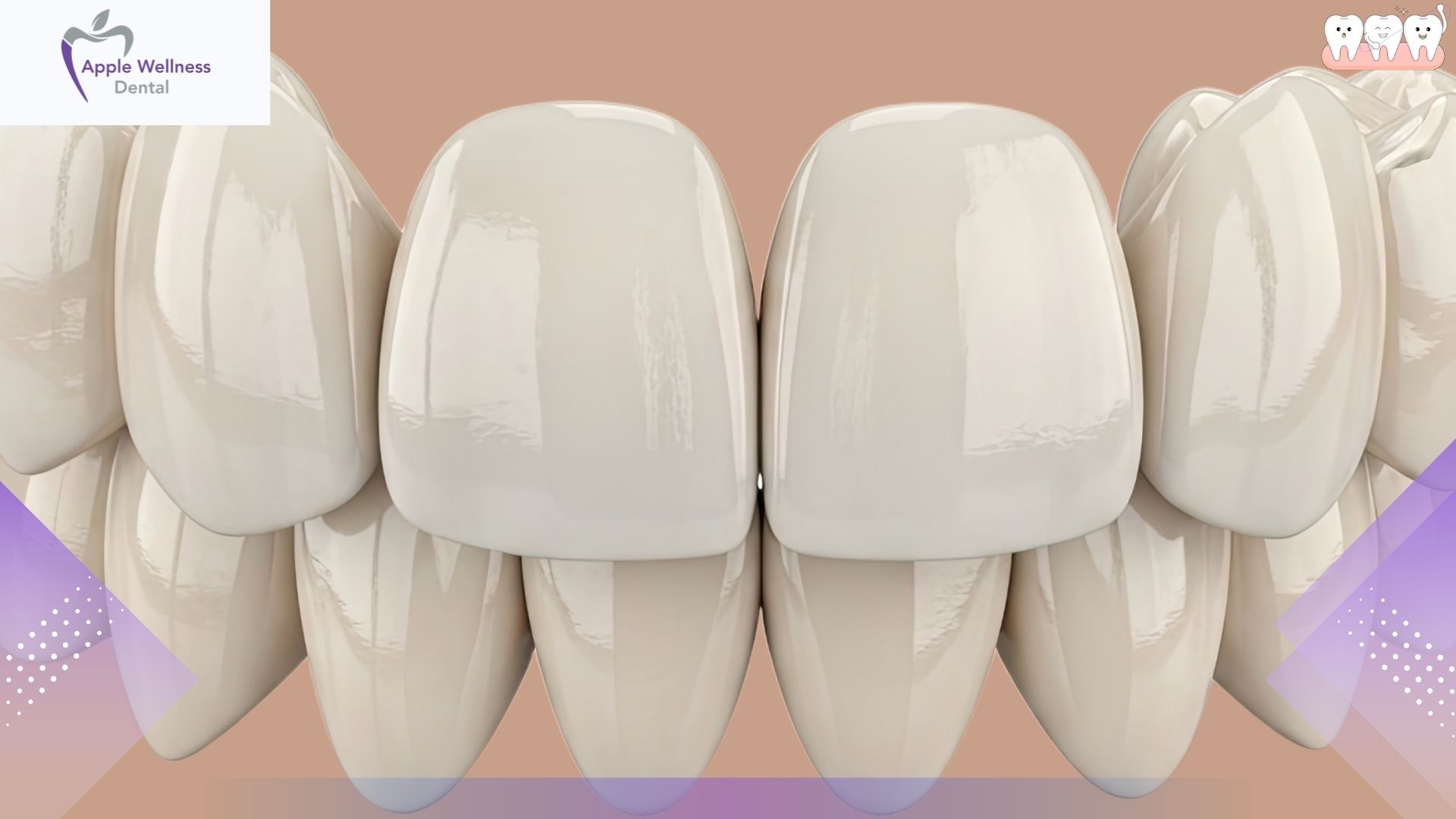
Pop-on veneers, frequently referred to as snap-on veneers or removable dental arches, are temporary cosmetic appliances designed to slide directly over your existing natural teeth. Unlike traditional restorative dentistry, which requires irreversible enamel shaping (enameloplasty) and permanent bonding, removable veneers act as a superficial mask. They are engineered to hide imperfections such as severe discoloration, minor gaps (diastema), chips, and slightly misaligned teeth.
In 2026, advancements in dental polymers have made these appliances thinner and more realistic than ever. Manufacturers utilize advanced materials like crystallized acetyl resin and high-grade copolyester. These thermoplastic materials provide the necessary flexibility to snap securely over the dental arch while retaining enough structural rigidity to mimic natural tooth contours.
The Mechanics of Removable Dental Appliances
The mechanism behind these appliances is relatively straightforward but relies heavily on precision manufacturing. Because they are retained solely by the natural undercuts of a patient’s existing teeth, a highly accurate impression is mandatory. The appliance grips the teeth at the gingival margin (the gumline), providing retention without the need for dental cements or adhesives. However, because they add an extra layer of material over the teeth, they inherently add bulk, which can temporarily affect speech phonetics and lip posture.
Cost Breakdown for Pop-On Veneers in 2026
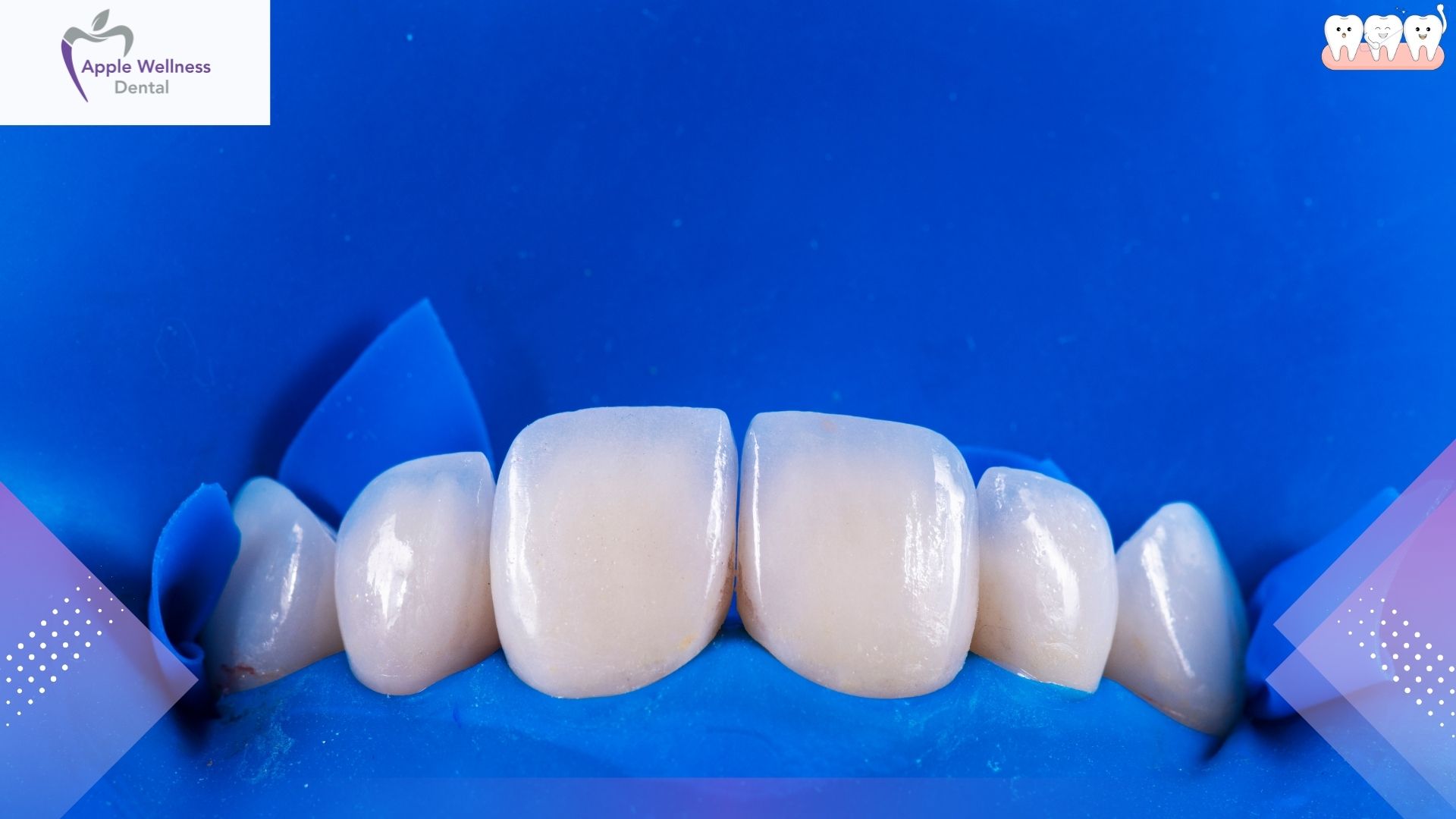
Understanding the financial commitment required for removable cosmetic dentistry involves looking at the two primary avenues of acquisition: direct-to-consumer (DTC) brands and professional dental clinics. The gap in pricing reflects differences in material quality, the precision of the impression process, and the level of professional supervision provided.
Direct-to-Consumer Models
Online brands have popularized the at-home impression kit model. Patients order a kit, take their own dental molds using specialized dental putty, and mail them back to a centralized laboratory. This cuts out the clinical overhead, allowing companies to price full sets (both arches) between $400 and $1,200. While economical, the risk of taking a distorted impression is high, which can lead to ill-fitting final products that cause gum irritation or lack adequate retention.
Dentist-Prescribed Models
Professional variants, such as the widely known Snap-On Smile, are facilitated through a licensed dental clinic. A dentist will thoroughly examine your oral health, ensuring you have no active periodontal disease or severe decay, before taking a high-precision digital intraoral scan or a clinical-grade polyvinyl siloxane (PVS) impression. Due to clinical chair time, professional expertise, and access to premium laboratory fabrication, this route costs between $1,000 and $3,500.
| Appliance Type | Estimated Cost (2026) | Average Lifespan | Best Suited For |
|---|---|---|---|
| DTC Pop-On Veneers | $400 – $1,200 (Full Set) | 1 – 3 Years | Budget-conscious users, special occasional events. |
| Dentist-Prescribed Snap-On | $1,000 – $3,500 (Full Set) | 3 – 5 Years | Daily wearers seeking clinical oversight and superior fit. |
| Traditional Porcelain Veneers | $1,000 – $2,500 (Per Tooth) | 10 – 15+ Years | Permanent smile makeovers and structural restoration. |
Factors Influencing the Price
Several distinct variables influence exactly what you will pay for these cosmetic enhancements:
- Arch Count: Single arches (just the top or bottom teeth) are typically 40% to 50% cheaper than purchasing a full set.
- Material Thickness and Durability: Premium resins that resist coffee and wine stains command higher prices than basic acrylics.
- Processing Speed: Standard fabrication can take 3 to 6 weeks. Expedited lab processing often carries a surcharge of $100 to $300.
- Impression Support: Some companies charge extra for replacement impression kits if the consumer fails the first attempt.
Are Removable Veneers a Good Investment?
For many individuals, removable cosmetic teeth represent a high-value temporary solution. Statistical data indicates that over 65% of adults experience some level of dissatisfaction with the appearance of their smile. However, financial constraints frequently prevent them from pursuing comprehensive cosmetic dentistry. In these scenarios, a $500 appliance provides an immediate confidence boost for job interviews, weddings, or public speaking engagements.
Pros and Cons
Evaluating the utility of this cosmetic option requires an objective look at both its advantages and inherent limitations.
Pros:
- Zero clinical alteration to natural, healthy tooth structure.
- Significantly more affordable than permanent restorative options.
- Reversible immediately simply by removing the appliance.
- Can act as a visual “trial run” before committing to permanent porcelain work.
Cons:
- The added material thickness can cause a temporary lisp or difficulty enunciating certain consonants.
- They are contraindicated for heavy chewing or eating hard, sticky foods.
- The appliance creates a microscopic gap against the teeth, which can trap fermentable carbohydrates and acidic byproducts, rapidly accelerating tooth decay if oral hygiene is neglected.
- They do not look as naturally translucent as hand-layered porcelain.
How to Order and Fit Pop-On Veneers (Step-by-Step)
If you choose to proceed with an at-home order, understanding the procedural workflow is vital to ensuring a successful fit. Mistakes during the impression phase are the number one cause of ill-fitting final products.
- Initial Assessment: Ensure your teeth and gums are healthy. Do not attempt to fit removable appliances over severely decayed or mobile teeth, as the suction and pressure can exacerbate these issues.
- Order the Kit: Select your preferred shade (ranging from natural off-white to Hollywood bleached) and receive your impression kit via mail.
- Take the Molds: Mix the two-part dental putty provided in the kit. Work quickly, as it begins to set within 60 seconds. Place the putty in the plastic trays and press them firmly over your teeth, ensuring the material covers the gumline.
- Verification: Most companies require you to email photos of your raw impressions for visual approval before mailing them back.
- Fabrication: The laboratory will pour a stone model from your molds or digitally scan them to design your custom appliance.
- Final Fitting: Once received, the device should snap firmly into place. It may feel excessively tight for the first 48 hours as it conforms slightly to the micro-anatomy of your teeth.
Alternatives to Snap-On Cosmetic Teeth
While the initial cost of removable appliances is attractive, they are not a substitute for clinical dental care. Depending on your specific aesthetic concerns, several other treatments might offer a better long-term return on investment.
Dental Bonding: For minor chips or gaps, composite resin bonding is highly effective. A dentist applies a tooth-colored resin directly to the tooth and cures it with a specialized light. At $300 to $600 per tooth, it is an affordable semi-permanent option.
Professional Teeth Whitening: If discoloration is your primary concern, clinical bleaching (using concentrated hydrogen peroxide gels) provides permanent brightening for $300 to $800, removing the need to wear a bulky physical appliance.
Clear Aligners: If misalignment is the main issue, modern clear aligner therapy can physically move teeth into proper position over 6 to 18 months, correcting the root cause rather than merely masking it.
Expert Opinions and Dental Research
The broader dental community approaches direct-to-consumer medical devices with a degree of caution. Without preliminary diagnostic x-rays, patients might unknowingly cover up active infections, leading to severe complications down the line.
As Dr. Matthew Messina, a consumer advisor for the American Dental Association, notes regarding cosmetic dentistry: “The goal of any cosmetic procedure is to improve the patient’s smile while maintaining optimal oral health, which requires professional supervision.” Masking a problem without addressing underlying pathology is strongly discouraged by dental professionals.
Furthermore, daily maintenance is imperative. According to Dr. Ada Cooper, a prominent dentist and health spokesperson: “Removable appliances require meticulous hygiene to prevent plaque accumulation and protect the underlying enamel from acid erosion.” This sentiment is echoed by major health authorities, emphasizing that users must brush and floss thoroughly after every meal before reinserting the appliance.
As the Canadian Dental Association outlines in their restorative guidelines, patients must understand that direct-to-consumer dental products do not replace the necessity of routine diagnostic exams to ensure underlying teeth are healthy prior to any cosmetic enhancements.
Frequently Asked Questions (FAQs)
Can you eat with pop-on veneers?
While some premium brands claim their products are durable enough for eating, most dentists advise against it. Chewing places excessive occlusal force on the thin resin, which can cause cracking, and eating with them significantly increases the risk of trapping food particles and sugars against your natural enamel.
How long do snap-on veneers last?
With proper care, a high-quality set will last between 1 to 5 years. The lifespan depends heavily on the specific polymer used, whether you grind your teeth (bruxism), and whether you frequently consume staining beverages like coffee or red wine.
Do removable veneers cause tooth decay?
The appliances themselves do not cause decay, but they act as a physical barrier that prevents saliva from naturally washing away bacteria and neutralizing acids. If you wear them over unbrushed teeth, they create a highly cariogenic (cavity-causing) environment.
Are pop-on veneers covered by insurance?
No. Removable veneers are classified strictly as elective cosmetic devices. Dental insurance plans typically only cover restorative procedures that are deemed medically necessary, such as fillings, crowns, and root canals.
Do they look natural?
They look significantly better than untreated missing or severely discolored teeth, but they do not possess the natural light-reflecting translucency of real enamel or high-end porcelain. From a normal conversational distance, they look acceptable, but close up, they may appear slightly opaque and bulky.
Conclusion
Deciding to invest in a removable cosmetic dental appliance requires balancing your budget, your aesthetic goals, and your commitment to rigorous oral hygiene. While direct-to-consumer options provide an incredibly accessible entry point at $400 to $1,200, they lack the clinical precision and safety oversight of dentist-prescribed alternatives. Ultimately, these devices are temporary cosmetic masks, not permanent restorations.
If you are considering transforming your smile and want to explore all the safe, effective options available—from professional whitening to custom restorative care—it is crucial to seek personalized advice. Contact us today to schedule a comprehensive evaluation and find the cosmetic solution that perfectly fits your lifestyle and budget.
References
- American Dental Association. https://www.ada.org
- WebMD Medical Reference. https://www.webmd.com
- Canadian Dental Association. https://www.cda-adc.ca
- Healthline Dental Health. https://www.healthline.com