
How Long Should I Take Painkillers After Wisdom Tooth Extraction?
How long should I take painkillers after wisdom tooth extraction? Most patients require prescription or over-the-counter pain medication for 3 to 5 days following the procedure, with peak discomfort typically subsiding after 48 to 72 hours. After the first three days, the majority of individuals can safely transition away from strong prescription analgesics to standard over-the-counter (OTC) options like ibuprofen or acetaminophen, gradually tapering off all medication by the end of the first week as the surgical site heals.
Key Takeaways
- Standard Timeline: Peak pain occurs between 48 and 72 hours. Medication is typically necessary for 3 to 5 days.
- First-Line Therapy: The preferred modern approach utilizes a combination of OTC NSAIDs and acetaminophen rather than opioids.
- Tapering Strategy: Gradually reduce your dosage frequency after day three, relying on pain cues rather than a strict schedule.
- Warning Signs: Pain that worsens after day four may indicate complications like alveolar osteitis (dry socket) or an infection.
- Natural Alternatives: Ice therapy, warm saline rinses, and head elevation significantly reduce the need for pharmacological interventions.
The Post-Operative Pain Timeline
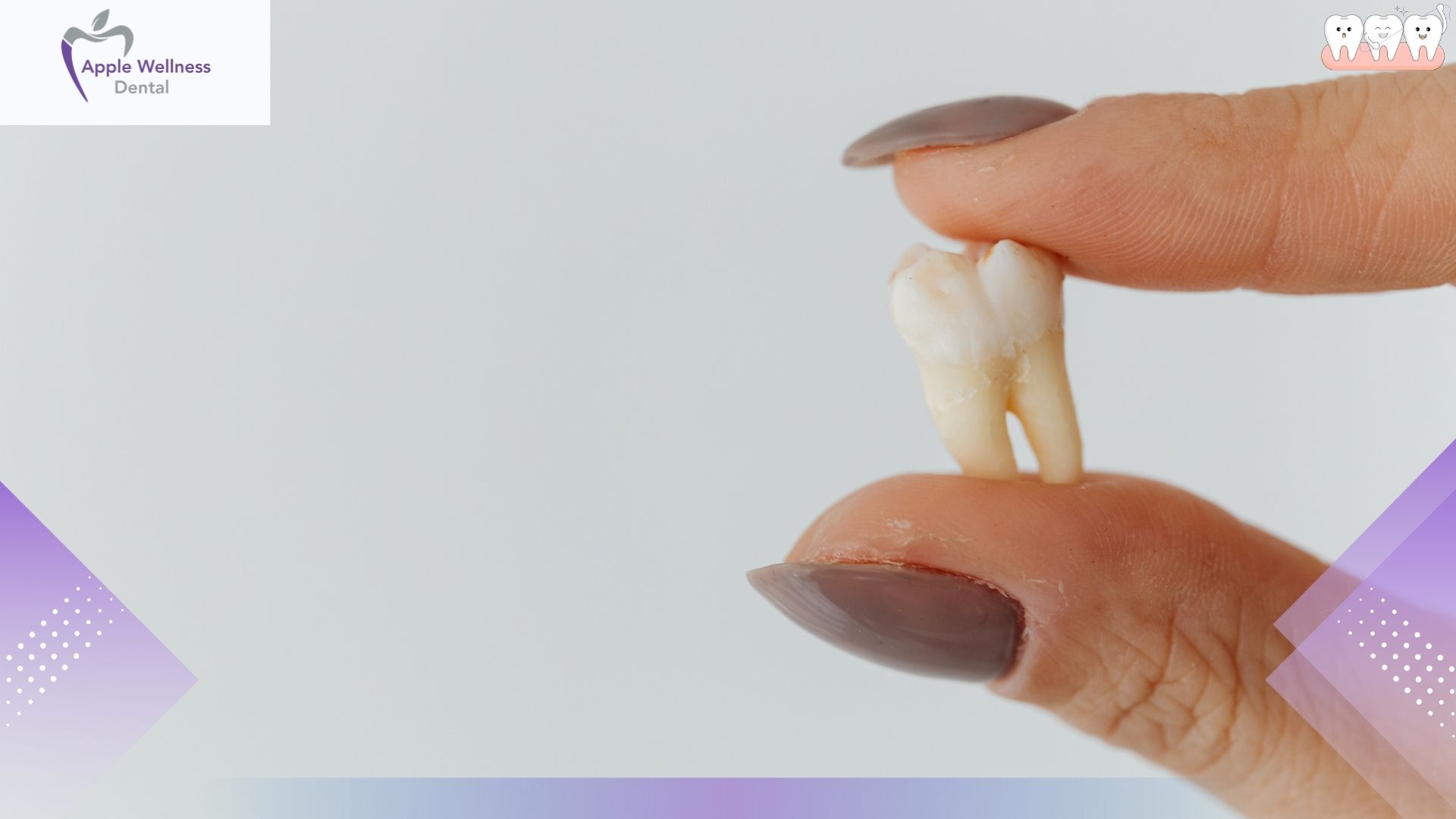
Understanding the body’s natural healing progression helps manage expectations and limits unnecessary pharmacological intake. The inflammatory response peaks predictably, meaning your pain management strategy should adapt daily.
Days 1 to 2: The Acute Inflammatory Phase
Immediately following the removal of third molars, the local anesthetic will wear off within 2 to 6 hours. This marks the beginning of the acute inflammatory phase. During the first 48 hours, patients experience the highest levels of swelling and discomfort. Strict adherence to a scheduled medication regimen—taking analgesics before the previous dose wears off—is critical to stay ahead of the pain cascade.
Days 3 to 5: The Tapering Phase
By the third day, cellular repair processes begin establishing a stable blood clot over the extraction site. Swelling generally plateaus and starts to recede. At this juncture in 2026 clinical practice, patients are advised to transition from around-the-clock dosing to an “as-needed” basis. If you were prescribed a stronger medication, this is the timeframe to switch entirely to OTC options.
Days 6 to 7: The Resolution Phase
By the end of the first week, bone healing is underway, and soft tissue closure is visible. Patients usually experience only mild, localized soreness. Painkillers are rarely necessary at this stage unless requested for temporary relief before meals or prior to sleep.
Categories of Post-Extraction Pain Medication

Dental professionals utilize a concept known as multimodal analgesia, which involves combining different classes of drugs to maximize pain relief while minimizing side effects.
Nonsteroidal Anti-Inflammatory Drugs (NSAIDs)
Drugs like ibuprofen and naproxen are the cornerstone of dental recovery. They work by inhibiting the cyclooxygenase (COX) enzymes, thereby reducing the production of prostaglandins—the chemicals responsible for inflammation and pain signaling at the surgical site. Because swelling is the primary cause of extraction pain, NSAIDs provide highly effective, targeted relief.
Acetaminophen
Unlike NSAIDs, acetaminophen does not reduce peripheral inflammation. Instead, it elevates the overall pain threshold in the central nervous system. When taken alongside an NSAID, the two medications target discomfort through entirely different biological pathways, creating a synergistic effect that rivals the efficacy of narcotic drugs.
Opioids
In cases of severe impaction or extensive bone removal, dentists previously relied heavily on opioids like hydrocodone or oxycodone. However, global health standards have shifted dramatically. According to the American Dental Association (ADA) guidelines, Nonsteroidal anti-inflammatory drugs (NSAIDs) alone or in combination with acetaminophen are generally recommended as first-line therapy for acute dental pain.
Opioids are now strictly reserved for breakthrough pain that does not respond to maximum OTC therapies.
Safe Dosages and Administration Limits
While OTC medications are highly accessible, they carry significant risks if mismanaged. Exceeding maximum daily limits can result in acute organ toxicity.
| Medication Type | Standard Adult Dose | Maximum Daily Limit (24h) | Primary Warning |
|---|---|---|---|
| Ibuprofen (NSAID) | 400-600 mg every 6 hours | 3200 mg | Gastrointestinal bleeding, kidney strain |
| Acetaminophen | 500-1000 mg every 6 hours | 4000 mg | Liver toxicity (hepatotoxicity) |
| Opioids (Prescription) | As explicitly directed | Variable by prescription | Dependency, respiratory depression |
The Centers for Disease Control and Prevention (CDC) advises that Clinicians should prescribe the lowest effective dose of immediate-release opioids and should prescribe no greater quantity than needed for the expected duration of pain severe enough to require opioids.
Patients must actively track their intake, particularly if using combination medications (like Tylenol 3), which inherently contain acetaminophen and can easily lead to accidental overdoses.
Risks of Prolonged Analgesic Use
Continuing pain medication longer than necessary poses several physiological risks. Extended reliance on NSAIDs impedes the stomach’s ability to protect its lining, potentially causing ulcers or severe gastritis. Furthermore, long-term use can slightly inhibit the osteoblast cells responsible for bone regeneration in the empty tooth socket.
Prolonged opioid use carries severe systemic risks. Beyond the widely documented dangers of physical dependence and addiction, extended narcotic use induces side effects like severe constipation, lethargy, and nausea. Tapering off these medications by day 3 or 4 drastically mitigates these risks while ensuring normal gastrointestinal function resumes swiftly.
Natural Alternatives and Holistic Pain Relief
Reducing your reliance on pharmacology involves implementing structural and natural pain relief strategies. Effective non-chemical interventions include:
- Cold Therapy: Applying an ice pack to the cheek for 20 minutes on and 20 minutes off during the first 48 hours restricts local blood vessels, drastically reducing edema (swelling) and numbing the nerve endings.
- Heat Therapy: After 72 hours, switching to warm, moist compresses increases blood flow to the jaw, relaxing tight masseter muscles and flushing away inflammatory byproducts.
- Saline Rinses: Gently washing the mouth with warm salt water (starting 24 hours post-surgery) neutralizes oral acidity, reduces bacterial load, and soothes raw tissues.
- Elevation: Keeping the head elevated above the heart using extra pillows prevents fluid pooling in the facial tissues, reducing throbbing sensations at night.
Recognizing Post-Operative Complications
If you find yourself needing maximum doses of analgesics past day five, it usually indicates a disruption in the healing process rather than normal recovery pain. The most frequent complication is alveolar osteitis, commonly known as a dry socket.
The Mayo Clinic notes, The most common cause of severe pain after tooth extraction is a dry socket, which occurs when the blood clot at the site of the tooth extraction fails to develop, or it dislodges or dissolves before the wound has healed.
This exposes the underlying bone and nerves to air, food, and fluids. Dry socket occurs in approximately 3 to 5% of routine extractions, but the incidence rate spikes to nearly 30% for impacted lower third molars.
Other warning signs that warrant immediate clinical attention include:
- Fever exceeding 101°F (38.3°C).
- Pus or foul-tasting discharge emanating from the socket.
- Swelling that worsens after the fourth day, indicating potential infection.
- Numbness in the lips, tongue, or chin persisting beyond 24 hours (paresthesia).
Frequently Asked Questions
Is it safe to sleep through the night without taking pain medication?
During the first 24 to 48 hours, it is often recommended to wake up and take your scheduled dose to prevent pain from peaking. Once the acute phase passes by day three, you should sleep comfortably through the night without needing to set an alarm for medication.
Can I take Ibuprofen and Acetaminophen together?
Yes. Clinical research demonstrates that alternating or combining ibuprofen and acetaminophen is highly effective for dental pain. Because they process through different organs (kidneys and liver, respectively), they can be safely overlapped if you follow the maximum daily dosage guidelines.
Why does my jaw ache a week after the extraction?
Mild, lingering jaw stiffness (trismus) is normal up to two weeks post-surgery due to prolonged mouth opening during the procedure. However, if the ache is severe, throbbing, or radiating to your ear, it may signify a dry socket requiring professional intervention.
What should I do with leftover prescription painkillers?
Never keep leftover opioids for future use. The safest disposal method is returning them to a local pharmacy’s medication take-back program. If unavailable, the FDA recommends mixing the pills with an undesirable substance like coffee grounds before disposing of them in the household trash.
Does smoking affect how long I need painkillers?
Absolutely. The suction from smoking can easily dislodge the blood clot, directly causing a dry socket. Furthermore, nicotine constricts blood vessels, delaying oxygen delivery to the healing tissue and dramatically extending the duration and intensity of postoperative pain.
Conclusion
Understanding exactly how to manage your recuperation ensures a smoother, safer healing journey. While the typical timeline for analgesic use spans 3 to 5 days, listening to your body and appropriately transitioning to OTC options and natural remedies will protect your systemic health. Remember that prolonged discomfort past the first week is not standard and warrants a professional evaluation. If you are experiencing unusual symptoms, severe swelling, or unrelenting pain, do not hesitate to reach out for clinical support. Contact our team today to schedule a follow-up examination and ensure your healing process is perfectly on track.
References
- American Dental Association (ADA) – Clinical Guidelines on Pain Management
- Centers for Disease Control and Prevention (CDC) – Guidelines for Prescribing Opioids for Pain
- U.S. Food and Drug Administration (FDA) – Acetaminophen and NSAID Safety Guidelines
- Mayo Clinic – Alveolar Osteitis (Dry Socket) Symptoms and Causes