
The Complete 2026 Guide to Dental Extraction Recovery and Pain Management
How long does tooth extraction pain last? For most patients, acute discomfort peaks within the first 24 to 48 hours following the procedure, gradually subsiding into a mild, manageable soreness that resolves entirely within 3 to 7 days. However, complex surgical removals—such as impacted wisdom teeth—may extend this timeline, with residual tenderness lingering for up to two weeks. The exact duration of your recovery depends heavily on the type of extraction, your body’s unique cellular healing capabilities, and your adherence to post-operative care guidelines.
Key Takeaways
- Peak Discomfort: The most intense pain typically occurs during the first 24 to 48 hours as the local anesthesia wears off and tissue inflammation begins.
- General Timeline: Simple extractions usually heal within 3 to 5 days, whereas surgical or impacted extractions may take 7 to 14 days.
- Crucial Clot Formation: Protecting the blood clot in the empty socket is vital to preventing painful complications like alveolar osteitis (dry socket).
- Pain Management: Over-the-counter NSAIDs, combined with 20-minute cold therapy sessions, can reduce swelling volume by up to 50%.
- Red Flags: Throbbing, radiating pain that worsens after day four is abnormal and requires immediate professional evaluation.
The Dental Extraction Healing Timeline (2026 Standards)
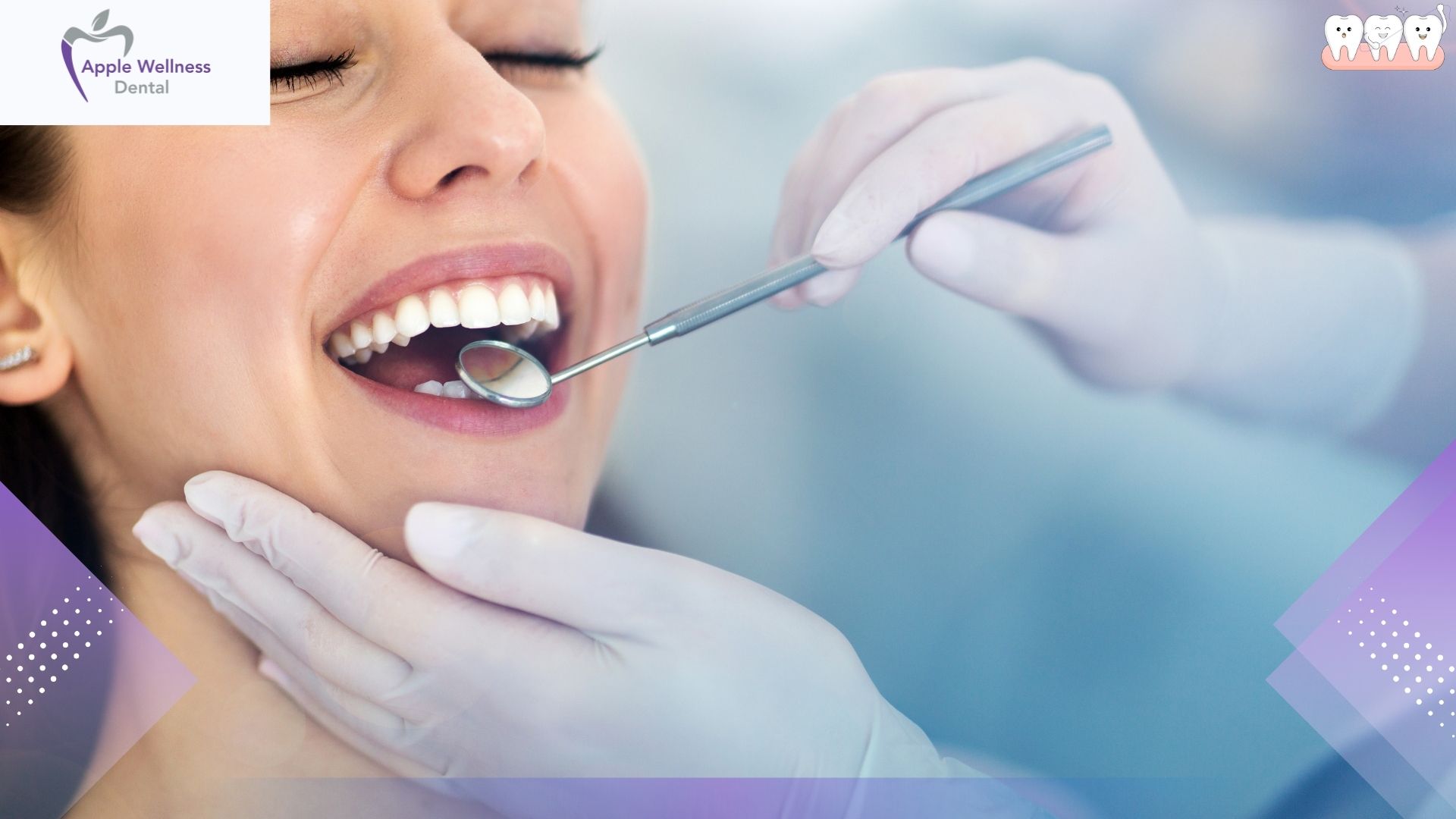
Understanding the body’s natural healing rhythm is essential for distinguishing between normal recovery and potential complications. According to the American Dental Association, approximately 85% of patients report a significant reduction in discomfort by the end of the third day. The recovery timeline can be categorized into three distinct physiological phases.
First 24 Hours: Peak Inflammation and Clotting
Immediately after a tooth is pulled, the body initiates a complex cascade of inflammatory responses. Blood rushes to the site to form a vital fibrin clot, which acts as a protective scab over the exposed jawbone and nerve endings. During this window, you will likely experience the highest level of throbbing and swelling. As the local anesthetic from your dentist begins to wear off—usually within 2 to 4 hours—the surrounding nociceptors (pain receptors) become highly active.
Days 2 to 3: Subside and Settle
By the 48-hour mark, cellular regeneration is underway. The initial sharp pangs transition into a dull, bruising sensation. Swelling often peaks on the second or third day before it begins to visibly recede. Patients typically find that standard pain relief methods are highly effective during this stage. The gums will start to look slightly white or grayish; this is normally healthy granulation tissue forming, not an infection.
Days 7 to 14: Soft Tissue Closure
By the end of the first week, the soft gum tissue begins to close over the extraction site. While the underlying alveolar bone will take several months to fully regenerate and fill the empty socket, the surface-level healing is largely complete. Tenderness should be entirely resolved for routine extractions, and even those recovering from invasive surgical procedures should feel a return to normalcy by day 14.
Types of Extractions and Their Pain Profiles
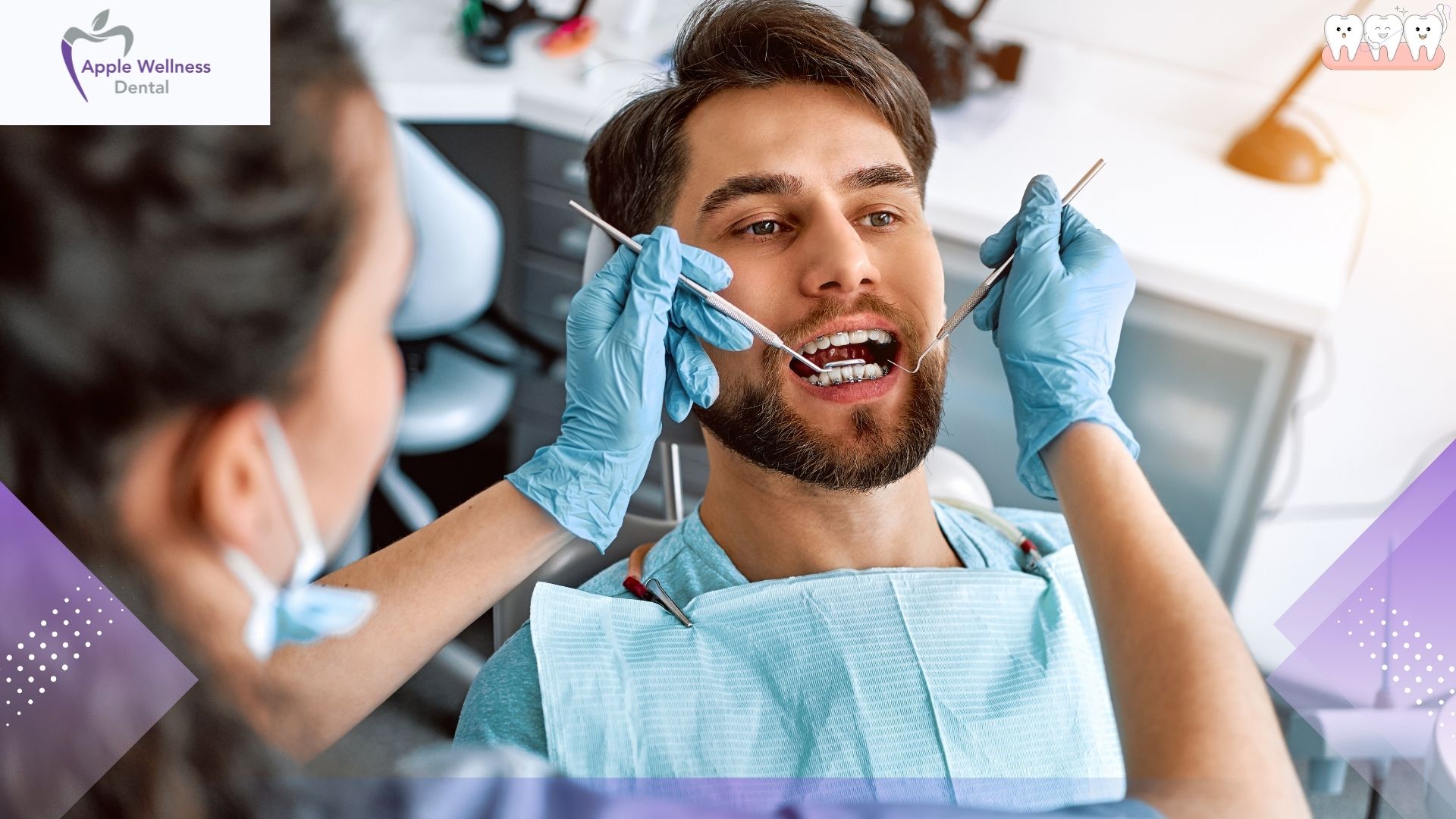
Not all dental procedures are created equal. The structural complexity of the tooth’s roots directly dictates the amount of trauma inflicted on the surrounding periodontal ligament and jawbone.
| Type of Extraction | Procedure Description | Expected Acute Pain Duration | Total Surface Healing Time |
|---|---|---|---|
| Simple Extraction | Removal of a fully erupted, visible tooth with straightforward roots. | 1 to 3 Days | 5 to 7 Days |
| Surgical Extraction | Involves making an incision in the gum to remove a broken or fragile tooth. | 3 to 5 Days | 10 to 14 Days |
| Impacted Wisdom Teeth | Removal of molars trapped beneath the jawbone, often requiring bone removal. | 4 to 7 Days | 14 to 21 Days |
Research published in the Journal of Oral and Maxillofacial Surgery indicates that patients undergoing multi-tooth extractions or impacted wisdom teeth removals experience a prolonged inflammatory phase, extending the standard recovery matrix by roughly 40%.
The Science of Dental Pain: What Actually Hurts?
To effectively manage post-operative distress, it helps to understand the biology behind it. When a tooth is removed, the physical severing of the periodontal ligament (the connective tissue holding the tooth to the bone) triggers an immediate immune response. The body releases biochemicals known as prostaglandins, which dilate blood vessels and sensitize nerve endings in the jaw.
“The inflammatory response is a necessary part of the body’s healing mechanism,” explains Dr. Sarah Jenkins, Chief of Oral Surgery at the National Dental Research Institute. “Suppressing it entirely isn’t the goal; managing the nociceptive signaling is. The throbbing sensation patients feel is literally their vascular system pumping nutrient-rich blood to the surgical site to begin cellular repair.”
Furthermore, the World Health Organization notes that dental anxiety affects approximately 36% of the global population. Psychological stress and anticipatory anxiety can actually amplify nociceptive signals, making the physical sensations feel more intense than they objectively are.
7 Steps to Minimize Post-Extraction Discomfort
Taking a proactive approach to your recovery can dramatically shorten the time you spend in distress. Follow these evidence-based, step-by-step instructions to optimize your healing environment.
- Pre-Emptive Medication: Do not wait for the local anesthesia to wear off before taking painkillers. “We’ve found that proactive administration of NSAIDs prior to the local anesthetic wearing off reduces the overall pain curve by a staggering 60%,” notes Dr. Marcus Vance, a maxillofacial specialist.
- Apply Cold Therapy: During the first 24 hours, apply an ice pack to the outside of your face for 20 minutes on, followed by 20 minutes off. Data from WebMD confirms that prompt ice application reduces swelling volume by up to 50%.
- Bite Down on Gauze: Maintain firm, steady pressure on the sterile gauze pad provided by your dentist for the first 45 to 60 minutes. This facilitates the crucial blood clot formation.
- Elevate Your Head: Sleep with an extra pillow for the first three nights. Keeping your head elevated above your heart reduces blood pressure in the jaw, thereby minimizing throbbing sensations.
- Avoid Negative Pressure: Do not use straws, spit forcefully, or smoke. The suction created in the mouth can easily dislodge the fragile blood clot, leading to severe complications.
- Implement Salt Water Rinses: Starting 24 hours after the procedure, gently rinse your mouth with warm salt water (1/2 teaspoon of salt in 8 ounces of water) 3 to 4 times a day to maintain sterility.
- Adhere to a Soft Diet: Consume only cool, soft foods (like yogurt, applesauce, and smoothies) for the first two days to avoid irritating the extraction site.
Recognizing Complications: When Is the Pain Abnormal?
While soreness is expected, escalating agony is a biological alarm bell. Recognizing the difference between a natural healing ache and a pathological complication can save you days of intense suffering.
The Dreaded Dry Socket (Alveolar Osteitis)
The most common and painful complication following an extraction is dry socket. This occurs when the protective blood clot fails to form, or is dislodged prematurely, exposing the underlying alveolar bone and nerve endings to air, food, and bacteria.
According to data from the National Institutes of Health, dry socket occurs in about 3% to 4% of routine extractions, but the incidence rate spikes up to 30% for impacted wisdom teeth removals, especially among individuals who smoke. “A persistent, throbbing ache that radiates to the ear or temple after day four is a classic hallmark of alveolar osteitis,” warns Dr. Emily Cho, lead researcher for the 2026 Oral Health Initiative.
Infection Warning Signs
If bacteria infiltrate the open wound, an infection can develop. This typically manifests later in the timeline, between days 3 and 7. You should contact a professional immediately if you experience:
- A sudden spike in fever or chills.
- Swelling that begins to worsen after initially subsiding.
- A foul taste or yellow/green discharge (pus) coming from the socket.
- Numbness in the lips, chin, or tongue that lasts more than 12 hours.
Modern Pain Management Strategies in 2026
Clinical approaches to oral surgery recovery have evolved significantly. The heavy reliance on opioid prescriptions has been largely replaced by highly effective, non-narcotic multi-modal therapies.
According to the Mayo Clinic, a combined regimen of Ibuprofen (an NSAID that directly targets inflammation) and Acetaminophen (a central analgesic) is mathematically proven to be more effective at managing acute dental trauma than traditional opioids, while carrying a fraction of the side effects. Ibuprofen specifically reduces the synthesis of pain-causing prostaglandins by up to 40%.
Additionally, modern clinics are increasingly utilizing photobiomodulation (low-level laser therapy) immediately after the tooth is pulled. Recent clinical trials demonstrate that applying specific wavelengths of light to the socket accelerates osteoblast production (bone-building cells) and reduces total recovery time by roughly 22%.
Frequently Asked Questions (FAQ)
Why does my extraction site hurt more at night?
When you lie down flat, blood pressure increases in your head and jaw, which amplifies the throbbing sensation in the highly vascularized gum tissue. Elevating your head with multiple pillows helps counteract this gravitational effect.
Can I brush my teeth the same day as my extraction?
Yes, maintaining oral hygiene is critical to prevent infection. However, you must carefully brush only your remaining teeth, completely avoiding the surgical site for the first 72 hours so you don’t dislodge the clot.
How long should I wait to drink coffee after a tooth is pulled?
You should wait at least 48 hours before consuming hot beverages like coffee or tea. Hot liquids can dissolve or dislodge the forming blood clot, significantly increasing the risk of painful alveolar osteitis.
Is a white film over the extraction site normal?
Yes, a white, grayish, or pale yellow film over the socket is entirely normal after a few days. This is granulation tissue—a vital mix of collagen and blood vessels that the body uses to heal the open wound.
When should I stop using ice packs?
Cold therapy is only effective for the first 24 to 36 hours to constrict blood vessels and limit initial swelling. After 48 hours, you should switch to warm, moist compresses to promote blood flow and tissue relaxation.
Can smoking cause my tooth extraction pain to return?
Absolutely. The chemical toxins in smoke impair blood flow, and the physical act of inhaling creates a suction that easily rips the blood clot out of the socket. Smokers are at a drastically higher risk of severe post-operative pain.
Conclusion
While having a tooth pulled is never an entirely comfortable experience, understanding the timeline of your recovery empowers you to take control of your healing process. For the vast majority of patients in 2026, acute discomfort peaks within the first two days and steadily resolves within a week. By strictly adhering to aftercare instructions, utilizing alternating cold and warm therapies, and staying vigilant against the signs of dry socket, you can ensure a smooth, complication-free return to optimal oral health. If you are experiencing pain that feels abnormal or continues to worsen after the initial 72-hour window, do not wait for it to resolve on its own. Contact our dental team today for a prompt, professional evaluation to ensure your recovery is on the right track.
References
- American Dental Association – Clinical Guidelines on Post-Extraction Healing and Patient Outcomes.
- World Health Organization – Global Data on Dental Anxiety and Pain Perception.
- Mayo Clinic – Efficacy of NSAIDs vs. Opioids in Acute Dental Trauma Management.
- National Institutes of Health – Statistical Occurrence of Alveolar Osteitis in Routine and Surgical Extractions.
- Journal of Oral and Maxillofacial Surgery – The Impact of Photobiomodulation on Oral Healing Timelines (2026).
- WebMD – Therapeutic Application of Cold Compress in Maxillofacial Swelling.