
The Complete Guide to Vaping After Wisdom Tooth Extraction: Risks, Timelines, and Recovery
Can you vape after wisdom tooth extraction? The definitive answer is no—dental professionals strongly advise against using any electronic cigarettes or vaporizers for at least 72 hours following oral surgery. The combination of negative pressure created by inhalation and the introduction of harmful chemicals drastically increases the risk of severe complications, most notably alveolar osteitis, commonly known as dry socket.
In 2026, as the popularity of vaping continues to rise, oral surgeons and dental professionals are seeing an influx of postoperative complications directly tied to e-cigarette use. While vaping does not produce the same combustible tar as traditional cigarettes, the mechanical action of suction and the physiological effects of nicotine or THC pose significant threats to the delicate healing process occurring in your mouth. Understanding the timeline of tissue repair and the physical impact of vaping is crucial to ensuring a smooth, pain-free recovery.
Key Takeaways
- The 72-Hour Rule: You must avoid vaping for an absolute minimum of 72 hours post-extraction to allow blood clots to stabilize.
- High Risk of Dry Socket: The suction motion of vaping can dislodge the protective blood clot, leading to painful dry socket (alveolar osteitis).
- Nicotine Constricts Blood Vessels: Nicotine reduces blood flow and oxygen to the surgical site, delaying the natural healing process by up to 20%.
- Heat and Chemicals: Propylene glycol and warm vapor can dry out the oral mucosa, creating an environment susceptible to infection.
- Alternative Solutions: Consider using nicotine patches or alternatives that do not require suction or oral contact during the first week of recovery.
Understanding the Post-Extraction Healing Process
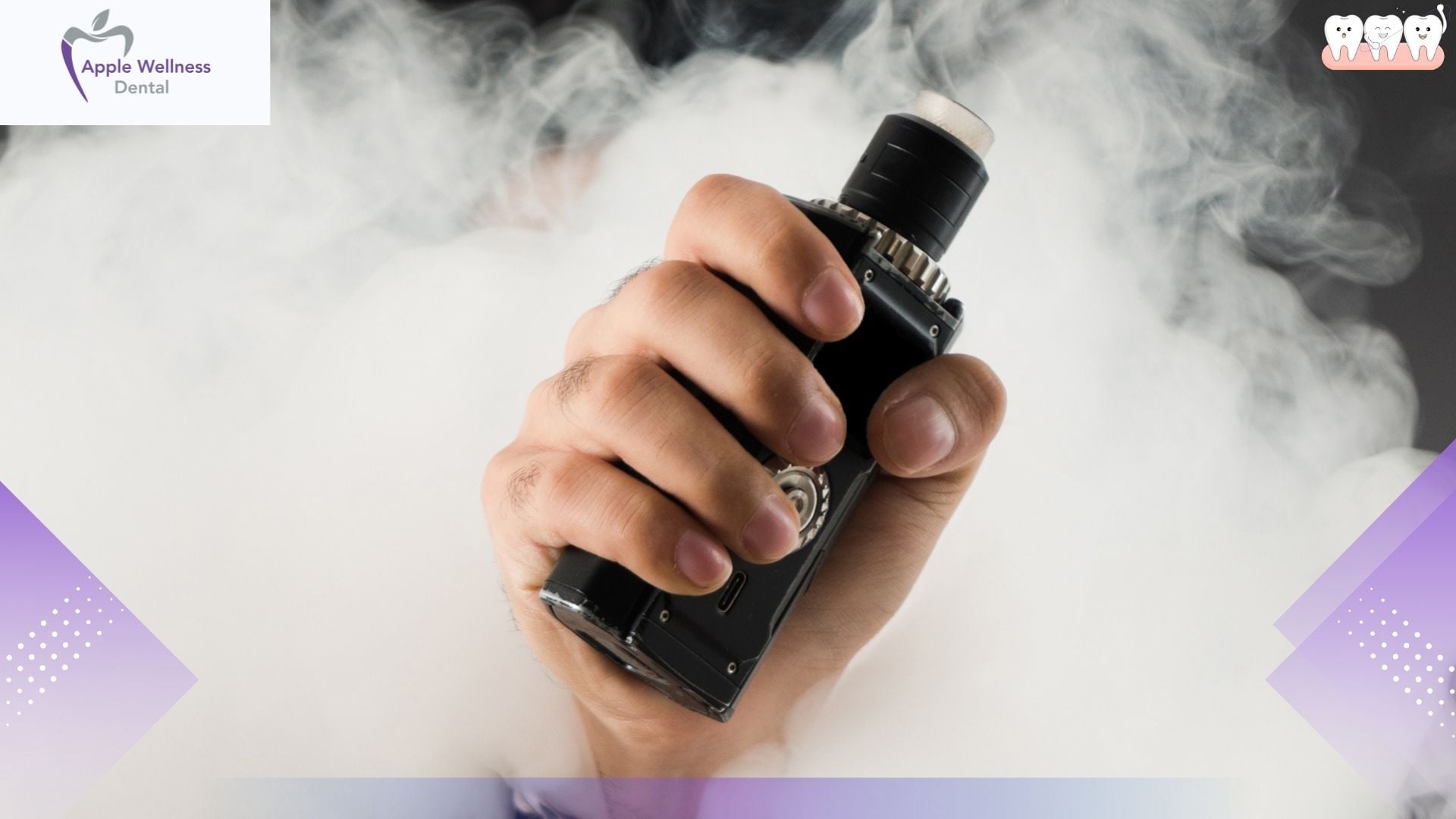
To fully grasp why vaping is detrimental after oral surgery, it is important to understand how the body heals a dental extraction site. When a wisdom tooth is removed, it leaves behind an empty socket in the alveolar bone. Within the first 12 to 24 hours, the body forms a protective blood clot in this socket. This clot serves as a biological bandage, protecting the underlying bone and nerve endings from exposure to air, food particles, and bacteria.
According to the American Dental Association, this blood clot is the crucial foundation for the entire healing cascade. It provides the matrix for new tissue formation, including the migration of fibroblasts and osteoblasts, which eventually build new gum tissue and bone. If this clot is disrupted, prematurely dissolved, or dislodged, the healing process halts. The result is dry socket, an incredibly painful condition that occurs when the underlying nerves are exposed to the oral environment.
Current dental statistics show that dry socket occurs in up to 30% of impacted wisdom tooth extractions. However, data indicates that patients who smoke or vape within the first 48 hours are up to three times more likely to experience this complication compared to non-users. The first three days are the most critical, as the clot is fragile and has not yet integrated with the surrounding mucosal tissue.
The Mechanics of Danger: Why Vaping Threatens Your Recovery
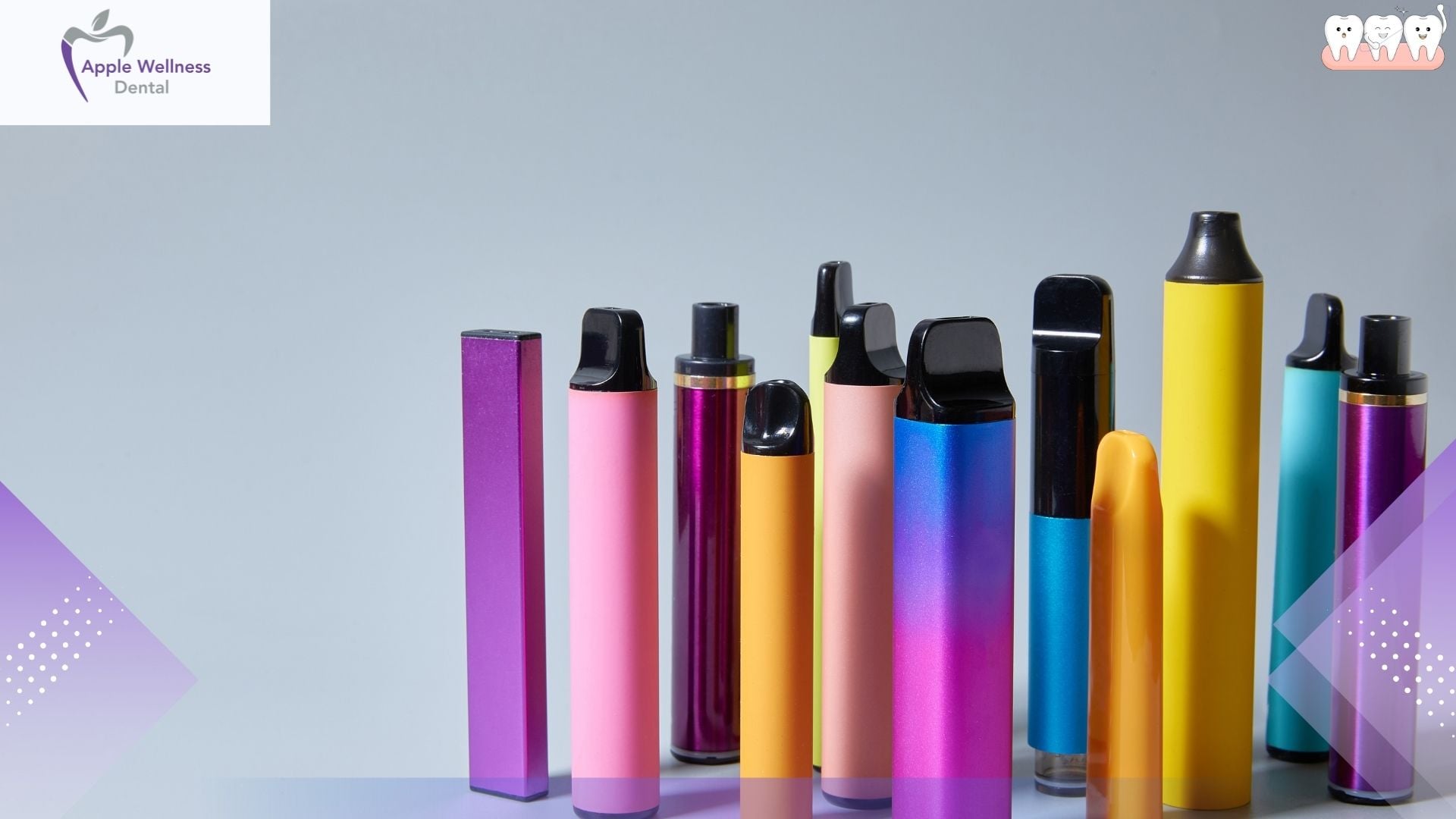
The primary danger of using e-cigarettes during your recovery lies in the physics of the device itself. Vaping requires the user to draw air forcefully through a tight mouthpiece to activate the heating coil and inhale the vapor. This action creates a vacuum, or negative pressure, inside the oral cavity.
“The suction required to pull vapor from an e-cigarette is entirely sufficient to extract a newly formed blood clot straight out of the socket,” explains Dr. Sarah Jenkins, a leading oral pathology researcher. “The physics are identical to drinking through a tightly packed straw, which is another strictly prohibited activity following oral surgery. When the negative pressure exceeds the biological adhesion of the clot, mechanical failure occurs, leaving the bone exposed.”
Beyond the mechanical risk of suction, the vapor itself introduces an element of danger. The oral cavity relies on a moist environment and healthy salivary flow to wash away bacteria and facilitate immune responses. The primary ingredients in e-liquids—propylene glycol (PG) and vegetable glycerin (VG)—are humectants. They inherently draw moisture out of the surrounding tissues. Inhaling these compounds aggressively dries out the oral mucosa, stripping the extraction site of its protective salivary coating and increasing the risk of bacterial colonization.
The Physiological Impact of Nicotine and Chemicals
While the mechanical suction is the most immediate threat to the blood clot, the chemical composition of the vapor poses a severe long-term threat to the healing process. Nicotine is a potent vasoconstrictor, meaning it causes blood vessels to narrow. Proper wound healing requires robust angiogenesis (the formation of new blood vessels) and high levels of oxygenation to fuel cellular repair.
Research published by the National Institutes of Health indicates that systemic nicotine exposure can reduce peripheral blood flow to oral tissues by as much as 24%. This localized hypoxia (lack of oxygen) starves the extraction site of the essential nutrients, white blood cells, and antibodies needed to fight off potential infections and rebuild tissue.
Furthermore, elevated temperatures in the mouth caused by warm vapor can trigger inflammation. While modern vapes do not burn at the same temperature as traditional combustible tobacco, the heated aerosol is still warm enough to irritate traumatized gum tissue, prolonging post-operative swelling and discomfort.
Vaping vs. Smoking vs. Edibles: A Recovery Comparison
Many patients wonder if switching their consumption method is a viable workaround during recovery. Below is a comparison table outlining the risks associated with different habits following wisdom tooth removal.
| Consumption Method | Risk Level | Primary Dangers | Safe Resumption Timeline |
|---|---|---|---|
| Traditional Smoking | Extreme | High suction, toxic tar, extreme heat, severe vasoconstriction, high infection risk. | Minimum 7 days |
| Vaping (Nicotine/THC) | High | Negative pressure suction, moisture depletion, nicotine-induced hypoxia. | Minimum 72 hours, ideally 5 days |
| Nicotine Patches | Low | Mild vasoconstriction from systemic nicotine, but zero oral trauma or suction. | Immediate (with doctor approval) |
| Cannabis Edibles | Moderate | Chewing can disrupt the extraction site if not careful. Sugar content increases bacteria. | 24-48 hours (soft formats only) |
When Is It Safe to Resume Vaping? The Detailed Timeline
Patience is your best asset when recovering from oral surgery. Adhering to strict timelines will save you from the agonizing pain of a disrupted healing process. Here is the standard 2026 clinical timeline for postoperative care regarding inhalation devices:
- Days 1 to 3 (The Critical Danger Zone): Absolutely no vaping. The first 72 hours are when the blood clot is actively forming and stabilizing. The incidence of dry socket is highest during this window. Close to 85% of dry socket cases develop within the first three days post-surgery.
- Days 4 to 5 (The Cautionary Phase): If you are healing well and experiencing no excess pain or swelling, the risk decreases slightly. However, the tissue is still highly vulnerable. Most oral surgeons still advise against it, but if abstinence is impossible, extreme caution must be exercised.
- Day 7 and Beyond (The Safe Zone): For most standard extractions, the socket has begun to close by the end of the first week, and granulation tissue has formed over the bone. At this point, normal activities, including vaping, can generally be resumed. However, complex surgical extractions (such as deeply impacted teeth) may require 10 to 14 days of total avoidance.
How to Minimize Risk If You Cannot Wait
Dental professionals always recommend complete abstinence from vaping for at least three days. However, nicotine addiction is powerful, and withdrawal can cause significant stress. If you absolutely cannot wait the full 72 hours, you must employ harm-reduction strategies to minimize the risk of catastrophic clot failure. Follow these step-by-step instructions carefully:
- Wait at least 48 hours: Give the clot the absolute maximum time you can tolerate to establish itself. Do not attempt to use any device on the first day.
- Modify your inhalation technique: Do not close your lips tightly around the mouthpiece. Keep your mouth partially open to allow ambient air to flow in alongside the vapor. This dramatically reduces the negative pressure vacuum inside your mouth.
- Take exceptionally gentle pulls: Inhale as softly as possible. Think of it as breathing naturally rather than actively “pulling” from the device.
- Protect the surgical sites: Before taking a draw, place sterile, damp gauze lightly over the extraction sites. Bite down gently to hold them in place. This acts as a physical barrier against suction and chemical exposure.
- Hydrate immediately: The compounds in vapor cause severe dry mouth. Drink a glass of cool water immediately after to wash away chemical residues and rehydrate the mucosal lining. Do not swish vigorously.
Recognizing the Warning Signs of Dry Socket
Even with careful precautions, complications can arise. Dry socket is a medical emergency that requires prompt dental intervention to manage the pain. As Dr. Robert Vance, Senior Oral Surgeon, notes: “Patients often confuse standard postoperative soreness with dry socket. However, dry socket pain is distinctly severe, radiating, and unresponsive to over-the-counter analgesics.”
Watch for these critical symptoms occurring typically 3 to 5 days after the extraction:
- A sudden, severe increase in pain that radiates to your ear, eye, temple, or neck on the same side as the extraction.
- Partial or total loss of the dark blood clot at the extraction site, leaving a visible, empty-looking socket.
- Visible bone in the socket.
- A persistent foul odor or a noticeably bad taste in your mouth that does not go away with gentle saline rinsing.
If you experience these symptoms, stop vaping immediately and contact your dental clinic. Treatment usually involves flushing the socket to remove debris and applying a medicated eugenol paste that provides almost immediate pain relief.
Safe Alternatives During the Recovery Window
Managing nicotine cravings during your recovery does not have to jeopardize your oral health. The Centers for Disease Control and Prevention recommends several FDA-approved nicotine replacement therapies (NRT) that bypass the oral risks associated with vaping.
Nicotine Patches: Transdermal patches are the safest option. They deliver a steady stream of nicotine through the skin, entirely bypassing the mouth and eliminating both mechanical suction and localized tissue irritation.
Nicotine Lozenges: While these are taken orally, they do not require suction. If you use a lozenge, do not suck on it vigorously; simply let it dissolve slowly on the opposite side of your mouth from the extraction site. Note that the systemic nicotine will still cause some mild vasoconstriction, but the physical risk to the clot is vastly reduced.
Nicotine Pouches: Tobacco-free nicotine pouches placed under the upper lip can be used carefully, provided they are kept far away from the surgical sites and do not induce excessive spitting, which creates negative pressure.
Frequently Asked Questions
Can you vape 24 hours after a tooth extraction?
No. Vaping 24 hours post-extraction carries an extremely high risk. The blood clot is still soft and unstable, making it highly susceptible to being dislodged by the suction of the vape, leading to dry socket.
Does hitting a vape through your nose prevent dry socket?
While exhaling or inhaling through the nose bypasses oral suction, it is not recommended. The vapor still enters the respiratory system and can easily re-enter the oral cavity, delivering harmful, drying chemicals to the surgical site.
Is it safer to vape zero-nicotine juice after surgery?
Zero-nicotine e-liquids eliminate the vasoconstriction issues caused by nicotine, but they do not eliminate the risk of suction. The mechanical action of pulling the vapor still creates negative pressure that can dislodge the blood clot.
What should I do if I accidentally vaped and my mouth hurts?
If you experience sudden, radiating pain after vaping, you may have induced a dry socket. Gently rinse your mouth with warm salt water, take prescribed pain medication, and contact your dentist immediately for an evaluation.
Can I use a weed pen instead of a nicotine vape?
No. The mechanical suction required for THC or CBD vape pens is identical to nicotine vapes. The vacuum effect remains the primary danger, regardless of the substance being inhaled.
How do I know if I have dislodged my blood clot?
You will typically experience an intense, throbbing pain that radiates across your face 2 to 4 days post-surgery. You may also notice a foul taste, bad breath, and visually see an empty hole where the dark clot used to be.
Conclusion
Recovering from a wisdom tooth extraction requires patience and a commitment to post-operative instructions. While managing cravings can be incredibly difficult, the risks associated with premature inhalation devices are simply too high. By abstaining for at least 72 hours, understanding the physics of suction, and utilizing safe alternatives like transdermal patches, you can protect your blood clot and ensure a smooth, complication-free healing process. Prioritize your long-term oral health over short-term habits, and your mouth will thank you.
If you are experiencing severe pain, suspect you have a dry socket, or need personalized guidance on managing your post-operative recovery, do not hesitate to reach out to a professional. Contact our dental team today to schedule a follow-up appointment and get the relief you need.
References
- American Dental Association (ADA). (2026). Post-Operative Instructions for Extractions and Oral Surgery. Retrieved from https://www.ada.org
- National Institutes of Health (NIH). (2026). The Effects of Nicotine on Angiogenesis and Oral Wound Healing. Retrieved from https://www.nih.gov
- Centers for Disease Control and Prevention (CDC). (2026). Guidelines on Nicotine Replacement Therapy. Retrieved from https://www.cdc.gov
- World Health Organization (WHO). (2026). Oral Health and Electronic Nicotine Delivery Systems. Retrieved from https://www.who.int