
The Complete 2026 Guide to Caring for Porcelain and Composite Dental Veneers
Do you have to brush veneers? Yes, maintaining meticulous daily oral hygiene is absolutely essential for anyone with dental veneers. While the porcelain or composite material itself cannot develop cavities, the natural tooth structure beneath it and the surrounding gum tissue remain highly vulnerable to bacterial plaque, decay, and periodontal disease. Skipping your brushing routine can lead to severe complications, including the failure of the restoration itself. In this comprehensive 2026 guide, we explore the science behind veneer maintenance, the consequences of neglect, and the exact protocols you should follow to keep your enhanced smile pristine.
Key Takeaways
- Veneers do not prevent decay: The natural tooth structure behind the veneer and the exposed margins remain susceptible to cavities.
- Gum health is critical: Plaque buildup along the gum line can cause gingivitis, leading to gum recession that exposes the root and ruins the aesthetics of your smile.
- Use non-abrasive products: Whitening and baking soda toothpastes can scratch composite and dull porcelain; opt for soft-bristled brushes and low-RDA (Relative Dentin Abrasivity) gels.
- Flossing is non-negotiable: Brushing alone misses up to 40% of the plaque on your teeth; interdental cleaning is required to protect the sides of veneered teeth.
- Routine professional care matters: Bi-annual professional cleanings and examinations are required to monitor marginal integrity and ensure the longevity of your restorations.
The Science Behind Veneers and Oral Hygiene
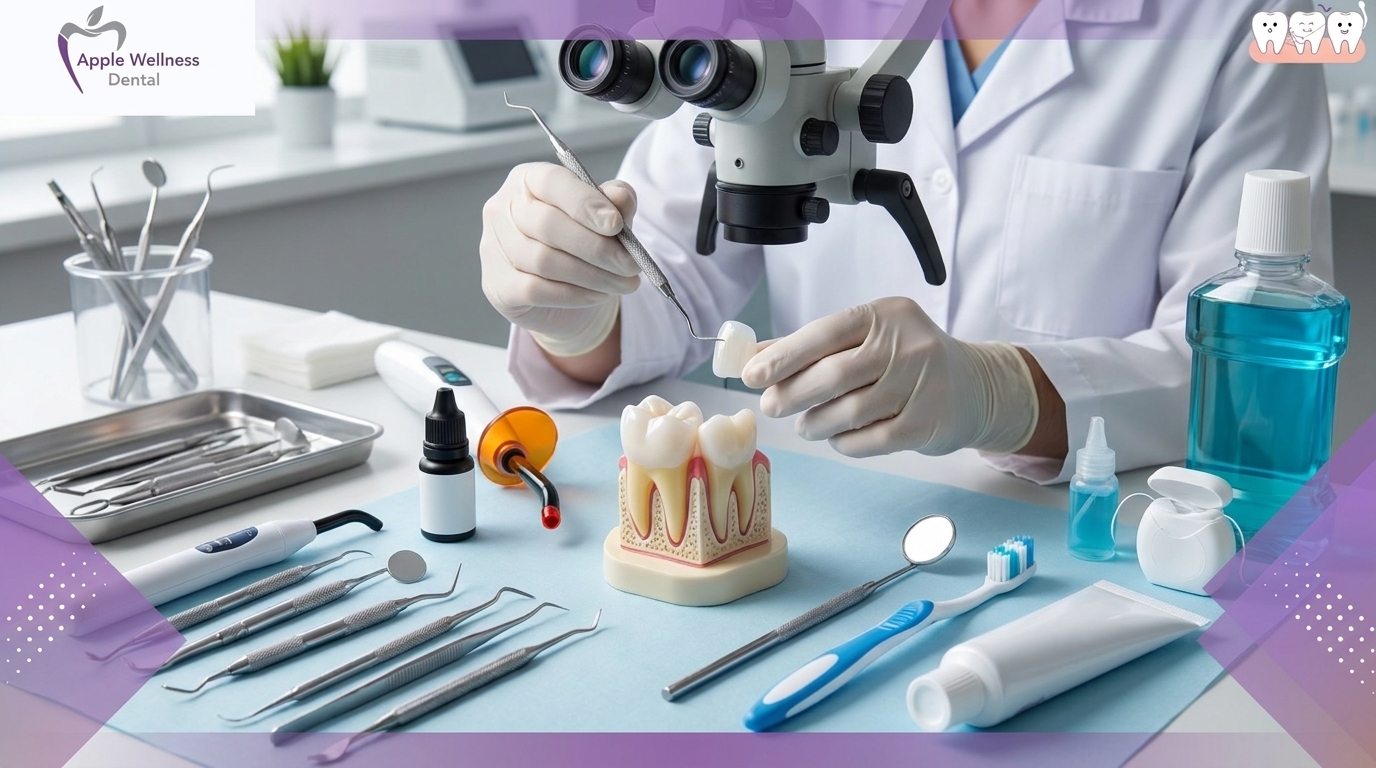
To understand why mechanical plaque removal—brushing and flossing—is mandatory, one must first understand the anatomy of a veneered tooth. A dental veneer is a micro-thin shell of porcelain or composite resin bonded to the facial (front) surface of a tooth. However, the lingual (back) surface, the interproximal (side) areas, and the crucial junction where the veneer meets the tooth near the gum line—known as the margin—are left exposed.
According to the American Dental Association, plaque begins to accumulate on tooth surfaces within 4 to 12 hours after brushing. This sticky film of bacteria feeds on dietary sugars, producing acidic byproducts that demineralize natural enamel. Because the back of a veneered tooth is completely natural enamel, it can easily develop a cavity.
“A veneer covers the front of the tooth, but the back and sides remain vulnerable. If you do not brush, the underlying tooth structure will decay, potentially leading to the loss of both the veneer and the tooth.” — Dr. Matthew Messina, Consumer Advisor
What Happens If You Neglect Your Restorations?
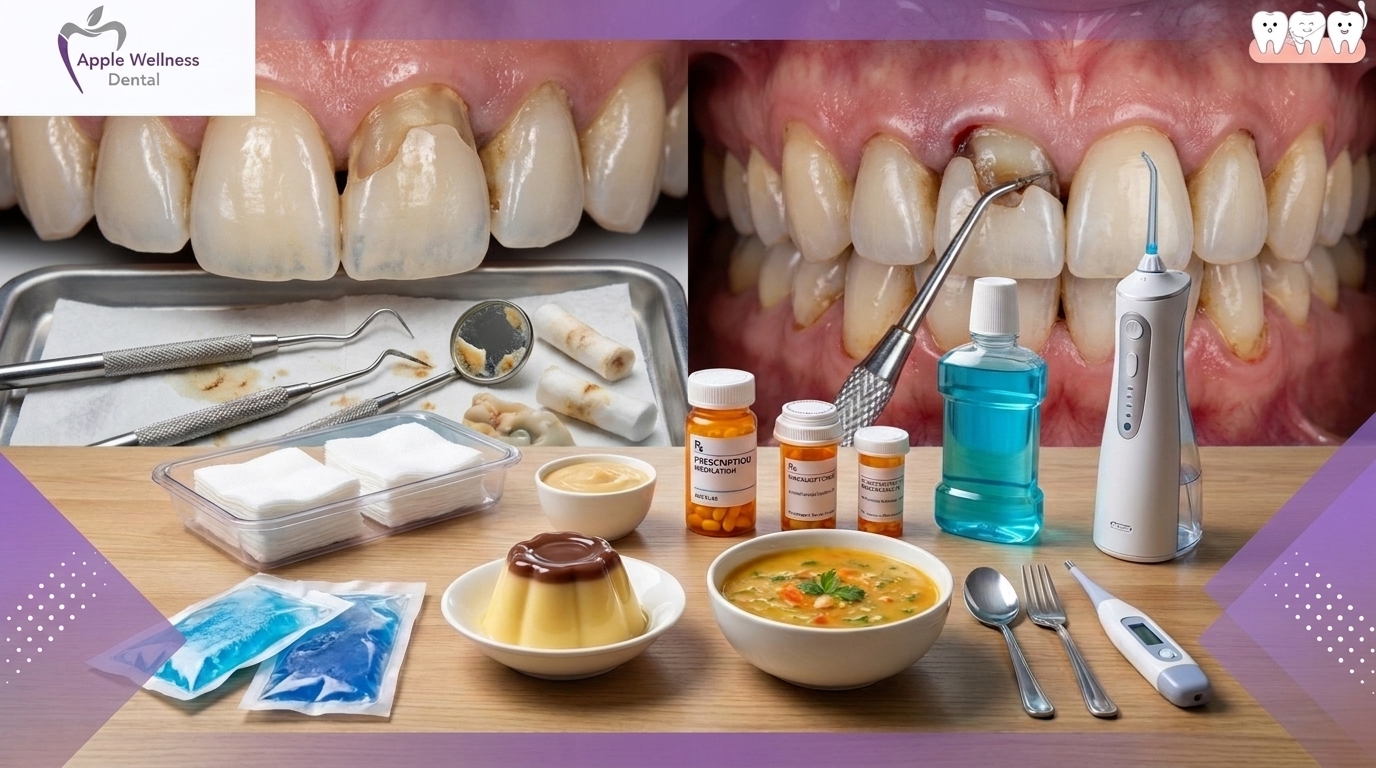
Neglecting your oral care routine after investing in cosmetic dentistry can result in rapid and severe dental issues. The complications extend far beyond mere aesthetics.
Marginal Decay and Microleakage
The margin is the most vulnerable point of a dental restoration. Dr. Frank Spear, founder of Spear Education, states: “Marginal integrity is the lifeline of any restoration. Plaque accumulation at the gum line compromises this margin, leading to microleakage and eventual failure of the veneer.” When decay occurs at the margin, bacteria seep beneath the veneer (microleakage), rotting the tooth from the inside out. This often requires the complete removal of the veneer, treatment of the cavity, and the placement of a much more invasive dental crown.
Periodontal Disease and Gum Recession
Research from the Centers for Disease Control and Prevention indicates that nearly 47% of adults aged 30 and older have some form of periodontal disease. When plaque hardens into calculus (tartar) at the gum line, it triggers an inflammatory response known as gingivitis. If left untreated, this progresses to periodontitis, which destroys the bone supporting the tooth. A major cosmetic consequence of gum disease is gum recession. As the gums pull back, the dark root of the natural tooth is exposed above the veneer, instantly ruining the seamless look of your smile.
Porcelain vs. Composite: Cleaning Requirements
While all restorative materials require rigorous hygiene, the specific nature of your restorations will dictate certain maintenance nuances. The American College of Prosthodontists notes that porcelain restorations can last 10 to 15 years, while composite variants typically last 5 to 7 years, provided excellent hygiene is maintained.
| Feature | Porcelain Veneers | Composite Veneers |
|---|---|---|
| Porosity | Non-porous; highly resistant to staining. | Slightly porous; can absorb stains over time (coffee, tea, wine). |
| Durability | High strength, resists scratches from brushing. | Lower strength, easily scratched by abrasive toothpaste. |
| Maintenance Focus | Protecting the gum line and natural tooth back. | Frequent gentle polishing to prevent surface discoloration. |
| Lifespan | 10 – 15+ Years | 5 – 7 Years |
Step-by-Step Guide: How to Properly Clean Veneered Teeth
Implementing a proper sanitization protocol is your best defense against premature failure. Follow these meticulously designed steps to ensure optimal care:
- Choose the Right Tools: Select a soft-bristled toothbrush. Clinical data reveals that using a soft-bristled toothbrush reduces gum recession risks by 35% compared to medium bristles. Pair this with a low-abrasive gel toothpaste.
- Master the Technique: Hold the brush at a 45-degree angle toward the gum line. Use short, gentle, circular strokes. Never use a harsh back-and-forth sawing motion, as this can irritate the gingival tissues and cause recession.
- Clean All Surfaces: Spend an equal amount of time on the facial surface (the veneer), the lingual surface (the natural back of the tooth), and the chewing surfaces. Ensure you brush for a full two minutes, twice daily.
- Floss Daily: Interdental cleaning removes up to 40% of the plaque that brushing misses. Carefully slide the floss between the teeth, forming a ‘C’ shape around the base of each tooth, dipping gently below the gum line to disrupt bacterial colonies.
- Rinse with an Alcohol-Free Mouthwash: Alcohol can degrade the bonding agents used to adhere composite materials over time. An alcohol-free, fluoride mouthwash provides an extra layer of cavity protection for the natural tooth structure without threatening the bond.
The Best Oral Care Products for Dental Veneers in 2026
Not all dental products are created equal, and using the wrong tools can actively damage your investment. “Non-abrasive toothpaste is non-negotiable for veneer maintenance,” says Dr. Charles Goodacre, former Dean of the Loma Linda University School of Dentistry. “Harsh abrasives will eliminate the high polish of porcelain, making it susceptible to plaque retention and staining.”
Understanding the RDA Scale
Toothpaste abrasivity is measured by the Relative Dentin Abrasivity (RDA) scale. For veneered teeth, you should exclusively use toothpastes with an RDA of 70 or lower. Avoid “smoker’s toothpastes” or aggressive whitening pastes, which frequently possess an RDA exceeding 100 and act like liquid sandpaper against composite resins and ceramic glazes.
Electric vs. Manual Toothbrushes
Modern sonic and oscillating electric toothbrushes are highly recommended. Studies confirm that electric toothbrushes can remove 21% more plaque than manual toothbrushes after three months of use. Most modern electric brushes feature pressure sensors that alert you if you are pushing too hard, which is an invaluable feature for protecting delicate gum margins.
Common Mistakes When Brushing Restorations
Even well-intentioned patients frequently make mistakes that compromise their dental health. Avoid these common pitfalls:
- Using Baking Soda: While popular for natural whitening, baking soda is highly abrasive and will scratch composite materials, permanently dulling their finish.
- Skipping the Back of the Teeth: Because the front looks perfect, patients often rush or entirely skip brushing the lingual surfaces, leading to rapid, hidden decay.
- Aggressive Flossing: Snapping floss down hard between teeth can sever the periodontal ligament and damage the gums. Floss must be eased between the contacts gently.
- Over-Brushing: Brushing more than three times a day or immediately after consuming highly acidic foods (like citrus or soda) can wear down the remaining natural enamel. Wait at least 30 minutes after acidic meals before brushing.
Long-Term Maintenance Beyond Brushing
While mechanical brushing is your primary daily defense, comprehensive care extends into professional realms and behavioral adjustments.
According to Dr. John Kois, Director of the Kois Center: “Patients often mistakenly believe that ceramic restorations render their teeth immune to disease. In reality, the soft tissues supporting those teeth require even more meticulous care to prevent gingival inflammation.”
To ensure this, you must schedule professional cleanings and examinations every six months. Dental hygienists use specialized, non-scratching instruments to remove calcified tartar that normal brushing cannot dislodge. Additionally, if you suffer from bruxism (teeth grinding or clenching), your dentist will prescribe a custom night guard. The extreme bite forces generated during sleep can easily chip or fracture both porcelain and composite materials, regardless of how clean you keep them.
Frequently Asked Questions (FAQ)
Can I use whitening toothpaste on my veneers?
No, whitening toothpastes are typically highly abrasive and are designed to scrub stains off natural enamel. They cannot change the color of porcelain or composite, but they will scratch the surface, making them look dull and more prone to future staining.
Will flossing dislodge my dental restorations?
Properly bonded veneers will not be dislodged by normal flossing. If a restoration pops off while flossing, it indicates that the bond was already failing or there was underlying decay that needed immediate professional attention.
Do veneered teeth decay faster than natural teeth?
They do not decay faster naturally, but the margin where the restoration meets the natural tooth is an area where plaque easily hides. If this specific area is not meticulously cleaned, decay can seem to develop rapidly.
Can I use a water flosser instead of string floss?
A water flosser is an excellent adjunct to your hygiene routine and is fantastic for flushing out bacteria around the gum line. However, the WebMD dental advisory board notes that it should not entirely replace traditional string floss, which is better at physically wiping away the sticky plaque film.
How do I know if I am brushing too hard?
Signs of brushing too hard include toothbrush bristles splaying outwards rapidly (within a few weeks of use), sensitive gums, and visible gum recession. Switching to an electric toothbrush with a built-in pressure sensor can correct this habit.
Conclusion
The assumption that cosmetic dental work excuses you from daily hygiene routines is a dangerous myth. You absolutely must brush your dental veneers with the same, if not greater, dedication as your natural dentition. By understanding the vulnerabilities of the natural tooth structure, utilizing non-abrasive products, and committing to diligent flossing and regular dental checkups, you can ensure your enhanced smile remains brilliant and healthy for decades to come.
If you have questions about maintaining your cosmetic restorations or need to schedule a professional cleaning to check your marginal integrity, do not hesitate to reach out to a professional. Contact us today to schedule your comprehensive 2026 dental evaluation and keep your smile looking its absolute best.
References
- American Dental Association. (2026). Guidelines on Oral Hygiene and Plaque Formation. Retrieved from https://www.ada.org
- Centers for Disease Control and Prevention (CDC). (2026). Periodontal Disease Statistics. Retrieved from https://www.cdc.gov
- American College of Prosthodontists. (2026). Lifespan and Care of Dental Restorations. Retrieved from https://www.prosthodontics.org
- Spear Education. (2026). Clinical Protocols for Marginal Integrity. Retrieved from https://www.speareducation.com
- WebMD. (2026). Oral Care and Water Flossing Guidelines. Retrieved from https://www.webmd.com