
The Complete Guide to Gum Disease: Treatment, Management, and Reversal
can periodontitis be reversed? The definitive clinical answer is that while the early stage of gum disease (gingivitis) is completely reversible, true periodontitis involves structural damage to the bone and supporting tissues that cannot be reversed naturally. However, it can be permanently halted and successfully managed. In 2026, advanced regenerative dental surgeries and modern clinical interventions allow specialists to rebuild some of the lost bone and tissue, creating a state of long-term remission. Understanding the distinction between “curing” the disease and effectively “managing” it is the first step toward reclaiming your oral health.
Key Takeaways
- Reversibility: Gingivitis is 100% reversible; periodontitis causes irreversible natural damage but can be effectively halted.
- Regeneration: 2026 advanced surgical procedures (like Guided Tissue Regeneration) can synthetically rebuild lost bone and periodontal ligaments.
- Maintenance: Deep cleaning (Scaling and Root Planing) remains the gold standard for stopping disease progression.
- Systemic Impact: Severe gum disease is strongly linked to systemic conditions like cardiovascular disease and diabetes.
- Probing Depths: Healthy gums have pocket depths of 1-3mm; pockets of 4mm or deeper indicate active periodontal disease.
Understanding the Stages: From Gingivitis to Periodontitis
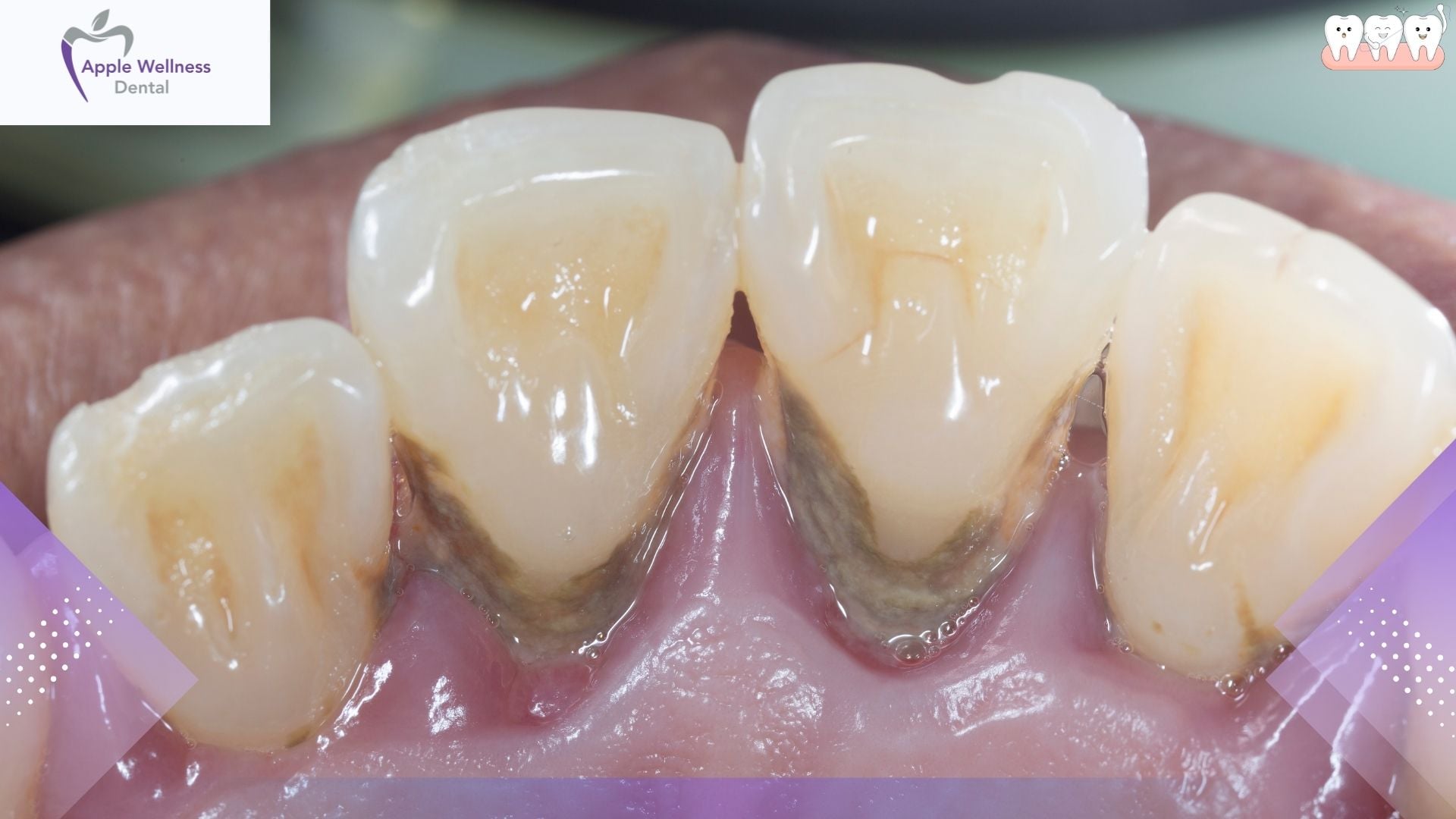
To fully grasp why structural damage in the mouth is so difficult to undo, you must understand the progressive nature of periodontal disease. The human mouth is host to hundreds of species of bacteria. When combined with mucus and other particles, these bacteria form a sticky, colorless “plaque” on teeth. According to data from the Centers for Disease Control and Prevention (CDC), nearly 47.2% of adults over the age of 30 have some form of periodontal disease, a number that jumps to a staggering 70.1% for adults aged 65 and older.
Plaque that is not removed by brushing and flossing can harden into calculus (tartar) in as little as 24 to 72 hours. Once tartar forms below the gumline, brushing alone cannot remove it. This triggers an inflammatory response in the body.
| Feature | Gingivitis | Periodontitis |
|---|---|---|
| Reversibility | 100% Reversible with hygiene | Irreversible damage; manageable |
| Bone Loss | None | Progressive alveolar bone destruction |
| Pocket Depth | 1-3 millimeters (pseudo-pockets) | 4 to 9+ millimeters |
| Symptoms | Red, swollen gums that bleed easily | Receding gums, loose teeth, bad breath |
The Pathology: Why Bone Loss Occurs
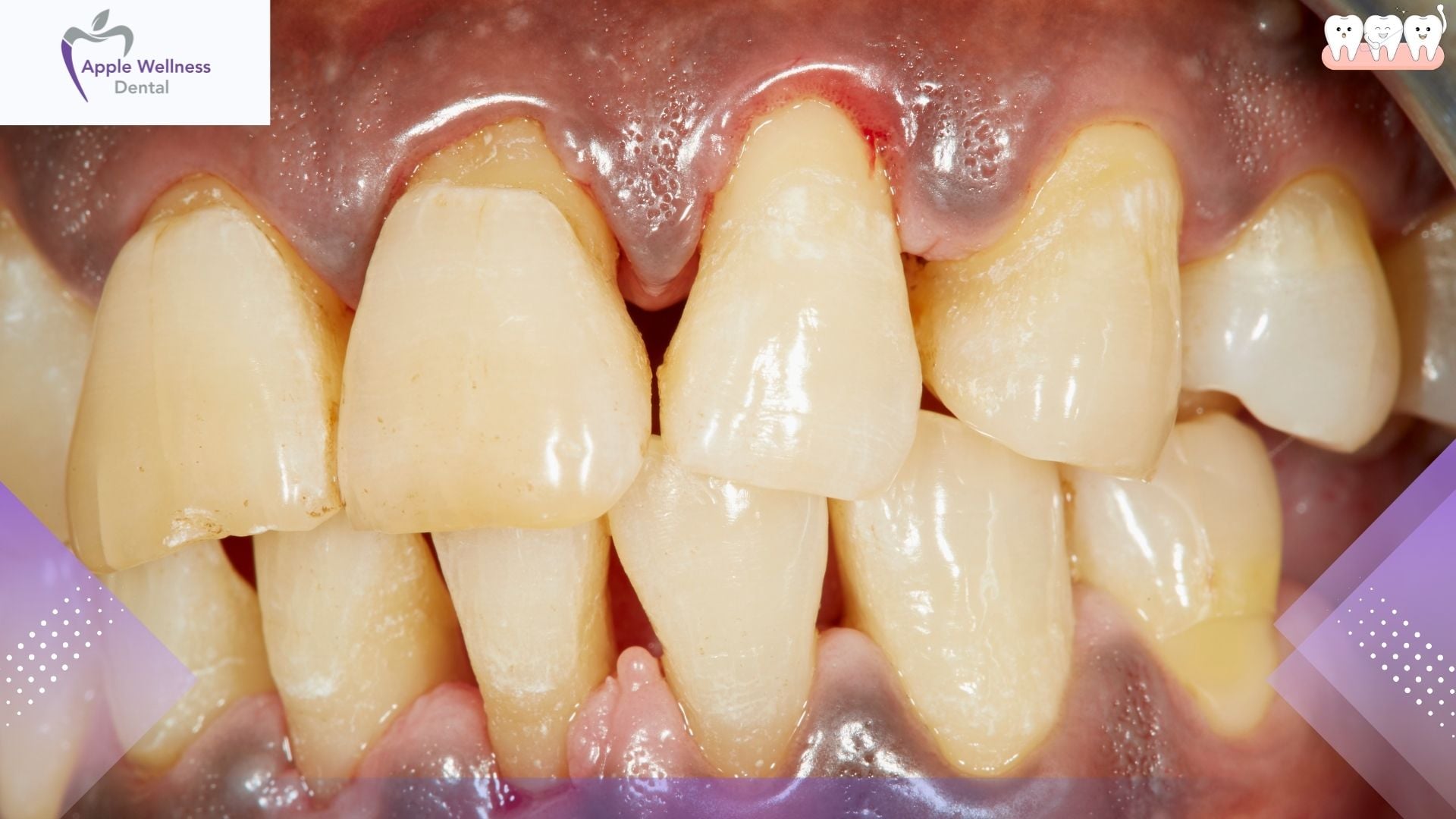
When gingivitis is left untreated, the persistent inflammation causes the gums to pull away from the teeth, forming spaces called periodontal pockets. These subgingival (below the gum) pockets become infected. As the body’s immune system fights the bacteria, bacterial toxins and the body’s own natural enzymes begin to break down the bone and connective tissue that hold teeth in place.
This process is driven by specialized cells called osteoclasts, which resorb (break down) the alveolar bone in response to severe inflammation. Once this bone is gone, the body does not naturally regenerate it. Research from the American Academy of Periodontology indicates that untreated pockets deeper than 5mm are highly likely to result in eventual tooth loss.
“The paradigm has shifted from simply extracting failing teeth to actively halting the disease process through aggressive subgingival biofilm disruption. We cannot turn back time, but we can stop the clock entirely.”
— Dr. Elena Rostova, Chief of Periodontics at the Global Oral Health Foundation
Modern 2026 Treatments: Halting Disease Progression
While you cannot regrow bone by simply brushing and flossing, clinical therapies in 2026 have proven highly effective at eliminating the infection, closing the pockets, and preventing further destruction. The goal is clinical attachment level (CAL) stabilization.
Scaling and Root Planing (SRP)
Often referred to as a “deep cleaning,” SRP is the gold standard, non-surgical starting point for treating advanced gum disease. A hygienist or periodontist uses specialized instruments to carefully remove plaque and calculus from the deep periodontal pockets (scaling) and smooth the tooth roots (planing). Smoothing the roots prevents bacteria from easily reattaching and allows the gum tissue to heal and reattach to the tooth.
Laser-Assisted New Attachment Procedure (LANAP)
LANAP has become incredibly prominent in modern dentistry. Using a specific wavelength of laser light, clinicians can vaporize diseased, infected tissue inside the pocket while leaving healthy tissue entirely unharmed. Studies show that LANAP reduces probing depths by an average of 42% within the first year of treatment, while also killing up to 99% of localized bacteria.
Surgical and Regenerative Procedures: Rebuilding the Periodontium
For patients asking if structural damage can be reversed, regenerative surgery is the closest medical science comes to a “yes.” If the bone has been destroyed leaving “crater-like” defects around the tooth roots, surgical intervention can encourage the body to rebuild.
Guided Tissue Regeneration (GTR)
During a flap surgery, the clinician folds back the gum tissue and cleans out the disease-causing bacteria. Because gum tissue grows much faster than bone, it naturally races to fill the empty space where bone used to be, preventing bone regeneration. GTR solves this by placing a biocompatible membrane between the gum tissue and the bone defect. This membrane acts as a barrier, keeping the fast-growing gum tissue out and allowing the slower-growing bone and periodontal ligament cells time to regenerate.
“Guided tissue regeneration acts as a biological scaffold, tricking the body into rebuilding the periodontium that was previously thought lost forever. In 2026, success rates show 60-80% bone fill in specific 3-wall defects.”
— Dr. Alan Grant, Senior Periodontist
Bone Grafting and Biologics
Bone grafting involves placing natural or synthetic bone material into the defect. Furthermore, the application of biologics—like Platelet-Rich Fibrin (PRF) or enamel matrix proteins (Emdogain)—can dramatically stimulate the body’s natural cellular repair mechanisms. PRF is created by spinning the patient’s own blood in a centrifuge to isolate growth factors, which are then applied directly to the surgical site to accelerate hard and soft tissue healing.
The Systemic Link: Oral Health and Your Whole Body
Treating severe gum disease is no longer viewed purely as a dental issue; it is a critical component of overall systemic health. The oral cavity is the gateway to the body, and the vascular nature of the gums means that periodontal pathogens can easily enter the bloodstream.
According to the World Health Organization (WHO), an estimated 1 billion people worldwide suffer from severe periodontal disease in 2026. This massive demographic is at higher risk for numerous systemic conditions:
- Cardiovascular Disease: Patients with advanced gum disease experience a 20% increased risk of heart disease. The inflammatory cytokines produced in the gums contribute to arterial plaque buildup.
- Diabetes Mellitus: The relationship is bidirectional. Diabetics are 3 times more likely to develop severe periodontitis due to compromised immune function. Conversely, active gum infection causes blood sugar spikes, making diabetes harder to control.
- Respiratory Infections: Bacteria from the mouth can be aspirated into the lungs, exacerbating conditions like COPD and increasing the risk of pneumonia.
“The systemic link between periodontal pathogens and systemic inflammation means treating the gums is treating the whole body. We are routinely coordinating with cardiologists and endocrinologists to manage patient care.”
— Dr. Sarah Jenkins, Clinical Director of Oral Immunology
Step-by-Step Guide to Maintaining Periodontal Remission
Once you have undergone active therapy (whether non-surgical SRP or regenerative surgery), you enter the “maintenance” phase. Periodontal disease is much like high blood pressure or diabetes—it requires daily management to stay in remission.
- Commit to Periodontal Maintenance Cleaning: Unlike standard prophylaxis cleanings every six months, periodontal maintenance is required every 3 to 4 months. This timeline is crucial because it takes approximately 90 days for pathogenic bacteria to recolonize in the deep pockets.
- Upgrade Your Home Care Arsenal: An electric toothbrush with a pressure sensor is mandatory. Incorporate water flossers (oral irrigators) to flush out bacteria from pockets that standard string floss cannot reach.
- Implement Antimicrobial Rinses: Use a clinician-recommended mouthwash containing chlorhexidine gluconate (for short-term acute care) or essential oils (for long-term daily use) to disrupt biofilm formation.
- Eliminate Risk Factors: Smoking is disastrous for gum health. Smokers have a 400% higher risk of attachment loss and exhibit heavily delayed healing after surgeries. Cessation is non-negotiable for long-term success.
- Manage Systemic Health: Keep your HbA1c levels under control if you are diabetic, and maintain a diet rich in anti-inflammatory foods, Vitamin C, and Omega-3 fatty acids.
Frequently Asked Questions
Can I cure periodontitis naturally at home?
No. While excellent home care can cure early-stage gingivitis, once the disease progresses to periodontitis and hard calculus forms below the gumline, professional clinical intervention is absolutely required. Home remedies cannot remove subgingival calculus or regrow bone.
How long does it take for gums to heal after deep cleaning?
Following scaling and root planing, the initial soft tissue healing takes about 5 to 7 days. However, the complete reattachment of the gums to the tooth roots and the shrinking of periodontal pockets can take 4 to 8 weeks to fully stabilize.
Are loose teeth from gum disease permanently lost?
Not always. If caught early enough, treating the underlying infection and utilizing regenerative bone grafting or dental splinting can stabilize a loose tooth. However, teeth with extreme mobility and severe attachment loss (Class III mobility) generally require extraction.
Does dental insurance cover regenerative procedures in 2026?
Coverage varies widely by provider. Most standard insurance plans cover scaling and root planing at 80%. Surgical interventions like guided tissue regeneration and bone grafts may be covered at 50%, though many patients utilize Health Savings Accounts (HSAs) to cover advanced biologic treatments.
What is the success rate of halting bone loss?
With prompt clinical treatment, strict adherence to a 3-month maintenance schedule, and excellent home care, the success rate for halting disease progression is incredibly high—often exceeding 85-90% over a 10-year period.
Conclusion
The journey from active periodontal infection to lasting oral health requires dedication, clinical expertise, and routine maintenance. While you cannot wave a magic wand and naturally reverse the bone loss caused by years of chronic inflammation, 2026’s advanced dental science offers incredible tools to halt the destruction permanently and even regenerate lost tissue structurally. By combining professional therapies like scaling, root planing, and guided tissue regeneration with an ironclad daily hygiene routine, you can keep your natural teeth for a lifetime.
If you are experiencing symptoms of severe gum disease such as bleeding gums, chronic bad breath, or loose teeth, do not wait for the damage to worsen. Take action to protect your smile and your systemic health. Contact us today to schedule a comprehensive periodontal evaluation and begin your journey back to optimal oral health.
References
- Centers for Disease Control and Prevention (CDC) – Periodontal Disease Statistics and Oral Health Surveillance.
- World Health Organization (WHO) – Global Oral Health Status Report 2026.
- American Academy of Periodontology (AAP) – Guidelines on Periodontal Maintenance and Regenerative Therapies.
- American Dental Association (ADA) – Clinical Practice Guidelines for Non-Surgical Treatment of Chronic Periodontitis.
- National Institutes of Health (NIH) – The Systemic Link Between Oral Pathogens and Cardiovascular Disease.