
Are Veneers Expensive? A Straightforward Breakdown of What Drives the Price
Veneers have become one of the most talked-about treatments in cosmetic dentistry — and for good reason. They can correct discoloration, chips, gaps, and shape irregularities in a way that looks completely natural. But as soon as the conversation turns to price, many patients hesitate. Are veneers expensive? The honest answer is yes, they represent a meaningful financial investment — but the question worth asking is what that investment actually buys you, how long it lasts, and whether there are options that fit different budgets without sacrificing your results.
This guide gives you a complete, clear picture of what dental veneers cost in Canada, what factors drive the price up or down, the key differences between veneer types, and how to evaluate whether veneers are the right choice for your specific goals. You’ll also find an honest discussion of the long-term value of veneers versus their upfront cost, and answers to the questions patients ask most frequently when exploring this treatment.
Key Takeaways
- In Canada, porcelain veneers typically cost between $900 and $2,500 per tooth, while composite veneers range from $300 to $1,500 per tooth depending on location and complexity.
- Veneers are a cosmetic procedure and are not covered by dental insurance in most cases, meaning the full cost is typically paid out of pocket.
- Porcelain veneers last 10 to 15 years or longer with proper care; composite veneers average 5 to 7 years before needing replacement or repair.
- The material, the number of teeth treated, the laboratory involved, and the dentist’s level of experience all significantly influence the final price.
- Financing options through dental practices make veneers more accessible by spreading the cost over time without requiring full payment upfront.
- A consultation with a cosmetic dental professional is the most accurate way to receive a cost estimate specific to your case and goals.
Overview
This article covers everything you need to understand about veneer pricing before committing to treatment. We break down the cost ranges for both porcelain and composite veneers in the Canadian market, explain the specific factors that push prices higher or lower, and walk through what you actually receive for your investment — from the clinical process to the longevity of the results. We also compare veneers against alternative cosmetic treatments for patients weighing their options. Our FAQ section addresses the most common cost and value questions patients ask. Throughout, we make the case for why consulting a professional cosmetic dentist — rather than relying on general estimates — is the right starting point for any serious veneer conversation.
Are Veneers Expensive: What the Numbers Actually Look Like in Canada
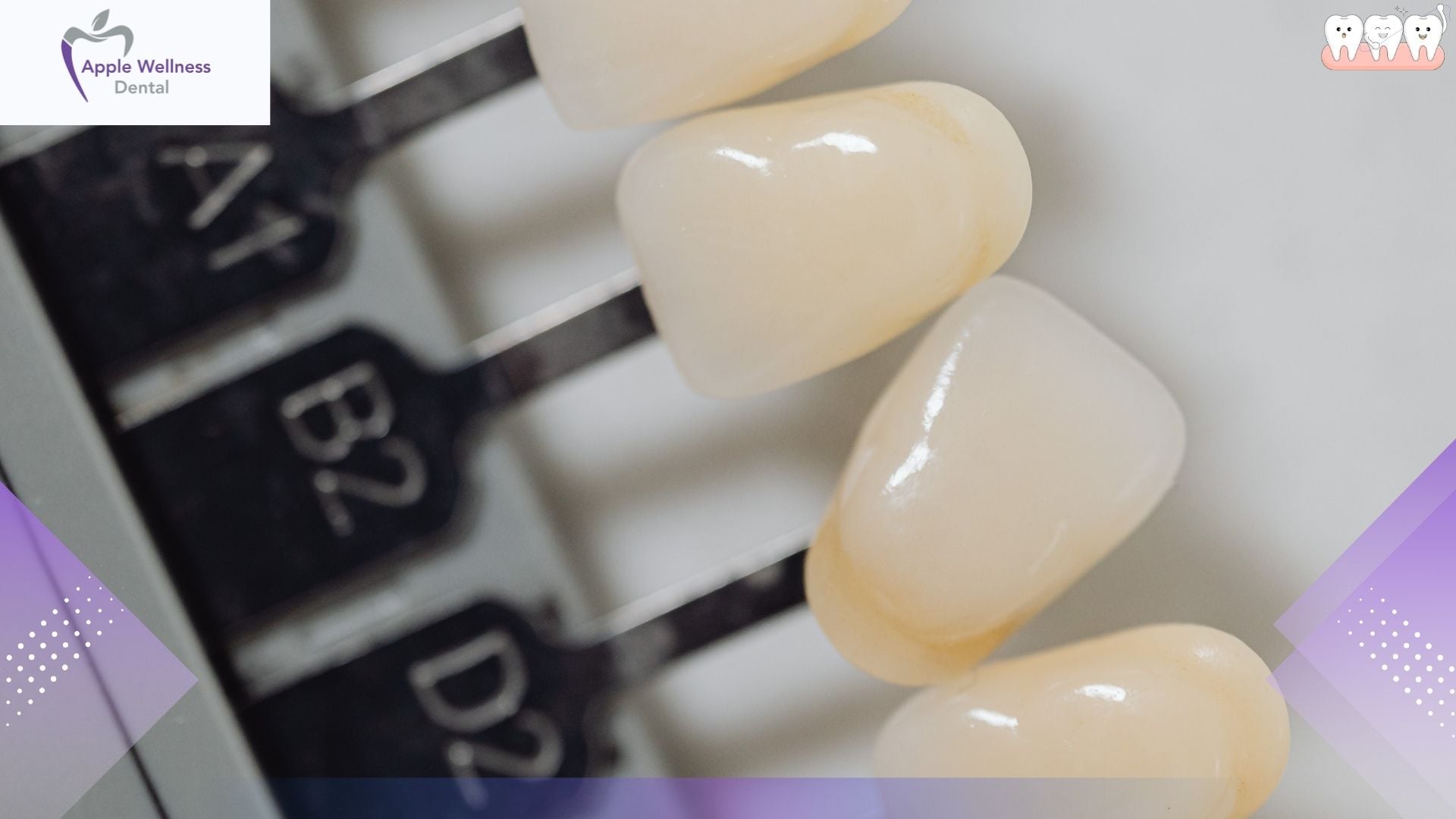
Patients exploring cosmetic dentistry often struggle to get a straight answer on veneer pricing because costs vary considerably based on material, provider, and geography. Here is what the current market looks like in Canada specifically, drawn from clinical pricing data across the country.
Porcelain veneers — the most commonly requested type — generally range from $900 to $2,500 per tooth in Canada, with many practices in larger urban markets pricing toward the middle-to-upper end of that range. In a city like Calgary or Edmonton, patients can expect to pay roughly $1,200 to $2,500 per tooth for high-quality porcelain restorations, depending on the complexity of the case and the laboratory used for fabrication. Composite veneers, which are applied directly to the tooth in a single appointment, typically cost between $300 and $1,500 per tooth — making them the more accessible entry point for patients with budget constraints. For a full cosmetic treatment covering the six to eight front teeth that are most visible when smiling, a porcelain veneer set can represent a total investment of $7,200 to $20,000 or more, while a composite set covering the same teeth might run $1,800 to $9,000. Our detailed breakdown of dental veneers cost provides a current pricing framework for both material types alongside regional context.
Why Is There Such a Wide Price Range?
The spread between the lowest and highest veneer prices in the market is not arbitrary — it reflects meaningful differences in what you receive at each price point. A veneer priced at the lower end of the scale may use lower-grade ceramic material, come from an offshore laboratory with less precise fabrication, or be placed by a general dentist with limited cosmetic training. A veneer at the upper end will almost always involve premium-grade feldspathic or lithium disilicate porcelain, handcrafted by an experienced dental ceramist in a high-quality laboratory, and placed by a dentist with advanced cosmetic training and digital smile design capabilities.
These differences are visible in the final result. Premium porcelain has a translucency and light-reflective quality that closely mimics the appearance of natural tooth enamel. Lower-grade materials tend to look flatter or more opaque, which can make veneers appear artificial — particularly in natural or photographic lighting. For a treatment that is intended to improve the way your smile looks, the material quality is not a minor detail. It is the primary determinant of whether the outcome looks genuinely natural or noticeably artificial.
Types of Veneers and What Each Costs
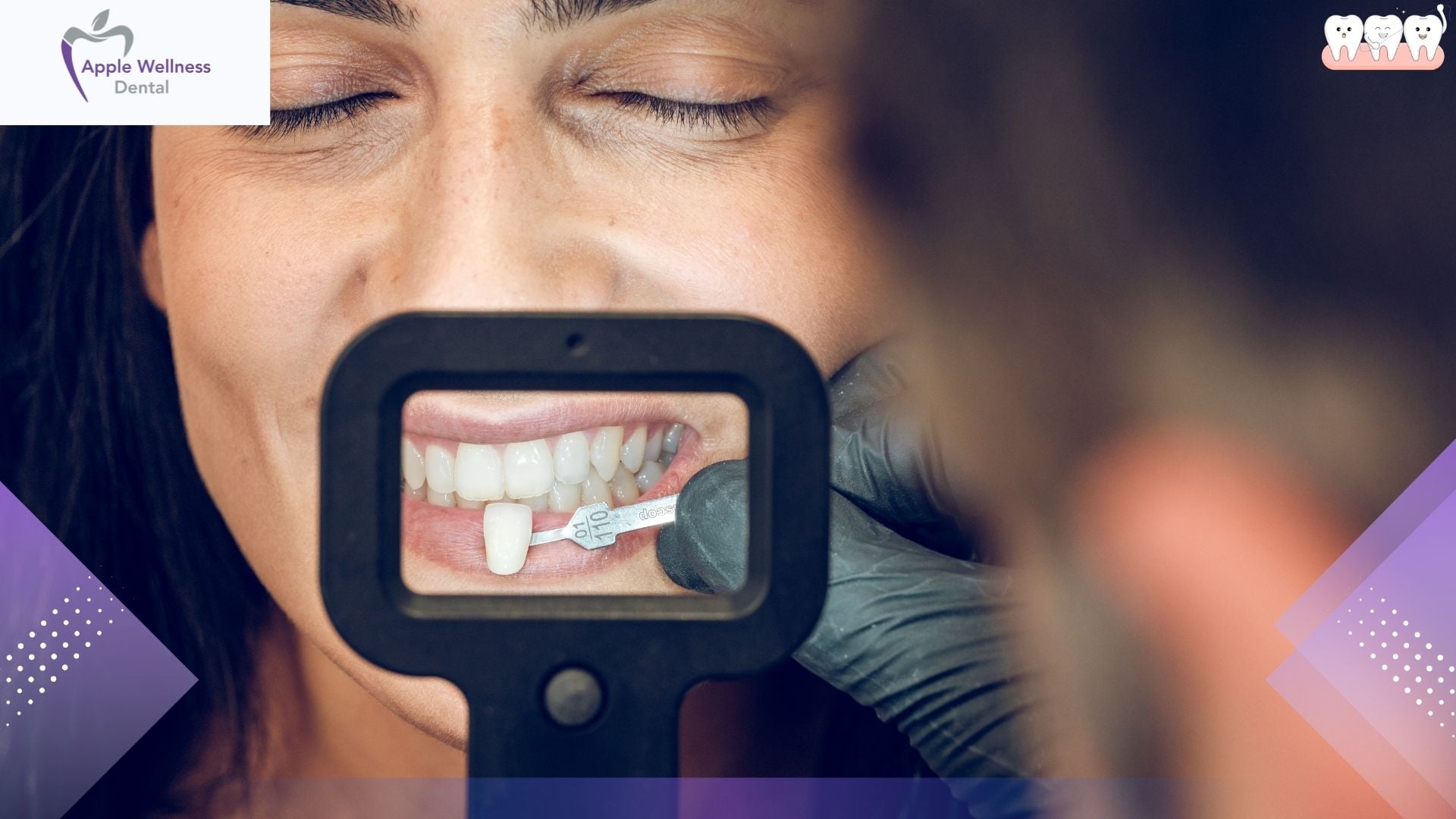
Understanding the different veneer types helps clarify why prices vary so substantially and allows you to make an informed comparison based on your priorities rather than just your budget.
Porcelain Veneers
Traditional porcelain veneers are the gold standard of cosmetic smile transformation. Each veneer is a thin ceramic shell — typically between 0.5 and 1 millimetre thick — that is custom fabricated in a dental laboratory to match the desired shape, size, and shade of your tooth. The process requires at least two clinical appointments: one for tooth preparation and impression taking, and another for bonding the finished veneer to the tooth surface. A small amount of enamel must be removed from the front of the tooth to create space for the veneer and allow it to sit flush with surrounding teeth — this makes porcelain veneers an irreversible procedure.
The longevity of porcelain veneers is one of their strongest arguments for value. With proper care, they typically last 10 to 15 years before replacement is needed, and many patients report their veneers holding up well for 20 years or longer. Porcelain is highly resistant to staining — coffee, tea, and red wine do not discolor the ceramic surface the way they affect natural enamel or composite resin. The combination of durability, stain resistance, and natural aesthetics makes porcelain veneers a long-term investment rather than a short-term fix. Our overview of porcelain in dental applications covers the material properties that make it the preferred choice for cosmetic restorations.
Composite Veneers
Composite veneers use the same tooth-colored resin material as dental bonding, applied and sculpted directly onto the tooth surface by the dentist during a single appointment. No laboratory fabrication is involved, which is one of the primary reasons composite veneers are significantly less expensive. The dentist layers, shapes, and polishes the resin by hand to achieve the desired appearance, and most cases can be completed in one visit without the wait time associated with laboratory fabrication.
The tradeoff is longevity and aesthetic quality. Composite resin is more porous than porcelain and absorbs pigments from food and beverages over time, meaning composite veneers typically require polishing or replacement every 5 to 7 years. They are also more susceptible to chipping and surface wear than porcelain. That said, composite veneers are a genuinely effective cosmetic option for patients with mild to moderate aesthetic concerns who prefer a lower upfront cost or want a reversible treatment option — since little to no enamel removal is required in many composite veneer cases.
No-Prep and Ultra-Thin Veneers
No-prep and ultra-thin porcelain veneers are a category between traditional porcelain and composite options. These veneers are fabricated to an exceptionally thin profile — as thin as 0.2 to 0.3 millimetres — which reduces or eliminates the need for tooth enamel removal before placement. They are more expensive than standard composite veneers and often comparable in price to traditional porcelain, typically ranging from $800 to $2,000 per tooth in the Canadian market. Their suitability is case-dependent — not every patient’s tooth anatomy accommodates ultra-thin veneers without looking bulky at the gumline.
What Factors Make Veneers More or Less Expensive
Several variables affect where a specific patient’s veneer cost will fall within the broad price ranges outlined above. Understanding these factors helps you interpret quotes from different dental practices and ask the right questions when comparing treatment options.
Number of Teeth Treated
The total number of veneers in your treatment plan is the single largest cost driver. Most cosmetic cases cover between four and eight teeth — the front teeth that are most visible when smiling. Some patients opt for ten to twelve veneers to include the premolars that show during a wide smile. Each additional veneer adds directly to the total cost, which is why asking for a per-tooth price and a total treatment estimate gives you a clearer financial picture than a single quoted figure.
Material and Laboratory Quality
The ceramic material used and the laboratory that fabricates it have a major impact on both the price and the final aesthetic outcome. High-end dental laboratories staffed by experienced ceramists charge significantly more than basic fabrication labs, and this cost is passed through to the patient. The best laboratories use premium porcelain formulations that have outstanding optical properties — the way light passes through the ceramic mimics the appearance of natural tooth enamel at a level that lower-cost materials cannot replicate.
Dentist’s Training and Cosmetic Specialization
Cosmetic dentistry is a skill that goes well beyond routine dental training. Dentists who have invested in advanced cosmetic education, digital smile design technology, and extensive veneer experience typically charge more for their services — and that premium is generally justified by the quality and predictability of the results. A well-planned veneer case involves careful analysis of facial proportions, tooth shape and size ratios, gum architecture, and bite function. Cutting corners on this planning stage, regardless of material quality, can produce results that look artificial or create functional problems down the line.
Geographic Location
Overhead costs for dental practices vary considerably across Canadian cities and regions. Practices in Calgary, Vancouver, and Toronto typically have higher operating costs than rural or smaller urban markets, and these costs influence pricing. This does not mean you should drive several hours for a lower price — the relationship with your dental provider, their ability to handle follow-up care, and their familiarity with your specific case are all factors that carry real clinical value and should weigh into any geographic comparison.
Number of Appointments and Supporting Treatments
Some veneer cases require preparatory work before placement can begin. This might include gum contouring to create a more symmetrical gumline, tooth whitening of adjacent teeth to match the desired veneer shade, or orthodontic alignment to improve spacing before veneers are placed. These supporting treatments add to the overall investment but often significantly improve the final result. Patients who receive a total treatment cost quote that includes preparatory steps are getting a more accurate picture of their investment than those who only receive the per-veneer cost in isolation.
Are Veneers Worth the Cost: The Long-Term Value Argument
The question of whether veneers are expensive is ultimately inseparable from the question of what you receive for that cost. A single porcelain veneer priced at $1,500 that lasts 15 years represents a cost of $100 per year — or roughly $8 per month. Over that period, it delivers a smile that photographs well, resists staining, holds up to normal daily wear, and functions without ongoing maintenance costs beyond routine dental cleaning.
Comparing this to repeated cycles of teeth whitening, dental bonding repairs, or other short-term cosmetic interventions shifts the value equation considerably. Patients who invest in quality porcelain veneers and care for them properly frequently find that the total cost over a decade or more compares favorably to the accumulated spend of multiple shorter-lasting alternatives. This does not make veneers the right choice for every patient — but it does challenge the assumption that a high upfront cost automatically means poor value. Our article on whether veneers are worth the investment explores this long-term value calculation in greater depth.
Veneers vs. Other Cosmetic Treatments
Patients exploring cosmetic dentistry often compare veneers against other options: teeth whitening, dental bonding, and orthodontic treatment. Each serves a different purpose and comes at a different price point. Teeth whitening addresses discoloration only and typically costs $200 to $600 for professional in-office treatment. Dental bonding addresses chips, minor gaps, and small shape corrections using composite resin at $150 to $400 per tooth — but requires ongoing maintenance and has a shorter lifespan than veneers. Orthodontics addresses alignment but does not change tooth shape, size, or color. Veneers are the only treatment option that can simultaneously address color, shape, size, minor spacing issues, and surface texture in a single coordinated treatment plan — which explains both their price and their popularity for comprehensive smile transformations. Exploring the difference between dental bonding and veneers gives you a useful comparison point if you’re weighing these two options.
Does Dental Insurance Cover Veneers
Veneers are classified as a cosmetic dental procedure in virtually all Canadian dental benefit plans, which means they are not typically covered by insurance. Coverage under dental plans is generally limited to treatments that are medically necessary — procedures that address decay, infection, structural damage, or functional impairment. Cosmetic improvements to a tooth’s appearance, even when they involve permanent bonding to the tooth surface, fall outside this definition.
There are narrow exceptions. If a veneer is being placed to restore a tooth that was damaged in an accident or as part of medically necessary reconstructive work, some insurance plans may provide partial coverage. These cases are evaluated individually and require documentation of the functional or reconstructive necessity. For most patients pursuing veneers purely for cosmetic improvement, the full cost is an out-of-pocket expense. Planning for this reality in advance — and asking your dental practice about payment plan options — is a practical step that makes the investment more manageable. Our guide to preserving your dental veneers provides guidance on protecting your investment once veneers are in place.
Making Veneers More Financially Accessible
The upfront cost of a full veneer treatment is significant for most patients, but several avenues exist for making the investment more manageable without compromising on the quality of care.
In-House Payment Plans
Many dental practices offer the ability to pay for cosmetic treatment in installments over a period of three to twelve months, often without interest for shorter terms. These plans allow patients to begin treatment immediately while spreading the cost over time. Confirming whether a practice offers payment flexibility is a reasonable question to raise during your consultation — it is a standard part of cosmetic dental care and should not feel awkward to ask.
Starting With Fewer Teeth
Not every patient needs a full set of veneers to achieve their goals. Some patients have concerns limited to two or four highly visible front teeth. Beginning with a smaller number of veneers reduces the immediate cost while still delivering meaningful cosmetic improvement. A skilled cosmetic dentist will be able to match the shade and shape of new veneers to your existing teeth closely enough that a partial treatment can look cohesive and natural rather than mismatched.
Composite as a Starting Point
For patients who want to see cosmetic improvement now but are not yet ready to invest in porcelain, composite veneers offer a lower-cost entry point. They can deliver genuine aesthetic improvements with the understanding that they will require maintenance or replacement within five to seven years. Some patients use composite veneers as a way to refine their preferences — shade, shape, and proportions — before committing to a permanent porcelain treatment later.
Talk to Our Team About Your Smile Goals
The most accurate answer to whether veneers are expensive for your specific situation comes from a consultation with a cosmetic dental professional who can assess your teeth, understand your goals, and provide a treatment-specific cost estimate. At Apple Wellness Dental, we take a thorough approach to every cosmetic consultation — examining your existing tooth structure, discussing what you want to achieve, and presenting honest options at different investment levels so you can make a fully informed decision. We’re located at 229 1st Street SW, Airdrie, AB, and you can reach us at +1 587 332 6767. Whether you’re ready to begin treatment or still gathering information, our team is available to walk you through the process without pressure and with complete transparency about what your investment will deliver.
Common Questions About Are Veneers Expensive
Q: How much do veneers cost per tooth in Canada?
A: In Canada, porcelain veneers generally cost between $900 and $2,500 per tooth, depending on location, the practice, and the laboratory used for fabrication. Composite veneers are less expensive, typically ranging from $300 to $1,500 per tooth. Practices in larger cities like Calgary, Toronto, or Vancouver tend to price at the mid-to-upper end of these ranges due to higher operating costs in those markets.
Q: Are porcelain veneers worth the higher cost compared to composite?
A: For most patients seeking a long-term cosmetic solution, yes. Porcelain veneers last 10 to 15 years or more, resist staining, and produce a more lifelike aesthetic than composite. Composite veneers last 5 to 7 years before needing repair or replacement and are more susceptible to discoloration over time. When calculated over a decade, the cost difference between the two materials is often smaller than it initially appears, particularly when composite repair and replacement costs are factored in.
Q: Does dental insurance cover veneers in Canada?
A: In most cases, no. Veneers are classified as a cosmetic procedure by dental benefit plans, which limits coverage to medically necessary treatments. Exceptions may apply if a veneer is part of reconstructive dental work following trauma or medically necessary restoration, and these cases require documentation and individual review. For the majority of cosmetic veneer treatments, the full cost is the patient’s responsibility.
Q: How many veneers do most people get?
A: Most patients who pursue cosmetic veneers treat between four and eight teeth — specifically the upper front teeth that are most visible during smiling and speaking. Some patients extend treatment to ten or twelve teeth to include the premolars that appear during a broad smile. The number of teeth treated directly determines the total investment and should be discussed during the consultation alongside the goals you want to achieve.
Q: Can I get veneers on just a few teeth to save money?
A: Yes. Treating only the specific teeth you are unhappy with rather than a full set is a common and practical approach. A skilled cosmetic dentist will match the shade and shape of new veneers closely to your existing teeth so that the result looks cohesive. Starting with a smaller number of veneers allows you to achieve meaningful cosmetic improvement at a lower initial cost, with the option to expand the treatment later if desired.
Q: How long do veneers last for the money spent?
A: Porcelain veneers typically last 10 to 15 years with proper care, and many patients report their veneers performing well for 20 years or more. Composite veneers generally require replacement or significant repair within 5 to 7 years. Factors that extend veneer lifespan include avoiding nail-biting, not using teeth as tools, wearing a night guard if you grind your teeth, and maintaining regular professional dental cleanings to monitor the integrity of the veneer margins.
Q: What is the difference between dental veneers and dental bonding in terms of cost?
A: Dental bonding is considerably less expensive than veneers, typically ranging from $150 to $400 per tooth. It uses the same composite resin material as composite veneers but is generally applied to individual teeth addressing specific concerns like chips, small gaps, or minor discoloration rather than as a whole-smile cosmetic transformation. Bonding lasts 3 to 7 years before touch-ups are needed and is a good option for targeted corrections, while veneers are better suited for comprehensive aesthetic improvements across multiple teeth.
Q: Are there financing options for veneers?
A: Many dental practices offer payment plans that allow patients to spread the cost of veneer treatment over several months, often with no interest for shorter repayment terms. This makes the total investment more manageable by removing the requirement to pay the full amount upfront before treatment begins. Asking about payment flexibility during your initial consultation is completely standard practice in cosmetic dentistry and a practical step for any patient planning a meaningful investment.
Q: What makes some veneers look fake or unnatural?
A: Several factors contribute to an unnatural veneer appearance: using lower-grade porcelain that lacks the optical translucency of natural tooth enamel, selecting a shade that is too bright or uniform, creating tooth shapes that don’t align with the patient’s facial proportions, and insufficient attention to the gum architecture surrounding the veneer. Premium materials, an experienced cosmetic dentist, and a well-planned design process that accounts for the patient’s individual facial features are the primary safeguards against this outcome.
Q: Is the consultation for veneers free?
A: Consultation policies vary between practices. Some dental clinics offer complimentary consultations for cosmetic procedures as part of their patient intake process, while others charge a fee that may be applied toward the treatment cost if you proceed. When calling to book, asking about the consultation structure and any associated cost is a reasonable step. A thorough cosmetic consultation should include a clinical examination, discussion of your goals, digital imaging where available, and a detailed treatment plan with itemized pricing.
Conclusion
Veneers are expensive — there’s no avoiding that reality. But the more complete picture shows that what you pay for is a treatment that delivers lasting, natural-looking cosmetic results with a lifespan measured in decades rather than years. Whether porcelain or composite, a full smile transformation or a targeted correction of two or three teeth, veneers remain one of the most effective tools in cosmetic dentistry for patients who want meaningful, durable improvement. The investment is a serious one, and it deserves serious evaluation — of the material options, the provider’s skills, the long-term maintenance requirements, and what the final result will actually look like.
If you’ve been wondering whether veneers are expensive in the context of your own smile goals and budget, the best next step is a direct conversation with a dental professional who can give you a case-specific answer. At Apple Wellness Dental in Airdrie, we’re here to help you understand exactly what veneers involve, what they cost for your specific needs, and whether they are the right path forward for the smile you’re looking for.