
Navigating Your Recovery: The Complete 2026 Guide to Drinking Soda and Carbonation After Wisdom Teeth Removal
When can I drink carbonation after wisdom tooth extraction? The definitive answer is that you must wait a minimum of 48 to 72 hours, though waiting 5 to 7 days is highly recommended for optimal safety. Consuming carbonated beverages too early can dislodge the fragile blood clot forming in the extraction site, leading to a severely painful condition known as dry socket. During the initial three days of your recovery, strict adherence to flat, non-acidic liquids is essential to ensure your gums heal without complications.
Key Takeaways
- Minimum Wait Time: Wait at least 72 hours before attempting to drink sodas or sparkling water.
- Optimal Safety: Holding off for 5 to 7 days drastically reduces the risk of post-operative complications.
- The Danger of Bubbles: Carbonation bubbles can physically pop and dislodge the protective blood clot in your socket.
- Acidic Threats: The low pH in sodas can irritate the newly forming granulation tissue and delay healing.
- Never Use a Straw: Even after 72 hours, never consume beverages through a straw, as negative pressure is a primary cause of dry socket.
The Physiology of Dental Surgery Recovery in 2026
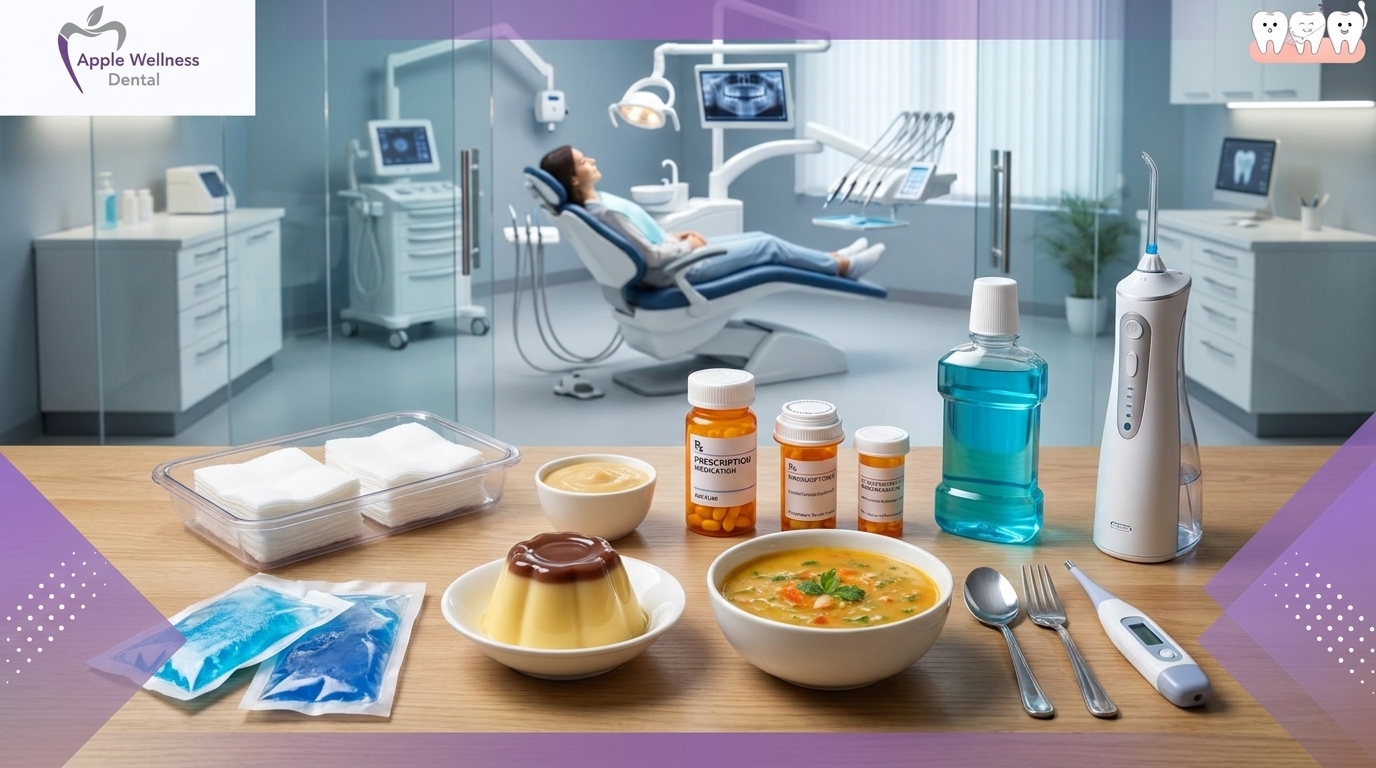
To fully understand why carbonated drinks pose such a threat to your mouth after surgery, it is crucial to understand how your body heals. When a wisdom tooth is extracted, it leaves behind a deep void in the jawbone and gum tissue. Immediately following the procedure, the body initiates a process called hemostasis.
During hemostasis, a blood clot begins to form inside the empty socket. This blood clot is the hero of your recovery journey. It acts as a biological bandage, protecting the underlying bone and delicate nerve endings from exposure to air, food debris, and bacteria. Over the next several days, this clot serves as the foundational scaffolding upon which new soft tissue and bone will eventually grow.
As noted by the American Association of Oral and Maxillofacial Surgeons (AAOMS):
“Maintaining the integrity of the blood clot is the single most important factor in the initial stages of post-extraction wound healing.”
If this clot is disrupted, lost, or dissolves prematurely, the resulting condition is known as alveolar osteitis—commonly referred to as dry socket.
The Hidden Dangers of Carbonation Post-Surgery
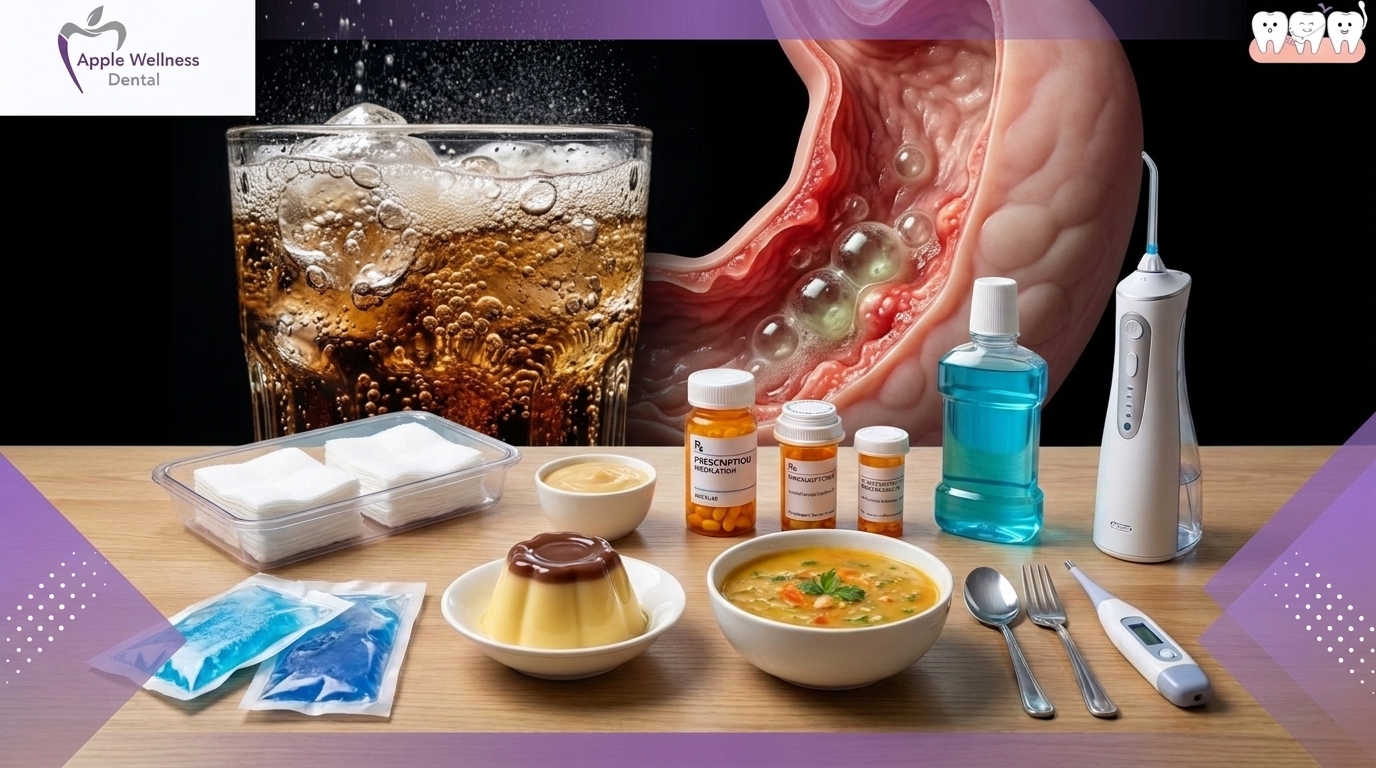
Fizzy drinks, whether it is your favorite cola, sparkling mineral water, or a craft beer, contain dissolved carbon dioxide gas. While this gas provides a pleasant, refreshing tingle on a normal day, it becomes a mechanical hazard following oral surgery.
First, the physical action of the bubbles popping inside the oral cavity creates micro-bursts of pressure. When these tiny bubbles enter the extraction site and pop against the blood clot, the sheer mechanical force can be enough to dislodge the clot from the socket walls. Because the clot is incredibly fragile during the first 48 to 72 hours, any physical disturbance is highly dangerous.
Second, carbonated beverages are inherently acidic. Most popular sodas feature a pH level between 2.5 and 3.5. This high acidity can irritate the raw, exposed tissues of your gums, triggering unnecessary inflammation and slowing down the cellular repair process. The acidic environment can also disrupt the fibrin network holding the blood clot together.
Alveolar Osteitis: Understanding the Threat of Dry Socket
Why do dental professionals place so much emphasis on avoiding carbonation and straws? The answer lies in the severity of dry socket. According to medical data provided by institutions like the Mayo Clinic, dry socket occurs in approximately 2% to 5% of all tooth extractions. However, when it comes to the removal of impacted lower wisdom teeth, that risk skyrockets to nearly 20%.
If you drink carbonation too early and dislodge the clot, you expose the raw bone and nerves to the oral environment. The symptoms of a dry socket typically manifest 2 to 4 days post-surgery and include:
- Intense, throbbing pain that radiates to your ear, eye, temple, or neck on the same side as the extraction.
- Visible empty space in the socket where the dark blood clot should be, sometimes revealing white bone.
- A highly unpleasant, persistent bad breath or a foul taste in your mouth.
- Pain that over-the-counter analgesics fail to relieve.
Treating dry socket requires an emergency visit to your oral surgeon, where they will clean the socket and pack it with a medicated dressing. To avoid this agonizing setback, strictly following dietary timelines is paramount.
The Official Timeline for Reintroducing Beverages
Modern dental recovery protocols for 2026 suggest a phased approach to reintroducing foods and beverages. To take the guesswork out of your recovery, follow this structured timeline.
| Recovery Phase | Beverage Status | Clinical Reasoning |
|---|---|---|
| Days 1-2 (0-48 hours) | Strictly Flat, Cool Liquids | The clot is extremely fragile. Carbonation, heat, and suction will almost certainly dislodge it. Stick to water and milk. |
| Days 3-4 (48-96 hours) | Caution Required (No Soda) | Granulation tissue begins forming, but the clot is still vulnerable. Juices (non-acidic) and broths are acceptable. |
| Days 5-6 | Soft Reintroduction | If healing is progressing well without pain, light carbonation (like diluted sparkling water) may be tested carefully. |
| Day 7 and Beyond | Full Clearance | The extraction site is generally secure enough to withstand the mechanical pressure of carbonation. |
Why Straws Are More Dangerous Than the Drink Itself
It is a common misconception that drinking soda through a straw will bypass the extraction sites and protect the healing gums. In reality, utilizing a straw is one of the most dangerous actions you can take during recovery.
Drinking through a straw requires your mouth to create negative intraoral pressure (suction). This suction force acts exactly like a vacuum inside your oral cavity. Even if the liquid physically bypasses the surgical site, the vacuum force will rip the blood clot entirely out of the socket. According to the American Dental Association (ADA):
“Patients must strictly avoid using straws for at least 72 hours, as the suction can easily dislodge the blood clot and lead to dry socket.”
Therefore, when you finally do reach the point where you can enjoy carbonated drinks again, you must consume them directly from the rim of a glass or a can. Do not combine the risk of carbonation with the extreme hazard of a straw.
Evaluating Different Types of Carbonated Drinks
Once you pass the critical 72-hour mark, you might wonder if certain fizzy drinks are safer than others. The answer depends largely on their acidity and sugar content.
Sparkling Water and Seltzers: While these contain no sugar, they are still carbonated and mildly acidic. They are generally the safest first step back into the world of carbonation once the 5 to 7-day mark has passed. If you want to be extra cautious, you can let the sparkling water sit open for a few minutes so some of the effervescence dissipates.
Traditional Sodas: Colas and citrus sodas represent a double threat. They contain high levels of carbonation and high levels of refined sugars. Sugar can encourage bacterial growth in the mouth, which is undesirable when you have open surgical wounds. The extreme acidity (often utilizing phosphoric acid or citric acid) can also cause a stinging sensation on the healing gum tissue.
Beer and Kombucha: Aside from the carbonation, alcohol acts as a blood thinner and can delay healing, while kombucha introduces active bacterial cultures. As stated by research indexed at the National Institutes of Health (NIH), alcohol consumption should be strictly avoided while taking post-operative pain medications and until initial wound closure is achieved.
Actionable Tips for Your First Carbonated Drink After Surgery
When the 7-day milestone arrives and you are ready to enjoy your first fizzy beverage, follow these step-by-step best practices to ensure absolute safety:
- Sip, Don’t Swish: Take small, gentle sips. Do not swish the liquid around in your mouth, as this creates localized pressure against the extraction sites.
- Avoid Ice-Cold Temperatures: Extreme cold can sometimes cause sensitivity in the neighboring teeth and healing tissues. Opt for a cool or room-temperature beverage for your first trial.
- Rinse with Water Afterward: Because sodas are high in sugar and acid, rinse your mouth gently with plain, flat water immediately after finishing your drink. This neutralizes the oral pH and flushes away sugars without aggressive brushing.
- Listen to Your Body: If you feel a dull ache, stinging, or any discomfort when drinking, stop immediately. Your body is telling you that the tissue is not quite ready yet. Give it another 24 to 48 hours.
Warning Signs: When to Contact Your Dental Professional
Even with meticulous care, complications can occasionally arise. Healing rates vary wildly from person to person based on age, immune function, and the complexity of the extraction.
You should immediately reach out to your oral surgeon or dentist if you experience any of the following symptoms, regardless of whether you have consumed carbonation:
- Bleeding that remains heavy after the first 24 hours or restarts abruptly.
- Pain that dramatically worsens after day 3 or 4, rather than gradually subsiding.
- Swelling that continues to increase after the 72-hour mark.
- A fever, chills, or difficulty swallowing and breathing, which may indicate a severe infection.
Swift professional intervention is always preferable to hoping a complication will resolve on its own. It is always better to be overly cautious when dealing with surgical recovery.
Frequently Asked Questions
Can one sip of soda cause a dry socket?
While a single tiny sip is unlikely to generate enough mechanical force to dislodge a healthy blood clot, the risk is still present. The carbonation bubbles and the suction created when taking a sip can unpredictably disrupt the fragile healing environment during the first 72 hours.
What is the absolute earliest I can drink Sprite or ginger ale?
Many patients want ginger ale for nausea, but you must wait at least 72 hours. If you need ginger for an upset stomach before then, opt for a flat ginger tea served lukewarm, avoiding carbonation entirely.
Does it help if I let the soda go flat first?
Yes. If you allow a soda to go entirely flat by leaving it open until all the carbon dioxide escapes, it eliminates the mechanical risk of the bubbles. However, the high acidity and sugar content still remain, which can irritate the healing wound.
How do I know if my socket is fully healed enough for carbonation?
If you have passed the 7-day mark, are no longer taking pain medications, have no swelling, and feel no throbbing pain in the jaw, your socket has likely formed strong enough granulation tissue to withstand normal carbonated drinks.
Is it safe to drink energy drinks after wisdom tooth extraction?
Energy drinks are highly carbonated, acidic, and contain elevated levels of caffeine. Caffeine can elevate your blood pressure, potentially leading to increased bleeding at the surgical site. It is advised to wait at least 5 to 7 days before consuming energy drinks.
Why does my dentist suggest avoiding dairy immediately after extraction?
While milk is safe, some practitioners advise against heavy dairy consumption in the first 24 hours if you are prone to nausea from the anesthesia, as it can cause vomiting. Vomiting introduces harsh stomach acids to the mouth and forcefully ejects the blood clots.
Conclusion
Patience is the ultimate virtue when recovering from oral surgery. While it may be incredibly tempting to crack open a cold soda, adhering to the recommended timelines will save you from the excruciating pain of a dry socket. Wait a strict minimum of 72 hours, though aiming for the 5 to 7-day window will guarantee a much safer, smoother healing journey.
If you are experiencing any severe pain, suspect you might have dislodged your blood clot, or simply need personalized advice on your recovery timeline, do not hesitate to seek professional guidance. Contact us today to schedule a follow-up appointment and ensure your mouth is healing exactly as it should be.
References
- American Dental Association (ADA) – Post-Operative Oral Surgery Guidelines
- Mayo Clinic – Dry Socket Symptoms, Causes, and Statistics
- American Association of Oral and Maxillofacial Surgeons (AAOMS) – Wisdom Teeth Management
- National Institutes of Health (NIH) – Research on Wound Healing and Oral pH Levels