
The Complete 2026 Guide to Direct Dental Bonding: Everything You Need to Know
Wondering what is composite veneers and whether they are the right choice for transforming your smile? You are not alone. As minimally invasive cosmetic dentistry continues to advance in 2026, direct resin bonding has become one of the most highly sought-after treatments for correcting aesthetic imperfections. Composite veneers are thin layers of tooth-colored composite resin that are directly applied, sculpted, and hardened onto the front surfaces of your natural teeth. Unlike porcelain alternatives that require off-site laboratory fabrication, this procedure is typically completed in a single visit, offering an immediate, cost-effective, and highly conservative smile makeover.
Key Takeaways
- Minimally Invasive: The procedure requires little to no removal of natural tooth enamel (typically 0 to 0.5 millimeters).
- Cost-Effective: Generally priced between $250 and $1,500 per tooth, making them highly accessible compared to indirect restorations.
- Single-Visit Solution: Most treatments are completed in just one dental appointment using direct chairside application.
- Longevity: With proper maintenance, modern nanohybrid resins typically last between 5 to 7 years before requiring replacement or touch-ups.
- Easily Repairable: Unlike ceramic options, chipped resin can be quickly and seamlessly repaired directly in the mouth.
Understanding Composite Resin in Modern Dentistry
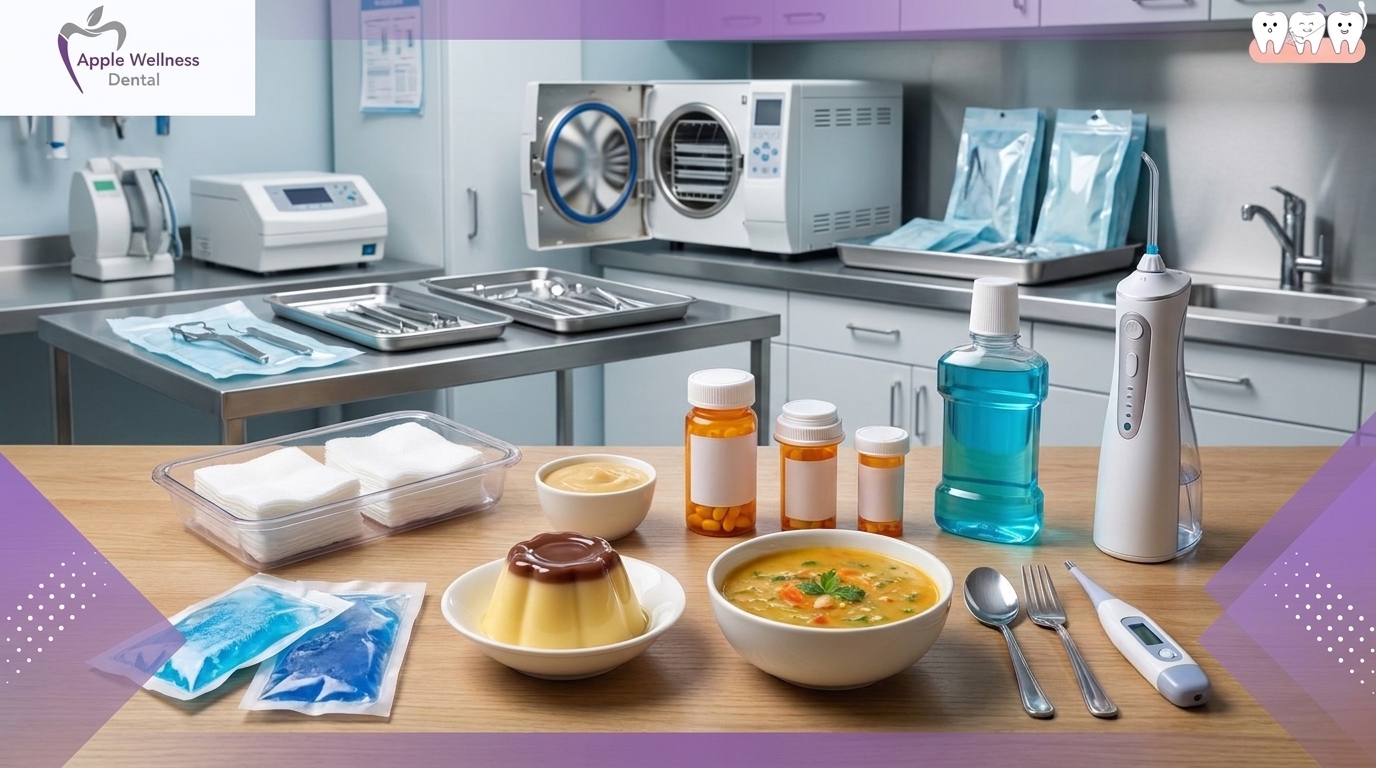
To fully grasp the mechanics of this treatment, it is essential to understand the material itself. Dental composite resin is a synthetic biomaterial consisting primarily of an organic polymer matrix—most commonly bisphenol A-glycidyl methacrylate (Bis-GMA)—and inorganic filler particles such as silica, quartz, or glass. The precise ratio of these components determines the material’s strength, polishability, and optical properties.
In 2026, the industry standard relies heavily on nanohybrid composites. These advanced formulations contain ultrafine filler particles, allowing the material to mimic the natural translucency and light-reflecting properties of human enamel. According to researchers at the National Institutes of Health (NIH) reporting in biomaterials literature, “The evolution of nanohybrid composites has significantly improved the wear resistance and polishability of direct restorations.”
The magic of the material lies in its curing process, known as photopolymerization. When exposed to a specialized blue curing light operating at a wavelength of 400 to 500 nanometers, a photoinitiator (usually camphorquinone) activates, causing the soft, putty-like resin to harden instantly. This allows the practitioner to take their time sculpting the perfect tooth shape before setting it permanently.
The Step-by-Step Procedure: How Are They Applied?
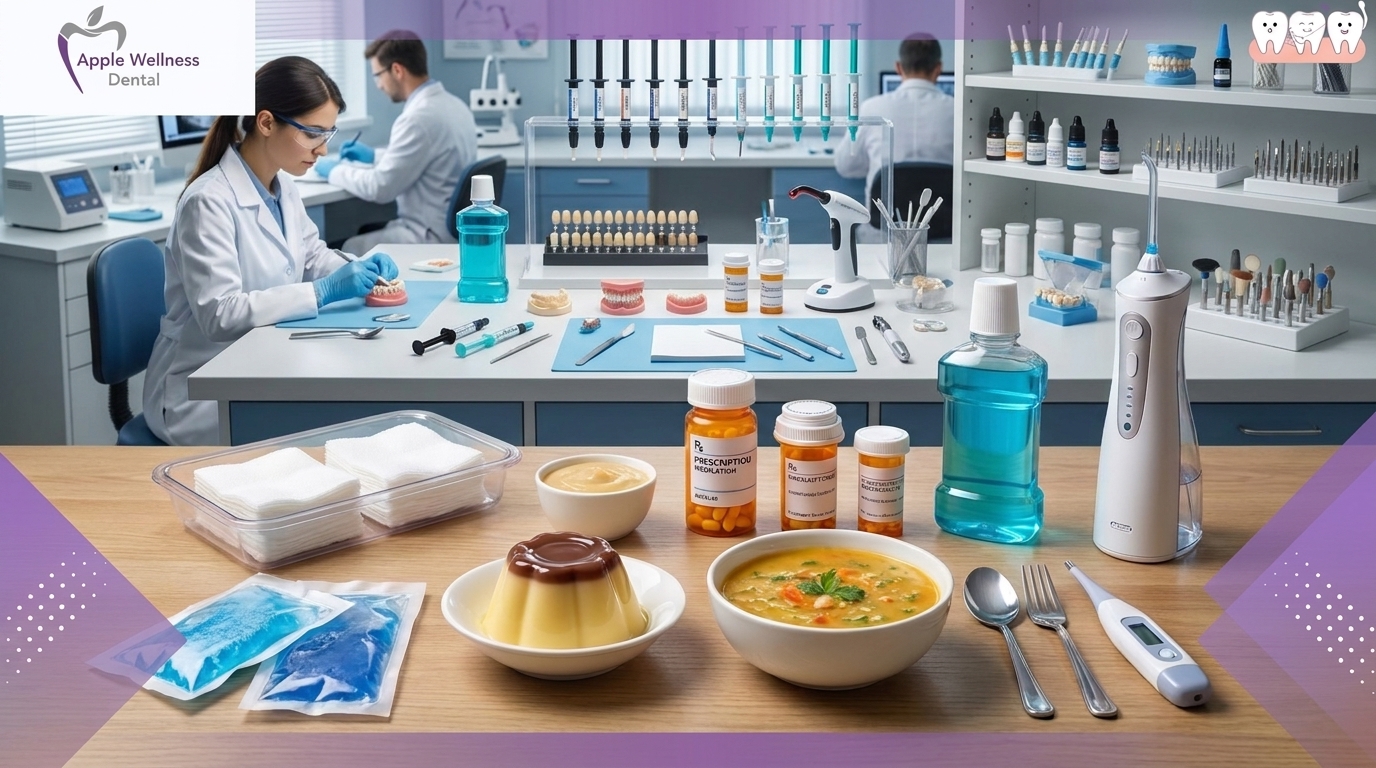
One of the primary advantages of direct resin bonding is the efficiency of the clinical workflow. The process is a seamless blend of science and art, typically completed in a single sitting without the need for temporary restorations.
- Initial Consultation and Smile Design: The process begins with a comprehensive examination. The clinician assesses your occlusion (bite), gum health, and aesthetic goals. In many modern clinics, digital smile design software is used to map out the final result before any physical work begins.
- Tooth Preparation: Because composite adheres via micro-mechanical retention, extensive drilling is rarely necessary. In most cases, only 0 to 0.5 millimeters of enamel is reduced to ensure the final tooth does not appear bulky. Many cases are entirely “prep-less.”
- Isolation and Etching: The teeth are isolated using a rubber dam or cheek retractors to keep the working area bone-dry. A 37% phosphoric acid etching gel is then applied to the enamel for 15 to 20 seconds. This creates microscopic porosities on the tooth surface, allowing the bonding agent to penetrate deeply.
- Application of the Bonding Agent: A dentin bonding agent is brushed over the etched enamel and cured with a specialized light. This liquid plastic acts as a dual-sided adhesive, locking onto the porous enamel on one side and the composite resin on the other.
- Layering and Sculpting: The practitioner applies the resin in thin, incremental layers. By using multiple shades—some opaque to simulate dentin, others translucent to simulate enamel—the clinician builds a three-dimensional, lifelike tooth structure.
- Photopolymerization: Each layer is individually hardened using the blue curing light. It is worth noting that composite resin shrinks by roughly 1% to 3% during this polymerization phase, which is why layering is crucial to minimize stress on the tooth.
- Finishing and Polishing: Once the final shape is established, the clinician uses a series of fine diamond burs, sandpaper discs, and polishing pastes to refine the margins, adjust the bite, and impart a high-gloss, natural shine.
Composite vs. Porcelain Veneers: A Detailed Comparison
When patients inquire about cosmetic enhancements, the most common dilemma is choosing between direct resin and indirect porcelain. Both options are highly effective, but they serve different clinical and financial needs. As stated by the American Dental Association (ADA), “Veneers are thin, custom-made shells crafted of tooth-colored materials designed to cover the front side of teeth.” However, the specific material chosen dictates the treatment experience.
| Feature | Composite Resin Veneers | Porcelain Veneers |
|---|---|---|
| Material Composition | Bis-GMA resin matrix with inorganic glass/silica fillers | Feldspathic ceramic or lithium disilicate (E.max) |
| Average Lifespan | 5 to 7 years | 10 to 15+ years |
| Enamel Removal | Minimal to none (0 to 0.5 mm) | Moderate (0.5 to 1.0 mm) |
| Treatment Time | 1 visit (Direct application) | 2 to 3 visits (Lab fabricated) |
| Stain Resistance | Moderate (Susceptible to coffee, tea, wine over time) | Excellent (Highly impervious to staining) |
| Repairability | Easily repaired chairside | Must be entirely replaced if fractured |
According to Dr. Brian LeSage, an accredited and widely cited member of the American Academy of Cosmetic Dentistry, “Direct composite veneering is one of the most technically demanding yet conservative procedures in aesthetic dentistry.” The success of the resin outcome is directly tied to the artistic skill of the individual practitioner.
Ideal Candidates for Composite Resin Veneers
While highly versatile, this procedure is not a universal cure-all. It is best suited for specific clinical scenarios where the underlying tooth structure is fundamentally healthy but aesthetically compromised. You may be an excellent candidate if you are looking to correct:
- Diastemas (Gaps): Resin is exceptionally effective at closing small to moderate spaces between teeth without requiring orthodontic intervention.
- Microdontia: Patients with genetically small teeth (such as “peg laterals”) can achieve normal proportions and a wider smile through composite bonding.
- Mild Malocclusion: Minor overlapping or slight crookedness can be visually corrected by bulking out specific areas of the tooth, creating the illusion of a perfectly straight arch.
- Chipped or Fractured Edges: Trauma that has resulted in jagged incisal edges can be seamlessly restored to its original contour.
- Intrinsic Discoloration: Stains that originate deep within the dentin (such as those caused by childhood tetracycline use or fluorosis) can be masked with highly opaque resin layers.
Conversely, patients with severe bruxism (chronic teeth grinding), significant bite alignment issues, or active periodontal disease are generally advised to pursue alternative treatments or address the underlying pathologies first. Data from the Centers for Disease Control and Prevention (CDC) indicates that nearly half of adults over 30 have some form of periodontal disease, making a thorough pre-operative assessment critical.
Longevity and Maintenance: Protecting Your Investment
How long do these restorations actually last? On average, a well-placed composite restoration will serve you beautifully for 5 to 7 years. However, this timeline is heavily dependent on oral hygiene habits, diet, and mechanical stress.
Unlike natural enamel or glazed porcelain, composite resin is somewhat porous. Over time, it can absorb pigments from dark foods and beverages. To maximize the lifespan of your smile makeover, dental professionals recommend adhering to the following maintenance protocols:
- Mind Your Diet: Limit the intake of highly pigmented consumables such as black coffee, red wine, turmeric, and dark berries. If you do consume them, rinse your mouth with water immediately afterward.
- Avoid Abrasive Toothpaste: Many commercially available “whitening” toothpastes contain harsh abrasives (like baking soda or silica) designed to scrub away surface stains. While effective on natural enamel, these abrasives will create micro-scratches in composite resin, dulling the polish and actually accelerating future staining. Opt for a gentle, non-abrasive gel toothpaste.
- Wear a Nightguard: If you clench or grind your teeth while sleeping, a custom acrylic occlusal guard is non-negotiable. The sheer force of bruxism can easily chip the thin edges of resin restorations.
- Routine Professional Polishing: Visit your hygienist every 6 months. They can use specialized polishing cups and fine pastes to remove superficial stains and restore the initial high-gloss shine of your restorations.
It is crucial to understand that traditional peroxide-based whitening treatments have zero effect on composite resin. If you intend to whiten your natural teeth, you must complete the whitening process a minimum of two weeks before your bonding procedure to ensure the resin is color-matched to your new, brighter shade.
Cost Considerations in 2026
The financial accessibility of direct bonding is one of its most compelling attributes. In 2026, the average cost ranges from $250 to $1,500 per tooth. This wide variance is influenced by several factors, including the geographic location of the practice, the complexity of the specific case, and the artistic reputation of the clinician.
Because these procedures are often categorized as “cosmetic” rather than “restorative,” many dental insurance plans do not provide coverage. However, if the bonding is performed to repair structural damage—such as a fracture resulting from an accident—insurance providers may cover a portion of the fee (typically up to 50%). Patients should always consult with their provider and their dental office’s billing coordinator prior to treatment.
Advantages and Disadvantages Summary
To summarize, the decision to undergo direct resin bonding involves weighing distinct pros and cons. According to Dr. Frank Spear, renowned prosthodontist and founder of Spear Education, “Composite allows clinicians to be as minimally invasive as possible while achieving highly aesthetic results.”
The Advantages:
- Preservation of natural tooth structure.
- Immediate results in a single appointment.
- Lower financial barrier to entry.
- Fully reversible in most cases (if no enamel was removed).
- Straightforward, seamless repairs.
The Disadvantages:
- Shorter lifespan compared to ceramics (5 to 7 years vs. 10 to 15+ years).
- Higher susceptibility to chipping under heavy bite forces.
- Tendency to accumulate surface stains over time.
- Results are highly dependent on the manual dexterity and artistic eye of the specific dentist.
Frequently Asked Questions (FAQ)
Do composite veneers ruin your natural teeth?
No, they do not ruin your natural teeth. In fact, this is one of the most conservative cosmetic dental procedures available, often requiring zero to 0.5 millimeters of enamel removal. The underlying tooth structure remains largely intact and healthy.
Can I whiten my teeth after getting them?
Traditional dental bleaching agents (hydrogen peroxide or carbamide peroxide) do not work on synthetic resin. If your natural teeth stain over time and you whiten them, the bonded teeth will remain their original shade, potentially leading to a color mismatch. Always whiten beforehand.
Is the procedure painful?
The procedure is typically completely painless. Because little to no enamel is removed and the inner nerve of the tooth is not disturbed, local anesthesia (numbing injections) is rarely required unless the bonding is being used to fill an active cavity.
Can I eat normally with them?
Yes, you can eat a normal diet. However, you should avoid using your bonded front teeth as tools (e.g., biting fingernails, opening packages, or tearing through tough, crusty breads), as the resin can chip under extreme localized pressure.
How do I know if they need to be replaced?
Signs that your restorations need replacement include significant marginal staining that cannot be polished away, noticeable chipping, rough textures that irritate your lips or tongue, or a dull, matte appearance that compromises your smile’s aesthetic.
Conclusion
Navigating cosmetic dentistry options can feel overwhelming, but understanding the mechanics, costs, and maintenance of direct resin bonding empowers you to make informed decisions about your oral health. This versatile treatment offers a brilliant, minimally invasive pathway to correcting aesthetic flaws, proving that an incredible smile makeover does not always require extensive drilling or exorbitant fees. By committing to excellent oral hygiene and regular professional maintenance, you can ensure your results remain vibrant for years to come. If you are ready to explore how this transformative procedure can benefit your unique smile, contact us today to schedule a comprehensive consultation with our clinical team.
References
- American Dental Association (ADA) – Cosmetic Dentistry Guidelines. https://www.ada.org
- National Institutes of Health (NIH) – Biomaterials and Nanohybrid Composites Research. https://www.nih.gov
- Centers for Disease Control and Prevention (CDC) – Adult Oral Health and Periodontal Statistics. https://www.cdc.gov
- World Health Organization (WHO) – Global Oral Health Status Report. https://www.who.int