
The Complete Post-Operative Guide to Drinking Coffee After Tooth Extraction
can i drink coffee 3 days after tooth extraction? Yes, in the vast majority of routine cases, it is entirely safe to resume drinking coffee 72 hours after your oral surgery, provided the beverage is lukewarm and you do not use a straw. By the third day of recovery, the blood clot in your extraction socket has typically stabilized enough to withstand the gentle consumption of mild liquids. However, the temperature of the coffee and the method of drinking are critical factors in preventing complications such as alveolar osteitis (dry socket). Understanding the physiological healing process of your mouth is essential for a smooth and painless recovery.
Key Takeaways: Resuming Coffee After Oral Surgery
- The 72-Hour Mark is Critical: By day 3, the fibrin blood clot is generally stable enough for you to consume non-irritating liquids like lukewarm coffee.
- Avoid Extreme Temperatures: Hot coffee can dissolve the blood clot, while ice-cold coffee might cause sensitivity. Aim for lukewarm or room temperature.
- Never Use a Straw: Sucking on a straw creates negative pressure that can instantly dislodge the healing clot.
- Monitor for Dry Socket: If you experience severe, radiating pain on day 3 or 4, stop drinking acidic beverages immediately and contact your dental professional.
- Consider Cold Brew: Cold brew coffee is naturally less acidic than hot-brewed coffee, making it gentler on raw oral tissues.
The Anatomy of Oral Surgery Healing: 0 to 72 Hours
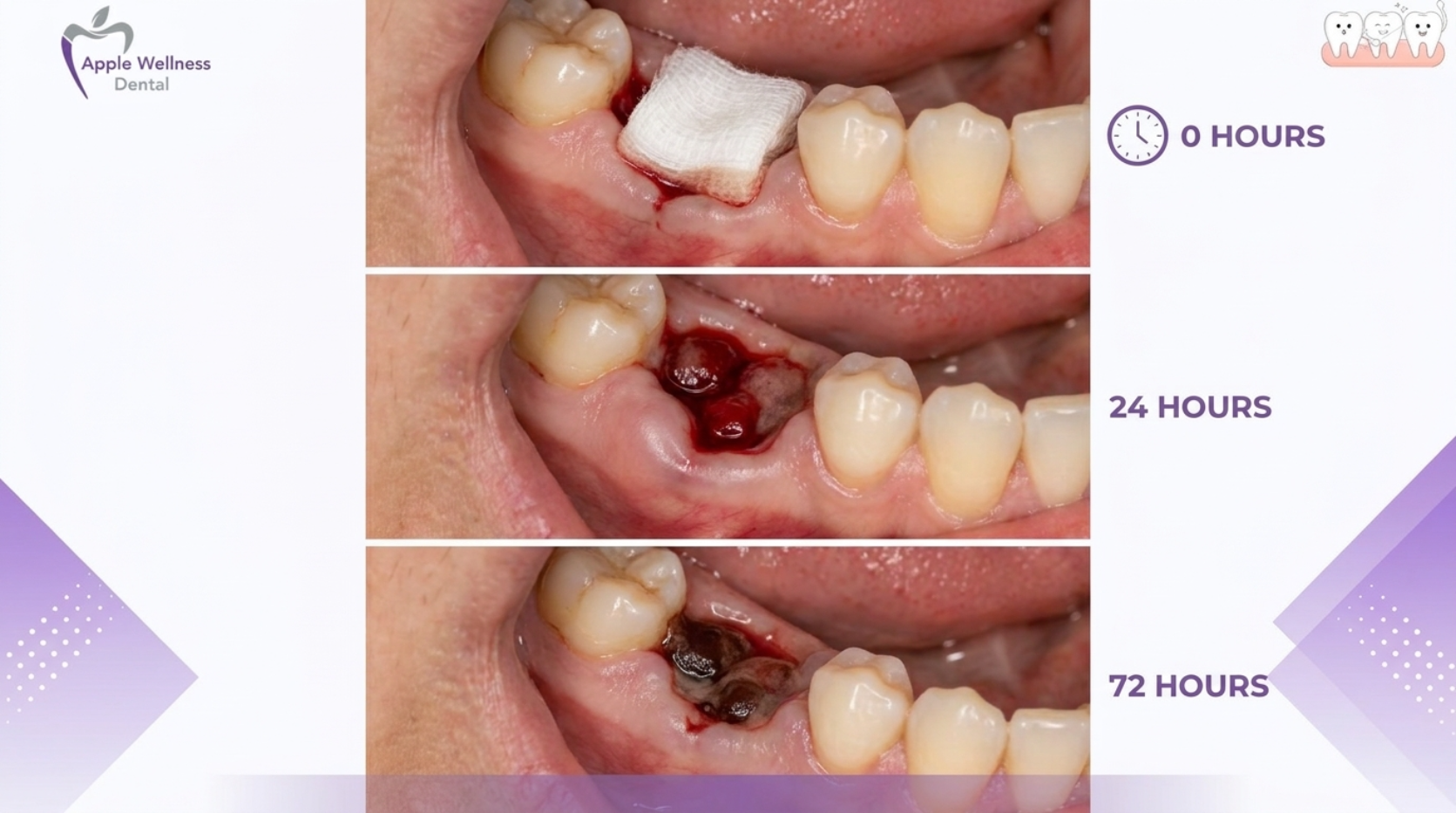
To understand why the 72-hour mark is widely considered the threshold for resuming normal dietary habits, we must examine the biology of wound healing in the oral cavity. Immediately after a tooth is removed, your body initiates a process called hemostasis—the stoppage of bleeding. Within the first 24 hours, a delicate fibrin blood clot forms in the empty socket. This clot serves as a protective scab, shielding the underlying bone and delicate nerve endings from exposure to air, food debris, and bacteria.
During the first 48 hours, this clot is highly fragile. Any disruption—whether thermal (heat), chemical (acidity), or mechanical (suction)—can cause it to dislodge. By day three, cellular structures known as osteoblasts (bone-forming cells) and fibroblasts begin organizing within the socket, gradually transforming the soft clot into more resilient granulation tissue. Because this tissue is far more stable than the initial clot, the risk of accidental dislodgement drops significantly by over 80% compared to the first 24 hours.
The Primary Risk: Alveolar Osteitis (Dry Socket)
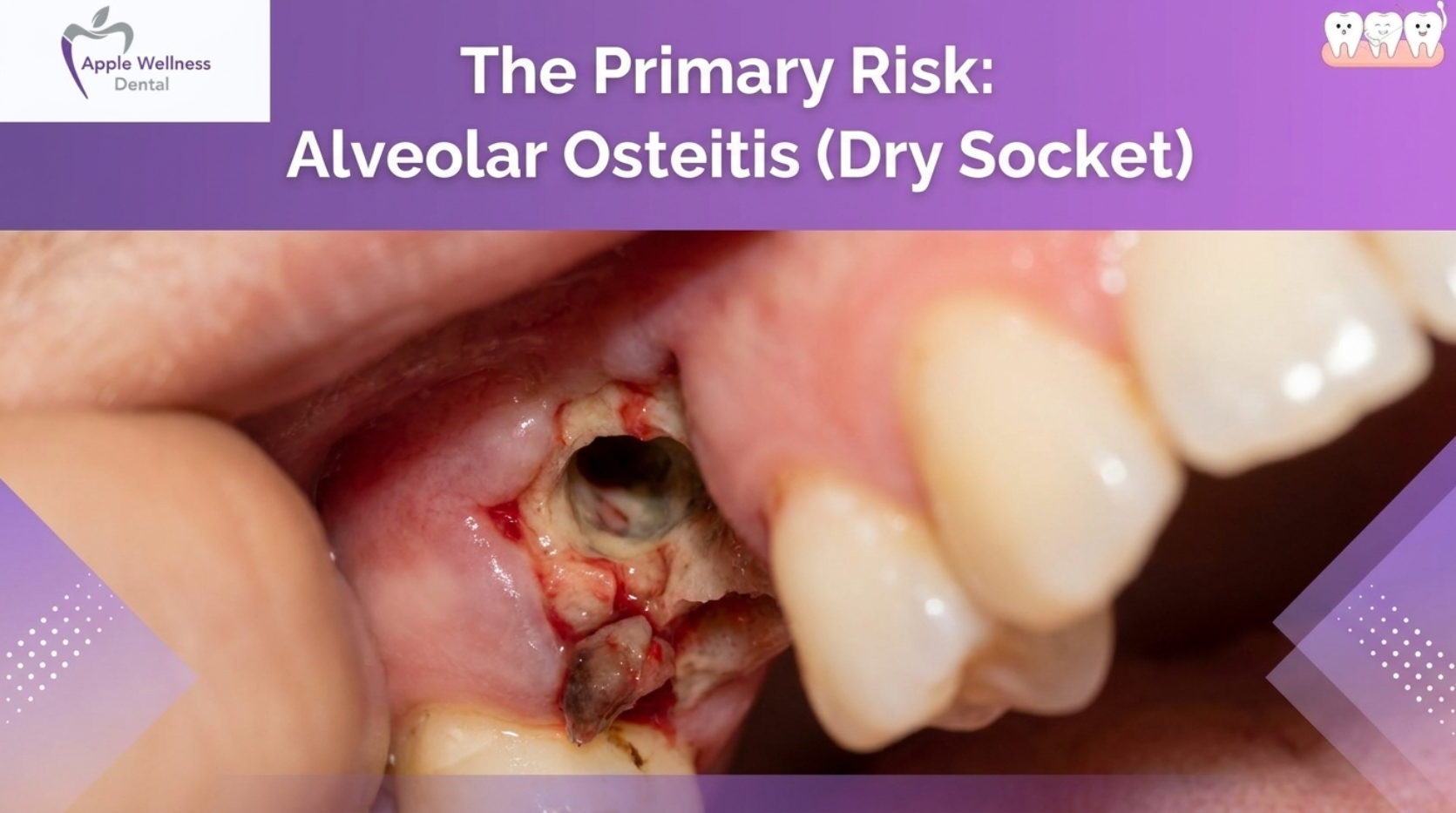
The main reason dental professionals strictly regulate your diet post-extraction is to prevent alveolar osteitis, commonly known as a dry socket. According to data verified by the American Association of Oral and Maxillofacial Surgeons (AAOMS), dry socket occurs in about 1% to 5% of routine tooth extractions. However, this risk skyrockets to nearly 30% for impacted mandibular third molar (lower wisdom tooth) extractions.
As Dr. Matthew Messina, a highly respected consumer advisor for the American Dental Association, explains:
“The body forms a blood clot in the socket to stop the bleeding and begin the healing process. If that clot is lost, it exposes the bone and nerve, leading to a painful condition known as dry socket.”
If you introduce hot coffee too early, the thermal energy can induce vasodilation (widening of the blood vessels) and dissolve the proteins holding the clot together, exposing the raw bone beneath.
How Coffee Affects the Healing Mouth
While coffee is a daily staple for millions, its chemical and physical properties pose unique challenges to oral wound healing. Before pouring your day-three cup, consider the following three factors:
1. Thermal Shock and Vasodilation
The normal resting temperature of the human mouth is approximately 37°C (98.6°F). Standard hot coffee is typically brewed and served between 70°C and 85°C (160°F to 185°F). Introducing a liquid of this temperature to a fresh surgical site can cause immediate thermal trauma to the healing tissues. Heat promotes increased blood flow, which can trigger secondary bleeding in a socket that has just achieved hemostasis.
2. The Effects of Caffeine on Blood Pressure
Caffeine is a central nervous system stimulant. Clinical studies published by the National Institutes of Health (NIH) indicate that consuming a standard cup of caffeinated coffee can temporarily elevate systemic blood pressure by 3 to 4 mm Hg. While this is negligible for a healthy individual going about their day, elevated blood pressure in the vascular bed of a fresh surgical wound can potentially lead to a throbbing sensation or minor oozing of blood, even on day three.
3. Acidity and Tissue Irritation
Coffee is naturally acidic. Standard black coffee has an acidic pH level ranging from 4.85 to 5.10. Acidic beverages can act as a mild chemical irritant to raw, exposed gingival (gum) tissue. If your extraction was particularly complex or required sutures, the acidity might cause a stinging sensation. Diluting your coffee with milk or opting for a less acidic brew method can mitigate this discomfort.
Step-by-Step: How to Safely Reintroduce Coffee on Day 3
If you have reached the 72-hour milestone and are eager for your morning caffeine fix, follow these strict procedural steps to ensure you do not compromise your recovery:
- Brew and Cool: Brew your coffee as usual, but allow it to sit at room temperature until it is entirely lukewarm. Test it on your wrist—it should feel neither hot nor freezing cold.
- Skip the Straw: This is a non-negotiable rule. Sucking on a straw generates up to 100 mmHg of negative intraoral pressure, which acts like a vacuum inside your mouth, easily ripping the clot from its socket.
- Dilute the Acidity: Consider adding milk, almond milk, or oat milk to neutralize the coffee’s natural pH, reducing the sting on your healing gums.
- Sip Slowly: Do not swish the liquid around your mouth. Take small, controlled sips and swallow carefully, keeping the beverage away from the specific extraction site.
- Hydrate Afterward: Coffee is a mild diuretic. Follow your cup of coffee with a glass of room-temperature water to rinse the acidic residues from your mouth and maintain systemic hydration.
Temperature Guidelines for Post-Extraction Beverages
To help you navigate your dietary choices during the crucial first week of recovery, we have compiled a beverage temperature safety matrix based on standard oral surgical guidelines.
| Post-Op Timeline | Recommended Beverage Temp | Coffee Status | Risk of Clot Dislodgement |
|---|---|---|---|
| 0 – 24 Hours | Cold to Cool | Strictly Avoid | Extremely High |
| 24 – 48 Hours | Cool to Room Temp | Avoid (or strictly cold/no straw) | High |
| 72 Hours (Day 3) | Room Temp to Lukewarm | Safe (Lukewarm only, no straw) | Low to Moderate |
| 5 – 7 Days | Warm | Safe (Warm) | Very Low |
| 7+ Days | Normal (Hot) | Fully Safe | Negligible (Tissue has closed) |
The Role of Straws: A Critical Post-Extraction Warning
It cannot be overstated: the method of consumption is often more dangerous than the beverage itself. According to clinical guidelines endorsed by Dr. Louis Rafetto, former president of the AAOMS:
“Maintaining the integrity of the blood clot is the single most important factor in the first 72 hours of healing following an extraction.”
Furthermore, Dr. Sally Cram, a practicing periodontist and spokesperson for the American Dental Association, advises patients clearly:
“You want to avoid anything that creates suction in the mouth, like using a straw, which can dislodge the blood clot.”
Many patients mistakenly believe that drinking iced coffee through a straw is a safe workaround to avoid hot temperatures. In reality, the negative pressure generated by the straw is one of the leading causes of preventable dry socket cases in the United States.
Alternatives: Cold Brew vs. Traditional Iced Coffee
If you are deciding what type of coffee to drink on day three, Cold Brew is widely considered the superior choice for post-extraction patients. Because cold brew coffee is extracted using time rather than heat, it contains up to 60% less titratable acid than traditional hot-brewed coffee that has been poured over ice. This lower acidity level is significantly gentler on regenerating oral tissues. Remember to request your cold brew without ice to eliminate the temptation to chew on the ice cubes, which could mechanically damage the healing surgical site.
Signs You Should Stop Drinking Coffee Immediately
Even if you have waited the full 72 hours, individual healing rates vary. In 2026, personalized medicine emphasizes that you must listen to your own body over general timelines. Over 10 million wisdom teeth are extracted annually in North America, and while most follow a standard recovery arc, complications can arise. Stop consuming coffee and revert to clear, cold liquids if you experience any of the following symptoms:
- Rebound Bleeding: A sudden return of bright red blood (minor pink tinged saliva is normal, but active bleeding is not).
- Radiating Pain: A severe, throbbing pain that extends to your ear or neck, which is a hallmark indicator of a dislodged clot.
- Increased Swelling: If facial swelling returns or worsens after subsiding on day two, it may indicate localized irritation or an impending infection.
- Foul Taste: An persistent bad taste or odor in the mouth could signify food particles trapped in the socket or early-stage bacterial accumulation.
Expert Tips for Faster Oral Surgery Recovery in 2026
While regulating your coffee intake is essential, comprehensive post-operative care requires a holistic approach. To accelerate your recovery beyond the 72-hour mark, continue eating soft foods such as yogurt, mashed potatoes, and scrambled eggs. Avoid hard, crunchy, or spicy foods for at least one full week. Maintain impeccable oral hygiene by gently brushing your remaining teeth, but avoid vigorous rinsing or spitting; instead, simply let water or prescribed chlorhexidine mouthwash fall freely from your mouth into the sink.
Additionally, abstain completely from smoking or using electronic vaping devices. The inhalation action mimics the negative pressure of a straw, while the chemical byproducts severely restrict blood oxygen levels, starving the surgical site of the nutrients required for cellular repair.
Frequently Asked Questions (FAQ)
Can I drink hot coffee 3 days after tooth extraction?
No, you should still avoid piping hot coffee on day three. While the clot is stable enough for lukewarm liquids, extreme heat can still induce vasodilation, increasing the risk of delayed bleeding or dissolving the healing tissues.
Can I use a straw if I am drinking iced coffee?
Absolutely not. You must avoid using straws for at least 7 to 10 days post-extraction. The suction creates a vacuum in your oral cavity that can instantly rip the protective blood clot out of the socket.
Does caffeine slow down the healing of a tooth extraction?
Moderate caffeine intake does not significantly impede wound healing in a healthy adult. However, because it can slightly elevate blood pressure, excessive consumption should be avoided in the first 48 hours to prevent oozing.
What happens if I accidentally drink coffee too soon?
If you consumed coffee within the first 24-48 hours and experience severe, throbbing pain, you may have developed a dry socket. Contact your dental provider immediately for a medicated dressing to relieve the pain.
Is it better to drink milk-based coffee or black coffee?
Milk-based coffee is generally preferred during the recovery period. Milk neutralizes the natural acidity of the coffee beans, making the beverage far less irritating to the exposed gingival tissues.
Conclusion
Recovering from a tooth extraction requires patience, particularly when it comes to reintroducing your favorite daily habits. So, can you drink coffee 3 days after tooth extraction? The consensus is a resounding yes, provided you adhere to the critical rules of temperature control and method of consumption. Stick to lukewarm or cold brew coffee, avoid straws at all costs, and pay close attention to the signals your body is sending. By protecting your blood clot during these first 72 hours, you set the foundation for a rapid, painless, and complication-free recovery.
If you are experiencing unusual pain, prolonged bleeding, or have specific questions about your post-operative dietary guidelines, do not hesitate to reach out to a professional. Contact our dental team today to schedule a follow-up appointment or to speak with an expert about your recovery plan.
References
- American Dental Association (ADA) – Patient Recovery Guidelines
- American Association of Oral and Maxillofacial Surgeons (AAOMS) – Wisdom Teeth Management
- National Institutes of Health (NIH) – Systemic Effects of Caffeine
- Centers for Disease Control and Prevention (CDC) – Oral Health Fundamentals
- Mayo Clinic – Dry Socket Symptoms and Causes