
The Ultimate 2026 Guide on Safely Brushing Your Teeth Post-Extraction
How to brush teeth after tooth extraction is a critical question for ensuring proper healing and avoiding painful complications like dry socket. For the first 24 hours following your oral surgery, you must strictly avoid brushing the teeth immediately adjacent to the extraction site, refrain from vigorous rinsing, and never spit forcefully. Instead, gently brush your other teeth using an ultra-soft-bristled brush and let water drool naturally out of your mouth to protect the fragile blood clot that is forming in the empty socket. Maintaining excellent oral hygiene is essential for preventing bacterial infection, but it requires temporary modifications to your standard daily routine to prioritize healing.
Key Takeaways
- First 24 Hours: Do not brush the extraction site, avoid spitting, and do not use commercial mouthwash.
- Blood Clot Preservation: The physical blood clot is vital for bone and tissue healing; suction from spitting can dislodge it.
- Gentle Rinsing: After 24 hours, use a warm saltwater solution to gently bathe the area without swishing vigorously.
- Tool Selection: Switch to a manual, ultra-soft surgical toothbrush to minimize accidental trauma to inflamed gums.
- Warning Signs: Radiating pain, a foul taste, or visible bone are signs of alveolar osteitis (dry socket) and require immediate clinical attention.
The First 24 Hours: The Most Critical Healing Phase
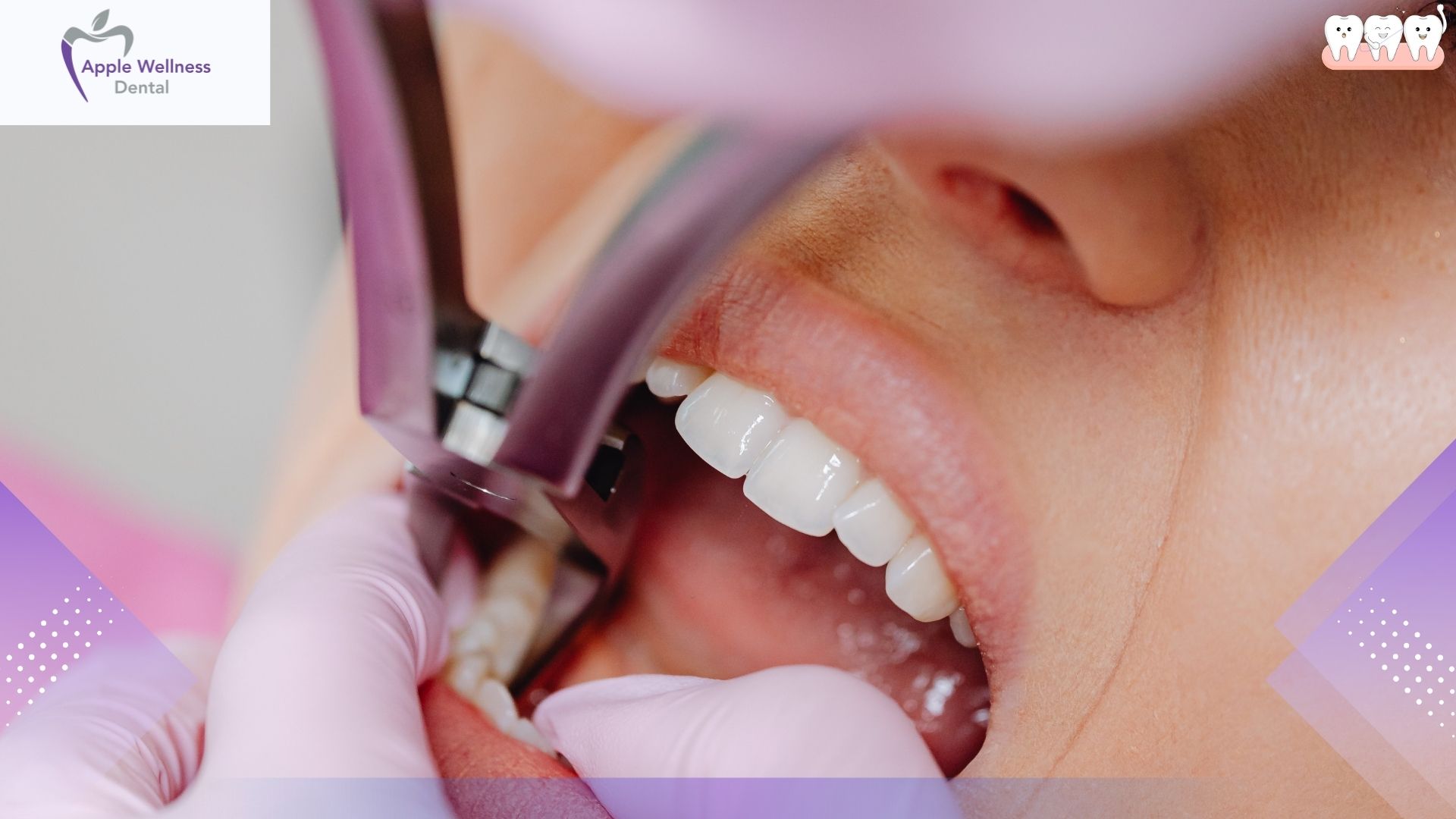
The first 24 hours following tooth removal dictate the trajectory of your entire recovery process. Immediately after a tooth is pulled, the body initiates a complex biological process known as hemostasis. Blood pools into the empty socket and begins to coagulate, forming a protective clot. This clot acts as a biological scaffold, protecting the exposed bone and nerve endings while providing a matrix for osteoblasts (bone-forming cells) and granulation tissue to develop.
According to research from the American Dental Association, disrupting this delicate clot is the primary cause of post-operative complications. Therefore, traditional brushing routines must be abandoned on day one. You may brush the teeth on the opposite side of your mouth, but you must move slowly and deliberately.
As Dr. Michael Chen, Director of Maxillofacial Surgery at the Dental Research Institute, explains: ‘The most common mistake patients make in 2026 is treating an extraction site like a standard wound. The oral cavity is a high-moisture, high-bacteria environment. Preserving the blood clot is paramount in the first 72 hours. Even the slight suction generated by spitting out toothpaste can dislodge the clot, leading to painful alveolar osteitis.’
Step-By-Step Guide: Brushing Techniques for Days 2 to 7
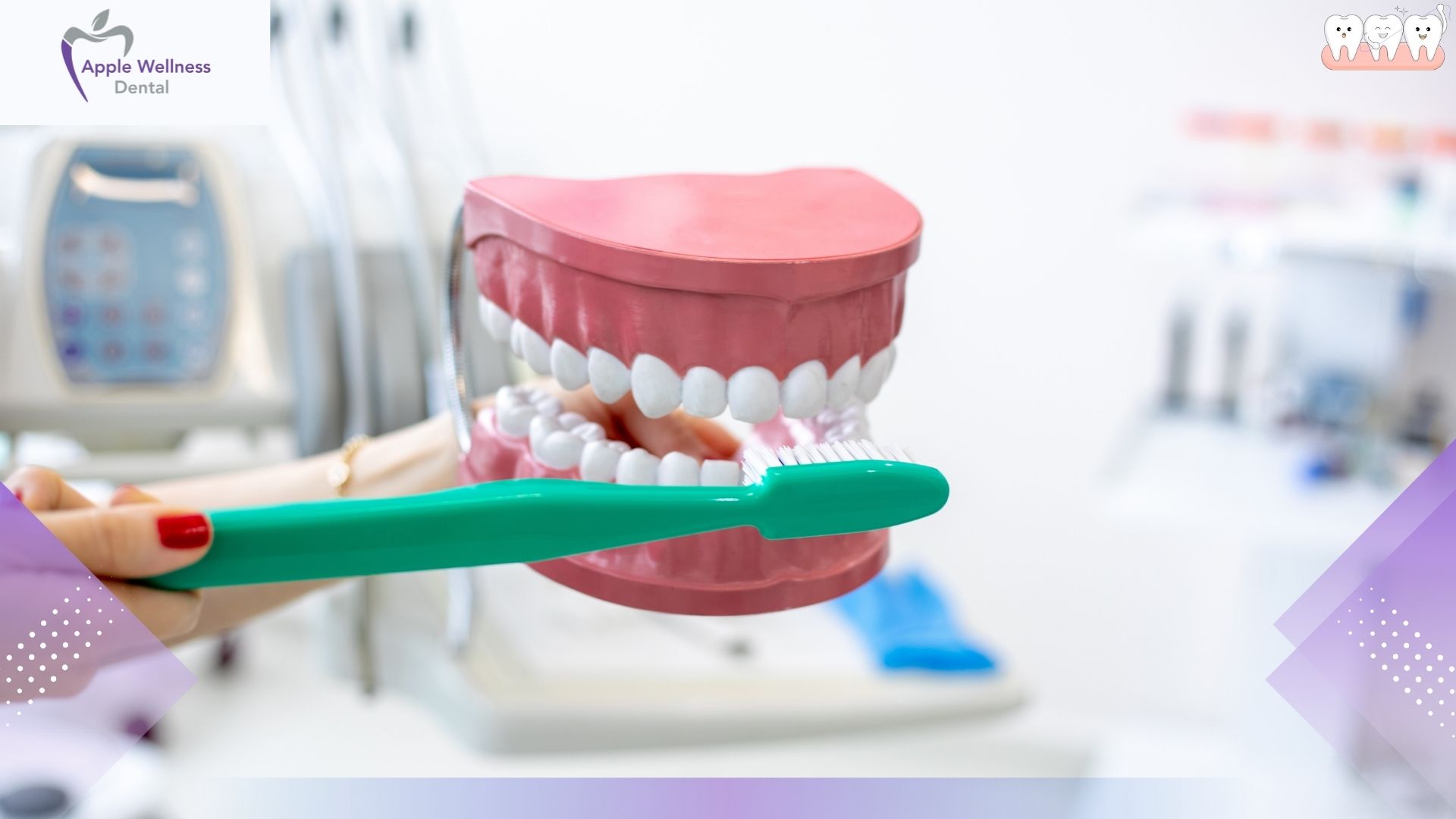
Once you cross the initial 24-hour threshold, you must resume keeping your mouth clean to prevent the proliferation of plaque and bacteria, which can cause secondary infections. However, your technique must be heavily modified.
- Prepare the Right Tools: Select an ultra-soft bristle toothbrush. Avoid electric toothbrushes during this phase, as their sonic vibrations can disturb the healing tissue.
- Use Minimal Toothpaste: Apply only a pea-sized amount of a non-abrasive, non-whitening toothpaste. Whitening agents like hydrogen peroxide or baking soda can severely irritate raw surgical wounds.
- Angle Away from the Site: When cleaning the teeth adjacent to the missing tooth, angle the bristles away from the empty socket. Keep a safe buffer zone of at least one tooth away from the wound.
- Brush Gently: Employ slow, gentle circular motions rather than aggressive back-and-forth scrubbing.
- Clean Your Tongue: Plaque heavily accumulates on the tongue, especially when you are eating a modified soft-food diet. Gently sweep the tongue to reduce overall oral bacteria.
- Let Gravity Do the Work: Do not spit the toothpaste out forcefully. Instead, lean over the sink and allow the saliva and toothpaste foam to passively drool out of your mouth.
Understanding the Primary Risk: Alveolar Osteitis (Dry Socket)
Failing to adapt your oral hygiene routine often leads to alveolar osteitis, commonly known as dry socket. This condition occurs when the blood clot fails to form, dissolves prematurely, or is physically dislodged, leaving the underlying jawbone and highly sensitive nerve endings entirely exposed to air, food, and fluids.
Data from the Centers for Disease Control and Prevention indicates that dry socket occurs in approximately 2% to 5% of all tooth extractions. However, that statistic drastically increases to upwards of 20% to 30% for impacted lower wisdom teeth (mandibular third molars).
The pain associated with alveolar osteitis is often described as a dull, throbbing ache that radiates to the patient’s ear, eye, or neck on the affected side of the face. It typically manifests three to four days post-operation. Patients who smoke face a significantly higher risk. According to global health statistics from the World Health Organization, tobacco users have nearly three times the risk of developing complications due to the localized chemical irritation and the physical suction of inhaling smoke.
Evaluating Your Oral Care Tools Post-Surgery
The instruments you use to clean your mouth are just as important as the technique itself. Traditional medium or hard-bristled brushes are incredibly damaging to compromised gingival tissue. Below is a comparison of common oral care tools and their safety profiles during the acute healing phase.
| Oral Care Tool | Safety Status (Days 1-7) | Explanation |
|---|---|---|
| Ultra-Soft Manual Brush | Highly Recommended | Provides tactile control; gentle on healing gums and adjacent teeth. |
| Electric Toothbrush | Avoid Near Site | Vibrations and high-speed oscillation can disrupt the blood clot. |
| Water Flosser (Waterpik) | Strictly Prohibited | Pressurized water streams will instantly wash away forming blood clots. |
| Standard Dental Floss | Use with Caution | Safe for other teeth, but must be kept entirely away from the extraction zone. |
Mouthwashes and Rinses: Navigating Safe Practices
While mechanical brushing is limited, chemical and saline rinsing becomes your primary defense against bacterial buildup. However, commercial mouthwashes containing alcohol, cetylpyridinium chloride, or harsh essential oils should be completely avoided. Alcohol acts as an astringent, drying out the tissue and delaying the cellular regeneration necessary for wound closure.
Instead, the gold standard for post-extraction care is a warm saline solution. Mixing one-half teaspoon of regular table salt into eight ounces of warm (not hot) water creates an isotonic solution that mirrors the body’s natural cellular fluids. The Mayo Clinic recommends initiating salt water rinses 24 hours after the procedure, using them gently after every meal and before bed.
Crucially, you must not “swish” the liquid aggressively. The proper technique involves taking a mouthful of the saline solution, tilting your head from side to side to let the liquid roll over the surgical area, and then leaning over the sink to let the fluid fall out of your mouth passively.
In cases of complicated surgeries or multiple extractions, your oral surgeon may prescribe a chlorhexidine gluconate rinse (typically 0.12% concentration). This powerful antiseptic dramatically reduces anaerobic bacteria. If prescribed, follow the clinician’s exact dosing instructions, as prolonged use can cause temporary staining of the dental enamel.
When Can You Resume Normal Oral Care Routines?
Patience is critical during periodontal healing. While the soft tissue (gums) typically closes over the socket within 7 to 14 days, the underlying alveolar bone takes several months to fully regenerate. Your oral hygiene routine should evolve alongside this timeline.
By day 7, the blood clot has usually transitioned into more stable granulation tissue. At this stage, you can carefully reintroduce a soft-bristled brush to the teeth immediately next to the socket, though you should still avoid brushing the socket itself. By day 14, assuming there are no complications, most patients can return to their standard brushing routines, including the use of electric toothbrushes and traditional flossing methods, provided they remain cautious of the healing indentation.
Signs You Need to Contact Your Dental Professional
Even with meticulous care and optimal brushing techniques, complications can occasionally arise. Recognizing the early warning signs of infection or impaired healing allows for prompt intervention. You should seek immediate professional evaluation if you experience any of the following symptoms:
- Severe, Unrelenting Pain: Pain that worsens after the third day or is unresponsive to prescribed analgesics.
- Excessive Bleeding: While minor oozing is normal on the first day, bright red blood welling up rapidly indicates a disrupted hemostatic process.
- Pus or Purulent Exudate: A white or yellow discharge from the socket accompanied by a persistently sour or foul taste in the mouth.
- Fever or Swelling: A body temperature exceeding 100.4°F (38°C) or facial swelling that continues to increase after 48 hours.
- Numbness: Prolonged altered sensation (paresthesia) in the lips, tongue, or chin lasting long after the local anesthesia should have worn off.
Dr. Sarah Jenkins, an expert in post-operative oral pathology, notes: ‘Patients are often overly cautious, which is good, but they sometimes ignore red flags hoping they will resolve. An infection in the maxilla or mandible can spread rapidly. Early intervention with antibiotics or a medicated dressing is highly effective, but waiting too long complicates the outcome significantly.’
Frequently Asked Questions
Can I use toothpaste on the first day after a tooth extraction?
You can use toothpaste on the first day, but only on the teeth located far away from the extraction site. You must use a very minimal amount to avoid creating excessive foam, and you must let it drool out of your mouth rather than spitting it forcefully to prevent dislodging the blood clot.
How do I keep the extraction socket clean if I cannot brush it?
After the initial 24-hour period has passed, you keep the socket clean by using gentle, warm salt water rinses. Simply tilt your head to let the water roll over the area after eating. The natural flushing action will remove food debris without mechanically damaging the healing tissue.
Is it safe to use my electric toothbrush 3 days after an extraction?
It is generally safe to use an electric toothbrush on the opposite side of your mouth after 3 days. However, you should not use it near the extraction site for at least 7 to 10 days, as the rapid vibrations and sonic waves can disrupt the stabilizing granulation tissue.
What should I do if food gets stuck in the extraction hole?
Do not use a toothpick, finger, or toothbrush bristles to dig food out of the socket. Instead, use a gentle warm saltwater rinse to try and flush it out. If it remains stuck, leave it alone; the body will naturally push it out as the tissue heals from the bottom up.
When can I resume using my normal alcohol-based mouthwash?
You should wait at least 14 days before reintroducing harsh, alcohol-based commercial mouthwashes. Alcohol dries out the oral mucosa and can inhibit cellular regeneration, slowing down the healing of your surgical wound.
Does a white covering over the socket mean I have an infection?
Not necessarily. A white or yellowish film over the extraction site is often granulation tissue, which is a normal, healthy part of the body’s healing process. However, if the white material is accompanied by severe pain, foul odor, or fever, it could indicate an infection and requires professional evaluation.
Conclusion
Understanding the nuances of modifying your daily oral hygiene routine is paramount for a smooth recovery following dental surgery. By prioritizing the preservation of the blood clot, switching to ultra-soft manual tools, utilizing isotonic saline rinses, and avoiding the physical trauma of spitting, you drastically reduce your risk of painful complications like alveolar osteitis. Patience and gentle care during the first seven days pave the way for successful long-term bone and tissue regeneration.
If you are experiencing severe pain, excessive bleeding, or have concerns about your healing process, do not hesitate to reach out for professional guidance. Contact our team today to schedule a follow-up appointment and ensure your recovery is firmly on the right track.
References
- American Dental Association – Clinical Guidelines on Post-Extraction Care
- Centers for Disease Control and Prevention – Oral Health and Surgical Complications Data
- Mayo Clinic – Dry Socket Symptoms, Causes, and Prevention
- World Health Organization – Global Tobacco Use and Oral Health Risks