
The Complete Patient Guide: When Is It Safe to Eat Rice Following a Tooth Extraction?
Can I eat rice after tooth extraction? The short answer is no; you should strictly avoid eating rice and other small, granular grains for at least 72 hours following a dental extraction. Because rice grains are small and easily scattered throughout the mouth, they pose a significant risk of becoming lodged inside the open extraction socket. This can disrupt the fragile blood clot, lead to a painful condition known as alveolar osteitis (dry socket), or introduce bacteria that cause an infection. Patients are strongly advised to stick to a liquid and very soft food diet during the initial days of recovery before gradually reintroducing modified, well-cooked rice dishes.
Key Takeaways
- Delay Rice Consumption: Wait a minimum of 3 to 5 days before eating any type of rice after having a tooth pulled.
- Risk of Dry Socket: Small grains can easily become trapped in the surgical site, displacing the critical blood clot.
- Preparation Matters: When reintroducing rice, opt for overly soft variations like congee, porridge, or risotto rather than fluffy or dry rice.
- Alternative Carbs: Rely on smooth, nutrient-dense alternatives like mashed potatoes, smooth soups, and yogurt during the first 72 hours.
- Post-Meal Hygiene: Always perform a gentle warm salt-water rinse after eating to ensure no food debris is left near the healing socket.
The Biological Healing Process: Why Your Post-Extraction Diet Matters
Understanding the physiological phases of oral wound healing is essential to realizing why specific dietary restrictions are enforced by dental professionals. The moment a tooth is removed from your jaw, the body initiates a complex mechanism known as hemostasis. Blood pools in the newly vacant socket and coagulates to form a protective blood clot. This clot acts as a biological bandage over the exposed underlying bone and nerve endings.
According to the National Institutes of Health, this initial blood clot is highly susceptible to mechanical disruption during the first 24 to 72 hours. If the clot is dislodged by harsh suction, vigorous rinsing, or physical trauma from food particles, the underlying bone is exposed to the oral cavity.
Research published in various oral surgery journals indicates that alveolar osteitis (dry socket) occurs in approximately 2% to 5% of all routine tooth extractions. However, this statistic jumps significantly to nearly 20% for surgical extractions of mandibular third molars (lower wisdom teeth). Protecting this clot is paramount, which is why your immediate diet must consist of foods that require little to no chewing and leave no residual debris.
Why Rice Poses a Unique Risk to Dental Surgery Sites
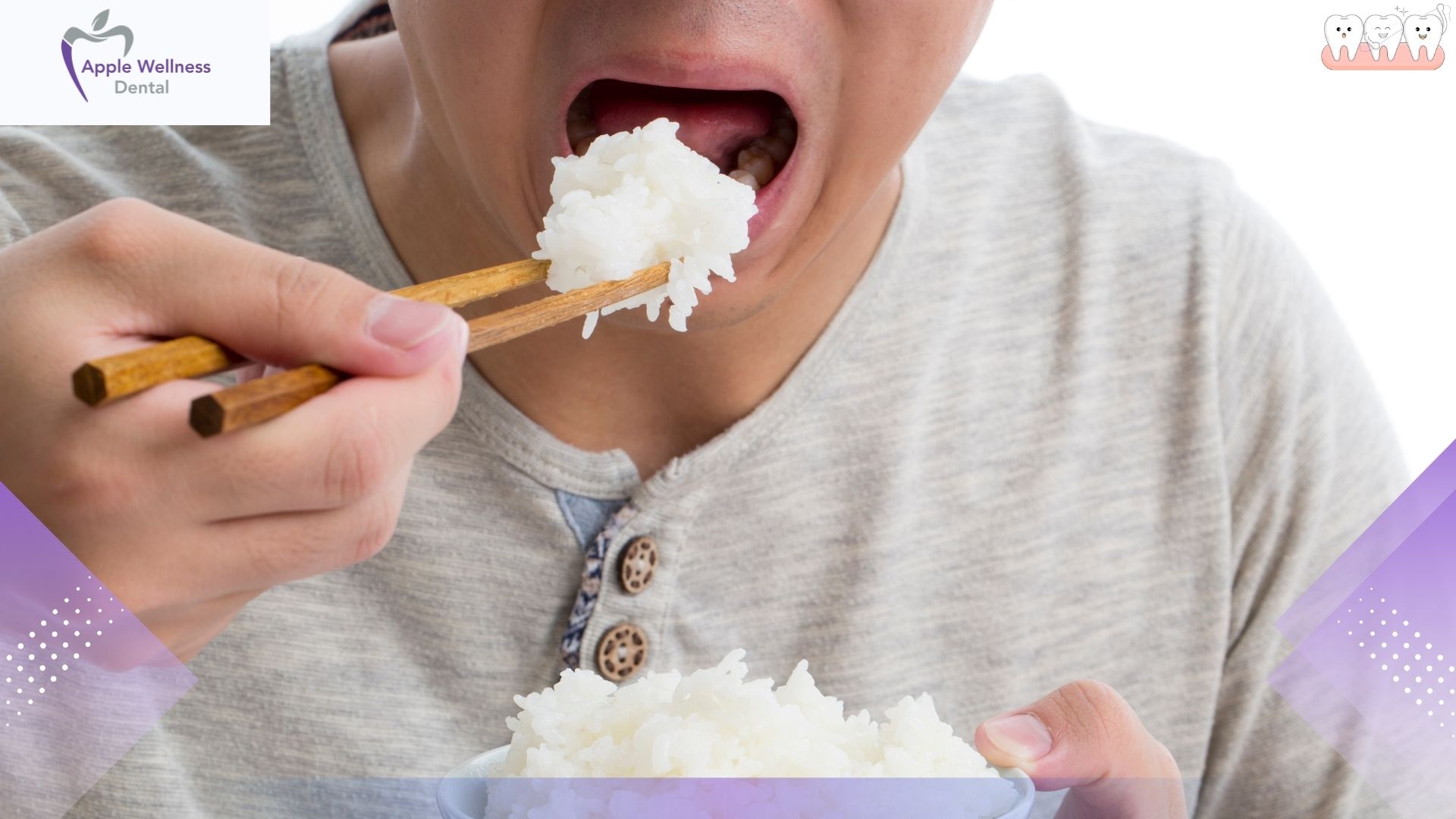
While rice is often considered a gentle, bland food suitable for recovering from gastrointestinal illnesses, it is notoriously problematic in oral surgery recovery. The primary issue lies in its granular physical structure.
As the American Association of Oral and Maxillofacial Surgeons (AAOMS) states in their patient care guidelines: “Do not eat hard, crunchy, or very chewy foods, such as European breads, pizza crust, steak or jerky, nuts, or popcorn.” While rice is not hard, it mimics the behavior of seeds and nuts in the oral cavity. Even when chewed, rice breaks down into smaller, sticky fragments that easily migrate to the back of the mouth where extractions typically occur.
If a grain of rice falls into the deep cavern of a fresh extraction site, it can trigger a severe inflammatory response. The human body recognizes the trapped food particle as a foreign object. This leads to localized swelling, increased pain, and a high probability of bacterial infection. Furthermore, attempting to manually extract a trapped grain of rice with a toothpick, finger, or tongue often results in accidental removal of the vital blood clot.
Recovery Timeline: When Can You Safely Eat Rice?
Every patient’s healing timeline varies based on the complexity of the extraction, the patient’s age, and their adherence to post-operative guidelines. However, a standard clinical timeline provides a safe roadmap for dietary progression.
| Recovery Phase | Dietary Guidelines | Rice Status |
|---|---|---|
| Days 1-3 (Acute Healing) | Strict liquid and smooth soft food diet. No chewing required. | Strictly Avoided |
| Days 4-6 (Intermediate Healing) | Semi-soft foods requiring minimal chewing. Granulation tissue begins to form. | Proceed with Caution (Congee only) |
| Days 7-10 (Advanced Healing) | Gradual return to normal diet, avoiding extremely crunchy items. | Generally Safe (Well-cooked) |
| Days 14+ (Maturation) | Normal diet resumed for most patients. | Fully Safe |
Best Practices for Reintroducing Rice into Your Diet
When you reach the stage where your dentist clears you to resume a semi-solid diet (typically around day five to seven), you must approach rice consumption strategically. Not all rice preparations are equal when it comes to oral safety.
1. Overcook the Grains:
Standard fluffy white rice or al dente preparations still pose a risk of scattering. Instead, prepare rice dishes where the grains are completely broken down. Asian congee (rice porridge) or heavily cooked risotto are excellent transitional meals. The gelatinous starch binding these dishes prevents individual grains from breaking away and becoming trapped.
2. Avoid Brown and Wild Rice Initially:
According to the American Dental Association, high-fiber foods with husks and hulls should be avoided during early recovery. Brown rice, wild rice, and unpolished grains retain an abrasive outer bran layer that requires significant mastication (chewing) and can easily irritate tender, healing gum tissue.
3. Chew on the Opposite Side:
If you had a unilateral extraction (teeth removed on only one side of your mouth), consciously chew your food on the opposite, healthy side. This minimizes the volume of food mechanically transported over the surgical site.
Immediate Post-Op Diet: Nutrient-Dense Alternatives
Proper nutrition is critical for wound healing. Because your body is utilizing heavy caloric energy to repair oral tissues and regenerate alveolar bone, fasting is not an option. Since you must avoid granular carbohydrates initially, rely on these safe, soft alternatives that provide similar caloric density:
- Mashed Potatoes and Sweet Potatoes: An ideal carbohydrate replacement. They are completely smooth, high in energy, and require zero chewing. Ensure they are lukewarm, as extremely hot temperatures can dissolve the blood clot.
- Greek Yogurt: High in protein and probiotics, which can be particularly beneficial if your dentist has prescribed a course of antibiotics to prevent infection.
- Applesauce and Pureed Fruit: Provides necessary vitamins and natural sugars for energy without the physical risk of whole fruits.
- Blended Soups: Butternut squash, tomato bisque, or smooth chicken broth are highly nourishing. Remember to consume them at room temperature.
- Protein Shakes and Smoothies: An excellent way to maintain macronutrient intake. However, absolutely never use a straw to drink them. The negative pressure generated by sucking through a straw is a leading cause of dry socket.
Recognizing and Preventing Post-Extraction Complications
The transition from a soft diet back to your regular eating habits requires vigilant self-monitoring. Even if you follow all guidelines, it is crucial to recognize the clinical signs of a disrupted healing process.
As noted by experts at the Mayo Clinic, typical post-extraction pain should steadily decrease after the second day. If you consume a meal and subsequently experience a severe, radiating, throbbing pain in your jaw, ear, or temple, you may have developed alveolar osteitis. This is often accompanied by a noticeably foul taste or odor in your mouth, indicating that trapped food or bacteria are fermenting in the socket.
If you suspect a grain of rice or other food debris is stuck in the socket, do not attempt to dig it out with your fingernails or sharp implements. This will almost certainly cause further trauma to the granulation tissue forming beneath the clot.
Step-by-Step Guide to Oral Hygiene After Eating
Maintaining a pristine oral environment after meals is the single most effective way to prevent post-operative infections and ensure that your transition back to normal foods is successful. Follow this clinical protocol after every meal, especially when you begin reintroducing semi-solid foods.
- Wait 24 Hours Post-Surgery: Do not rinse your mouth at all during the first 24 hours. The blood clot is too fragile.
- Prepare a Saline Solution: Mix one-half teaspoon of regular table salt into eight ounces of warm (not hot) water. Salt operates as a mild natural antiseptic and helps soothe inflamed gingival tissues.
- Perform a Passive Rinse: Take a small sip of the saline solution. Do not swish vigorously or puff your cheeks in and out. Instead, gently tilt your head from side to side, allowing the liquid to wash passively over the extraction site.
- Let Gravity Empty Your Mouth: Do not spit forcefully. Lean over the sink and simply open your mouth, allowing the water to fall out via gravity.
- Use a Syringe (If Prescribed): If your dentist provided a curved plastic irrigation syringe (commonly given after wisdom tooth removal), fill it with the saline solution. Beginning on day five or six, gently flush the socket to dislodge stubborn microscopic food debris.
- Brush with Extreme Caution: Continue brushing your remaining teeth twice daily with a soft-bristled toothbrush. Avoid touching the gum tissue immediately adjacent to the extraction site.
Frequently Asked Questions
Can I eat fried rice after a tooth extraction?
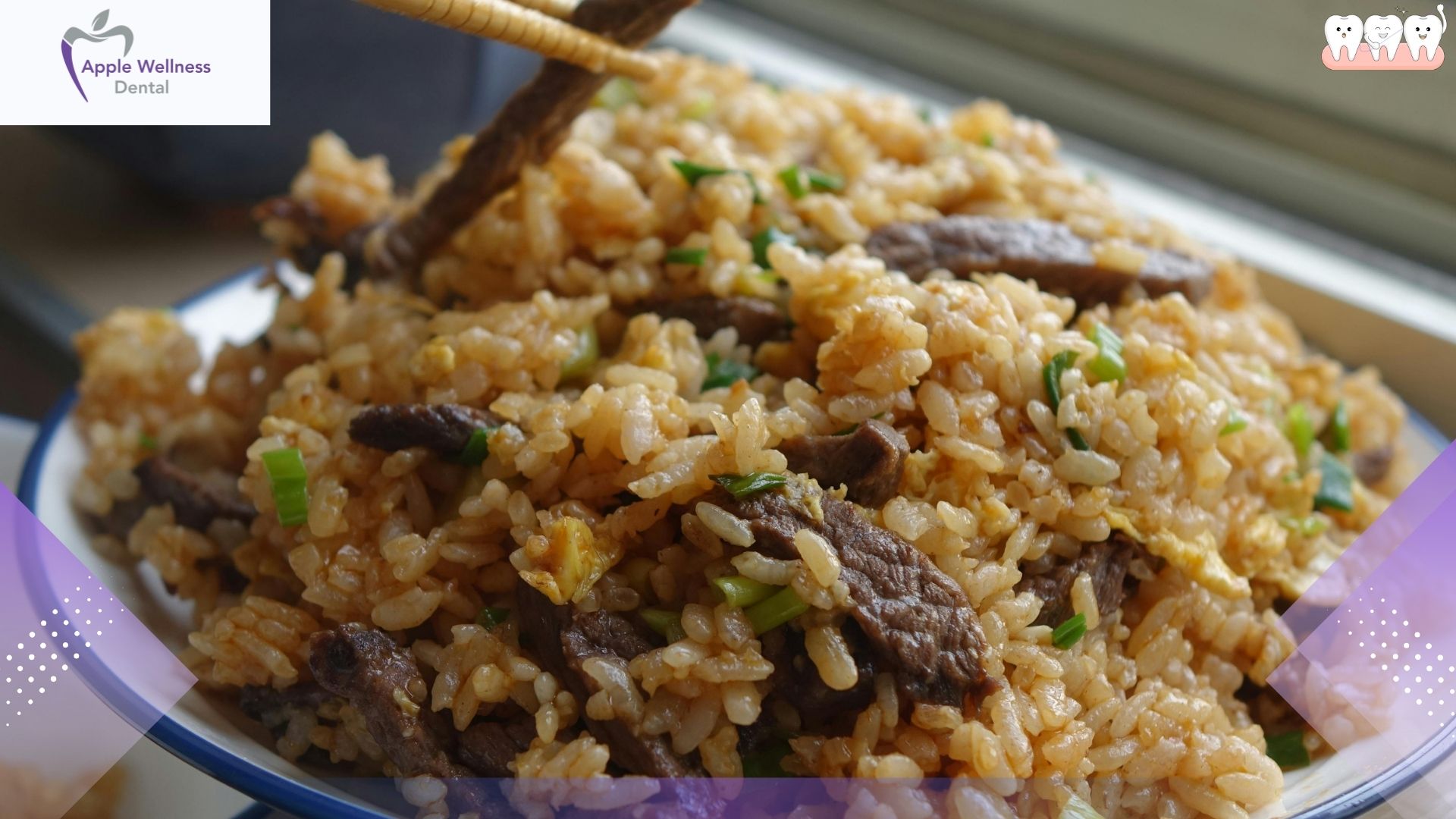
Fried rice is strictly prohibited during the first two weeks of recovery. The frying process hardens the outer shell of the rice grains, making them highly abrasive and significantly increasing the risk of mechanical damage to the surgical site.
What happens if a grain of rice gets stuck in my tooth socket?
A trapped grain can introduce bacteria and cause localized inflammation. If you cannot dislodge it with a gentle salt-water rinse or prescribed irrigation syringe, contact your dentist for professional removal to avoid damaging the blood clot.
Is it safe to eat pasta instead of rice?
Soft, overcooked pasta (like macaroni or tiny stars) is generally safer than rice by days 4 or 5. Because pasta is soft and cohesive, it is less likely to scatter into individual small particles that can lodge in deep sockets.
When can I eat spicy rice dishes again?
Spicy foods should be avoided for at least a week after oral surgery. Capsaicin, the chemical that makes food spicy, can severely irritate the raw, healing gum tissues and increase post-operative discomfort.
How do I know if I have a dry socket from eating the wrong foods?
Dry socket symptoms typically manifest 3 to 5 days post-extraction. Signs include a sudden worsening of pain that radiates to the ear or neck, a visibly empty-looking socket, and a distinct foul odor or bad taste in the mouth.
Conclusion
Navigating your diet after a dental extraction requires patience, care, and a clear understanding of your mouth’s biological healing mechanisms. While rice is a global dietary staple, its small, granular nature makes it a temporary hazard during oral surgery recovery. By substituting rice with smooth, nutrient-dense alternatives for the first few days and practicing meticulous oral hygiene, you can protect your extraction site, prevent complications like dry socket, and ensure a smooth, comfortable recovery process.
If you are experiencing severe pain, suspect food is trapped in your healing socket, or have any specific questions about your post-operative dietary transition, do not hesitate to seek professional guidance. Contact us today to schedule a follow-up appointment with our dedicated dental team.
References
- American Dental Association (ADA) – Patient Guidelines on Post-Extraction Care and Nutrition.
- National Institutes of Health (NIH) – Incidence and Prevention of Alveolar Osteitis (Dry Socket).
- Mayo Clinic – Tooth Extraction Healing Timelines and Complication Management.
- Canadian Dental Association (CDA) – Post-Surgical Oral Hygiene Protocols and Recommendations.