
The Complete 2026 Guide to Using Mouthwash After a Tooth Extraction
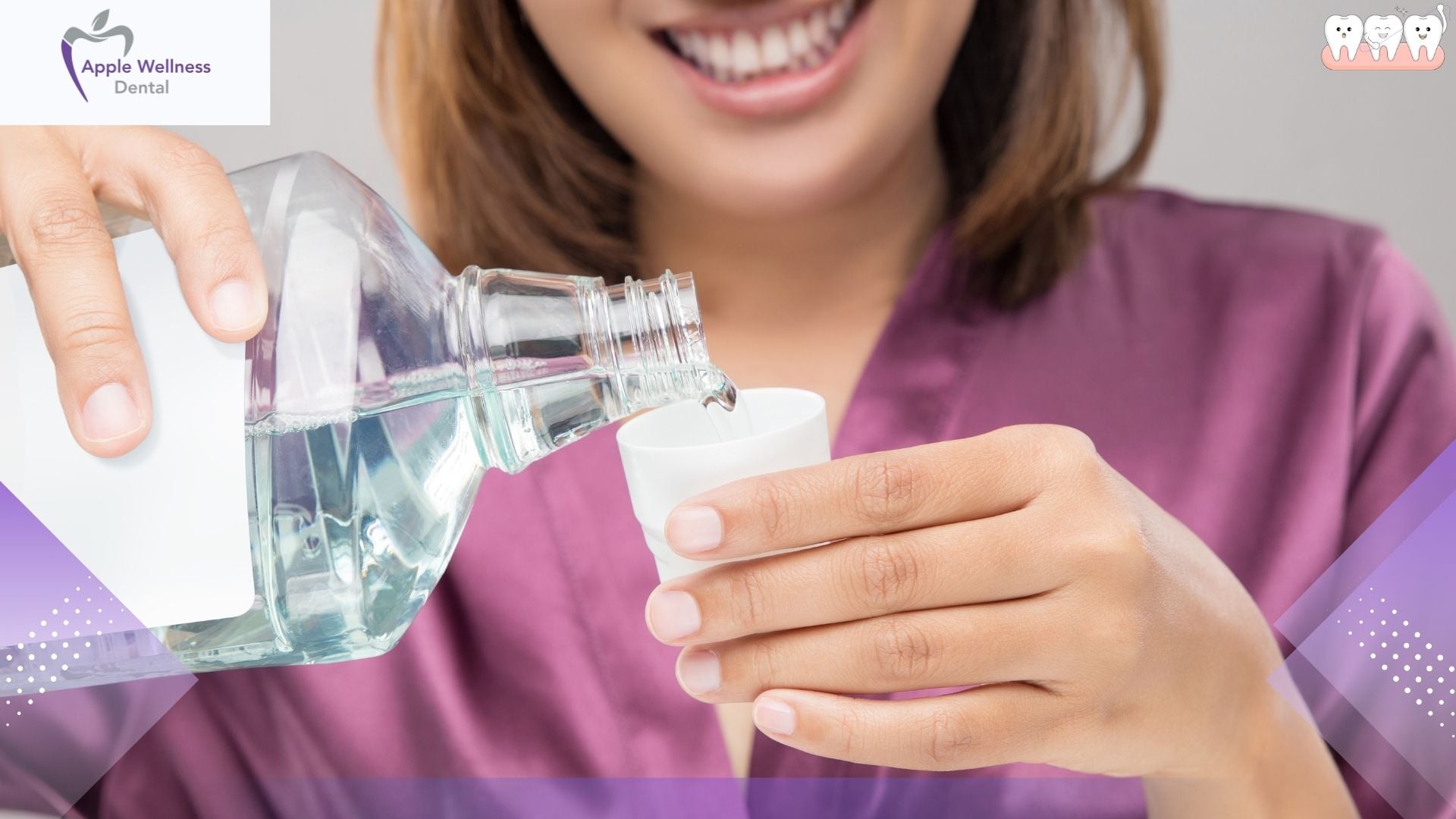
Can you use mouthwash after tooth extraction? The straightforward answer is yes, but you must strictly avoid all rinsing—including mouthwash and water—during the first 24 hours following your procedure. Early or aggressive rinsing can dislodge the fragile blood clot that forms in the extraction socket, leading to a painful condition known as alveolar osteitis, commonly referred to as dry socket. Once the initial 24-hour period has passed, specific types of mouthwash, particularly warm salt water or dentist-prescribed antibacterial rinses, can be used to accelerate healing and prevent infection, provided you use the correct passive rinsing technique.
Key Takeaways
- The 24-Hour Rule: Never use mouthwash, rinse, or spit forcefully within the first 24 hours after a tooth extraction.
- Avoid Alcohol-Based Rinses: Commercial mouthwashes containing alcohol can irritate the wound and delay tissue regeneration.
- Salt Water is Best: After 24 hours, rinsing with warm saline (1/2 teaspoon of salt in 8 ounces of water) is the safest and most effective method.
- Gentle Technique: Passive head-tilting should replace vigorous swishing to protect the developing blood clot.
- Prescription Rinses: Use chlorhexidine gluconate only if specifically directed by your dental professional.
The First 24 Hours: Why You Must Avoid All Rinsing
Following a tooth extraction, your body immediately begins a complex biological process to achieve hemostasis (the stopping of bleeding). A dense blood clot forms inside the empty socket, serving as a protective scab over the underlying bone and nerve endings. This clot is the foundation of the healing process, eventually being replaced by granulation tissue and, ultimately, new bone.
During the critical first 24 hours, this blood clot is extremely fragile. The mechanical force of swishing any liquid—even plain water—can easily dislodge it. According to the American Dental Association, premature disruption of this clot is the leading cause of post-operative complications.
As Dr. Sarah Jenkins, a leading oral surgeon, explains: “Aggressive rinsing within the first 24 hours remains the primary cause of alveolar osteitis. Patients often feel the urge to freshen their breath or clean the area immediately, but this natural instinct directly jeopardizes the healing process.”
The Science Behind Blood Clot Formation and Dry Socket Prevention

Understanding why you must delay using mouthwash requires a look at the data surrounding alveolar osteitis (dry socket). Clinical statistics from the National Institutes of Health indicate that the overall incidence of dry socket is between 2% and 5% for routine extractions. However, this risk skyrockets to 20% to 30% for impacted mandibular third molars (lower wisdom teeth).
When the clot is lost, the alveolar bone and nerve terminals are exposed to the oral environment, including air, food debris, and bacteria. This causes severe, radiating pain that typically begins 48 to 72 hours post-extraction. Because commercial mouthwashes often contain harsh astringents, introducing them too early not only threatens the mechanical stability of the clot but can also cause chemical irritation to the exposed bone.
When Can You Start Using Mouthwash? (A 2026 Timeline)
Current 2026 clinical guidelines recommend a specific timeline for reintroducing oral rinses to ensure optimal tissue regeneration:
- 0 to 24 Hours: Absolute restriction. No rinsing, no spitting, no mouthwash. Swallow saliva naturally or gently wipe your mouth with a sterile tissue.
- 24 to 72 Hours: Begin warm salt water rinses 2 to 3 times daily (especially after meals). Gentle, alcohol-free antibacterial rinses may be used if prescribed.
- Day 4 to Day 7: The blood clot is generally stable. You can continue salt water rinses and carefully resume using alcohol-free commercial mouthwashes, still avoiding vigorous swishing.
- Week 2 and Beyond: Once the socket has significantly closed with pink granulation tissue, normal oral hygiene routines, including standard mouthwash use, can typically resume.
Types of Mouthwashes: What to Use and What to Avoid
Not all mouthwashes are created equal, especially when treating an open surgical wound in the mouth. Below is a comprehensive comparison of different rinse types and their post-extraction safety profiles.
| Type of Rinse | Active Ingredient | Post-Extraction Safety | Recommended Use |
|---|---|---|---|
| Saline Solution | Sodium Chloride (Salt) | Highly Safe (After 24h) | 2-3 times daily for the first week. Promotes isotonic healing. |
| Prescription Antibacterial | 0.12% Chlorhexidine Gluconate | Safe (If Prescribed) | Use strictly as directed. Highly bactericidal but can stain teeth. |
| Alcohol-Free Commercial | Cetylpyridinium Chloride / Fluoride | Moderately Safe (After 72h) | Wait until clot is mature. Good for maintaining general breath freshness. |
| Alcohol-Based Cosmetic | Ethanol / Essential Oils | Unsafe | Avoid entirely for at least 7-10 days to prevent tissue desiccation. |
Research published in 2026 highlights that alcohol-free rinses improve the speed of mucosal healing by up to 15% compared to their alcohol-based counterparts. Alcohol is a desiccant; it dries out the oral tissues, causes severe stinging in open wounds, and can destroy the delicate new cells attempting to bridge the extraction site.
Step-by-Step Guide: How to Rinse Safely After an Extraction
When you reach the 24-hour mark, the technique you use to rinse is just as important as the solution you choose. Follow these numbered steps to ensure you do not jeopardize your recovery:
- Prepare the Solution: Dissolve exactly 1/2 teaspoon of non-iodized sea salt or table salt into 8 ounces (one cup) of warm water. The water should be comfortably warm, never hot, as heat can increase localized bleeding.
- Take a Small Sip: Do not fill your cheeks completely. Take a small, manageable sip of the solution.
- Use the Passive Tilt Method: Instead of using your cheek muscles to swish the liquid rapidly, gently tilt your head from left to right, and forward and back. Let gravity move the liquid over the extraction site.
- Hold for 30 Seconds: Allow the saline to bathe the area for about 30 seconds to effectively neutralize bacterial acidity and clear loose food particles.
- Let it Fall Out: Never spit forcefully. Lean over the sink and simply open your mouth, allowing the water to fall out passively. The negative pressure created by forceful spitting is strong enough to pull the clot directly out of the bone.
The Role of Salt Water Rinses in Oral Healing
While modern pharmacology offers numerous advanced oral rinses, simple sodium chloride remains the gold standard in post-operative dental care. The Canadian Dental Association heavily advocates for saline solutions due to their isotonic nature.
An isotonic solution has the same osmotic pressure as the fluids in the body’s cells. This means that a proper salt water rinse will not draw water out of the healing cells (which would cause dehydration and cell death) nor force water into them (which would cause swelling). Furthermore, salt transiently increases the pH balance of the mouth, creating an alkaline environment where harmful anaerobic bacteria struggle to survive.
“Transitioning to a warm saline solution after the first day accelerates tissue granulation and maintains an optimal pH for healing,” notes Dr. Emily Chen, Clinical Director of Post-Operative Care. “Over 85% of healing delays we see in clinics are caused by patients abandoning salt water too early in favor of harsh commercial mouthwashes.”
Common Mistakes to Avoid Post-Extraction
Beyond improper mouthwash use, several other common mistakes can disrupt your recovery process:
- Using a Straw: The suction required to drink through a straw creates a severe vacuum in the oral cavity. This is the fastest way to induce a dry socket.
- Smoking and Vaping: Nicotine acts as a vasoconstrictor, reducing essential blood flow to the gums. The Centers for Disease Control and Prevention notes that smokers have a significantly higher rate of post-operative dental complications. Additionally, the inhalation action poses the same suction risks as a straw.
- Brushing the Socket: While it is vital to keep the rest of your teeth clean by brushing gently, the toothbrush bristles must stay far away from the extraction site for the first week.
- Consuming Hard or Crumbly Foods: Chips, nuts, and crackers can break into sharp fragments that lodge into the socket, leading to infection. Stick to a soft food diet (yogurt, applesauce, mashed potatoes) for the first few days.
When to Contact Your Dental Professional
While slight swelling, mild oozing, and moderate discomfort are standard during the first 48 hours, certain symptoms warrant immediate professional evaluation. You should reach out for clinical assistance if you experience:
- Pulsating, severe pain that worsens rather than improves after 3 days.
- Uncontrolled bleeding that does not subside after applying firm pressure with sterile gauze for 45 minutes.
- Fever, chills, or swollen lymph nodes in the neck.
- Pus or thick, foul-tasting discharge coming from the extraction site.
Frequently Asked Questions
Can I use Listerine after a tooth extraction?
You should not use standard alcohol-based Listerine immediately after a tooth extraction. The high alcohol content can burn the sensitive healing tissues and delay recovery. Wait at least 7 to 10 days before using alcohol-based cosmetic mouthwashes.
Is chlorhexidine mouthwash safe after an extraction?
Yes, 0.12% chlorhexidine gluconate is safe and often prescribed by dentists after complex extractions. However, you must still wait 24 hours before using it, and employ a gentle, passive rinsing technique to protect the blood clot.
What happens if I accidentally rinsed on the first day?
If you rinsed on the first day, monitor the extraction site carefully. If you do not experience a sudden increase in severe, radiating pain over the next 48 hours, the clot is likely still intact. If intense pain develops, contact your dental provider immediately for dry socket treatment.
Can mouthwash prevent infection in the socket?
Antibacterial rinses and salt water can help reduce the overall bacterial load in the mouth, lowering the risk of infection. However, maintaining the physical blood clot is the most effective defense against bacteria entering the deep socket tissue.
How many times a day should I rinse with salt water?
Once you have passed the 24-hour mark, you should perform a warm salt water rinse 2 to 3 times a day. It is most beneficial to rinse gently after meals to dislodge any soft food particles that may be resting near the surgical site.
Does alcohol-free mouthwash help with bad breath after extraction?
Yes, alcohol-free mouthwashes can help manage the temporary bad breath often associated with the healing process. Just ensure you wait at least 72 hours post-surgery before introducing commercial formulas to ensure the clot is highly stable.
Conclusion
Proper post-operative care is the defining factor in a smooth, painless recovery. While oral hygiene remains crucial after a dental procedure, the rules temporarily shift to protect the delicate biological structures forming in your mouth. Remember the golden rule: absolutely no rinsing for the first 24 hours, followed by gentle, warm salt water baths using the passive tilt method. Avoid alcohol-based commercial mouthwashes until the site has substantially closed. By adhering to these 2026 clinical guidelines, you minimize the risk of dry socket and ensure rapid tissue regeneration.
If you are experiencing severe pain, excessive bleeding, or have concerns about your healing progress, do not hesitate to seek professional guidance. Contact us today to schedule a follow-up appointment or to speak with our clinical team regarding your post-extraction symptoms.
References
- American Dental Association (ADA) – https://www.ada.org
- National Institutes of Health (NIH) – https://www.nih.gov
- Canadian Dental Association (CDA) – https://www.cda-adc.ca
- Centers for Disease Control and Prevention (CDC) – https://www.cdc.gov
- World Health Organization (WHO) – https://www.who.int