
The Complete 2026 Guide to Dental Recovery: What and When to Eat Post-Extraction
After tooth extraction when can I eat safely without disrupting the healing process? The direct answer is that you should wait to eat any solid foods until the local anesthesia has completely worn off, which typically takes 2 to 4 hours after your procedure. During this initial window, you may consume clear liquids, but consuming solid foods while your mouth is numb poses a severe risk of accidental biting and injury to your tongue, cheeks, and lips. Once the numbness subsides, you must strictly adhere to a liquid and soft-food diet for the first 24 to 48 hours to protect the delicate blood clot forming in the extraction socket.
Key Takeaways for Post-Extraction Eating
- 0 to 4 Hours: Consume only cool liquids; avoid all solid foods until numbness fully dissipates.
- 24 to 48 Hours: Stick entirely to liquid and ultra-soft foods (e.g., yogurt, applesauce, bone broth).
- No Straws: Never use a straw for at least 72 hours, as the suction can dislodge the blood clot and cause dry socket.
- Temperature Matters: Avoid hot liquids and hot foods for the first 48 hours; heat can dissolve the clot and increase bleeding.
- Chewing Technique: When you transition to semi-soft foods, chew strictly on the opposite side of the extraction site.
The Science of Dental Extractions and Wound Healing
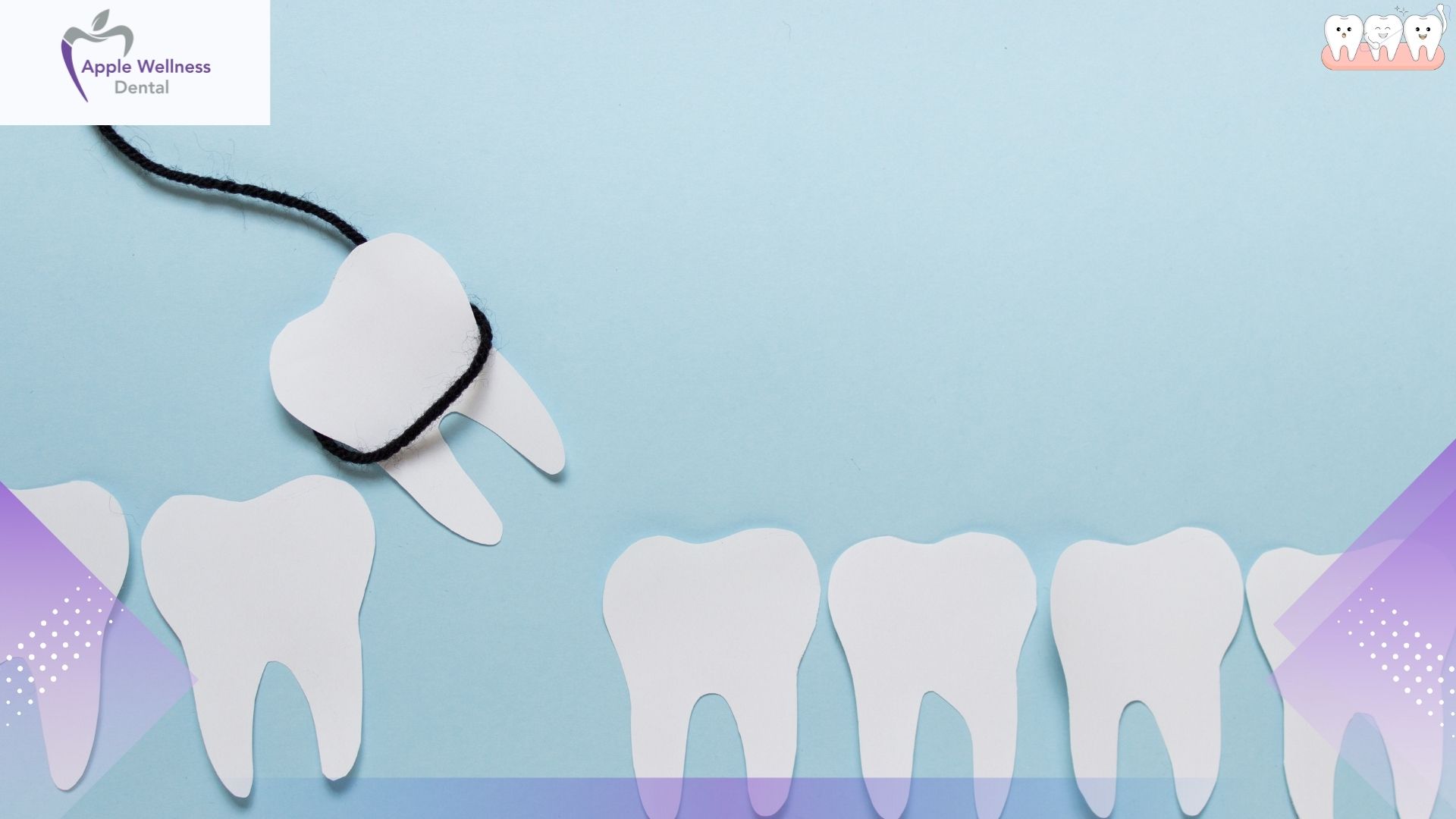
To truly understand the dietary restrictions following a dental extraction, it is essential to understand the biological process of oral wound healing. The moment a tooth is removed from the jawbone, a process called hemostasis begins. Blood fills the empty socket and, within the first 24 hours, begins to coagulate, forming a vital blood clot. This clot serves as a biological bandage. It protects the underlying exposed bone and sensitive nerve endings from the harsh environment of the oral cavity.
According to clinical data published by the National Institutes of Health (NIH), the initial fibrin network that forms this clot is highly fragile during the first 48 hours. If this clot is physically disturbed by hard foods, dissolved by hot liquids, or pulled out by the negative intraoral pressure created by sucking on a straw, the underlying bone is exposed. This condition, known medically as alveolar osteitis and commonly as “dry socket,” is severely painful and delays healing significantly.
Statistics indicate that dry socket occurs in approximately 2% to 5% of all standard tooth extractions. However, that incidence rate jumps dramatically to 20% to 30% for the surgical removal of impacted mandibular third molars (lower wisdom teeth). Protecting the blood clot through a strict, modified diet is your primary defense against this complication.
Detailed Timeline: What to Eat Post-Extraction
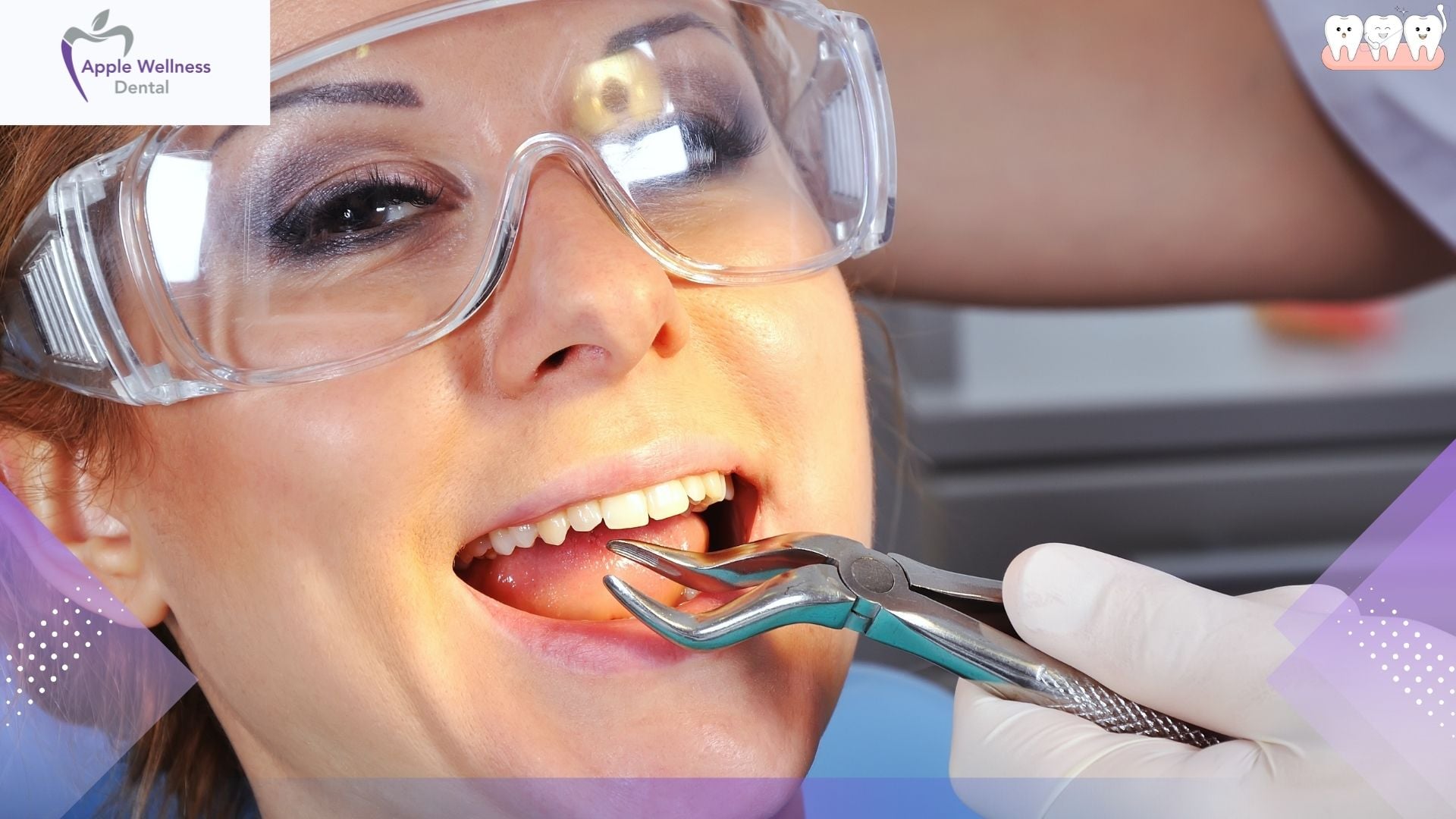
Recovery is not an instantaneous process; it is a gradual transition. Following a phased dietary timeline ensures that you receive necessary nutrition without compromising the surgical site. The following timeline represents the clinical consensus for a standard extraction recovery in 2026.
Phase 1: The First 2 to 4 Hours (The Numbing Phase)
Immediately after your procedure, your lips, tongue, and cheek will be profoundly numb from the local anesthetics. During this window, your diet should consist exclusively of cool water. Do not attempt to eat anything that requires mastication (chewing). You cannot feel the inside of your mouth, and attempting to chew can result in deep, traumatic lacerations to your tongue or inner cheek. Hydration is important, but drink directly from a cup—absolutely no straws.
Phase 2: 24 to 48 Hours (The Liquid and Smooth Soft Phase)
Once sensation fully returns, you enter the most critical phase of healing. The blood clot is still stabilizing. Your diet must consist of liquids and very soft, smooth foods that require zero chewing and can be easily swallowed. Nutrition is vital for tissue repair, so focus on calorie-dense, vitamin-rich options.
- Protein-Rich Smoothies: Blend fruits, yogurt, and a scoop of protein powder. Ensure there are no small seeds (like raspberries or blackberries) that could get trapped in the socket.
- Cold Soups and Broths: Bone broth provides excellent collagen and amino acids essential for tissue regeneration. Ensure the broth is lukewarm or cool, never steaming hot.
- Dairy Alternatives: Greek yogurt, kefir, and cottage cheese are excellent sources of calcium and protein that require no chewing.
- Fruit Purees: Applesauce and mashed bananas are gentle on the stomach and the mouth.
Phase 3: Days 3 to 5 (The Semi-Soft Phase)
By the third day, the blood clot has typically organized into stronger granulation tissue. Swelling usually peaks around 48 to 72 hours and begins to subside. At this point, you can introduce soft foods that require minimal chewing. Remember to always chew on the side of your mouth opposite the extraction site.
- Scrambled Eggs: Soft, easily digestible, and packed with high-quality protein and vitamins.
- Mashed Potatoes or Sweet Potatoes: Excellent sources of complex carbohydrates to restore your energy levels.
- Soft Pasta: Macaroni and cheese or overcooked noodles are safe, provided they are not excessively hot.
- Flaky Fish: Baked or poached fish like salmon or cod offers omega-3 fatty acids, which have natural anti-inflammatory properties that aid recovery.
Phase 4: Days 6 to 14 (Return to Normalcy)
After the first week, the gum tissue begins to close over the extraction site. You can gradually reintroduce more solid foods, such as chicken, soft breads, and steamed vegetables. However, you must still exercise caution. Even at two weeks, the socket is not fully filled with new bone. Continue to avoid extremely hard, crunchy, or sharp foods like tortilla chips, hard taco shells, popcorn, and tough nuts, as sharp fragments can puncture the healing gum tissue.
Comprehensive Guide to Safe Post-Extraction Foods
Navigating the grocery store before your oral surgery can be daunting. To simplify your preparation, use this comparative guide of optimal recovery foods versus foods that pose an active threat to your healing process.
| Food Category | Safe Options (Promote Healing) | Unsafe Options (Strictly Avoid) |
|---|---|---|
| Proteins | Scrambled eggs, tofu, smooth peanut butter, flaky fish | Steak, beef jerky, tough grilled chicken, nuts |
| Fruits & Veggies | Applesauce, mashed bananas, avocado, pureed carrots | Raw apples, celery, carrots, seeded berries (strawberries/raspberries) |
| Carbohydrates | Mashed potatoes, oatmeal (lukewarm), soft pasta, pudding | Crusty bread, potato chips, popcorn, hard crackers |
| Beverages | Water, protein shakes, milk, lukewarm tea | Hot coffee, alcohol, carbonated sodas, anything requiring a straw |
Critical Dietary Habits to Strictly Avoid
Knowing what not to eat is arguably more important than knowing what to eat. The American Dental Association (ADA) issues strict guidelines regarding behaviors that jeopardize the integrity of the extraction site. Avoiding these elements is non-negotiable for a smooth recovery.
- Negative Intraoral Pressure: As previously emphasized, straws are the primary enemy of the blood clot. Sucking creates a vacuum in the mouth that can easily dislodge the clot. This rule also applies to smoking and aggressively spitting.
- Spicy and Acidic Foods: Spices (like cayenne or chili powder) and acidic foods (like citrus fruits and tomatoes) can cause severe chemical irritation to the open wound, leading to localized inflammation and intense burning pain.
- Extreme Temperatures: Heat acts as a vasodilator, widening blood vessels and potentially dissolving the early blood clot, which can trigger secondary bleeding. Keep all meals room temperature or lukewarm for the first 48 hours.
- Alcohol and Carbonation: Alcohol is a known blood thinner and can delay the natural clotting process. Furthermore, alcohol interacts dangerously with prescribed pain medications. Carbonated beverages feature gas bubbles that can physically disturb the clot.
The Dangers of Alveolar Osteitis (Dry Socket)
Alveolar osteitis, or dry socket, is the most dreaded complication following an extraction. As Dr. Thomas Salinas, an established dental specialist whose guidelines are frequently cited by the Mayo Clinic, explains in general patient literature: “Following an extraction, preserving the blood clot by sticking to a soft-food diet and avoiding negative pressure are critical steps to prevent complications like dry socket, which leaves nerves and bone exposed to the oral environment.”
If you develop a dry socket, the pain typically presents 3 to 5 days post-extraction. The pain is characterized as a deep, dull, throbbing ache that radiates to the ear, eye, or temple on the affected side. You may also notice a foul odor or bad taste in your mouth. Over-the-counter analgesics are rarely sufficient to manage dry socket pain. If you experience these symptoms, you must return to your dental provider so they can flush the socket and apply a medicated dressing to soothe the exposed nerves.
How to Eat Safely: Step-by-Step Instructions
Mechanically consuming food requires an intentional adjustment to your normal habits during the recovery period. Follow these steps to eat safely:
- Test the Temperature: Before placing any food in your mouth, test it on your wrist to ensure it is lukewarm or cold.
- Portion Control: Take exceptionally small bites. Using a baby spoon can help force you to take smaller portions, preventing overexertion of the jaw muscles, which are likely stiff and sore.
- Isolate the Chewing Zone: Consciously direct all food to the side of your mouth opposite the extraction. If you had teeth removed on both sides, rely strictly on liquid purees that can be swallowed directly.
- Post-Meal Hygiene: After 24 hours have passed since your surgery, gently rinse your mouth with warm salt water after every meal. Mix half a teaspoon of salt into eight ounces of warm water. Do not swish vigorously. Instead, tilt your head from side to side and let the water passively fall into the sink. This removes food debris without dislodging the clot.
Optimizing Nutrition for Faster Tissue Repair
Your immune system is working overtime to close the wound and fight off potential pathogens. Supporting your body with the right macronutrients and micronutrients will accelerate healing. The Centers for Disease Control and Prevention (CDC) emphasizes the role of nutrition in systemic recovery. Ensure your post-extraction diet is rich in Vitamin C (crucial for collagen synthesis and gum repair) and Vitamin A (vital for immune function and cellular growth). Since citrus is too acidic, source your Vitamin C from pureed cooked broccoli or sweet potatoes. High-quality protein from bone broth, eggs, and Greek yogurt supplies the amino acids necessary for rebuilding the oral tissues.
Frequently Asked Questions (FAQ)
When can I eat a hamburger after tooth extraction?
You should wait at least 7 to 10 days before attempting to eat a hamburger or other foods requiring heavy chewing. Ensure you chew on the opposite side of the mouth and take small bites to avoid tearing the healing gum tissue.
Can I drink coffee the day of my extraction?
No, hot coffee must be avoided for the first 24 to 48 hours as the heat can dissolve the blood clot and trigger bleeding. If you must have caffeine, opt for iced coffee consumed without a straw.
Is it safe to eat spicy food after a week?
While the initial healing phase has passed, the gum tissue is still tender at the one-week mark. It is best to wait at least 10 to 14 days before reintroducing highly spicy foods to prevent burning and irritation at the surgical site.
How do I clean food out of the extraction hole?
Never use a toothpick, finger, or toothbrush to dig food out of the socket. After 24 hours, use a gentle warm salt water rinse to flush out debris. If your provider gave you a curved monoject syringe, use it gently after day 3 as directed.
What should I do if I accidentally eat something crunchy?
If you accidentally eat something crunchy, rinse your mouth gently with warm salt water to ensure no particles are lodged in the wound. Monitor the site for increased pain, swelling, or bleeding, and contact your provider if symptoms escalate.
Conclusion
Knowing exactly what to consume post-surgery is the cornerstone of a smooth, painless recovery. By respecting the delicate biological process of clot formation and adhering strictly to a soft-food, straw-free diet for the first critical days, you significantly reduce the risk of painful complications like dry socket. Remember to prioritize hydration, focus on nutrient-dense soft foods, and maintain gentle oral hygiene. If you experience severe pain, excessive bleeding, or have concerns about your specific healing progress, do not hesitate to seek professional guidance. Contact our dental team today for personalized advice or to schedule a follow-up evaluation.
References
- American Dental Association (ADA). “Tooth Extraction Recovery and Care.” https://www.ada.org
- Mayo Clinic. “Tooth Extraction: What you can expect.” https://www.mayoclinic.org
- National Institutes of Health (NIH). “Wound Healing and Alveolar Osteitis Prevention.” https://www.nih.gov
- Centers for Disease Control and Prevention (CDC). “Oral Health Guidelines.” https://www.cdc.gov