
The Comprehensive 2026 Guide to Porcelain Veneer Costs, Quality, and Long-Term Value
How much is porcelain veneers going to cost you in 2026? In the current year, the cost of a single porcelain veneer typically ranges from $900 to $2,500 per tooth, depending on the dentist’s geographic location, professional expertise, and the specific ceramic materials used. For a comprehensive smile makeover involving six to eight upper teeth, patients should expect a total investment between $5,400 and $20,000. While this initial price point represents a significant financial commitment, porcelain veneers remain the gold standard in cosmetic dentistry due to their exceptional durability, lifelike translucency, and a typical lifespan of 10 to 15 years with proper maintenance.
Key Takeaways
- Average Cost: $900 to $2,500 per tooth in 2026.
- Full Smile Makeover: Typically ranges from $5,400 to $20,000 for standard upper anterior teeth.
- Longevity: Porcelain veneers last 10 to 15 years on average, often longer with excellent oral hygiene and an occlusal guard.
- Material Quality: Advanced ceramics like lithium disilicate (E-max) drive up the price but offer superior aesthetics and strength.
- Insurance Coverage: Because veneers are considered elective cosmetic procedures, traditional dental insurance rarely covers the cost.
- Hidden Fees: Budget for additional expenses like consultation fees, diagnostic wax-ups, temporary veneers, and protective night guards.
Factors Influencing the Cost of Porcelain Veneers
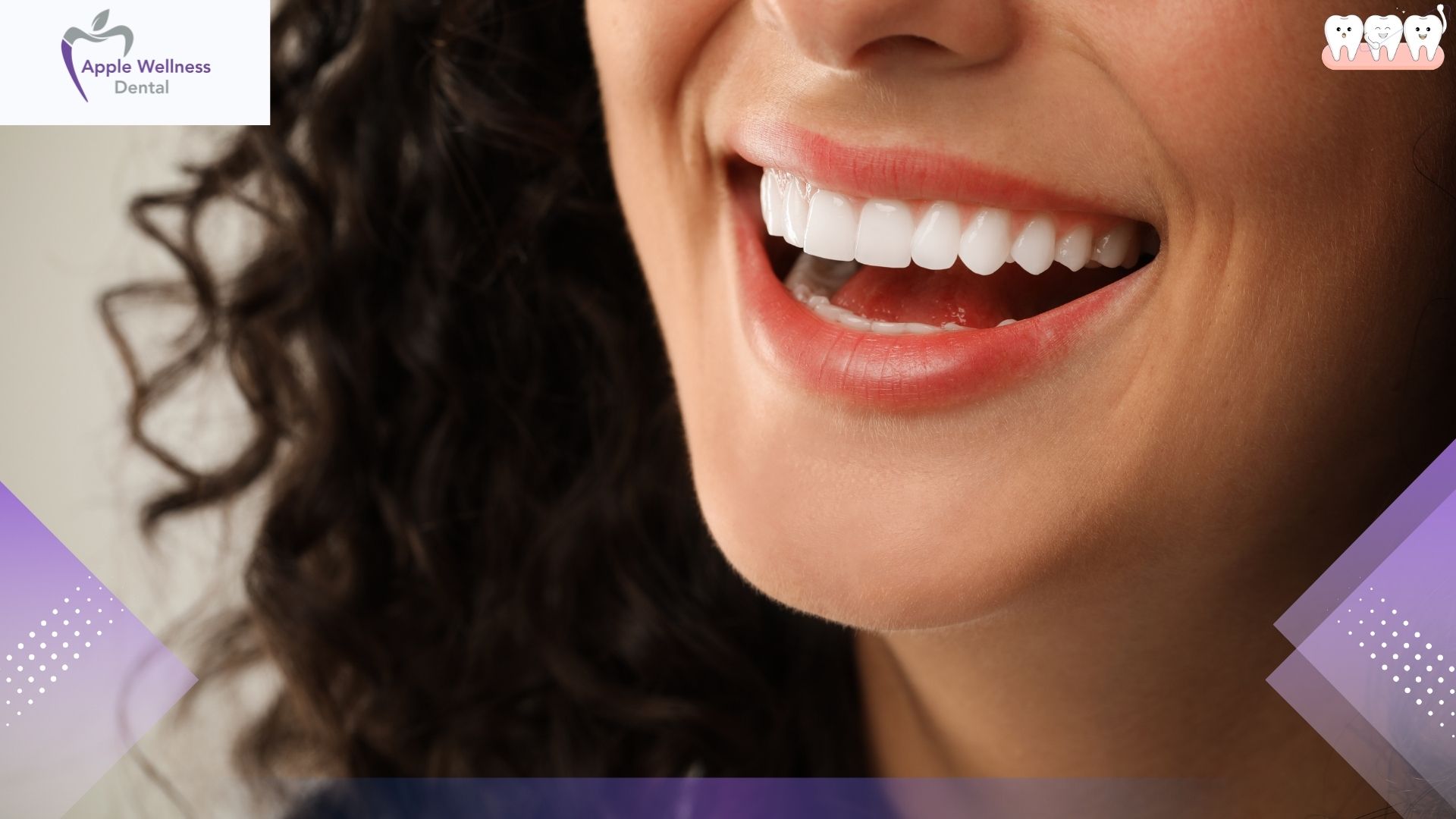
Understanding exactly what you are paying for is critical when evaluating dental restoration quotes. The broad price range for porcelain veneers is not arbitrary; it reflects several core variables in the highly specialized field of cosmetic dentistry.
First and foremost is the geographic location of the dental practice. Dental clinics operating in major metropolitan areas with high overhead costs naturally charge more than those in suburban or rural regions. However, traveling strictly for lower prices (often termed “dental tourism”) can carry significant risks regarding post-operative care and quality assurance.
The dentist’s credentials play an equally substantial role. According to the American Dental Association (ADA), specialists such as prosthodontists—who complete three additional years of advanced training in dental and facial restorations—often command a premium of 20% to 30% over general dentists. Their expertise in complex occlusal (bite) dynamics and precise marginal adaptation ensures the longevity of the restoration.
Finally, the dental laboratory and materials dictate a large portion of the fee. A master ceramist hand-layering feldspathic porcelain will charge the dentist a much higher lab fee than a technician milling a monolithic block of ceramic using CAD/CAM technology. High-end materials like lithium disilicate (often known by the brand name E-max) offer unparalleled flexural strength and natural light refraction, justifying a higher per-tooth cost.
Porcelain vs. Composite Veneers: A Cost-Benefit Analysis
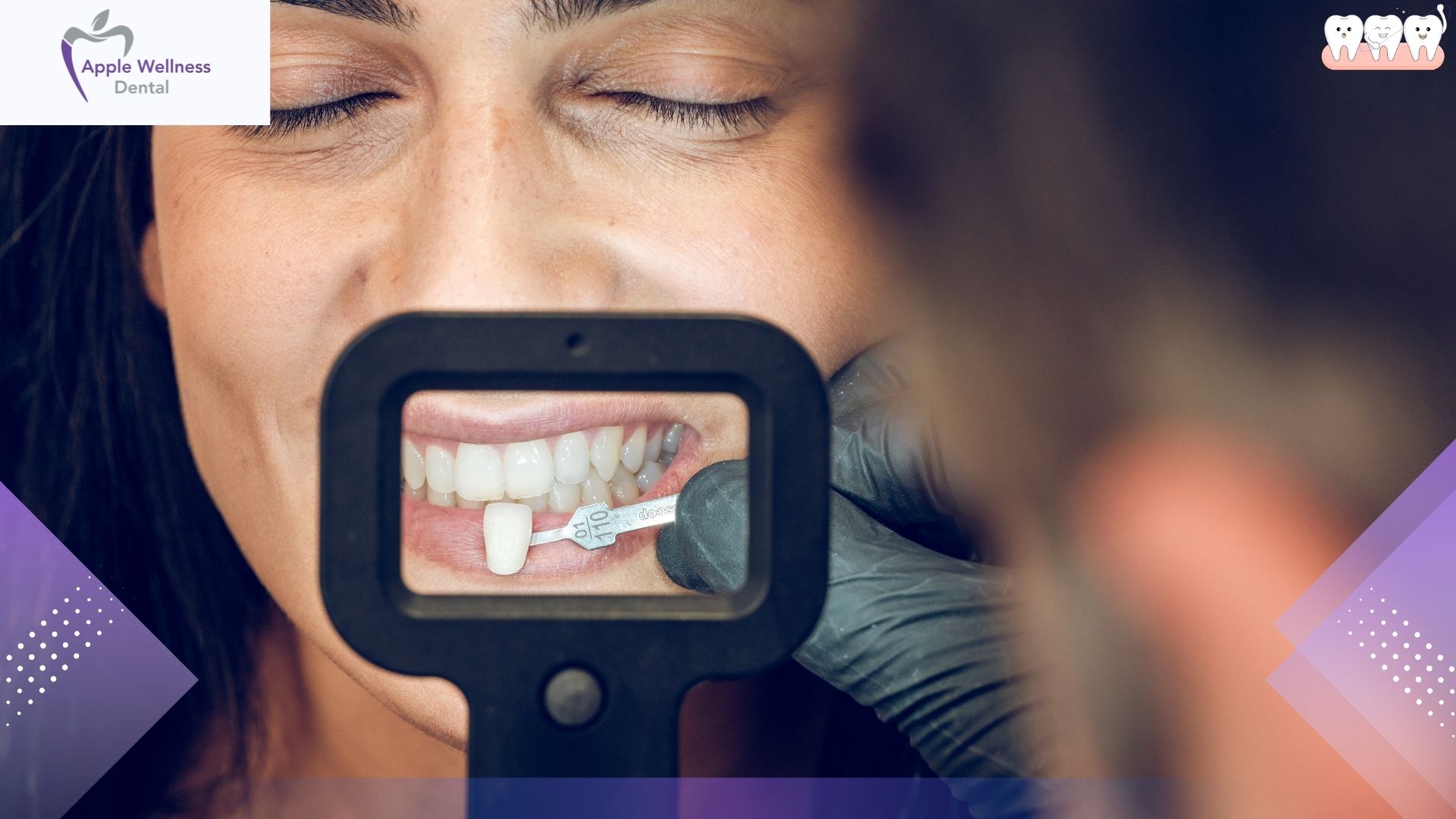
When researching dental aesthetics, many patients weigh porcelain veneers against composite resin veneers. While composite is a highly accessible entry point, the long-term economics often favor porcelain.
| Feature | Porcelain Veneers | Composite Veneers |
|---|---|---|
| 2026 Average Cost (Per Tooth) | $900 – $2,500 | $300 – $800 |
| Lifespan | 10 to 15+ Years | 4 to 8 Years |
| Stain Resistance | Extremely High (Impervious) | Moderate (Prone to coffee/wine stains) |
| Aesthetic Quality | Highly translucent, mimics natural enamel | Good, but can appear more opaque |
| Procedure Time | 2 to 3 visits (Lab fabrication required) | 1 visit (Chairside application) |
As Dr. Sarah Jenkins, a leading researcher in prosthodontics, explains: “The initial investment in porcelain restorations often deters patients. But when calculating the cost-per-year over a two-decade lifespan, porcelain consistently outperforms composite materials in both financial value and structural integrity.”
The Step-by-Step Veneer Process (and What You Are Paying For)
The premium price tag of porcelain veneers covers much more than just the ceramic shells. It encompasses hours of clinical chair time, highly technical laboratory artistry, and advanced dental technology. The standard procedure unfolds across several meticulous phases.
- Comprehensive Consultation and Diagnostic Wax-up: The journey begins with a detailed evaluation. Dentists utilize 3D imaging and take physical or digital impressions. A “diagnostic wax-up” is then created, allowing the patient to preview their new smile before any irreversible work is done.
- Enameloplasty (Tooth Preparation): To ensure the veneers do not appear bulky, the dentist must perform an enameloplasty. This involves gently removing a microscopic layer of enamel (usually 0.3mm to 0.5mm) from the front surface of the teeth. This permanent alteration is done under local anesthesia.
- Provisional (Temporary) Veneers: Because custom porcelain takes several weeks to fabricate in a dental lab, the dentist will craft and bond acrylic temporary veneers to protect the prepared teeth and prevent sensitivity.
- Master Ceramist Fabrication: The digital scans are sent to a specialized laboratory. Here, ceramists layer different opacities of porcelain, firing them in a kiln to mimic the exact shade, contour, and light-reflecting properties of natural human teeth.
- Final Cementation: During the final visit, the temporaries are removed. The teeth are etched with a mild acid, coated with a bonding agent, and the permanent veneers are affixed using a specialized photopolymer luting agent (resin cement) that hardens instantly under a curing light.
Additional and “Hidden” Fees to Consider
When budgeting for your aesthetic dental journey, it is vital to account for ancillary costs that might not be included in the base per-tooth quote. Transparency is key to a positive clinical experience.
Consultation and diagnostic fees often start the process. Digital X-rays, 3D cone beam computed tomography (CBCT) scans, and the aforementioned diagnostic wax-up can add $300 to $800 to the total bill. Additionally, any underlying oral health issues—such as active periodontal (gum) disease or dental caries (cavities)—must be fully resolved before placing veneers, adding restorative costs.
Perhaps the most critical additional investment is a custom-fitted occlusal guard (night guard). Research indicates that up to 85% of patients with aesthetic restorations are advised to wear a protective appliance nightly. Bruxism (teeth grinding) can exert immense occlusal forces that will easily chip or fracture even the strongest ceramic. A professional night guard typically costs between $400 and $700.
How to Finance Your Smile Makeover in 2026
Because porcelain veneers are categorized as an elective aesthetic procedure, standard dental insurance plans rarely provide coverage. However, the dental industry has evolved to offer numerous pathways to make this investment highly accessible for the average consumer.
Third-party financing remains the most popular route. Companies like CareCredit and various specialized medical lenders offer customized payment plans. These programs often feature introductory periods of 12 to 24 months with 0% interest for qualifying applicants, allowing patients to break a $10,000 procedure into manageable monthly payments.
Some dental practices also provide in-house membership plans or staged treatment protocols. In a staged approach, a patient might begin with the top four central incisors one year, and complete the adjacent lateral incisors and canines the following year, effectively splitting the financial burden across multiple tax cycles.
Are Porcelain Veneers Worth the Investment?
Beyond the raw financial metrics, the return on investment (ROI) for porcelain veneers is heavily rooted in psychology and social perception. A healthy, symmetrical smile profoundly impacts self-confidence, interpersonal relationships, and even professional advancement.
Data from the American Academy of Cosmetic Dentistry (AACD) highlights the social weight of dental aesthetics. Their comprehensive surveys show that over 74% of adults believe an unattractive smile can actively hinder career success. Furthermore, individuals with corrected, vibrant smiles consistently report higher self-esteem and an increased willingness to engage in public speaking or social networking.
From a clinical standpoint, porcelain is unparalleled. Unlike natural enamel, high-grade dental ceramic is virtually impervious to stains from coffee, tea, red wine, or tobacco. With diligent maintenance, the brilliant shade chosen on day one remains the exact shade ten years down the line.
Maintenance and Protecting Your Investment
To maximize the lifespan of your veneers and ensure your investment pays dividends for decades, rigorous oral hygiene is non-negotiable. While the porcelain itself cannot decay, the natural tooth structure underneath and the surrounding gingival (gum) tissue remain vulnerable.
Patients must use non-abrasive toothpaste. Whitening toothpastes often contain harsh silicas that, over time, can scratch the highly polished surface of the ceramic, dulling its shine and making it susceptible to plaque accumulation. A soft-bristled toothbrush and daily flossing are mandatory to prevent marginal decay—cavities that form at the precise seam where the veneer meets the natural tooth.
Regular professional prophylaxis (cleanings) every six months ensures that dental hygienists can monitor the integrity of the bonding agent and polish the restorations safely. According to the Canadian Dental Association, consistent preventative care is the single greatest determinant of long-term restorative success.
Frequently Asked Questions (FAQ)
Does getting porcelain veneers hurt?
The procedure is generally minimally invasive and painless. Dentists use profound local anesthesia during the enamel preparation phase, ensuring you feel no discomfort, though some mild temperature sensitivity is common for a few days post-operation.
Can I whiten my porcelain veneers if they get dull?
No, traditional bleaching agents do not work on dental ceramics. Fortunately, porcelain is highly stain-resistant; if your veneers appear dull, a professional polishing by your dental hygienist is usually all that is needed to restore their original luster.
What happens if a porcelain veneer falls off or chips?
While rare, a veneer can de-bond or chip under extreme pressure. If it comes off intact, a dentist can often re-bond it; however, a severely chipped or fractured veneer will typically require complete replacement at the standard per-tooth cost.
Do porcelain veneers ruin your natural teeth?
Veneers do not ruin teeth, but the process is irreversible. Because a fraction of a millimeter of natural enamel must be removed for a seamless fit, the tooth will always require a veneer or a crown to remain protected.
Are there cheaper alternatives to porcelain?
Yes, composite resin bonding is a more affordable alternative, costing roughly a third of the price. However, composite lacks the durability and lifelike translucency of porcelain and typically requires replacement every five to seven years.
Conclusion
Investing in your smile is one of the most profound commitments you can make to your personal and professional well-being. While the upfront costs in 2026 reflect the advanced technology and specialist expertise required, the resulting durability, flawless aesthetics, and boost in self-confidence make porcelain restorations an exceptionally sound long-term investment. Whether you are addressing severe discoloration, minor misalignments, or structural chips, understanding the value behind the price tag empowers you to make an informed medical decision.
If you are ready to explore your cosmetic dentistry options and want a personalized cost breakdown, do not hesitate to seek professional guidance. Contact us today to schedule a comprehensive consultation and take the first step toward your ideal smile.
References
- American Dental Association. Information on Cosmetic Dentistry and Prosthodontics. https://www.ada.org
- American Academy of Cosmetic Dentistry. Statistical Data on the Social Impact of Smiles. https://www.aacd.com
- Canadian Dental Association. Guidelines on Restorative Dentistry Maintenance. https://www.cda-adc.ca
- WebMD. Oral Care and Dental Veneer Basics. https://www.webmd.com