
The Complete Guide to Vaping After a Tooth Extraction: Timelines, Risks, and Healing
When can I vape after tooth extraction? The definitive medical answer is that you should wait a minimum of 72 hours before using any electronic cigarette or vaping device. However, for optimal healing and to drastically reduce the risk of severe complications like dry socket, dental professionals strongly recommend waiting at least one full week (7 to 14 days) before resuming vaping. Navigating the recovery period requires a clear understanding of how both the physical act of inhaling and the chemical components of vape juice impact your body’s natural healing mechanisms.
Key Takeaways
- Minimum Wait Time: You must wait at least 72 hours after an extraction to vape, though 7 to 14 days is the recommended standard in 2026.
- The Suction Danger: The negative pressure created by drawing on a vape can instantly dislodge the protective blood clot in your socket.
- Nicotine’s Impact: Nicotine acts as a vasoconstrictor, reducing blood flow to the gums and delaying cellular regeneration.
- Dry Socket Risk: Vaping too soon increases your risk of developing alveolar osteitis (dry socket), an intensely painful condition requiring further medical intervention.
- Zero Nicotine Isn’t Entirely Safe: Even nicotine-free vapes pose a risk due to the physical suction and heat from the aerosolized chemicals.
The Biology of Tooth Extraction Healing
To understand why vaping poses such a significant threat to your recovery, it is essential to first understand how the human body heals following an oral surgery. When a tooth is removed from the jawbone, it leaves behind an empty cavity known as an extraction socket. Within minutes of the procedure, the body initiates a complex coagulation cascade.
Blood rushes into the empty socket and begins to clot. This blood clot is the crucial foundation for all subsequent healing. It acts as a biological bandage, protecting the exposed bone and highly sensitive nerve endings from the external environment. According to the American Dental Association, this clot also serves as the structural matrix where osteoblasts (bone-forming cells) and fibroblasts (tissue-forming cells) begin to reconstruct the jaw and gum tissue.
Research indicates that during the first 24 to 48 hours, this blood clot is incredibly fragile. It is loosely attached to the socket walls and can be easily disturbed by mechanical forces, temperature changes, or chemical irritants. If this clot is compromised, the entire healing process is interrupted, leading to severe pain and potential infection.
Why Vaping is Dangerous Post-Extraction
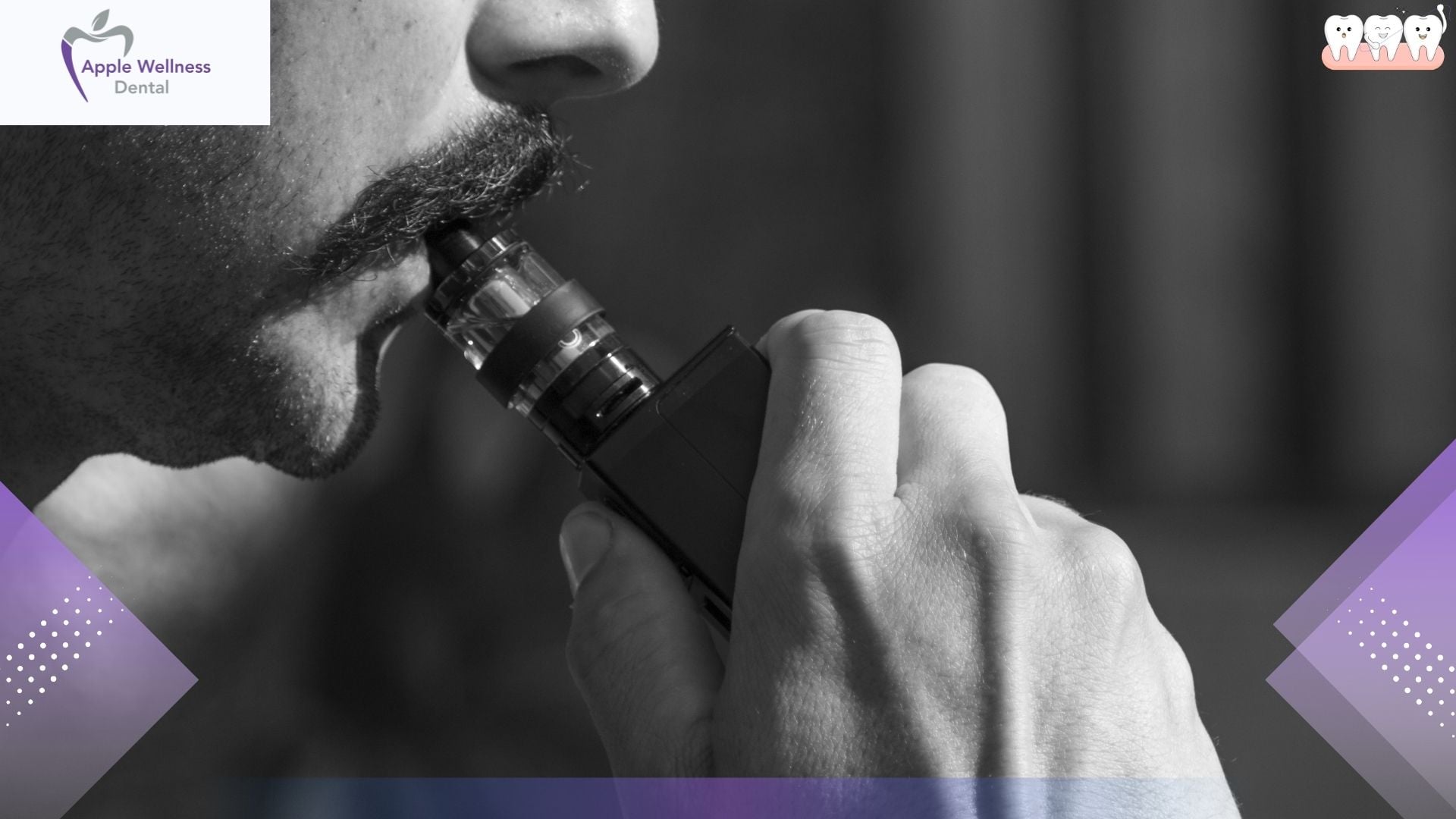
Vaping introduces three distinct threats to a fresh extraction site: negative pressure, chemical toxicity, and thermal damage. Each of these elements independently increases the likelihood of postoperative complications.
1. Negative Pressure (The Straw Effect)
The most immediate physical danger of vaping is the suction required to draw vapor from the device. When you inhale deeply through a restricted mouthpiece, you create significant negative pressure inside your oral cavity. The physics of this action are identical to drinking through a tightly packed straw.
This intraoral pressure can exceed 60 to 80 mm Hg, which is more than enough force to physically rip the delicate blood clot away from the socket walls. Once the clot is gone, it does not regenerate on its own. This leads directly to alveolar osteitis, commonly known as dry socket.
2. Nicotine-Induced Vasoconstriction
Nicotine is a potent systemic vasoconstrictor, meaning it causes your blood vessels to narrow and tighten. Healing tissues require a robust and continuous supply of oxygen and nutrients delivered via the bloodstream. Research demonstrates that nicotine can reduce microvascular cutaneous blood flow by up to 40% in peripheral tissues.
As the World Health Organization states, “Nicotine is highly addictive and harmful to health,” and its cardiovascular effects drastically impair the body’s ability to repair surgical wounds. By restricting blood flow to the gums, nicotine starves the extraction site of the essential white blood cells needed to fight off bacterial infections and the red blood cells needed to sustain the structural integrity of the clot.
3. Thermal and Chemical Irritation
Vapor from an e-cigarette is not merely harmless water. According to the Centers for Disease Control and Prevention, e-cigarette aerosol contains volatile organic compounds, ultrafine particles, and heavy metals. When inhaled, these aerosolized chemicals interact directly with the open wound in your mouth.
Furthermore, the heating coil in a vaping device can reach temperatures upwards of 200°C (392°F). While the vapor cools slightly before reaching the back of the throat, the localized heat can still cause inflammation in the traumatized gum tissue, exacerbating swelling and discomfort.
The Vaping Recovery Timeline
While every patient heals at a slightly different rate depending on their age, overall health, and the complexity of the extraction (e.g., a simple incisor removal versus an impacted wisdom tooth), standard 2026 medical guidelines offer a strict timeline for resuming vaping.
| Timeframe | Healing Phase | Vaping Risk Level | Recommendation |
|---|---|---|---|
| 0 – 24 Hours | Primary blood clot formation. Tissue is highly inflamed. | Extreme Danger | Absolute abstinence. Vaping now almost guarantees dry socket. |
| 24 – 72 Hours | Clot stabilization. Early cellular matrix begins to build. | High Risk | Strictly avoid. The clot is still highly susceptible to negative pressure. |
| 3 – 7 Days | Granulation tissue forms over the socket. Swelling subsides. | Moderate Risk | Can resume with extreme caution, though waiting is preferred. |
| 7 – 14 Days | Initial gum closure. The site is mostly protected. | Low Risk | Generally safe to resume normal vaping habits. |
Understanding Dry Socket (Alveolar Osteitis)
The primary reason oral surgeons emphasize the 72-hour abstinence period is to prevent alveolar osteitis, universally referred to as dry socket. This condition occurs when the blood clot fails to form, dissolves prematurely, or is physically dislodged.
Statistically, dry socket occurs in roughly 2% to 5% of all routine tooth extractions. However, that number jumps significantly for complex procedures. In cases involving impacted mandibular third molars (lower wisdom teeth), the incidence rate can spike to 20% or even 30% in patients who smoke or vape post-surgery.
The symptoms of dry socket are unmistakable and often described as far more agonizing than the original toothache. Without the protective clot, the underlying alveolar bone and delicate nerve endings are entirely exposed to air, food, and fluids. The pain typically radiates through the jaw and up toward the ear, presenting 3 to 4 days after the initial extraction. Other symptoms include profound halitosis (bad breath) and a foul taste in the mouth.
Actionable Tips: How to Minimize Risk if You Cannot Abstain
While the definitive medical advice is to abstain from vaping entirely for at least 72 hours, addiction to nicotine can make this incredibly challenging for some patients. If you find it impossible to wait the recommended timeframe, you must take strict precautions to minimize the risk to your surgical site.
- Wait at least 48 hours: Do everything in your power to avoid vaping for the first two days. The first 48 hours are the most critical window for clot stabilization.
- Do not fully seal your lips: When you do vape, do not create a tight seal around the mouthpiece. Leave space for ambient air to enter your mouth alongside the vapor. This drastically reduces the negative pressure inside your oral cavity.
- Inhale very gently: Take the lightest, shortest draws possible. Avoid “sub-ohm” vaping or using devices with highly restrictive airflow (such as many disposable pod systems), as these require forceful suction.
- Protect the surgical site: Before taking a draw, gently place a piece of clean, sterile medical gauze over the extraction socket. Bite down softly to keep it in place. This provides a temporary physical barrier against suction and chemical irritants. Remove the gauze immediately afterward to avoid disrupting the site.
- Switch to Zero-Nicotine (Temporarily): If your device allows for e-liquid customization, switch to a 0mg nicotine juice for the first week. While this does not eliminate the risk of negative pressure, it prevents the severe vasoconstriction caused by nicotine, giving your tissues a better chance to heal.
- Rinse gently: After vaping, use a warm saltwater rinse (half a teaspoon of salt in eight ounces of warm water). Do not swish aggressively; simply let the water pool over the extraction site and allow it to fall passively out of your mouth into the sink.
Nicotine Alternatives During the Healing Phase
To safely navigate the extraction recovery period without risking dry socket, patients should consider alternative nicotine delivery systems. The American Association of Oral and Maxillofacial Surgeons consistently notes that avoiding oral suction and inhaled smoke or vapor is critical.
Transdermal nicotine patches are widely considered the safest alternative during oral surgery recovery. Because the patch delivers nicotine directly through the skin, it completely eliminates the risks associated with negative pressure, heat, and oral chemical irritation. While the systemic vasoconstriction effects of nicotine remain, removing the suction element practically eliminates the risk of dry socket.
Nicotine lozenges and gums should be approached with caution. While they do not require inhalation, the physical act of chewing gum can disrupt the surgical site, and the concentrated nicotine pooling in the saliva can directly irritate the healing socket. If utilizing lozenges, do not suck on them actively; let them dissolve passively on the opposite side of your mouth.
When to Contact a Professional
Even with strict adherence to postoperative protocols, complications can occasionally arise. It is crucial to monitor your extraction site closely. Normal healing involves mild swelling, slight oozing of blood for the first 24 hours, and manageable pain that steadily decreases each day.
You should contact your dental provider immediately if you experience severe pain that worsens after the third day, if you notice an empty-looking socket where a dark clot used to be, or if you develop a fever and severe swelling. These are hallmark signs of alveolar osteitis or a secondary infection requiring professional intervention, which may include packing the socket with a medicated dressing to soothe the exposed nerves.
Frequently Asked Questions
Can I vape through my nose after a tooth extraction?
While exhaling vapor through the nose or attempting to inhale through the nose eliminates the negative pressure in the mouth, it is still not recommended. The nicotine absorbed into the bloodstream will still cause significant vasoconstriction, severely delaying your body’s ability to heal the extraction socket.
Does a zero-nicotine vape cause dry socket?
Yes, even a zero-nicotine vape can cause dry socket. While it removes the danger of vasoconstriction, the physical suction required to use the device still creates negative pressure that can effortlessly dislodge your protective blood clot.
How do I know if I have dislodged my blood clot?
If the blood clot is dislodged, you will typically experience a sudden, sharp increase in pain 3 to 5 days after the surgery. The pain may radiate to your ear or eye on the same side of your face, and you may notice a foul odor or an unpleasant taste in your mouth.
Is vaping safer than smoking cigarettes after an extraction?
Neither is safe. While vaping eliminates the combustion and tar associated with traditional cigarettes, the negative pressure required to vape is often stronger than smoking a cigarette, meaning the physical risk of dislodging the clot remains incredibly high.
Can I use a weed pen or THC vape after extraction?
The same rules apply to THC vapes as nicotine vapes. The primary danger—suction causing negative pressure—is identical. You must wait a minimum of 72 hours before using any type of inhalation device.
Conclusion
The journey to a full and painless recovery following a tooth extraction requires patience and strict adherence to medical guidelines. The negative pressure, chemical exposure, and circulatory restriction associated with e-cigarettes present overwhelming risks to your fragile extraction site. By committing to abstaining from vaping for at least 72 hours—and ideally for a full week—you safeguard your oral health and prevent the agonizing complication of dry socket. If you are experiencing unusual pain, suspect you may have developed a dry socket, or need personalized guidance on your postoperative care, please do not hesitate to reach out for professional assistance. Contact us today to ensure your recovery remains on track.
References
- American Dental Association (ADA) – Clinical guidelines on tooth extraction and postoperative care.
- Centers for Disease Control and Prevention (CDC) – Data on e-cigarette aerosol composition and chemical impacts.
- American Association of Oral and Maxillofacial Surgeons (AAOMS) – Patient resources for alveolar osteitis prevention.
- World Health Organization (WHO) – Reports on the systemic effects of nicotine on vascular health and tissue regeneration.