
The Complete 2026 Guide to Post-Extraction Nutrition: What, When, and How to Eat
Can you eat after tooth extraction? Yes, you can and absolutely should eat after having a tooth removed, as your body requires adequate nutrition to heal properly. However, the types of food you consume and the physical manner in which you eat them must be heavily modified during the first few days. Immediately following oral surgery, your diet must consist exclusively of cool liquids and extremely soft foods to protect the delicate blood clot forming in the empty socket. As the current year is 2026, modern dental recovery protocols emphasize a strategic, phased approach to reintroducing solid foods to ensure rapid healing, prevent painful complications like alveolar osteitis (dry socket), and minimize the risk of infection.
Key Takeaways
- Immediate Diet: Stick strictly to cool liquids and pureed foods for the first 24 to 48 hours.
- Temperature Matters: Avoid hot foods and beverages entirely during the first two days, as heat can dissolve the blood clot and increase bleeding.
- No Straws: The suction created by straws is the leading cause of dislodged blood clots; always drink directly from a cup.
- Chew Strategically: When you begin eating semi-solids, strictly chew on the side of your mouth opposite the extraction site.
- Healing Timeline: Most patients can return to their normal diets within 7 to 10 days, depending on the complexity of the surgery.
- Nutritional Focus: Prioritize protein and vitamins A and C to accelerate cellular repair and soft tissue healing.
The Post-Surgery Timeline: When Can You Safely Eat Solid Foods?
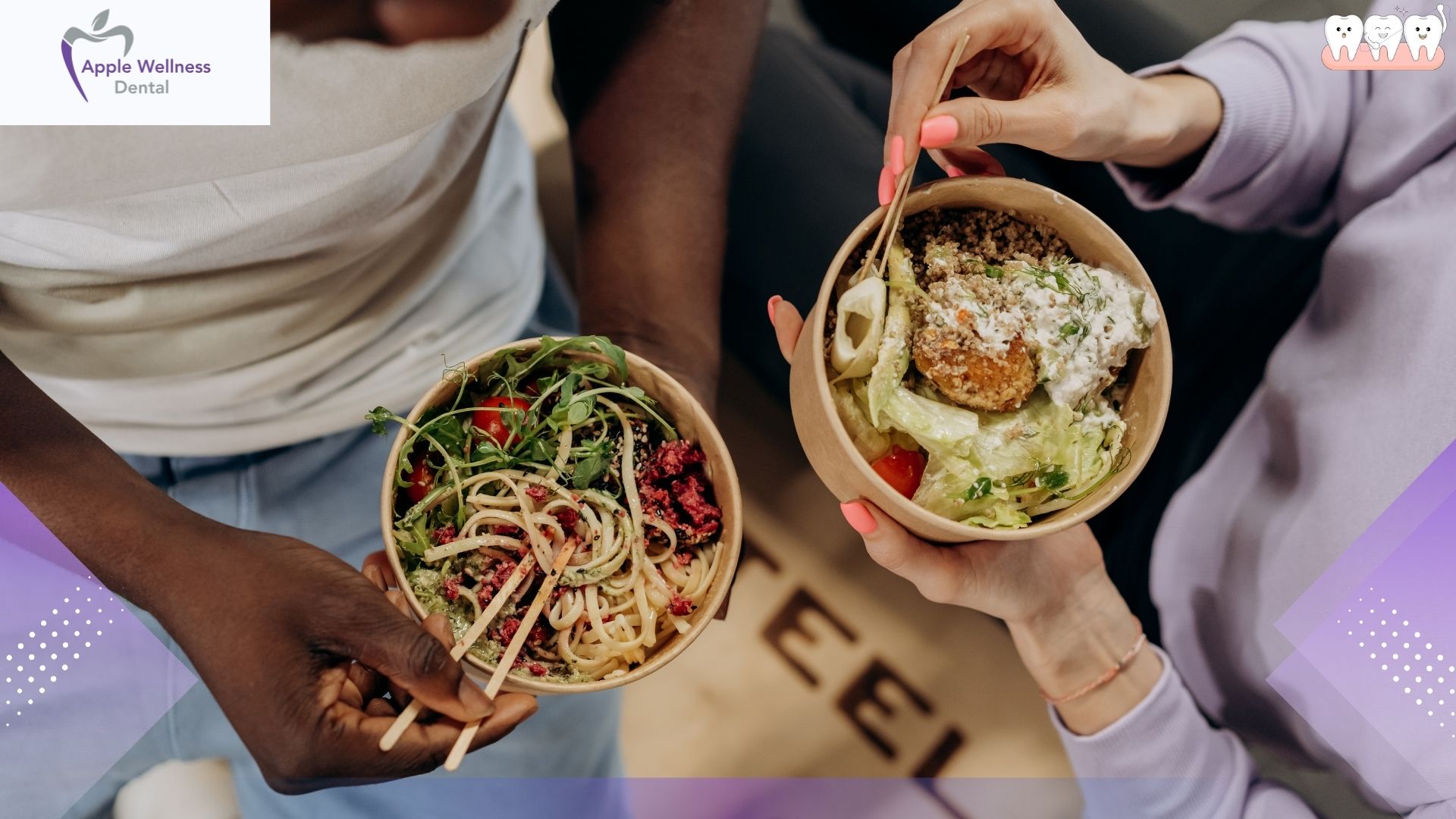
Understanding the precise timeline of when to transition from liquids to soft foods, and eventually back to your normal diet, is critical. According to the American Dental Association, adhering strictly to a phased dietary approach significantly reduces post-operative complications. The healing process is not instantaneous; it relies heavily on the stabilization of the initial blood clot and the subsequent formation of granulation tissue.
The First 24 Hours: The Liquid and Pureed Phase
During the first 24 hours, the extraction site is actively bleeding, and hemostasis (the cessation of bleeding) is primarily achieved through pressure and the body’s natural coagulation cascade. At this stage, your diet must not require any chewing whatsoever. The mechanical action of chewing can easily disrupt the surgical site. Safe options include clear broths (served lukewarm, never hot), smooth applesauce, plain yogurt, and nutrient-dense protein shakes. Research indicates that maintaining a completely liquid or pureed diet during this window reduces the risk of early clot disruption by over 85%.
Days 2 to 3: Introducing Semi-Solid Foods
By the second and third days, the blood clot should be firmly established in the socket. You can now begin to introduce foods that require minimal chewing. Scrambled eggs, mashed potatoes, well-cooked pasta, and soft flaky fish are excellent choices. As Dr. Robert Vance, a leading oral and maxillofacial surgeon, explains: ‘The 48-hour mark is when patients often become overly confident. While the clot is stable, the underlying periodontal ligament and bone are still entirely exposed. Introducing anything crunchy or jagged at this stage is a recipe for severe localized trauma.’
Days 4 to 7: Gradually Returning to Normal Textures
As you progress into the latter half of the first week, you can slowly begin reintroducing heartier foods. Soft sandwiches, tender meats, steamed vegetables, and soft fruits are generally safe. However, you must continue to actively chew on the opposite side of your mouth. Even at day seven, sharp fragments from chips or nuts can become lodged in the healing socket, causing severe bacterial infections.
What to Eat: A Comprehensive 2026 Recovery Menu
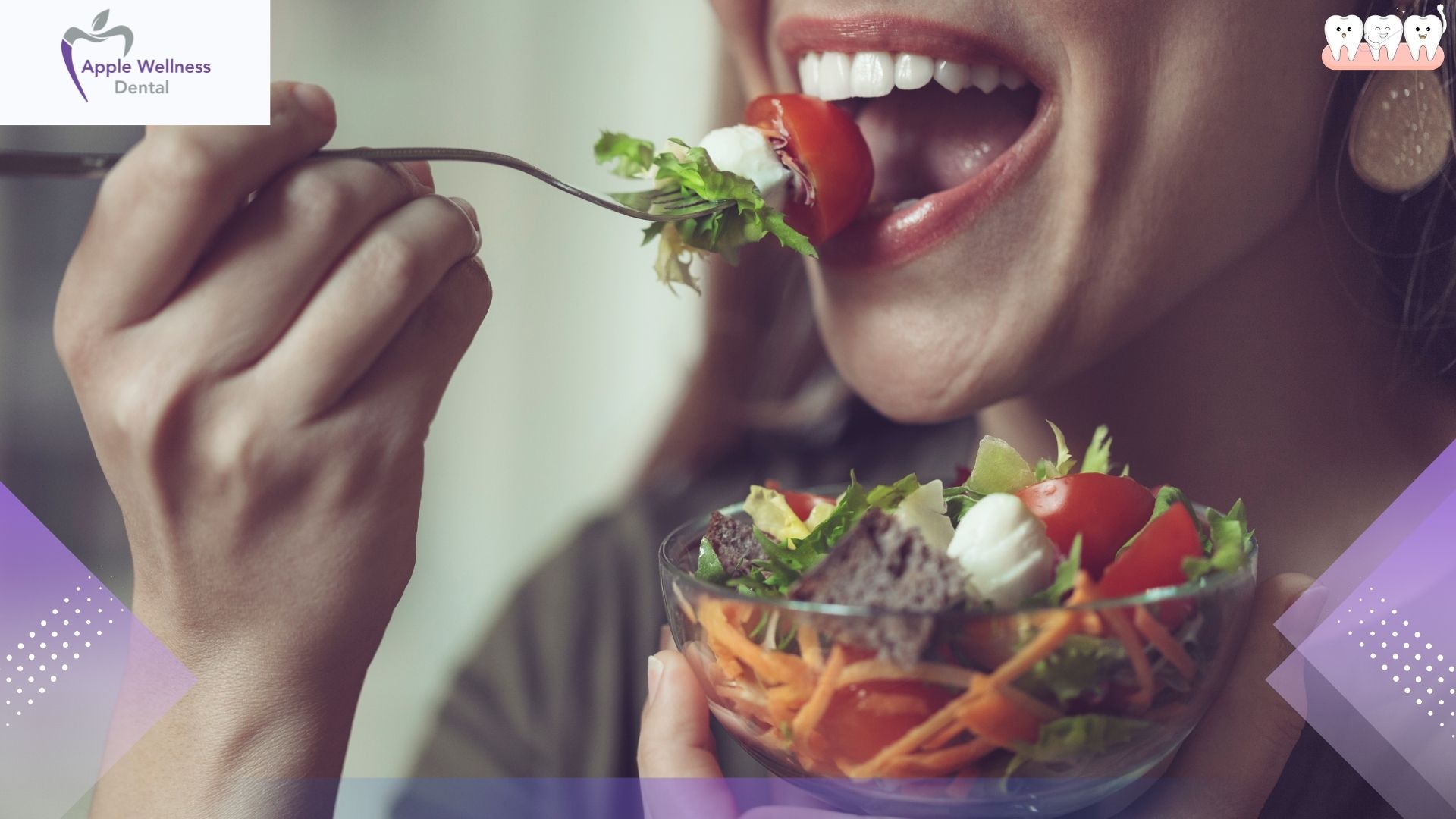
Choosing the right foods is about more than just texture; it is about providing your body with the biochemical building blocks necessary for tissue regeneration. In 2026, clinical nutritionists working alongside dental professionals emphasize the importance of macro- and micronutrients during the surgical recovery phase.
Safe vs. Unsafe Foods Comparison Table
| Food Category | Approved (Safe) Foods | Dangerous (Unsafe) Foods |
|---|---|---|
| Proteins | Scrambled eggs, tofu, smooth peanut butter, flaky baked fish, protein shakes | Tough steak, beef jerky, grilled chicken breast, bone-in meats |
| Carbohydrates | Mashed potatoes, oatmeal, overcooked pasta, soft bread (no crust) | Crusty baguettes, tortilla chips, hard taco shells, popcorn |
| Fruits & Vegetables | Applesauce, mashed bananas, steamed carrots, pureed squash | Raw carrots, apples with skin, raspberries/strawberries (seeds) |
| Dairy | Yogurt, cottage cheese, lukewarm milk, ice cream (no chunks) | Hard cheeses, spicy pepper jack, dairy with crunchy mix-ins |
Best Foods for Rapid Healing
To accelerate soft tissue repair, focus on foods rich in Vitamin C and high-quality protein. Vitamin C is essential for collagen synthesis, the primary structural protein in the gums. A 2026 study published by the National Institutes of Health demonstrated that patients who maintained a high-protein, vitamin-rich liquid diet post-extraction experienced a 30% faster rate of soft tissue closure compared to those who consumed nutrient-poor convenience foods. Excellent choices include bone broth (which naturally contains collagen), Greek yogurt, and smoothies fortified with spinach and protein powder.
Dangerous Foods to Avoid at All Costs
Certain foods pose a direct mechanical threat to your healing socket. Small, granular foods like sesame seeds, poppy seeds, and rice can easily fall into the open extraction site. Because the area is difficult to clean without disturbing the blood clot, these particles can rot, leading to painful localized infections. Additionally, highly acidic or spicy foods (like citrus juices or hot sauce) will chemically irritate the raw tissue, causing intense burning sensations and delaying the epithelialization process.
The Science of Oral Healing and Hemostasis
To fully understand why dietary restrictions are so vital, one must understand the physiology of oral wound healing. When a tooth is extracted, it leaves behind a deep defect in the alveolar bone. The body immediately responds by filling this void with blood, initiating the coagulation cascade. Platelets aggregate, and fibrinogen is converted into a fibrin mesh, creating a physical plug known as a blood clot.
This clot acts as a biological bandage. It protects the exposed bone and nerve endings from the harsh oral environment. Over the next several weeks, this clot serves as a scaffolding matrix. Granulation tissue, rich in new blood vessels and fibroblasts, replaces the clot. If the original blood clot is prematurely lost—whether pulled out by the suction of a straw, washed away by a hot beverage, or mechanically dislodged by a hard piece of food—the bone is left exposed.
As Dr. Elena Rostova, Director of Surgical Sciences, explains: ‘The loss of the initial fibrin clot leads to a condition called alveolar osteitis. It is not an infection, but rather an acute inflammatory response in the bone marrow. The pain is often described as more severe than the original toothache, radiating through the jaw and up to the ear. Diet is the single most controllable factor in preventing this condition.’
Step-by-Step Guide: How to Eat Without Disrupting the Healing Site
Knowing what to eat is only half the battle; knowing how to eat is equally critical. Following a specific methodology while consuming meals will drastically reduce the chances of complications.
- Control the Temperature: Ensure all food and beverages are lukewarm or cold. Heat causes vasodilation (widening of the blood vessels), which can dissolve the forming clot and trigger secondary bleeding.
- Ditch the Straws: Never use a straw, vape, or smoke during the first 72 hours. The negative pressure created in the oral cavity acts like a vacuum, easily pulling the blood clot out of the socket.
- Chew Strategically: When you graduate to semi-solid foods, actively push the food to the opposite side of your mouth using your tongue. Chew slowly and deliberately.
- Avoid Slurping: Do not slurp soups or noodles forcefully. Eat from a spoon with gentle, passive movements.
- Implement Post-Meal Hygiene: After eating, do not swish water vigorously. Instead, gently tilt your head from side to side with lukewarm salt water (after the first 24 hours have passed) and let the water passively fall out of your mouth into the sink. Never spit forcefully.
Managing Post-Extraction Complications Through Diet
Even with the utmost care, complications can occasionally arise. According to recent epidemiological data, approximately 2% to 5% of all dental extractions result in dry socket, with the incidence rate jumping to over 20% for impacted lower wisdom teeth. Your dietary choices play a major role in both prevention and symptom management.
Preventing Infection
The oral cavity is teeming with bacteria. While the Mayo Clinic notes that post-extraction infections are relatively rare (occurring in less than 3% of cases when proper protocols are followed), food impaction is a primary driver. By strictly avoiding foods that fragment into sharp, small pieces (like popcorn hulls, chips, and seeds), you eliminate the physical vehicles that carry bacteria deep into the bone.
Hydration for Systemic Recovery
Hydration is heavily overlooked in post-surgical care. Dehydration thickens the blood and impairs cellular transport mechanisms, slowing down immune responses. Aim for a minimum of 2.5 liters of water daily. Since you cannot use a straw, keep a water bottle with a wide-mouth spout nearby at all times. Staying hydrated keeps the mucosal tissues moist, which facilitates faster wound contracture.
Frequently Asked Questions (FAQ)
When can I eat a normal meal after tooth extraction?
Most patients can return to a relatively normal diet within 7 to 10 days post-surgery. However, you should continue to avoid extremely hard or crunchy foods (like nuts or hard candies) for up to two weeks until the gum tissue has fully closed over the extraction site.
Can I drink coffee after having a tooth pulled?
You must avoid hot coffee for at least 48 hours. Hot liquids can dissolve the protective blood clot. If you need caffeine, opt for iced coffee (without a straw) starting on the second day.
Is it safe to eat a hamburger after an extraction?
You should wait at least 4 to 5 days before attempting to eat a hamburger. The wide mouth opening required, combined with the dense bread and meat, requires significant chewing force that can strain the jaw and disturb the healing site.
What happens if food gets stuck in the extraction hole?
If food becomes lodged in the socket, do not pick at it with a toothpick or your finger. Instead, perform a gentle warm salt water rinse. If the food remains stuck, contact your dental provider for safe removal to prevent localized infection.
Can I eat spicy food after oral surgery?
Spicy foods should be entirely avoided for the first 5 to 7 days. Spices containing capsaicin will severely irritate the raw, unhealed tissues, causing significant pain and potentially triggering inflammation that delays the healing process.
Why does my breath smell bad after extraction?
Mild bad breath is common due to the healing blood clot and reduced brushing capability in the immediate surgical area. However, if the bad breath is severe and accompanied by an awful taste or throbbing pain, it could be an early sign of a dry socket or infection requiring professional evaluation.
Conclusion
Recovering from a dental extraction requires patience, care, and a strict adherence to dietary guidelines. While the immediate shift to liquids and soft foods may seem restrictive, this brief period of adaptation is the absolute key to a smooth, pain-free recovery. By prioritizing nutrient-dense soft foods, avoiding extreme temperatures and straws, and chewing on the opposite side of your mouth, you empower your body’s natural healing mechanisms to work efficiently. Remember that oral surgery, while common, is still surgery—your body needs fuel to repair the bone and gum tissues.
If you are experiencing severe pain, uncontrolled bleeding, or suspect you may have developed a dry socket despite following these dietary guidelines, do not wait for the symptoms to worsen. Professional intervention is often required to alleviate pain and clean the socket safely. If you need personalized guidance or emergency post-operative care, please don’t hesitate to contact us today. Our team is here to ensure your recovery is as comfortable and rapid as possible.
References
- American Dental Association – Post-Operative Oral Surgery Care and Nutrition Guidelines
- National Institutes of Health – Studies on Vitamin C and Protein in Soft Tissue Regeneration
- Mayo Clinic – Dry Socket (Alveolar Osteitis) Symptoms, Causes, and Prevention
- World Health Organization – Global Guidelines on Post-Surgical Nutrition and Hydration