
The Ultimate 2026 Guide: Navigating Your Diet After a Tooth Extraction
When can I start eating after tooth extraction? It is the most common and pressing question patients ask following oral surgery. The short answer is that you can begin consuming liquids and ultra-soft foods approximately 2 to 3 hours after the procedure, once the local anesthesia has completely worn off. Attempting to eat while your mouth is still numb significantly increases the risk of accidentally biting your tongue, cheeks, or lips, which can cause severe lacerations. However, transitioning back to a normal, solid diet is a gradual process that typically takes between 7 to 14 days, depending on the complexity of the extraction and your body’s unique healing rate.
Key Takeaways
- Wait for the Numbness to Fade: Do not consume any food for at least 2 to 3 hours post-surgery to avoid accidental soft tissue injury.
- First 24 Hours: Stick exclusively to cool, liquid, and ultra-soft foods like smoothies, yogurt, and applesauce.
- Avoid Suction: Never use a straw during the first 7 days; the negative pressure can dislodge the blood clot and cause dry socket.
- Temperature Matters: Avoid hot liquids and foods for the first 48 hours, as heat can dissolve the stabilizing blood clot.
- Chew Strategically: When you begin introducing semi-solid foods, always chew on the side of your mouth opposite the extraction site.
- Gradual Transition: Most patients can safely return to a normal, solid diet between 7 and 14 days post-extraction.
The Healing Timeline: What to Eat and When
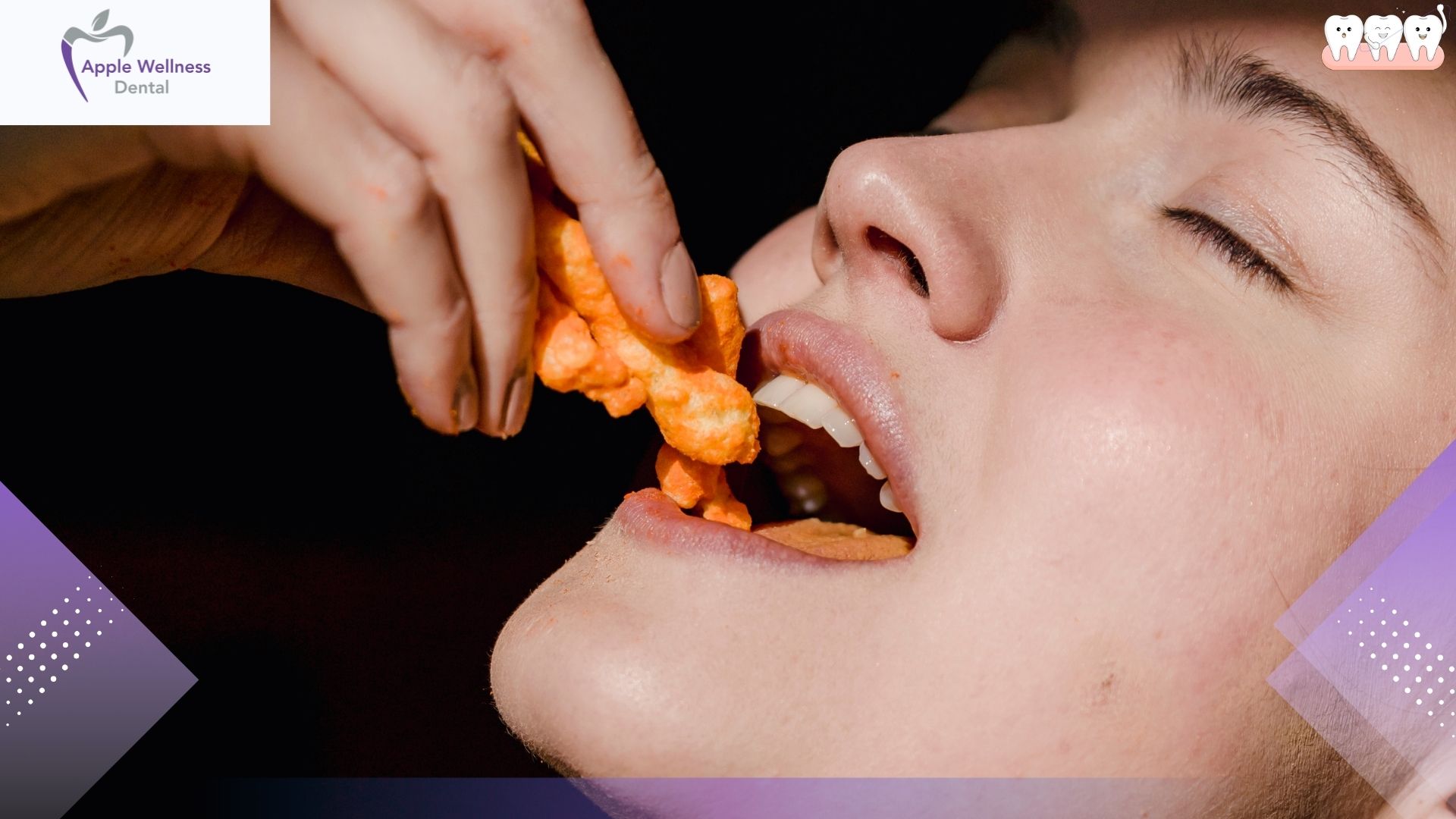
Understanding the physiological phases of oral recovery is crucial for preventing complications. Proper nutrition plays an instrumental role in tissue synthesis and immune defense. According to comprehensive guidelines from the American Dental Association, a structured dietary progression ensures that the delicate fibrin network forming in your socket remains undisturbed.
The First 24 Hours: Liquids and Ultra-Soft Foods
During the initial 24 hours, your primary goal is achieving hemostasis—the cessation of bleeding and the formation of a stable blood clot. Research indicates that adhering to a strict liquid and ultra-soft diet reduces the risk of early clot dislodgement by up to 85%. At this stage, your chewing efficiency drops by approximately 40%, making mechanical breakdown of food difficult and dangerous.
Focus on nutrient-dense options that require zero chewing. Smoothies (consumed from a glass, never a straw), protein shakes, Greek yogurt, chilled applesauce, and cold, pureed soups are excellent choices. Ensure all foods are kept below 120°F (49°C), as elevated temperatures can prematurely dissolve the newly formed clot and trigger secondary bleeding.
Days 2 to 3: Introducing Soft Chewing
By the second and third days, postoperative edema (swelling) typically peaks—often reaching its maximum between 48 to 72 hours. While the clot is more stable, the surrounding gingival tissue remains highly inflamed. You can begin introducing foods that require minimal, effortless chewing.
Scrambled eggs, mashed potatoes, well-cooked pasta, oatmeal, and cottage cheese are ideal during this window. “Patience is your greatest asset in oral recovery,” states Dr. Marcus Thorne, Chief of Oral and Maxillofacial Surgery at National Dental Health. “Rushing back into a normal diet is the leading cause of alveolar osteitis. Soft foods provide the necessary caloric intake without mechanically stressing the surgical site.”
Days 4 to 7: Transitioning to Semi-Solid Foods
As you approach the end of your first week, you will likely notice a significant reduction in pain and swelling. The socket is beginning to form granulation tissue, a protective layer of cells and blood vessels. At this stage, you can gently expand your culinary repertoire to include semi-solid foods.
Baked fish, soft bread (without crusts), steamed vegetables, and ground meats are generally safe. However, you must remain vigilant. Continue to chew strictly on the side of your mouth opposite the extraction site to prevent food particles from becoming trapped in the healing socket.
Comparison: Safe vs. Unsafe Foods During Recovery
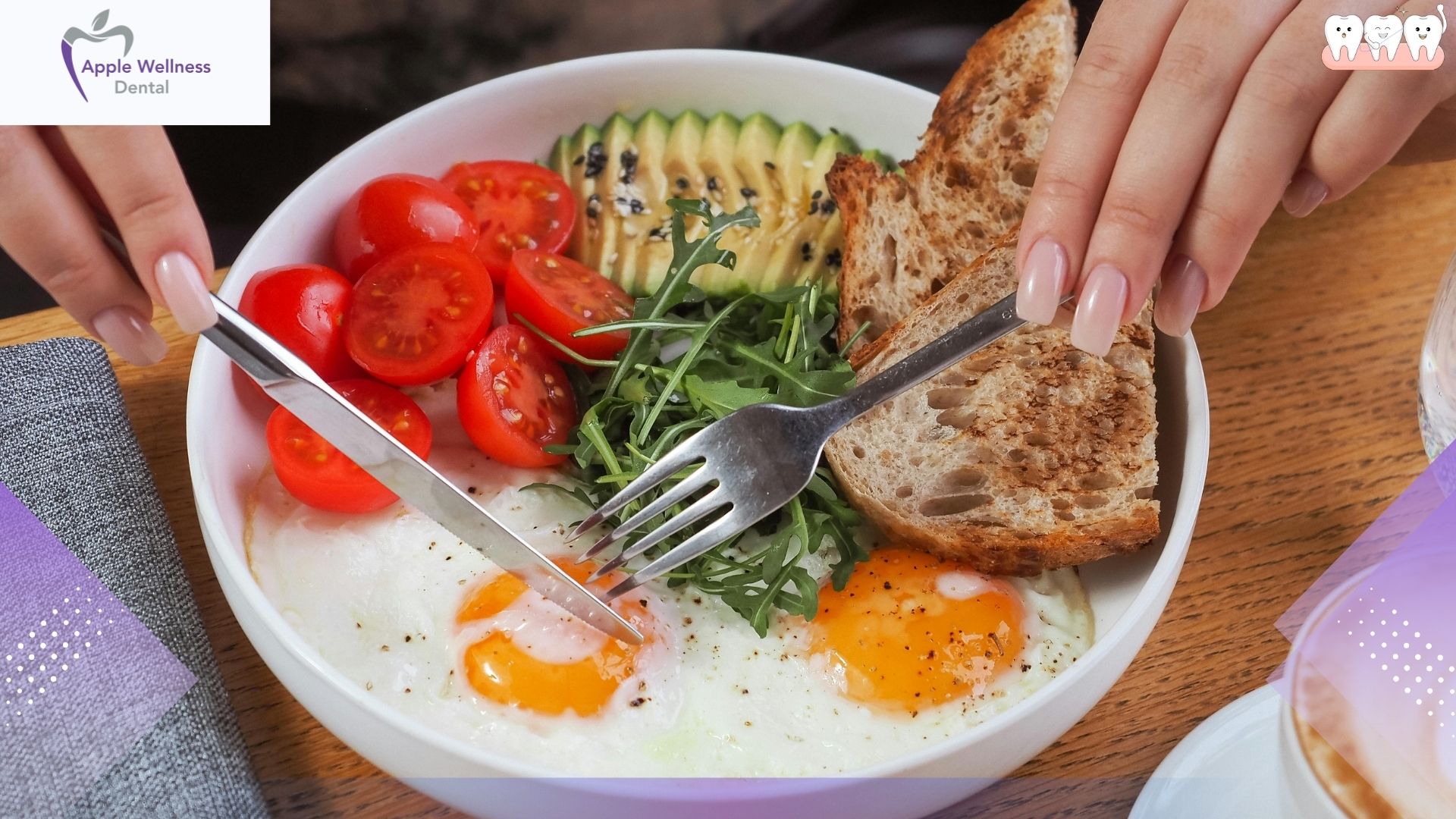
Navigating the grocery aisles post-extraction can be daunting. To simplify your recovery meal planning, refer to this definitive comparison of safe and hazardous foods during the critical healing phases.
| Recovery Phase | Safe, Recommended Foods | Dangerous Foods to Avoid |
|---|---|---|
| Days 1-2 | Smoothies, yogurt, pudding, applesauce, cold pureed soups, ice cream. | Anything requiring chewing, hot liquids (coffee/tea), spicy foods, acidic citrus juices. |
| Days 3-5 | Scrambled eggs, mashed potatoes, oatmeal, soft pasta, cottage cheese. | Crusty bread, chips, popcorn, nuts, seeds, sticky candies, chewy meats. |
| Days 6-14 | Baked fish, ground poultry, soft cooked vegetables, soft fruits (bananas, peaches). | Hard taco shells, raw carrots, tough steaks, foods with tiny seeds (strawberries, sesame). |
Step-by-Step: How to Eat Safely While Healing
It is not just what you eat, but how you eat that determines the success of your recovery. Implementing mindful eating practices will drastically lower your risk of postoperative complications.
- Wait for Anesthesia to Clear: Never attempt to consume anything other than plain water until all numbness has completely subsided. This typically takes 2 to 4 hours post-procedure.
- Control Food Temperature: Keep all meals lukewarm or cold for the first 48 hours. Heat causes vasodilation, increasing blood flow and potentially restarting the bleeding process.
- Master the “Opposite Side” Chew: Once you begin eating soft solids, consciously direct all food to the side of your mouth opposite the extraction. This minimizes the risk of food impaction in the surgical wound.
- Avoid All Suction Mechanics: Do not use straws, do not forcefully spit, and avoid slurping soups. As Dr. Elena Rostova, a leading periodontist, warns, “The mechanical force of a suction action through a straw generates negative intraoral pressure, which can instantly dislodge a stabilizing clot.”
- Implement Gentle Rinsing: After eating, do not aggressively swish water. Instead, starting 24 hours post-surgery, gently roll warm salt water around your mouth to dislodge stray food particles, letting the water fall passively into the sink.
The Danger of Dry Socket and How Diet Plays a Role
Alveolar osteitis, commonly known as dry socket, is the most dreaded complication following an extraction. Clinical data from the Centers for Disease Control and Prevention indicates that dry socket affects between 2% to 5% of all extractions, but the incidence rate skyrockets to up to 20% for lower impacted wisdom teeth.
A dry socket occurs when the protective blood clot fails to develop, dissolves prematurely, or is physically dislodged before the underlying bone and nerves have healed. When this happens, the highly sensitive alveolar bone is exposed to air, food, and oral bacteria, resulting in excruciating, radiating pain.
Dietary indiscretions are a primary culprit. Statistics reveal that approximately 70% of extraction complications stem from premature solid food consumption or the use of straws. Crunchy foods like potato chips or popcorn can fragment in the mouth; a single sharp edge can pierce the clot and rip it from the socket wall. Adhering strictly to your dentist’s soft food timeline is your best defense against this painful condition.
Nutritional Optimization for Faster Tissue Repair
Your body demands an influx of specific macronutrients and micronutrients to repair mucosal tissue and regenerate bone. A liquid or soft diet does not give you permission to consume only sugary puddings and ice cream. Strategic nutrition is vital.
“Nutrient-dense liquids not only protect the surgical site but provide the metabolic building blocks necessary for rapid mucosal repair,” explains Sarah Jenkins, R.D., a clinical nutritionist specializing in postoperative care. Adequate protein intake is particularly crucial; studies show that consuming high-quality protein accelerates tissue synthesis by up to 30% during the acute healing phase.
Additionally, focus on Vitamin C to boost collagen production, and Zinc to support overall immune function. Blending spinach, Greek yogurt, a high-quality protein powder, and soft fruits into a well-pureed smoothie provides an exceptional metabolic boost without compromising the safety of your surgical site.
Caring for Your Mouth Beyond Your Diet
While managing your diet is paramount, holistic postoperative care ensures the fastest path back to normalcy. Maintaining impeccable oral hygiene without disrupting the healing socket requires a delicate balance.
Continue brushing your remaining teeth twice daily, but carefully bypass the extraction site for the first 3 to 4 days. After 24 hours, begin warm saline rinses (mixing one teaspoon of salt into eight ounces of warm water) 3 to 4 times a day, particularly after meals. This mild antiseptic solution promotes healing and helps prevent localized infections by neutralizing oral bacteria.
Furthermore, elevate your head using extra pillows when sleeping during the first few nights. This reduces blood pressure in the cranial region, thereby minimizing throbbing pain and excessive swelling. “Proper vascularization of the socket relies on managing local inflammation,” notes Dr. William Chen, an expert in dental immunology. “Combining dietary compliance with physical rest yields the most predictable and comfortable recovery outcomes.”
Frequently Asked Questions (FAQ)
When can I eat a hamburger after a tooth extraction?
You should wait at least 7 to 10 days before attempting to eat a hamburger or any dense, chewy meat. Trying to bite into a burger too early requires aggressive incisor pressure and heavy chewing, which can easily damage the healing tissue or dislodge the blood clot.
Can I drink hot coffee the morning after my extraction?
No, hot liquids should be strictly avoided for at least 48 to 72 hours post-surgery. High temperatures dilate blood vessels and can dissolve the crucial blood clot, potentially leading to a painful dry socket or recurrent bleeding.
Is it safe to eat spicy foods during recovery?
Spicy foods must be avoided for at least the first 5 to 7 days. Capsaicin and other spices act as severe chemical irritants to the raw, healing surgical wound, causing intense stinging and increasing local inflammation.
How long do I need to avoid using a straw?
You must completely avoid using straws for a minimum of 7 days following your extraction. The suction creates negative pressure in the oral cavity that is strong enough to pull the stabilizing blood clot directly out of the socket.
Can I eat rice after a tooth extraction?
Rice should be avoided for the first week of recovery. Small grains of rice are notorious for slipping into the extraction socket, becoming trapped, and causing localized infections or severe irritation.
What should I do if food gets stuck in the extraction hole?
Do not use a toothpick, finger, or brush to dig it out. Instead, gently rinse your mouth with warm salt water. If the particle remains trapped after a few days and causes discomfort, contact your dental professional for safe irrigation.
Conclusion
Recovering from a tooth extraction requires patience, care, and a strict adherence to dietary guidelines. By prioritizing ultra-soft foods and liquids in the crucial first days, avoiding suction and extreme temperatures, and gradually transitioning back to solid meals, you set the stage for a smooth, complication-free healing process. Always listen to your body and never force yourself to chew solids before your mouth feels entirely ready.
If you are experiencing severe pain, prolonged bleeding, or suspect you may have developed a dry socket despite your best efforts, do not wait for the situation to worsen. Contact us today to schedule a follow-up appointment, and let our expert team ensure your recovery stays safely on track.