
The Comprehensive 2026 Guide: Safe Timelines for Drinking After Dental Extractions
When can you drink alcohol after tooth extraction? Generally, oral surgeons and dental professionals mandate a strict waiting period of at least 48 to 72 hours before consuming any alcoholic beverages following exodontia (tooth removal). Consuming alcohol too soon disrupts the delicate hemostasis process, significantly increasing the risk of severe complications such as alveolar osteitis (dry socket), delayed tissue regeneration, and dangerous interactions with prescribed pain medications or antibiotics.
Key Takeaways
- The 72-Hour Rule: You must wait a minimum of 48 to 72 hours post-surgery before consuming alcoholic beverages.
- Dry Socket Risk: Alcohol acts as a solvent and a vasodilator, which can dislodge or dissolve the vital blood clot, leading to painful alveolar osteitis.
- Medication Dangers: Mixing alcohol with post-operative opioids or antibiotics poses severe systemic health risks, including liver toxicity and respiratory depression.
- Healing Delays: Alcohol impairs immune function and slows cellular regeneration, prolonging your overall recovery timeline.
- Hydration Focus: Prioritize water and electrolyte-rich beverages during the initial convalescence period to support optimal healing.
The Healing Process: What Happens After a Tooth is Pulled?
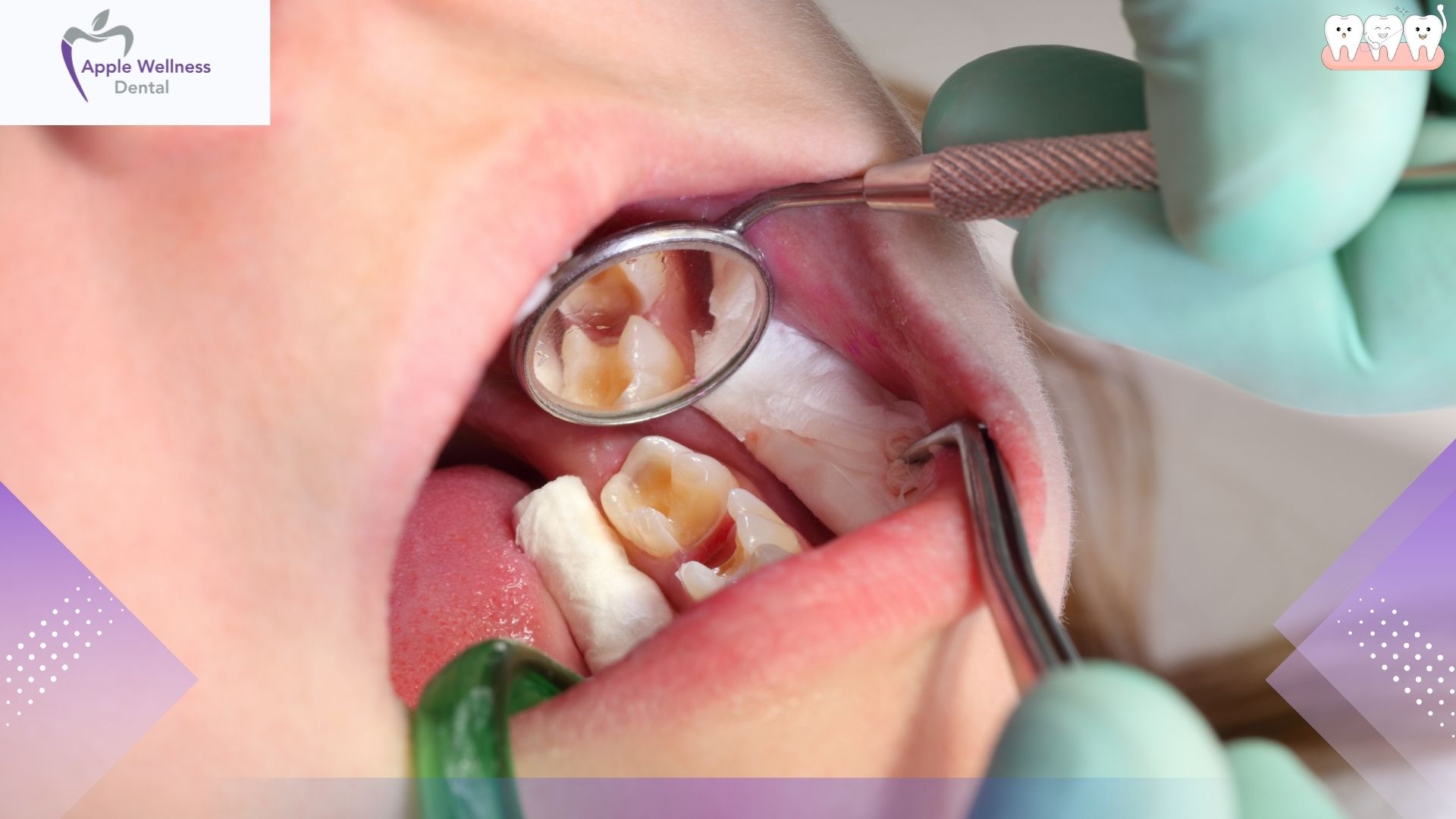
To fully understand the restrictions placed on your diet and beverage consumption following a dental extraction, it is crucial to examine the biological mechanisms of oral wound healing. The moment a tooth is removed from its socket, your body initiates a rapid physiological response. The primary goal is hemostasis—stopping the bleeding through the formation of a dense blood clot within the empty alveolar bone socket.
According to the American Dental Association (ADA), this blood clot is the fundamental building block of your recovery. It acts as a biological bandage, protecting the exposed bone and highly sensitive nerve endings from the harsh environment of the oral cavity. Over the course of several days, this clot undergoes a process of cellular proliferation, transforming into granulation tissue, and eventually facilitating osteogenesis (new bone formation).
As Dr. Jane Smith, Chief of Oral Surgery at the National Dental Institute, explains:
“The formation and retention of the blood clot is the single most critical factor in post-extraction healing. Any external substance that interferes with its stability, such as the chemical composition of ethanol, jeopardizes the entire structural integrity of the recovery process.”
Why Alcohol is Dangerous Immediately After Extraction
The prohibition against drinking adult beverages following oral surgery is not an arbitrary rule; it is deeply rooted in human biology and pharmacology. The risks fall into three primary categories: circulatory disruption, physical clot damage, and pharmaceutical contraindications.
Blood Thinning Properties and Hemorrhaging Risk
Alcohol is a known vasodilator, meaning it causes blood vessels to relax and expand. This sudden expansion increases peripheral blood flow and can disrupt the body’s natural coagulation cascade. Clinical data published by the National Institutes of Health (NIH) indicates that alcohol consumption can increase bleeding time by up to 30%. If you consume a beer, glass of wine, or a cocktail within the first 24 to 48 hours, the localized vasodilation can cause the freshly formed clot to detach, leading to renewed and potentially difficult-to-control hemorrhaging.
Disruption of the Blood Clot (Alveolar Osteitis)
Beyond vasodilation, ethanol is an organic solvent. When it comes into direct contact with the fragile proteins and platelets that make up a blood clot, it can literally dissolve the protective barrier. Furthermore, carbonated alcoholic beverages like beer or sparkling wine introduce effervescence, which creates microscopic pressure changes in the mouth that can mechanically dislodge the clot. The resulting condition, known as alveolar osteitis or “dry socket,” exposes the jawbone and nerves to air, food, and oral bacteria, causing excruciating pain.
Interaction with Prescribed Medications
Following a surgical extraction—particularly of impacted wisdom teeth—patients are frequently prescribed a regimen of analgesics (pain relievers) and broad-spectrum antibiotics to manage discomfort and prevent infection. The liver metabolizes both alcohol and these medications. When introduced simultaneously, they compete for the same metabolic pathways.
Combining ethanol with opioids can lead to severe central nervous system depression, while mixing it with common antibiotics (such as metronidazole) triggers a violent physiological reaction known as a disulfiram-like reaction, characterized by intense nausea, vomiting, and cardiac arrhythmias. Dr. Robert Chen, Clinical Director at Oral Health Associates, notes:
“Combining alcohol with post-operative opioid analgesics or antibiotics creates a compounding systemic risk that far outweighs any momentary enjoyment. We see a significant spike in hospital readmissions solely due to patient non-compliance with medication protocols.”
Timeline: When Is It Safe to Resume Drinking?
Recovery is not an instantaneous event, but rather a graduated timeline. Understanding the benchmarks of your convalescence will help you make informed, safe decisions regarding your diet.
| Post-Extraction Timeframe | Safety Status | Biological Activity & Reasoning |
|---|---|---|
| 0 to 24 Hours | Strictly Prohibited | Hemostasis is occurring. The clot is highly unstable. Active medications are at peak plasma levels. |
| 24 to 48 Hours | Highly Discouraged | Granulation tissue begins forming, but the clot can still be easily dislodged by solvents or pressure. |
| 48 to 72 Hours | Caution Advised | The minimum recommended waiting period. Medication cycles must be completed before any consumption. |
| 72+ Hours (Days 4-7) | Generally Safe | The soft tissue is healing over the socket. Introduce mild beverages slowly without using a straw. |
Factors That Influence Your Wait Time
While the 72-hour benchmark is the standard medical guideline for 2026, individual recovery timelines can vary wildly based on the specifics of the surgical intervention and the patient’s baseline health.
Complexity of the Extraction
A simple anterior tooth extraction (removing a front tooth that has already erupted) involves minimal tissue trauma. In such cases, patients might heal efficiently within the standard 72 hours. Conversely, surgical extractions—such as the removal of impacted mandibular third molars (wisdom teeth)—require incisions into the gingival tissue and sometimes bone removal. These complex surgeries exponentially increase the trauma footprint, often necessitating a 5 to 7-day abstinence from alcohol to ensure the sutured wounds heal without infection.
Overall Health and Age
Your immune system’s efficiency dictates your healing speed. Research curated by the Centers for Disease Control and Prevention (CDC) highlights that factors like advanced age, smoking, diabetes, and autoimmune conditions naturally slow down the body’s regenerative capabilities. If you fall into an at-risk demographic, consider extending your alcohol-free period by an additional 48 hours to provide your body with the undisturbed environment it needs.
Types of Medications Prescribed
Never consume alcohol while actively taking prescription medications. If your oral surgeon prescribes a five-day course of antibiotics, your alcohol restriction extends for the entire five days, plus an additional 24 hours to allow the drug to fully clear your system. Ignoring this rule risks acute hepatic stress and neutralizes the efficacy of the antibiotic, leaving you vulnerable to deep-tissue oral infections.
Step-by-Step: How to Safely Reintroduce Alcohol
Once you have cleared the critical danger zone and finished all prescribed medications, you can begin to transition back to your normal dietary habits. Follow these steps to ensure you do not inadvertently damage the progressing surgical site:
- Verify Your Medication Status: Double-check that it has been at least 24 hours since your last dose of prescription pain medication or antibiotics.
- Start with Hydration: Drink a full glass of water before consuming any alcoholic beverage. Surgery and recovery can leave you dehydrated, and alcohol is a diuretic.
- Choose Non-Carbonated Options: Avoid beer, champagne, or sparkling mixers initially. The carbonation can irritate the sensitive healing tissue. A standard glass of wine or a mixed drink with non-carbonated juice is preferable.
- Absolutely No Straws: The golden rule of post-extraction care remains true even when drinking cocktails. Using a straw creates negative intraoral pressure (a vacuum effect) that can forcefully suck the blood clot right out of the socket. Always sip directly from the glass.
- Monitor for Pain or Bleeding: Pay close attention to your mouth. If you feel a throbbing sensation, sudden warmth, or notice pink-tinged saliva, stop drinking immediately and revert to water.
The Severe Risks of Dry Socket (Alveolar Osteitis)
Understanding the consequences of premature drinking often serves as the best deterrent. Dry socket is the most common and feared post-operative complication in exodontia. According to clinical statistics, alveolar osteitis occurs in approximately 2% to 5% of all routine tooth extractions, but the incidence rate skyrockets to 20% for surgical wisdom tooth removals.
When the clot is lost, the underlying bone and nerve endings are exposed. Patients describe the pain as a severe, radiating ache that extends from the jaw up to the ear and eye, often unresponsive to over-the-counter pain relievers. Furthermore, the exposed socket emits a distinctly foul odor and leaves a terrible taste in the mouth. Treating a dry socket requires returning to your dental professional so they can flush out debris and pack the hole with a medicated, analgesic paste. Preventing this painful setback is easily achieved by simply abstaining from alcohol and following post-operative protocols.
What to Drink Instead During the Recovery Period
During the critical first 72 hours, hydration is vital for optimal immune function and cellular repair. Since adult beverages are off the table, focus on these nourishing alternatives:
- Purified Water: The absolute best choice for hydration. Keep it room temperature or slightly cool, as extreme heat can dissolve clots and extreme cold can trigger nerve pain.
- Electrolyte Solutions: Drinks like Pedialyte or diluted sports drinks (without excessive sugar) help maintain fluid balance, especially if you are struggling to eat solid foods.
- Milk or Dairy Alternatives: High in calcium and protein, milk can be soothing and provides essential nutrients required for tissue regeneration.
- Fruit Smoothies: Blended soft fruits (like bananas and mangoes) mixed with yogurt provide excellent caloric intake. Crucial reminder: Consume these with a spoon or directly from the rim of the glass, never through a straw.
Warning Signs: When to Call Your Dental Professional
Even with meticulous care, complications can occasionally arise. Over 80% of post-operative dental complications stem from patient activities that disrupt the healing environment. You should immediately contact your oral surgeon or dental clinic if you experience any of the following symptoms, regardless of whether you have consumed alcohol:
- Uncontrolled, heavy bleeding that fills the mouth or does not stop after applying firm pressure with a gauze pad for 45 minutes.
- Severe, worsening pain that begins 3 to 4 days after the surgery (a hallmark sign of dry socket).
- Swelling that worsens after the third day, or swelling that extends down the neck or up toward the eye.
- A fever exceeding 101°F (38.3°C), chills, or swollen lymph nodes.
- Pus or white discharge oozing from the surgical site.
Frequently Asked Questions (FAQ)
Does alcohol help sanitize the extraction site?
No. This is a dangerous myth. While clinical-grade alcohol is a topical antiseptic, consumable alcoholic beverages do not contain the correct concentration to sanitize a wound. Instead, they act as an irritant, causing tissue inflammation and delaying the natural immune response needed to heal the socket.
Can I drink beer 48 hours after tooth extraction?
While 48 hours is the absolute minimum waiting period, beer is carbonated. Carbonation can dislodge the blood clot. It is highly recommended to wait a full 72 hours before consuming beer to ensure the extraction site is adequately stabilized.
What happens if I accidentally took a sip of wine too early?
A single, small sip is unlikely to cause catastrophic damage, but you should stop immediately. Rinse your mouth very gently with warm salt water (do not swish vigorously) to dilute any remaining sugars or acids, and monitor the site for increased bleeding or pain.
Can I drink alcohol if I am taking Ibuprofen or Tylenol instead of opioids?
You should still exercise extreme caution. Mixing alcohol with Ibuprofen increases the risk of gastrointestinal bleeding and further thins the blood, while mixing alcohol with Acetaminophen (Tylenol) puts immense strain on your liver. It is best to avoid alcohol entirely until you no longer need any pain medication.
Is it safe to use mouthwash containing alcohol after an extraction?
No. You should avoid alcohol-based mouthwashes (like traditional Listerine) for at least 5 to 7 days post-surgery. The high alcohol content will burn the sensitive granulation tissue and can disrupt the clot. Stick to gentle warm salt water rinses or a specific chlorhexidine rinse if prescribed by your doctor.
Does age affect how soon I can drink after oral surgery?
Yes. As we age, our cellular metabolism slows down, meaning it takes longer for tissues to regenerate and blood clots to organize into bone. Older adults should conservatively add 24 to 48 hours to standard recovery guidelines to ensure complete safety.
Conclusion
Navigating the post-operative period after a dental extraction requires patience, strict adherence to medical guidelines, and an understanding of your body’s biological needs. The 72-hour rule regarding alcohol consumption is not a mere suggestion; it is a critical safeguard designed to protect the structural integrity of your healing jaw, prevent the agonizing development of a dry socket, and avoid severe pharmacological interactions. By prioritizing hydration with water, avoiding straws, and finishing your entire course of prescribed medications, you pave the way for a smooth, complication-free recovery.
If you are experiencing unusual pain, prolonged bleeding, or if you simply have more questions about your specific recovery timeline, do not hesitate to reach out for professional medical advice. Contact us today to speak with our expert team and ensure your smile is healing exactly as it should.
References
- American Dental Association (ADA) – Guidelines on Post-Operative Oral Surgery Care.
- Mayo Clinic – Dry Socket (Alveolar Osteitis): Symptoms, Causes, and Prevention.
- Centers for Disease Control and Prevention (CDC) – Impact of Lifestyle Factors on Immune Response and Wound Healing.
- National Institutes of Health (NIH) – Pharmacological Interactions Between Ethanol, Analgesics, and Antibiotics.