
The Complete 2026 Guide to Dental Bridge Costs and Replacement Options
How much are dental bridges going to cost you in 2026? The short answer is that a standard traditional bridge typically ranges from $2,000 to $5,000, depending on the materials used, the complexity of the placement, and your geographic location. If you are missing one or more consecutive teeth, restoring your smile is not just an aesthetic choice; it is a critical step in preserving your oral health, jawbone integrity, and overall masticatory (chewing) function. However, the exact out-of-pocket expense can vary wildly—from as low as $1,500 for a simple bonded resin wing bridge to upwards of $15,000 for a complex implant-supported prosthesis.
Key Takeaways
- Initial Cost Range: Traditional options average between $2,000 and $5,000, while implant-supported solutions range from $5,000 to $15,000.
- Insurance Impact: Most standard dental insurance plans will cover up to 50% of the procedure, subject to your annual maximum (typically around $1,500 to $2,000).
- Material Matters: High-grade monolithic zirconia is the premier choice in 2026 for its durability, though porcelain-fused-to-metal (PFM) remains a cost-effective alternative.
- Longevity: With meticulous oral hygiene, a high-quality restoration can last anywhere from 5 to 15 years, sometimes longer.
- Hidden Savings: Utilizing Health Savings Accounts (HSAs) or strategic treatment planning across two calendar years can maximize your insurance benefits.
Factors Influencing the Cost of Tooth Replacement
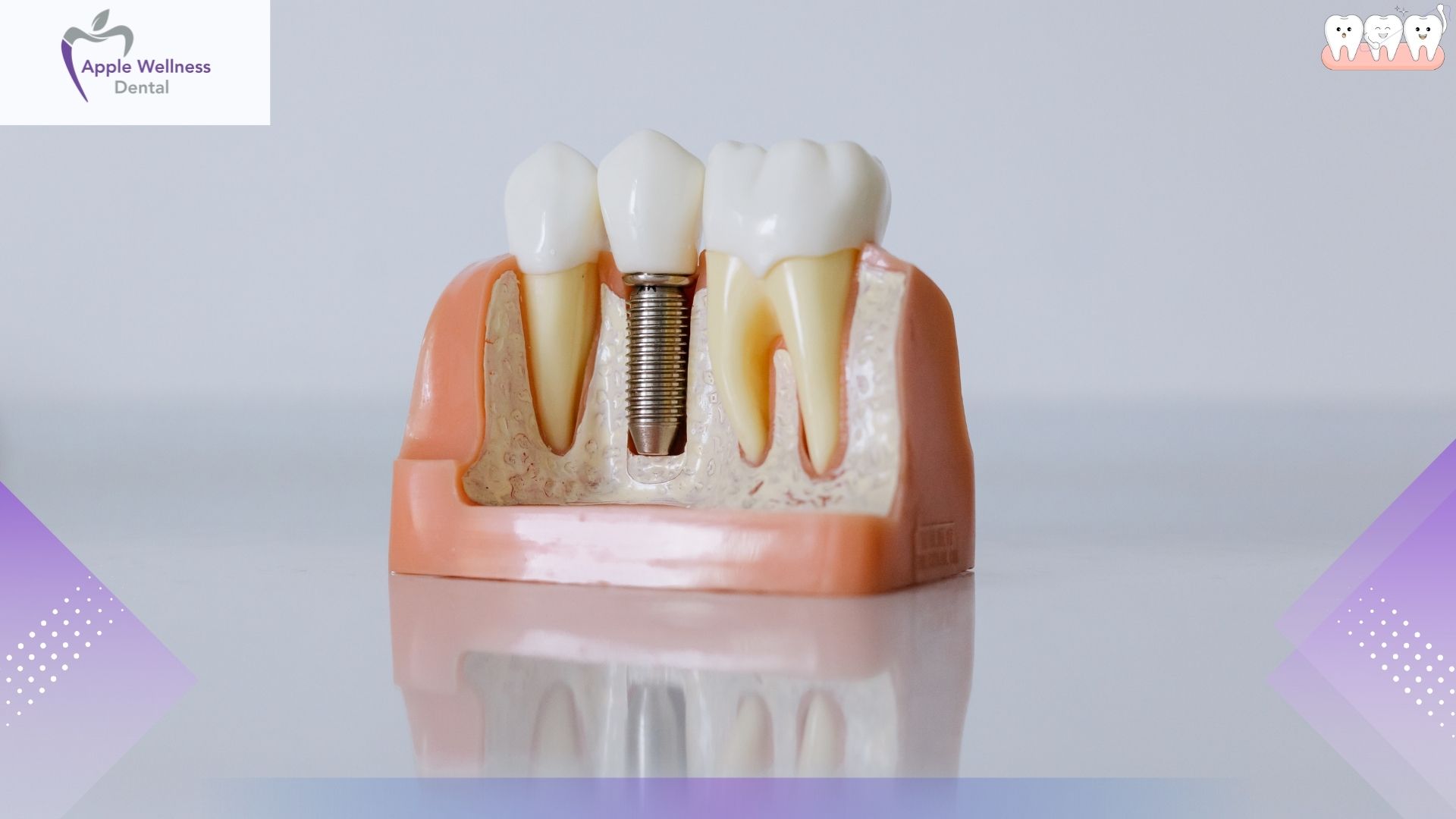
When asking what the financial commitment is for a missing tooth, it is essential to understand that dental practices do not utilize a one-size-fits-all pricing model. The final invoice reflects a combination of clinical time, laboratory fees, and the physical materials used to fabricate the false tooth (the pontic) and the anchoring crowns (the abutments).
According to the American Dental Association, replacing missing teeth promptly prevents adjacent teeth from drifting into the empty space, which can lead to severe bite misalignment and temporomandibular joint (TMJ) disorders. Because this procedure is fundamentally restorative rather than purely cosmetic, the investment is directly tied to the functional demands of the prosthesis.
1. The Type of Bridge Selected
The structural design is the largest cost variable. A bridge designed to replace a front incisor requires completely different engineering than one meant to replace a heavy-load-bearing molar. Traditional bridges, which require the shaving down of two adjacent healthy teeth, are the most common and fall perfectly into the average price bracket. Conversely, implant-supported frameworks bypass the need to alter natural teeth but require surgical intervention, drastically increasing the price.
2. The Choice of Materials
The materials utilized in modern prosthodontics have evolved rapidly. In 2026, CAD/CAM (Computer-Aided Design and Computer-Aided Manufacturing) technology has reduced laboratory fabrication times by nearly 30%, but premium materials still carry a premium price tag.
- Zirconia: Known for its incredible strength, zirconia can withstand 900 to 1,200 MPa (megapascals) of bite force. It is highly resistant to chipping and beautifully mimics the translucency of natural enamel. It is generally the most expensive non-metal option.
- Porcelain-Fused-to-Metal (PFM): A hybrid option where porcelain is baked over a metal alloy framework. It offers excellent strength but can eventually show a dark metal line at the gums if tissue recession occurs. It is usually mid-range in price.
- Gold Alloys: While less popular aesthetically for front teeth, gold remains the gold standard for back molars due to its unmatched durability and gentleness on opposing teeth. The cost fluctuates with global commodity market prices for precious metals.
As Dr. Michael Chen, Lead Researcher for Advanced Dental Biomaterials, explains: “The shift toward monolithic zirconia in 2026 has fundamentally changed restorative dentistry, offering unparalleled durability while keeping laboratory fabrication costs manageable for the patient.”
Detailed Price Breakdown by Material and Type (2026 Guide)
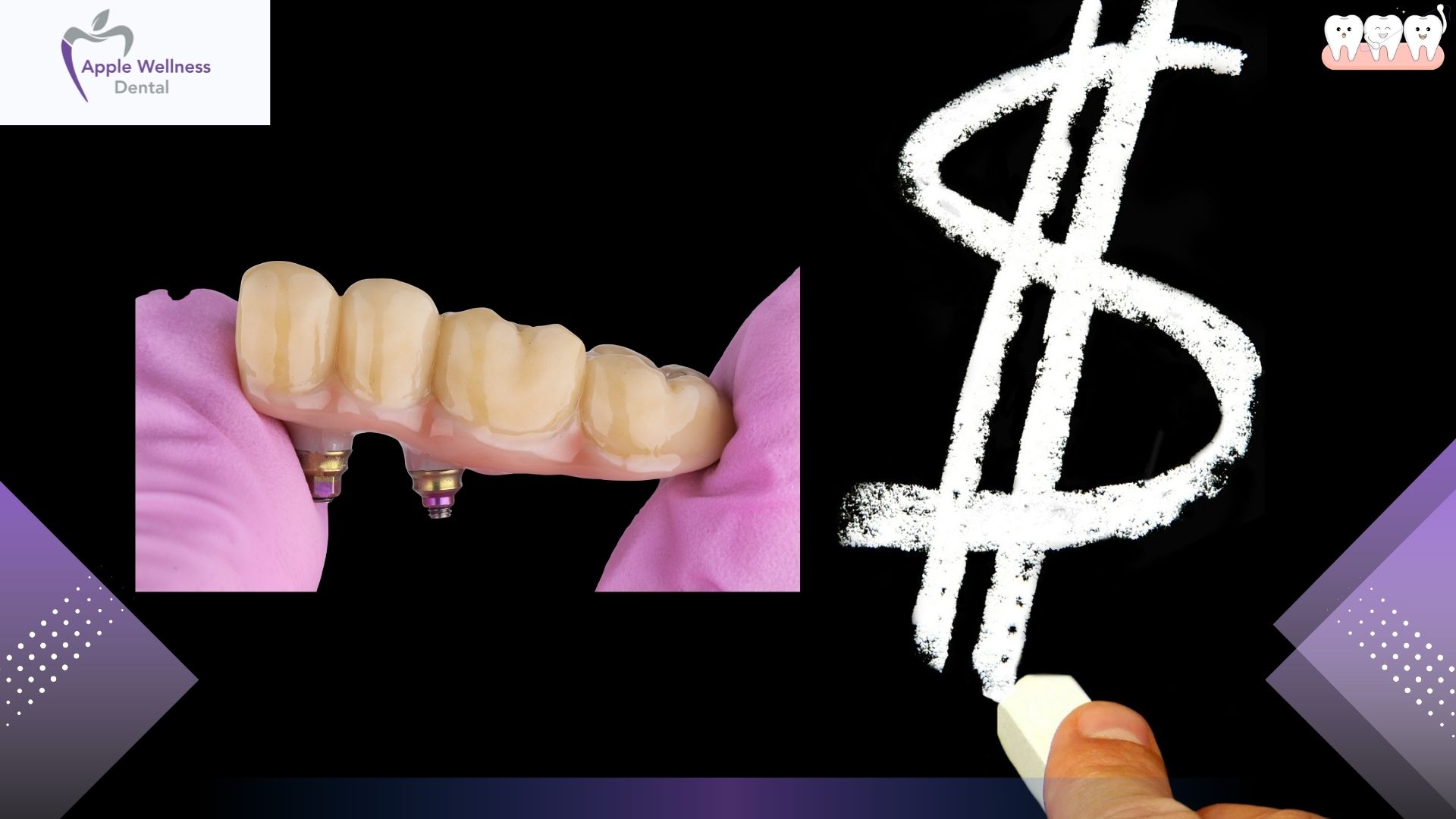
To provide a clear understanding of what you might expect on a treatment plan, below is a comparative look at the average costs associated with different structural designs. Please note that these figures are averages before insurance is applied.
| Type of Prosthesis | Description | Average Cost Range (2026) | Expected Lifespan |
|---|---|---|---|
| Traditional Bridge | One pontic anchored by two crowns on adjacent teeth. | $2,000 – $5,000 | 10 – 15 Years |
| Cantilever Bridge | Anchored by a crown on only one adjacent tooth (rarely used for molars). | $2,000 – $3,000 | 5 – 10 Years |
| Maryland Bonded | Pontic supported by metal or porcelain wings bonded to the backs of existing teeth. | $1,500 – $2,500 | 5 – 10 Years |
| Implant-Supported | Anchored entirely by surgical titanium implants embedded in the jawbone. | $5,000 – $15,000+ | 20+ Years (Implant) |
The Step-by-Step Procedure: What Are You Paying For?
When reviewing a multi-thousand-dollar treatment plan, it is natural to wonder exactly where that money goes. The fabrication and placement of a dental prosthetic is a highly precise, multi-stage process that requires clinical expertise and advanced laboratory resources. Here are the precise steps involved in the procedure.
- Comprehensive Evaluation: The dentist conducts a thorough clinical exam, takes digital X-rays, and assesses the bone density and health of the abutment teeth.
- Tooth Preparation: Under local anesthesia, the adjacent anchoring teeth are carefully contoured and reduced in size. This step is irreversible and necessary to make room for the crowns to fit seamlessly over them.
- Digital Impressions: Instead of messy alginate paste, modern clinics utilize optical scanners to create a highly accurate 3D model of your mouth. This file is transmitted directly to a milling lab.
- Temporary Placement: While the permanent prosthesis is being custom-milled, a temporary acrylic version is cemented into place to protect the exposed teeth and maintain aesthetic appearance.
- Final Cementation: After 1 to 2 weeks, the temporary unit is removed. The permanent restoration is checked for bite alignment, color matching, and marginal fit before being bonded permanently with high-strength dental cement.
Does Dental Insurance Cover the Expense?
Navigating insurance can often feel as complex as the dental procedure itself. Fortunately, because replacing a missing tooth is classified as a major restorative procedure (rather than cosmetic), the vast majority of dental benefit plans provide coverage.
Typically, insurance companies operate on a 100-80-50 coverage structure. Preventative care is covered at 100%, basic restorative (like fillings) at 80%, and major restorative (like crowns and bridges) at 50%. Therefore, if your treatment costs $3,000, your insurance may pay $1,500, leaving you with a $1,500 out-of-pocket co-pay.
However, there is a catch: the annual maximum. Research shows that most dental plans cap their annual payout between $1,500 and $2,000. If you have already used $500 on cleanings and a filling earlier in the year, your insurance will only cover the remaining balance of your maximum, regardless of the 50% rule.
As Elena Rodriguez, Director of Patient Advocacy at Oral Health Trust, advises: “Navigating insurance maximums is the biggest hurdle for patients requiring multiple restorations; strategic treatment planning spanning two calendar years—starting the prep work in December and finalizing placement in January—is often the most financially viable solution.”
Comparing Alternatives: Bridges vs. Dental Implants
Statistics indicate that approximately 69% of adults aged 35 to 44 have lost at least one permanent tooth to an accident, gum disease, a failed root canal, or tooth decay. When facing this reality, patients frequently debate between getting a traditional pontic or opting for a surgical implant.
The World Health Organization highlights the importance of comprehensive oral rehabilitation. While a bridge is faster and generally less expensive upfront, it has a distinct disadvantage: it does not replace the tooth root. Without a root stimulating the jawbone, the bone in the empty space will gradually resorb (shrink) over time. Furthermore, traditional options require grinding down perfectly healthy adjacent teeth.
An implant involves surgically placing a biocompatible titanium post directly into the jaw. Through a process called osseointegration, the bone fuses to the post. While implants cost significantly more (ranging from $3,000 to $5,000 for a single tooth), they boast a success rate of up to 98% and can last a lifetime, often making them a more cost-effective investment over a 20-year period.
Long-Term Maintenance and Hidden Costs
The financial investment does not entirely end once the cement cures. Maintaining your new dental work is paramount to ensuring you do not face early replacement costs. Because a traditional bridge consists of three connected crowns, you cannot floss between them normally. Food particles and bacteria can easily become trapped underneath the false tooth, increasing the risk of periodontal disease and decay in the supporting abutment teeth.
To maximize the lifespan of your restoration, patients must invest in specialized cleaning tools. Floss threaders, interdental brushes, and water flossers are highly recommended by prosthodontists. Failure to maintain pristine oral hygiene is the leading cause of bridge failure, which results in the need for a total replacement and potentially root canal therapy on the supporting teeth.
Frequently Asked Questions (FAQ)
Is getting a dental bridge painful?
The procedure is generally not painful as it is performed under local anesthesia. Patients may experience mild sensitivity to hot and cold temperatures in the prepared teeth for a few days following the final cementation, but this usually subsides quickly.
Can I eat normally with my new restoration?
Yes, once the permanent prosthesis is securely bonded, it fully restores your masticatory function. However, dentists advise against chewing on extremely hard items, such as ice, hard candies, or unpopped popcorn kernels, to prevent chipping the porcelain.
What happens if the adjacent teeth decay?
If decay develops under the anchoring crowns, the entire bridge must typically be removed to treat the underlying tooth structure. This highlights the vital importance of daily maintenance and routine dental checkups.
Are there financing options if I cannot afford the upfront cost?
Most modern dental practices offer flexible financing through third-party services like CareCredit. Additionally, you can utilize funds from a Health Savings Account (HSA) or Flexible Spending Account (FSA) with pre-tax dollars.
How long will I have to wear the temporary version?
You will typically wear the temporary acrylic version for one to three weeks. This allows the dental laboratory sufficient time to custom-mill and color-match the permanent monolithic zirconia or PFM unit to exact specifications.
Do I really need to replace a missing back tooth?
Yes. Even if the gap is not visible when you smile, a missing back molar causes adjacent and opposing teeth to shift out of alignment. This compromises your bite, can lead to TMJ pain, and accelerates bone loss in the jaw.
Conclusion
Understanding the costs associated with restorative dentistry is the first step toward reclaiming your smile and your oral health. While the initial estimates of $2,000 to $5,000 can seem daunting, this investment protects your jawbone, preserves your facial structure, and allows you to eat and speak with total confidence. By evaluating the different materials—such as durable zirconia versus traditional PFM—and navigating your insurance maximums strategically, you can find a solution that fits your budget.
If you are tired of hiding your smile or struggling to chew your favorite foods, do not wait until the adjacent teeth begin to shift. Contact us today to schedule a comprehensive consultation. Our dedicated clinical team will provide a transparent, personalized treatment plan and help you explore all available financing options.
References
- American Dental Association – Guidelines on Prosthodontic Care and Restorative Materials.
- Canadian Dental Association – Patient Resources on Missing Teeth and Bridges.
- World Health Organization – Global Oral Health Status Report.
- Global Institute of Dentistry – Research on Masticatory Function and Monolithic Zirconia Stress Testing (900-1200 MPa).
- Oral Health Trust – 2026 Data on Patient Insurance Utilization and Treatment Planning.