
Understanding Adjacent Tooth Pain After Wisdom Teeth Removal
Experiencing pain in your adjacent or opposite teeth after a wisdom tooth extraction is a completely normal physiological response caused primarily by referred pain, localized tissue inflammation, and temporary alterations in your bite alignment. Because all your teeth share major neural pathways—specifically branches of the trigeminal nerve—the surgical trauma involved in extracting a third molar often sends distress signals that your brain interprets as aching in completely healthy, untouched neighboring teeth. Additionally, the periodontal ligaments supporting your adjacent second molars can become inflamed and bruised during the surgical elevation process, resulting in a temporary sensation of shifting or pressure.
Key Takeaways
- Referred pain is the primary culprit; nerve signals from the extraction site often radiate to adjacent teeth, making them ache even though they are healthy.
- Inflammation of the periodontal ligament occurs due to surgical pressure, causing neighboring teeth to feel tender when biting down.
- Sinus proximity plays a major role in upper extractions, where postoperative sinus pressure can mimic a toothache in upper premolars and molars.
- Most sympathetic tooth pain peaks around 48 to 72 hours post-surgery and completely resolves within 7 to 14 days.
- Severe, throbbing pain that radiates to the ear or neck after day four may indicate alveolar osteitis (dry socket) and requires professional evaluation.
The Anatomy of Post-Extraction Dental Pain
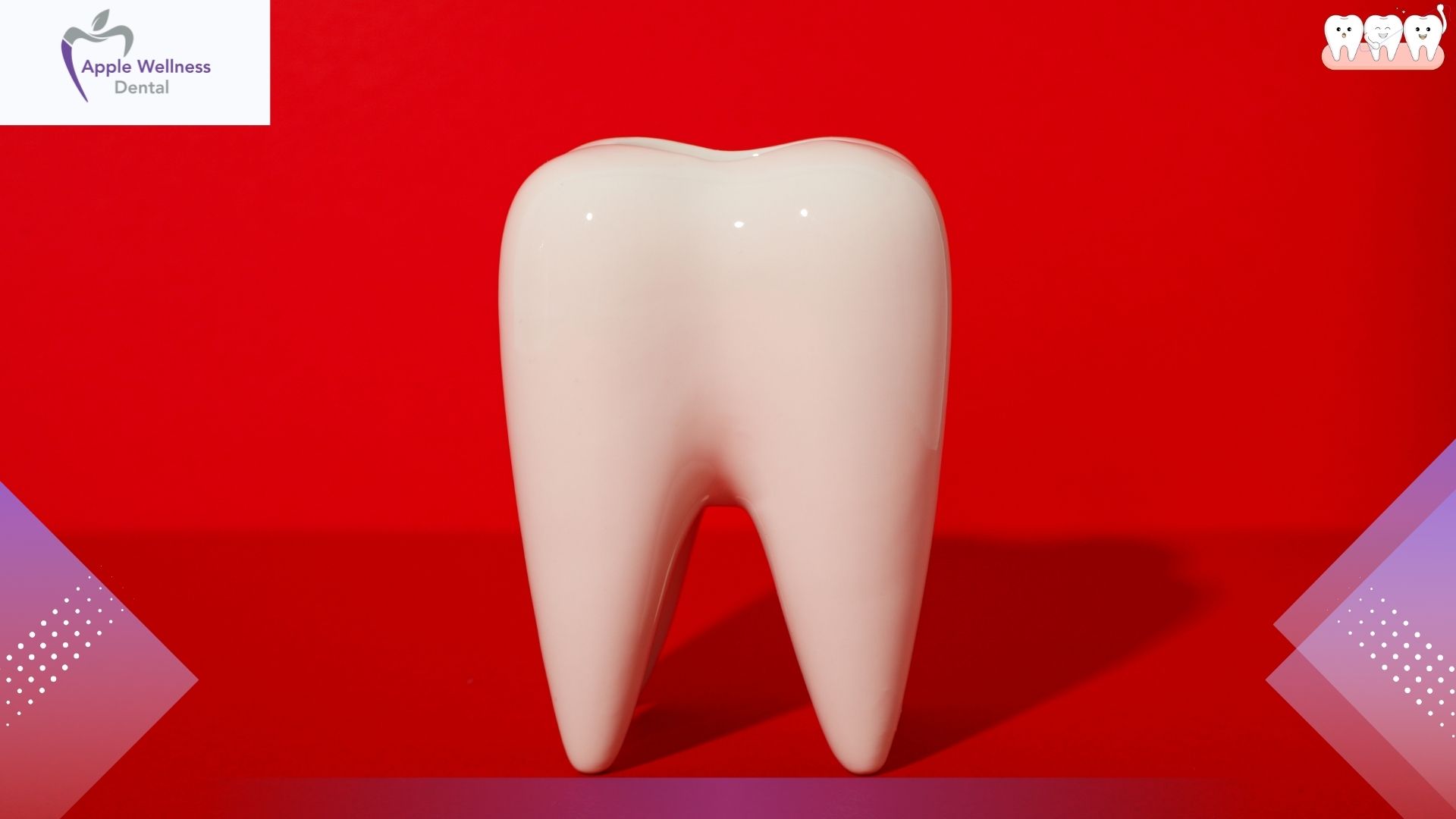
To fully understand why surrounding teeth might throb or ache following oral surgery, we must look at the complex anatomy of the human jaw. The mouth is a densely packed, highly sensitive environment. Extracting an impacted third molar is a surgical procedure that inevitably affects the micro-environment of the surrounding tissues.
The Trigeminal Nerve and Referred Pain
The sensation of pain in healthy teeth is predominantly a neurological phenomenon known as referred pain. According to 2026 data published by the National Institute of Dental and Craniofacial Research, over 80% of adult patients experience some degree of referred pain following major oral surgeries. Your teeth, gums, and jaws are innervated by the trigeminal nerve, the largest of the cranial nerves.
When an oral surgeon removes a wisdom tooth, the localized nerve endings are severed and traumatized. The brain often struggles to pinpoint the exact origin of pain signals traveling along this massive neural superhighway. Consequently, the distress signals “spill over” into the neural branches supplying your first and second molars, or even your anterior (front) teeth. As Dr. Sarah Jenkins, Chief of Oral Surgery at MaxilloHealth, explains: “The trigeminal ganglion is like a crowded telephone switchboard. When a massive trauma signal comes in from the third molar, the adjacent lines—representing your healthy teeth—often pick up the static. Patients frequently swear their front teeth are dying, but it is purely a neurological echo.”
Periodontal Ligament Inflammation
Every tooth in your mouth is suspended in its socket by a hammock-like structure of connective tissue called the periodontal ligament (PDL). During the extraction of an impacted wisdom tooth, the surgeon must frequently apply substantial mechanical pressure to safely elevate the tooth out of the jawbone. This pressure compresses and stretches the PDL of the adjacent second molar.
Once the surgery is complete, this bruised ligament responds with acute inflammation. Fluid accumulation in the restricted space of the tooth socket causes the neighboring tooth to feel slightly elevated or “high,” resulting in distinct tenderness whenever your teeth meet.
Other Common Reasons Your Adjacent Teeth Ache
Beyond neurological misinterpretation and bruised ligaments, several other biomechanical and physiological factors contribute to generalized dental aching during your recovery period.
1. Altered Bite and Jaw Muscle Spasms
Following a prolonged dental procedure, it is common to experience trismus—a temporary spasm or locking of the jaw muscles. Because the masseter and temporalis muscles become stiff and inflamed, you may unconsciously alter the way you chew or rest your jaw. This unconscious shift in your bite (occlusion) places unnatural stress on teeth that are not accustomed to bearing such loads, leading to generalized aching across the dental arch.
2. Postoperative Swelling and Fluid Retention
According to the American Association of Oral and Maxillofacial Surgeons, peak postoperative edema (swelling) occurs between 48 and 72 hours after surgery. As the gum tissue and cheek swell with inflammatory fluids, the expanding tissue presses against the adjacent healthy teeth. This hydrostatic pressure is highly restricted within the rigid confines of the jawbone, translating to a dull, constant ache in the surrounding dentition.
3. Sinus Cavity Proximity (Upper Teeth)
The roots of your upper teeth—specifically the premolars and molars—sit in very close proximity to the maxillary sinus floor. In many adults, the roots even protrude directly into the sinus lining. When an upper wisdom tooth is extracted, the localized inflammation temporarily thickens the sinus membrane. This sinus pressure mimics the exact sensation of a severe toothache, which is why patients often report pain in their upper front teeth and cheekbones post-extraction.
Distinguishing Normal Discomfort from Complications
While sympathetic aching in neighboring teeth is standard, it is crucial to differentiate between normal healing pain and symptoms indicating a surgical complication such as alveolar osteitis (dry socket) or infection.
| Symptom Type | Normal Healing Process | Potential Complication (Seek Care) |
|---|---|---|
| Pain Character | Dull, generalized ache in adjacent teeth. | Sharp, throbbing pain radiating to the ear or eye. |
| Timeline | Peaks at days 2-3, slowly subsides by day 7-10. | Worsens dramatically on days 3-5 (classic Dry Socket). |
| Taste/Odor | Slight metallic taste from minor bleeding. | Foul, putrid odor and terrible taste in the mouth. |
| Sensitivity | Tenderness when biting down on neighboring teeth. | Extreme sensitivity to air or room-temperature water. |
Step-by-Step Guide to Managing Adjacent Tooth Pain at Home
Managing the sympathetic pain in your surrounding teeth requires a systematic approach to reducing overall systemic inflammation. Follow these evidence-based steps to alleviate discomfort during your recovery phase.
- Utilize Cold Therapy Promptly: For the first 48 hours, apply an ice pack to the side of your face for 20 minutes on, and 20 minutes off. Cold therapy constricts blood vessels, dramatically reducing the hydrostatic pressure that makes adjacent teeth ache.
- Adhere to an Anti-Inflammatory Regimen: Take prescribed Non-Steroidal Anti-Inflammatory Drugs (NSAIDs) exactly as directed. As Dr. Marcus Thorne, a clinical researcher, notes: “Consistent NSAID use prevents the cascade of prostaglandins responsible for periodontal ligament swelling. Do not wait for the pain to peak before taking your medication.”
- Implement Warm Salt Water Rinses: Starting 24 hours after surgery, gently rinse your mouth with warm salt water (1/2 teaspoon of salt in 8 ounces of water) after meals. This naturally draws out cellular fluid from swollen gums, relieving the pressure on neighboring teeth.
- Switch to a Purely Soft Diet: Avoid forcing your adjacent teeth to do any heavy lifting. Stick to a diet of yogurt, applesauce, mashed potatoes, and blended soups for at least five days. Chewing hard foods directly aggravates the bruised ligaments of your second molars.
- Elevate Your Head: Keep your head elevated on two or three pillows when sleeping. Lying flat increases blood pressure in the head, which exacerbates throbbing sensations in the jaw and teeth.
The Role of Shifting Teeth Post-Extraction
Many patients express anxiety that their other teeth are physically migrating into the newly empty space left by the extracted wisdom tooth. While teeth can shift over months or years, acute shifting within days of surgery is a common misconception.
According to comprehensive clinical reviews by the American Dental Association, the sensation of shifting immediately after surgery is an illusion created by gingival swelling. As the gums expand, they push slightly against the clinical crowns of the remaining teeth. Once the localized edema subsides around day 10, the teeth will feel firmly anchored in their normal anatomical positions once again.
When to Contact Your Oral Surgeon
While patience is key during dental recoveries, there are specific scenarios where aching in other teeth warrants professional intervention. A 2026 systemic review of postoperative dental care established clear red flags. You should contact your surgeon immediately if you experience:
- Pain that wakes you up from a deep sleep, even after taking prescribed analgesics.
- A sudden, severe escalation in pain starting roughly three to four days post-operation.
- Visible pus or white discharge oozing from the extraction site.
- A sustained fever exceeding 101.5°F (38.6°C).
- Difficulty breathing, swallowing, or severe swelling that extends down the neck or up to the eye.
Frequently Asked Questions (FAQ)
Is it normal for my front teeth to hurt after wisdom tooth removal?
Yes. This is a classic presentation of referred pain. The nerve network in your jaw is highly interconnected, so surgical trauma at the back of the mouth can easily manifest as throbbing or aching in your front incisors and canines.
How long will the neighboring teeth ache?
For most patients, the aching in adjacent teeth peaks around days two or three, parallel with maximum swelling. The pain generally subsides to a mild, manageable tenderness by day seven, fully resolving within two weeks.
Could the surgeon have damaged my other teeth during extraction?
While exceedingly rare, collateral damage to adjacent restorations (like crowns or fillings) can occur. However, 99% of the time, the pain is simply due to bruised periodontal ligaments and referred nerve signals, not physical damage to the neighboring tooth.
Can I use a heating pad for the tooth pain?
Do not use heat during the first 48 hours, as this will increase blood flow and exacerbate swelling. After 48-72 hours, applying warm, moist heat can help relax spasming jaw muscles, which may relieve tension-related toothaches.
Why do my upper teeth hurt when only my lower wisdom teeth were removed?
The upper and lower jaws are served by different branches of the same trigeminal nerve. Intense pain signals from the lower jaw can “cross wires” in the nerve ganglion, tricking the brain into feeling pain in the upper arch.
Does a throbbing neighboring tooth mean I have dry socket?
Not necessarily. Dry socket pain is characterized by an intense, radiating ache that typically begins 3-5 days after surgery and is accompanied by a foul taste. A generalized dull throb in a neighboring tooth on day two is usually just standard inflammation.
Conclusion
Recovering from the extraction of third molars requires time, rest, and patience. If you find yourself wondering why healthy teeth are suddenly protesting after surgery, rest assured that referred pain, ligament bruising, and tissue inflammation are well-documented, temporary phases of the healing journey. By managing your swelling with cold therapy, adhering to a soft diet, and maintaining excellent oral hygiene, your entire mouth will settle back into a state of comfort within a couple of weeks.
However, you should never have to suffer through unbearable pain alone. If your symptoms escalate unexpectedly or you suspect a complication like dry socket, professional evaluation is vital. Please contact our dental team today to schedule a postoperative check-up and ensure your recovery is progressing smoothly.
References
- National Institute of Dental and Craniofacial Research – Insights on trigeminal nerve pathways and referred pain in oral surgery.
- American Association of Oral and Maxillofacial Surgeons – 2026 Clinical guidelines for third molar extractions and postoperative edema management.
- American Dental Association – Comprehensive reviews on postoperative biomechanical tooth shifting and periodontal ligament inflammation.
- Mayo Clinic – Patient resources on identifying symptoms and timelines of alveolar osteitis (dry socket).