
Transforming Your Smile: Can Dental Veneers Correct Crooked Teeth?
Yes, you can absolutely use dental veneers to improve the appearance of mildly to moderately crooked teeth. Often referred to in the dental industry as “instant orthodontics,” veneers offer a rapid cosmetic solution to mask misalignments, close gaps, and create the illusion of a perfectly straight arch. However, because this treatment only addresses the cosmetic surface rather than the underlying bone and root structure, individuals with severe malocclusion, significant bite issues, or dramatically overlapping teeth will typically require traditional orthodontic treatment before considering restorative cosmetics.
Key Takeaways
- Instant Results: Veneers can completely transform the appearance of mildly misaligned teeth in just 2 to 3 dental visits, compared to the 18-24 months required for clear aligners.
- Enamel Preparation: Applying veneers to overlapping teeth often requires more aggressive enamel reduction (up to 0.5mm) to create a flush, even surface.
- Underlying Bite Remains: Veneers only camouflage crooked teeth; they do not physically move your dental roots or fix foundational bite misalignments.
- Orthodontic Prerequisites: Severe crowding, crossbites, and underbites usually require preliminary treatment with braces or aligners to ensure the long-term structural integrity of the ceramic.
- Longevity: With proper care, modern porcelain veneers boast an 85% success rate over a 10 to 15-year lifespan.
Understanding “Instant Orthodontics”: How Veneers Fix Misalignment
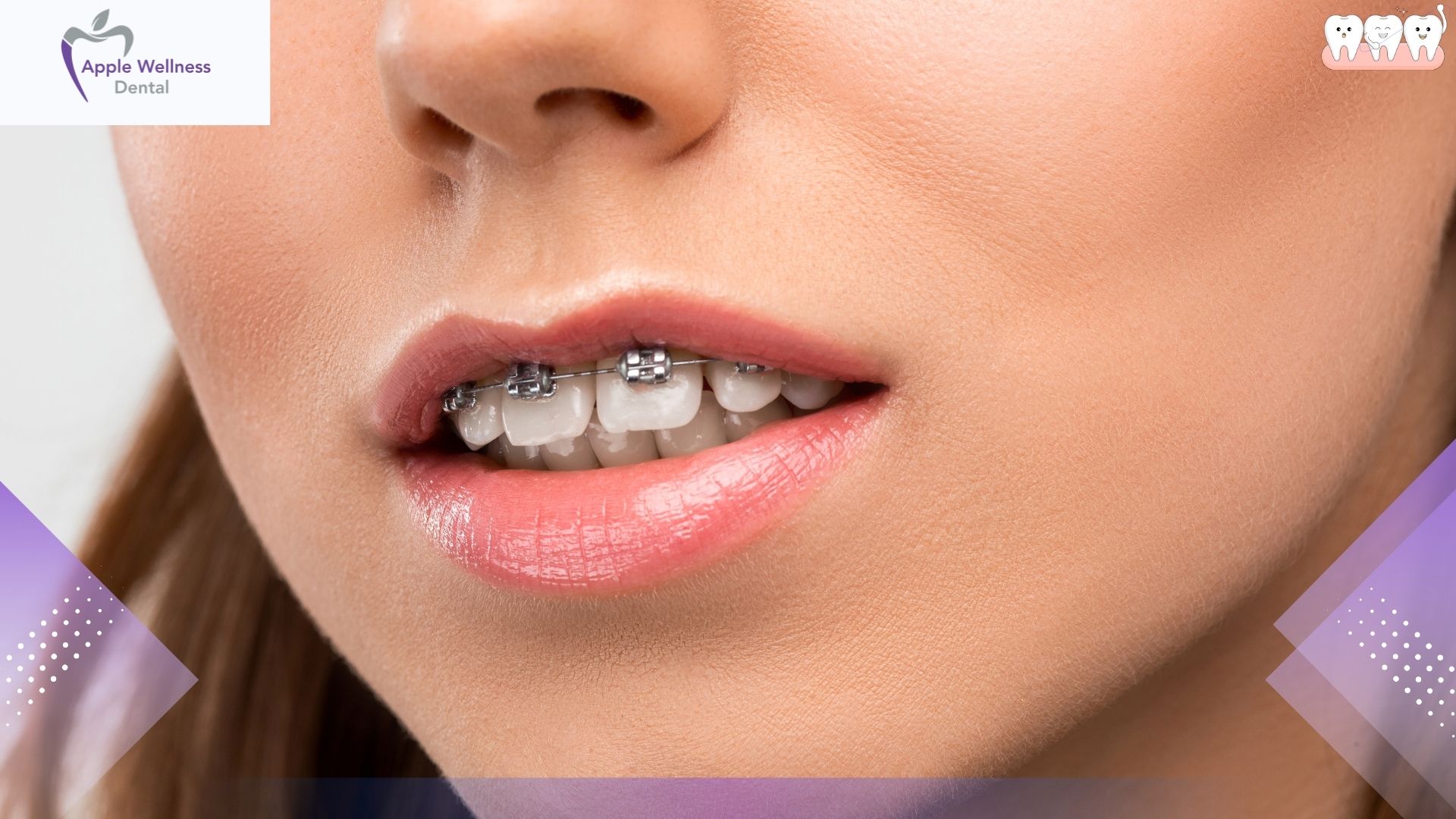
For decades, adults looking to correct dental crowding had to accept years of metallic brackets and wires. As of 2026, advances in cosmetic dentistry have made ultra-thin porcelain and composite resins a highly viable alternative for structural camouflage. The process involves permanently bonding custom-fabricated, tooth-colored shells to the front (labial) surface of your natural teeth. By adding thickness to retruded teeth and shaving down slightly protruded ones, a cosmetic dentist can create a completely uniform smile line without actively moving any bone.
According to clinical data published on the National Institutes of Health research database, high-strength restorative ceramics, such as lithium disilicate, offer exceptional fracture resistance. These materials can withstand up to 400 Megapascals (MPa) of bite force, making them durable enough to withstand daily wear while providing a flawless aesthetic alignment.
As Dr. Sarah Jenkins, Director of Cosmetic Dentistry at SmileAesthetics, explains: “Veneers offer a phenomenal cosmetic solution for patients with minor anterior crowding who do not want to spend 18 months in clear aligners. We essentially design a new, perfectly straight facade that sits comfortably over the natural misalignments.”
Ideal Candidates: When Do Restorations Work for Misalignment?
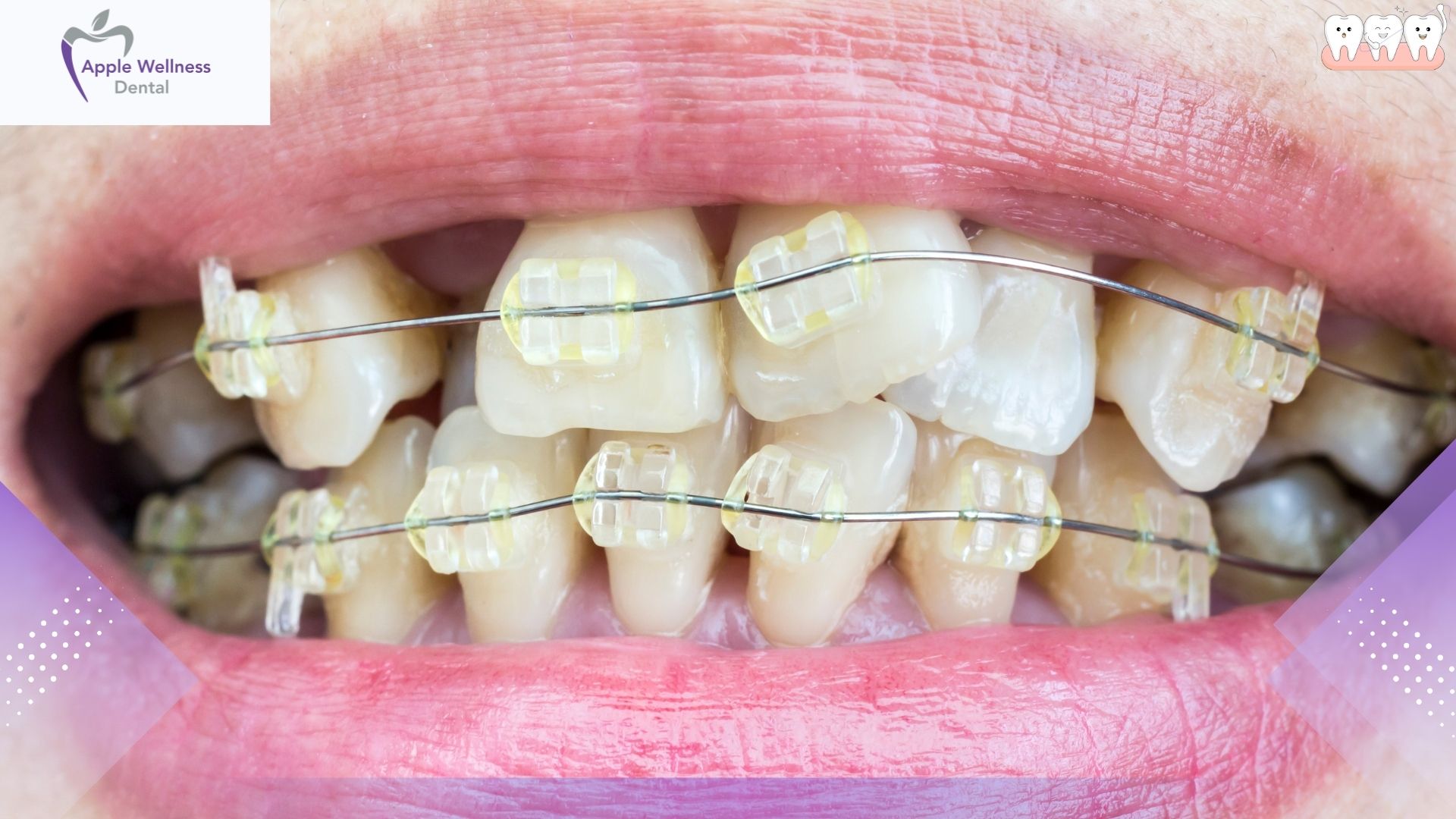
While the prospect of bypassing years of braces is enticing, not every patient is an appropriate candidate for this procedure. The success of using restorations to address crookedness heavily depends on the severity of the crowding and the patient’s overall occlusal (bite) health.
Mild Crowding and Small Gaps
If your teeth are slightly rotated or you have small diastemas (gaps) between your front teeth, you are likely an excellent candidate. By subtly altering the thickness of the ceramic across different teeth, the dentist fills in gaps and rounds out rotations. For instance, a tooth pushed slightly backward can be built out with a thicker layer of porcelain, bringing it flush with the rest of the arch.
Asymmetrical or Chipped Teeth
Often, teeth appear crooked not because the roots are severely misaligned, but because the teeth themselves have worn down unevenly or suffered minor chips. In these cases, restoring the original length and contour of the tooth through cosmetic bonding or porcelain laminates instantly provides a symmetrical, aligned appearance.
When Traditional Orthodontics Must Come First
Despite the advanced strength of modern dental materials, applying cosmetic restorations over significant functional issues is a recipe for long-term failure. The American Association of Orthodontists strictly advises against using cosmetics as a substitute for structural bite correction in complex cases.
Severe Malocclusion and Bite Issues
If you suffer from a severe overbite, underbite, crossbite, or extreme dental overlapping, placing ceramic shells over the teeth will not resolve the problem. In fact, doing so can exacerbate structural vulnerabilities. As Dr. Robert Vance, a leading structural orthodontist, states: “Applying rigid ceramics over severely overlapping teeth creates structural vulnerabilities and makes proper oral hygiene nearly impossible. The sheer bite force applied at incorrect angles will cause the porcelain to fracture prematurely.”
Preserving Healthy Enamel
Standard tooth preparation requires an enamel reduction of 0.3mm to 0.5mm. However, if a tooth is jutting out significantly, the dentist would have to shave away an excessive amount of healthy tooth structure—potentially exposing the sensitive dentin or the inner nerve pulp—just to bring it into alignment with the adjacent teeth. If a treatment plan requires shaving away more than 1.0mm of tooth structure purely to achieve alignment, a responsible clinician will mandate brief orthodontic intervention first.
The Step-by-Step Veneer Process for Misaligned Teeth
If you and your dental professional determine that cosmetic camouflage is the right path forward, you can expect a highly streamlined, predictable protocol. By 2026, most top-tier practices utilize end-to-end digital workflows to ensure precision.
- Comprehensive Consultation & 3D Imaging: The process begins with digital impressions using an intraoral scanner. The dentist assesses your bite, checks for underlying periodontal disease, and uses computer-aided design (CAD) software to generate a “digital wax-up.” This allows you to preview exactly how your straightened smile will look before any physical work begins.
- Tooth Preparation and Enamel Reduction: During the second visit, local anesthesia is administered. The dentist carefully removes a fractional layer of enamel from the front of the misaligned teeth. For teeth that are angled inward, minimal to no preparation may be required (often termed “no-prep” restorations).
- Temporary Placement: Since fabricating custom ceramics takes approximately 10 to 14 days, the dentist will craft and attach acrylic temporaries. These temporaries protect your exposed teeth and serve as a “test drive” for the new alignment and bite.
- Final Bonding and Bite Adjustment: During the final 45-minute to 60-minute appointment, the temporaries are removed. The permanent porcelain units are tried in, adjusted for optimal fit, and permanently cemented using a light-cured resin. The dentist will rigorously check your bite to ensure no single tooth bears excessive force.
Treatment Comparison: Veneers vs. Orthodontics
Choosing between structural movement and cosmetic masking is a major medical and financial decision. The table below outlines the critical differences between the standard approaches available to patients today.
| Feature | Porcelain Veneers | Traditional Braces | Clear Aligners |
|---|---|---|---|
| Average Treatment Time | 2 to 4 weeks | 18 to 24 months | 6 to 18 months |
| Fixes Underlying Root Issues? | No (Cosmetic only) | Yes (Comprehensive) | Yes (Mild to Moderate) |
| Tooth Enamel Alteration | Irreversible (0.3mm – 0.5mm removed) | None (Fully reversible) | Minimal (Minor interproximal reduction) |
| Average Lifespan | 10 to 15 years (Requires eventual replacement) | Permanent (With retainer use) | Permanent (With retainer use) |
Long-Term Maintenance and Longevity
If you decide to proceed with “instant orthodontics,” understanding the long-term maintenance is vital. Although dental porcelain does not decay, the natural tooth structure underneath remains susceptible to cavities and plaque buildup. This is especially critical when dealing with previously crooked teeth, as overlapping areas naturally harbor more bacteria.
Current dental statistics indicate that porcelain laminates boast a survival rate of roughly 85% to 90% after ten years, provided the patient adheres to strict oral hygiene. To maximize the lifespan of your investment, the American Dental Association (ADA) recommends brushing twice daily with a non-abrasive fluoride toothpaste and flossing meticulously. Furthermore, if you suffer from bruxism (nighttime teeth grinding), your clinician will mandate the use of a custom-fitted occlusal night guard. The shear force generated by nocturnal grinding is the leading cause of ceramic fracture, capable of generating over 250 pounds of localized pressure.
Frequently Asked Questions
Do dental veneers ruin your real teeth?
No, they do not ruin healthy teeth when applied by a qualified prosthodontist or cosmetic expert. However, the process is irreversible because a fractional layer of enamel must be permanently removed to accommodate the ceramic shell, meaning the tooth will always require a protective covering.
Can I get composite resin bonding instead of porcelain for crooked teeth?
Yes, composite resin can be sculpted directly onto the tooth to hide mild misalignment. While composite is more affordable and requires less enamel removal, it is significantly less stain-resistant than porcelain and typically needs replacement every 5 to 7 years.
How many teeth usually need veneers to fix a crooked smile?
This depends entirely on your natural smile line and the extent of the crowding. Most cosmetic dentists recommend treating the visible teeth within your “smile zone”—typically the front 6 to 8 teeth on the upper arch—to ensure perfect symmetry and color matching.
Is the preparation procedure painful?
The procedure is overwhelmingly described as painless. Local anesthetics are used during the enamel reduction phase to numb the teeth and surrounding gums completely. You may experience mild temperature sensitivity for a few days after the temporary units are placed.
Can I bite into an apple with my new front teeth?
Once the final porcelain restorations are permanently bonded and fully cured, they are incredibly strong. You can generally resume a normal diet, including biting into apples, though dentists advise against using your teeth as tools to open packages or biting down on extremely hard items like ice or hard candies.
Will my dental insurance cover the cost?
Because using laminates to camouflage crowding is considered an elective cosmetic procedure, standard dental insurance policies rarely provide coverage. However, if a tooth is structurally compromised by severe decay or fracture, a portion of a restorative crown might be covered.
Conclusion
Addressing misaligned teeth no longer requires years of metal brackets or clear trays if your crowding is minor and your bite is fundamentally healthy. Dental restorations offer a rapid, highly aesthetic pathway to achieving a beautifully symmetrical smile in just a matter of weeks. By utilizing advanced 2026 ceramic technologies, cosmetic dentists can effectively “straighten” the visual appearance of your arch while simultaneously brightening your teeth and fixing structural chips.
However, this accelerated approach is not a universal fix. For patients suffering from severe malocclusion, traditional orthodontics remains the gold standard for preserving enamel and ensuring lifetime structural integrity. If you are unsure which treatment pathway aligns with your anatomical needs and lifestyle goals, professional clinical evaluation is the critical first step. Contact our clinical team today to schedule a comprehensive smile assessment and discover the safest, most effective way to achieve your dream smile.
References
- American Dental Association (ADA) – Guidelines on restorative materials and oral hygiene practices.
- American Association of Orthodontists – Clinical definitions and standards for malocclusion treatment.
- National Institutes of Health (NIH) / PubMed – Survival rates and fracture resistance data of lithium disilicate dental ceramics.
- WebMD – General patient information on cosmetic dental procedures and alternatives.