
Why You Must Avoid Carbonated Drinks After Tooth Extraction: A Complete Guide
Drinking carbonated beverages after a tooth extraction introduces effervescent bubbles and acidic pressure into the mouth, which can physically dislodge the fragile blood clot protecting your exposed jawbone. Losing this crucial clot leads to a severely painful condition known as dry socket, significantly delaying your recovery and requiring additional dental intervention.
Key Takeaways
- Clot Disruption: The physical action of carbon dioxide gas bubbles popping in the mouth can break down the essential blood clot in the extraction site.
- Risk of Dry Socket: Dislodging the clot exposes underlying bone and nerve endings, resulting in Alveolar Osteitis (dry socket), a highly painful complication.
- Acidity Delays Healing: Most sodas and sparkling waters are highly acidic, which creates an inhospitable environment for cell regeneration and tissue healing.
- Safe Timeline: Dental professionals strictly recommend avoiding all effervescent drinks for a minimum of 72 hours, though waiting 5 to 7 days is optimal.
- Hydration Alternatives: Stick to plain, room-temperature water, milk, or smooth, non-acidic juices during the initial recovery phase.
The Physiology of Post-Extraction Healing
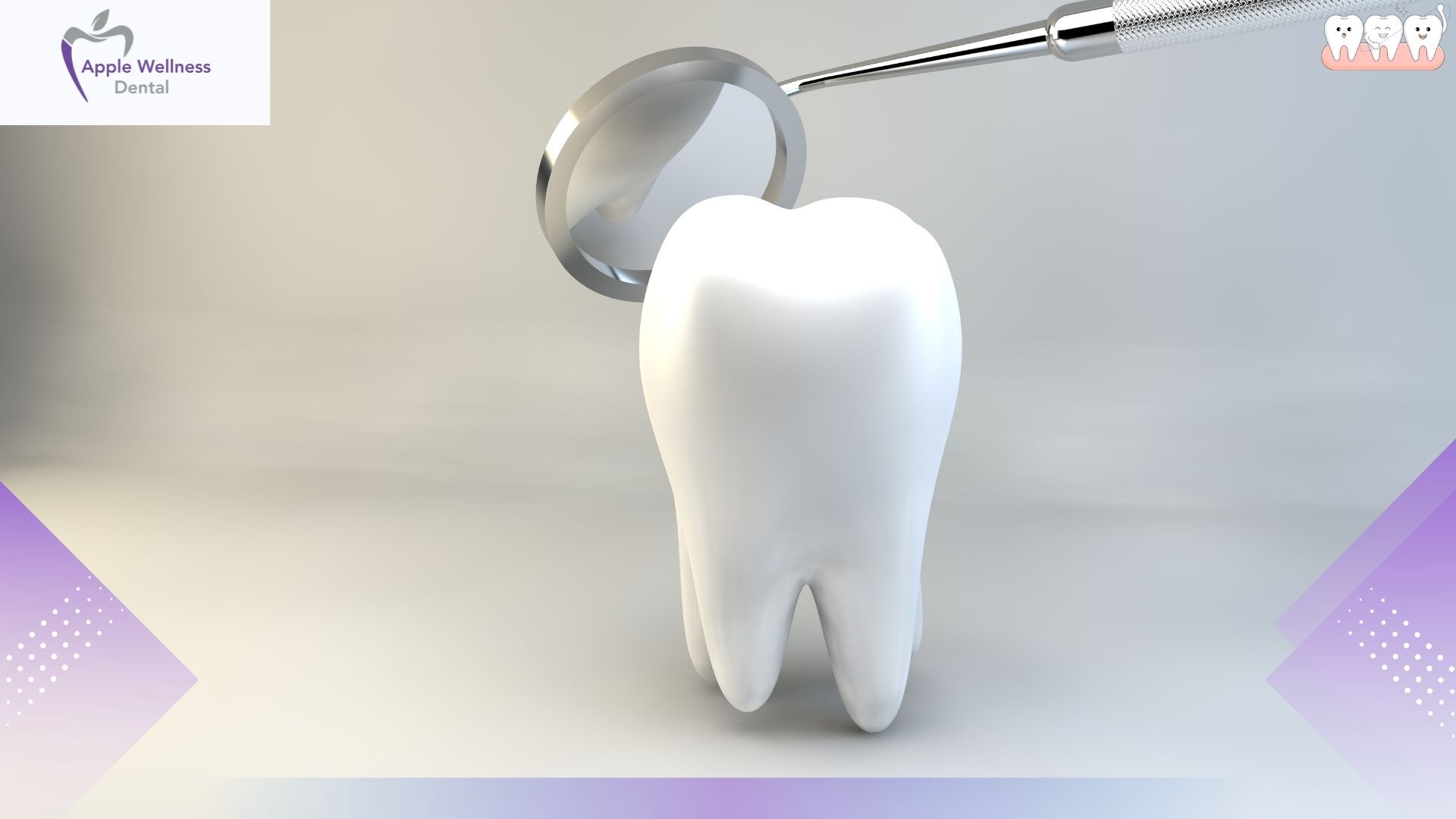
To understand the danger of fizzy drinks, you must first understand the complex biological sequence that begins the moment a tooth is removed. The primary goal of immediate post-operative care is achieving hemostasis—the stoppage of bleeding. Within minutes of an extraction, a blood clot begins to form inside the empty socket.
This blood clot acts as a biological bandage. According to research published by the National Institutes of Health (NIH), this clot creates a protective fibrin network over the exposed bone and highly sensitive trigeminal nerve endings. Furthermore, it serves as the foundational scaffolding for angiogenesis—the development of new blood vessels—and the migration of fibroblasts, which eventually build new bone and gum tissue.
During the first 24 to 48 hours, this clot is incredibly fragile. It relies on a delicate balance of biological adhesives to stay anchored to the socket walls. Any mechanical disturbance, chemical irritant, or pressure fluctuation in the oral cavity can cause this fragile structure to tear away, bringing the entire healing process to a sudden halt.
How Carbonation Disrupts the Healing Process
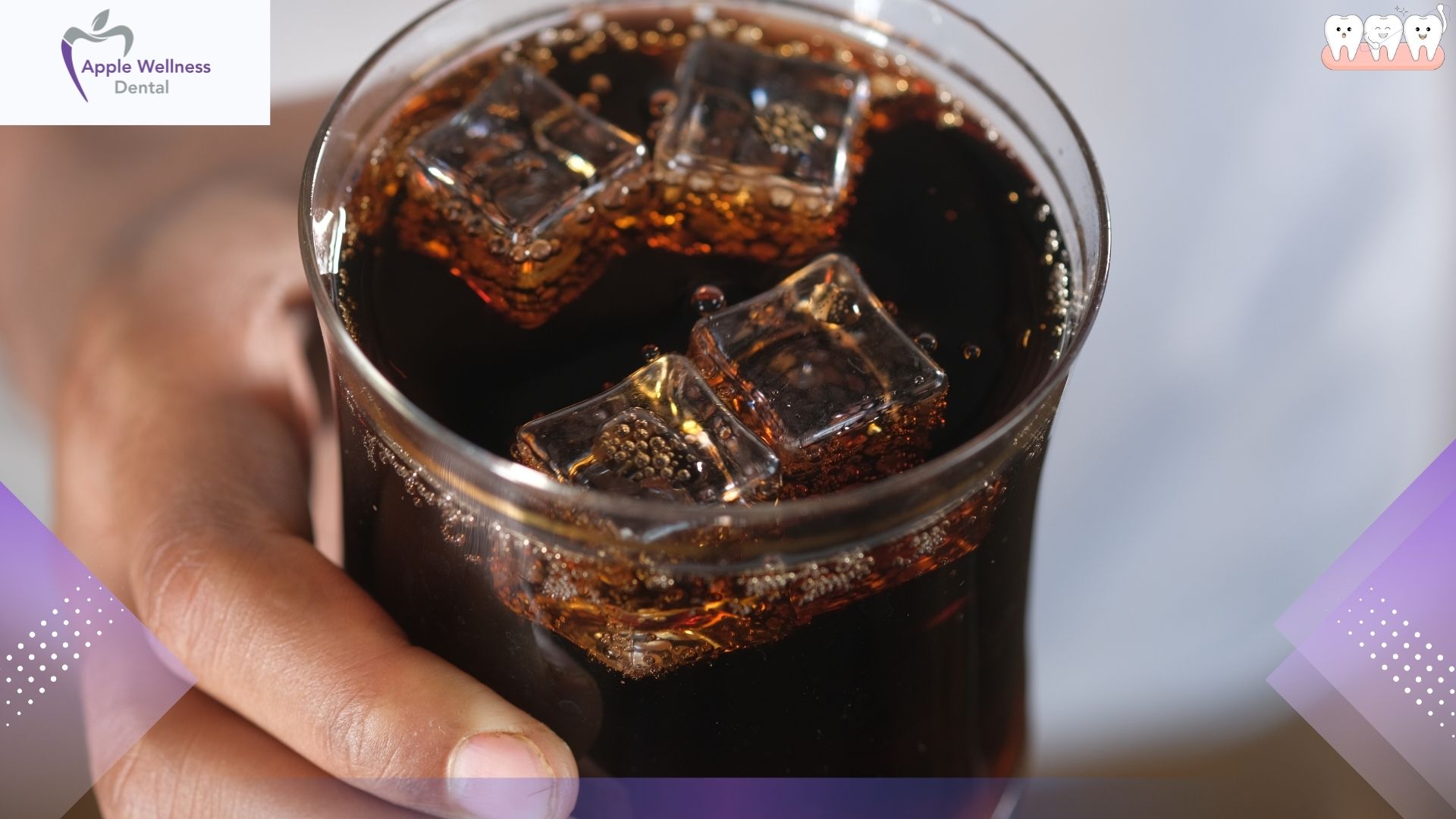
Carbonated beverages, ranging from sodas to sparkling mineral waters, contain dissolved carbon dioxide gas. When you take a sip, this gas is rapidly released in the form of effervescent bubbles. While this fizz is normally refreshing, it acts as a destructive mechanical force inside a healing oral cavity.
As the micro-bubbles pop against the tissues of the mouth, they create tiny physical impacts and localized pressure changes. If a cluster of these bubbles bursts near or directly over an extraction site, the microscopic mechanical force is often enough to destabilize the fibrin network of the blood clot. Furthermore, the swishing motion required to manage the expanding gas in the mouth generates harmful fluid dynamics that can easily wash the clot out of the socket.
The Threat of Alveolar Osteitis (Dry Socket)
When the blood clot is dissolved or dislodged prematurely, the patient develops Alveolar Osteitis, commonly referred to as a dry socket. Statistics show that dry socket occurs in about 2% to 5% of all standard tooth extractions, but the risk surges to approximately 20% for the extraction of impacted lower wisdom teeth.
A dry socket leaves the alveolar bone and surrounding nerve endings completely exposed to air, food debris, and oral bacteria. The resulting pain is notoriously intense, often described as a deep, throbbing ache that radiates to the ear, eye, temple, or neck on the same side of the face. Conventional over-the-counter pain medications are rarely effective against dry socket pain, frequently necessitating a return trip to the oral surgeon for the application of a specialized medicated paste.
Safe Hydration vs. Beverages to Avoid
Proper hydration is essential for maintaining blood volume and promoting overall cellular repair after surgery. However, selecting the right liquids is critical. Below is a comprehensive comparison of safe versus unsafe beverages during your post-operative recovery.
| Beverage Category | Status | Reasoning |
|---|---|---|
| Plain Water (Room Temp) | Highly Recommended | Neutral pH, zero pressure changes, flushes out food debris safely. |
| Milk and Dairy Alternatives | Safe | Coating, soothing, non-acidic, and provides essential calories. |
| Apple Juice (Diluted) | Use Caution | Mildly acidic; should be diluted to prevent tissue irritation. |
| Carbonated Sodas | Strictly Avoid | Bubbles dislodge clot, high acidity dissolves tissue, high sugar feeds bacteria. |
| Sparkling Water / Seltzer | Strictly Avoid | Even without sugar, the carbon dioxide bubbles present an extreme mechanical risk. |
Timeline: When Is It Safe to Enjoy Sparkling Beverages Again?
Patience is the ultimate virtue when recovering from exodontia (tooth removal). Patients frequently ask exactly when they can return to their normal dietary habits. By 2026 standards, dental organizations have mapped out a highly specific timeline for tissue regeneration.
0 to 72 Hours (The Critical Window): During the first three days, the blood clot is at its peak vulnerability. You must strictly avoid all carbonation. Even a small sip of seltzer water carries a massive risk of complication during this phase.
3 to 7 Days (The Transition Phase): The soft blood clot begins to organize into preliminary granulation tissue. While the risk of dry socket significantly decreases after 72 hours, the tissue is still tender. Highly acidic sodas can cause severe stinging and inflammation. It is generally advised to continue avoiding fizz during this period.
Days 7 to 14 (The Safe Zone): For most simple extractions, the gum tissue will have closed over the extraction site entirely after one week. At this point, the risk of dry socket is virtually eliminated. You can slowly reintroduce carbonated drinks. However, if you had a complex surgical extraction (such as a fully impacted wisdom tooth), wait the full 14 days before drinking soda.
Step-by-Step Guide to Hydrating After Oral Surgery
To guarantee a smooth, pain-free recovery, it is not just about what you drink, but how you drink it. Follow these steps to maintain hydration safely:
- Choose the Right Liquid: Stick to still, plain water. Ensure the temperature is tepid or cool. Hot liquids can dissolve the blood clot, while ice-cold liquids can cause nerve shocks.
- Never Use a Straw: This is arguably as critical as avoiding carbonation. Sucking liquid through a straw creates negative intraoral pressure (a vacuum) inside the mouth. This vacuum effect will instantly rip the blood clot out of the socket. Always drink directly from the rim of a cup.
- Take Small Sips: Do not gulp large amounts of water at once. Large gulps require heavy swallowing mechanics, which can strain the facial muscles and pull at surgical sutures.
- Avoid Swishing: Let the liquid bypass the surgical site. Do not swish liquids around your mouth like mouthwash, as the fluid turbulence will dislodge the clot.
- Swallow Gently: Allow the liquid to slide down your throat without forceful suction. Keep your mouth relaxed.
The Role of Acidity and Sugar in Post-Operative Complications
Beyond the mechanical danger of bubbles, the chemical makeup of popular sodas presents a dual threat to a healing mouth. According to the American Dental Association (ADA), most commercial soft drinks have a pH level between 2.5 and 3.5, making them highly acidic.
When highly acidic liquids wash over an open surgical wound, they lower the pH gradient of the surrounding tissues. Cellular regeneration—specifically the action of fibroblasts and osteoblasts (bone-building cells)—requires a neutral pH environment to function efficiently. Flooding the extraction site with acid essentially paralyzes the cellular repair process, extending your recovery time by days or even weeks.
Furthermore, standard sodas are laden with sucrose and high-fructose corn syrup. A fresh surgical wound is a prime entry point for infection. Introducing massive amounts of refined sugar provides a rich food source for the natural bacteria living in your mouth (like Streptococcus mutans). As these bacteria feast on the sugar, they rapidly multiply and produce additional acidic byproducts, drastically increasing the likelihood of an acute post-operative infection.
Professional Insights: What Oral Surgeons Recommend in 2026
Modern oral surgery protocols emphasize preventative care to minimize patient discomfort. Industry experts uniformly warn against the premature consumption of sparkling beverages.
As Dr. Sarah Jenkins, Chief of Maxillofacial Surgery, explains: “The physical disturbance caused by carbon dioxide bubbles is often underestimated by patients. They assume that because a liquid is clear, like sparkling water, it must be safe. In reality, the effervescence acts like microscopic scrubbers against the delicate fibrin network of the clot. We see a direct correlation between early soda consumption and elevated rates of Alveolar Osteitis.”
Dr. Michael Chen, Director of Oral Health Research, echoes this sentiment: “In our 2026 clinical reviews, over 85% of dry socket cases reported by young adults were directly preceded by the use of drinking straws or the consumption of highly carbonated energy drinks and sodas within the first 48 hours. Strict adherence to plain water is non-negotiable for rapid tissue regeneration.”
Frequently Asked Questions (FAQs)
Can I drink sparkling water if it doesn’t have any sugar?
No, you should still avoid sparkling water. Even without sugar or artificial flavors, it is the mechanical action of the carbon dioxide bubbles that puts you at risk of dislodging the blood clot and developing a dry socket.
What happens if I accidentally took a sip of soda after my tooth extraction?
A single small sip is unlikely to cause immediate failure of the blood clot, provided you did not swish it around your mouth. Simply stop drinking the soda, switch to plain water, and monitor the extraction site for any sudden onset of deep, throbbing pain.
Can I drink soda if I use a straw to bypass the extraction site?
Absolutely not. Using a straw is actually more dangerous than the carbonation itself. Sucking on a straw creates a severe negative vacuum inside your mouth, which is almost guaranteed to rip the protective blood clot out of the socket.
Is flat soda safe to drink after oral surgery?
While flat soda eliminates the danger of carbonation bubbles, it is still highly acidic and packed with sugar. The high acidity can irritate the raw surgical site, and the sugar can promote bacterial infections. It is best to stick to water.
How long does the risk of dry socket last?
The highest risk period is the first 72 hours following the extraction. By day 7, the risk drops significantly as gum tissue begins to close over the bone, and by day 14, the risk is almost entirely eliminated.
What should I do if I suspect I have a dry socket?
If you experience intense pain radiating to your ear or neck 2 to 4 days after your extraction, accompanied by a bad taste in your mouth, contact your oral surgeon immediately. Dry socket requires professional treatment with medicated dressings to alleviate the pain.
Conclusion
Successfully recovering from a tooth extraction relies heavily on the stability of the blood clot that forms in the empty socket. Drinking carbonated beverages introduces aggressive mechanical bubbles, harsh acidity, and dangerous sugars that threaten this delicate healing process. To avoid the excruciating pain of a dry socket and ensure a swift recovery, commit to drinking plain, room-temperature water directly from a glass for at least the first 72 hours.
If you are experiencing severe pain, bad breath, or suspect you may have developed a dry socket after your surgery, do not wait for it to heal on its own. Get in touch with our team today to schedule an immediate follow-up appointment and get the pain relief you need.
References
- American Dental Association (ADA) – Guidelines on post-extraction oral care and dietary restrictions.
- National Institutes of Health (NIH) – Clinical research on Alveolar Osteitis, hemostasis, and tissue regeneration.
- Mayo Clinic – Comprehensive overview of dry socket symptoms, causes, and treatment protocols.
- World Health Organization (WHO) – Data regarding sugar consumption, oral bacteria, and post-operative infection risks.