
The Reality of Tooth Extraction Pain: A Comprehensive Guide to Procedure and Recovery
When patients face the prospect of dental surgery, the most pressing question is inevitably regarding the pain level. The physical act of removing a tooth does not hurt because modern dental professionals use highly effective local anesthesia to completely numb the nerves surrounding the tooth. While you will feel significant pressure during the procedure, you will not feel sharp or cutting pain. Once the anesthesia wears off, mild to moderate post-operative discomfort is standard, but this is highly manageable through proper medication and aftercare.
Key Takeaways
- Zero Pain During Surgery: Local anesthetics block nerve signals, meaning patients feel pressure but no actual pain during the extraction.
- Expected Recovery Time: Most soft tissue healing occurs within 7 to 14 days, though peak swelling happens within the first 48 hours.
- Dry Socket Prevention: Avoiding suction (like using straws or smoking) is crucial to keeping the protective blood clot intact.
- Over-the-Counter Relief: Non-steroidal anti-inflammatory drugs (NSAIDs) like ibuprofen are the primary line of defense for post-operative discomfort.
- Surgical vs. Simple: The type of extraction dictates the healing timeline; surgical extractions generally require a longer recovery.
Understanding the Tooth Removal Process
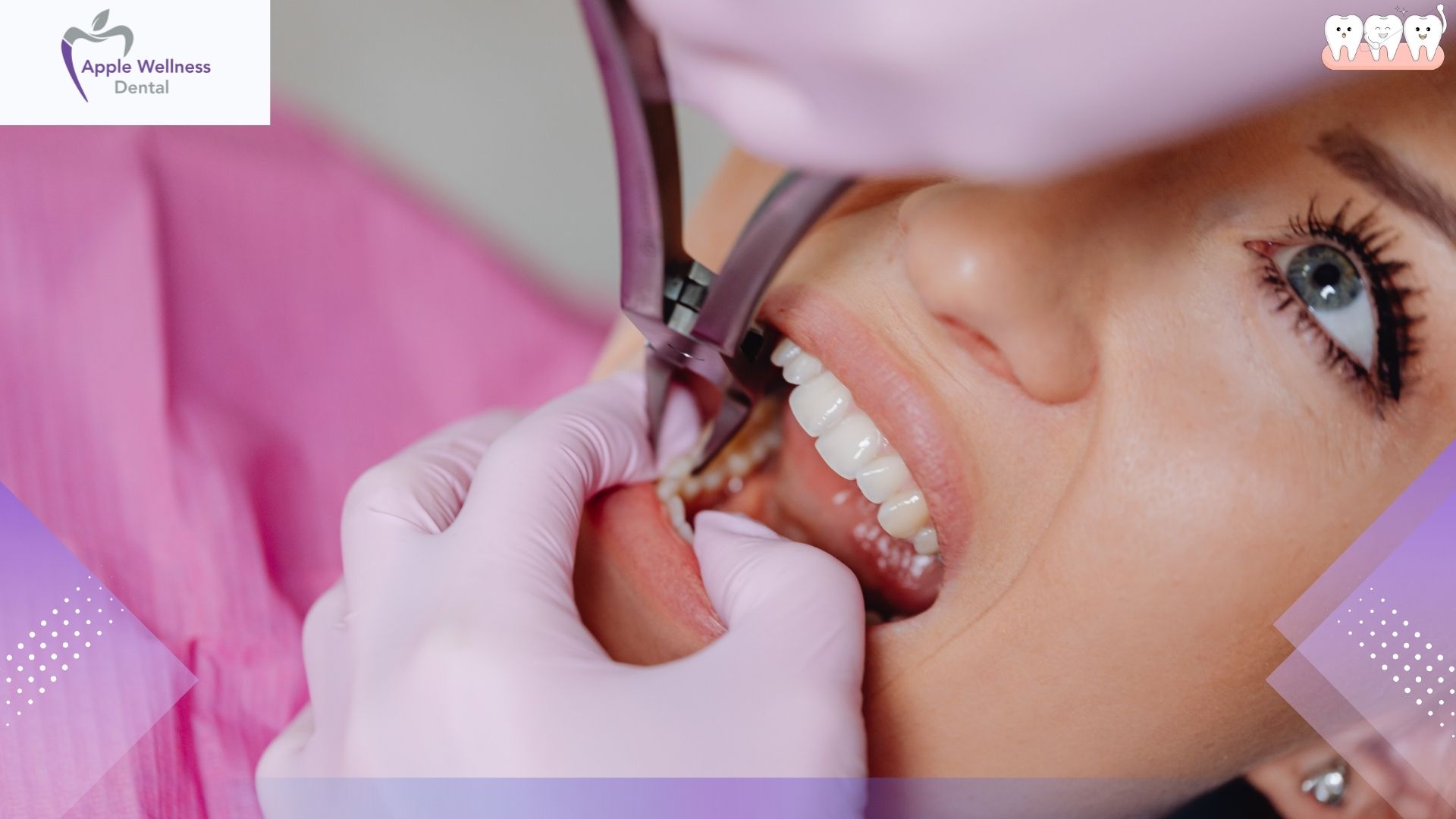
Exodontia, the medical term for pulling teeth, is a routine procedure performed millions of times a year. Dentists and oral surgeons rely on advanced techniques to ensure patient comfort and safety. In 2026, dental protocols prioritize pain management and tissue preservation above all else.
Teeth require removal for various clinical reasons. Severe decay that has compromised the tooth beyond the repair of a root canal is a primary cause. Periodontal disease, which weakens the bone supporting the tooth, can lead to necessary extraction due to extreme mobility. Additionally, orthodontic crowding or impacted wisdom teeth frequently necessitate surgical intervention to maintain overall oral health.
According to the American Association of Oral and Maxillofacial Surgeons (AAOMS), approximately 85% of individuals will need their third molars (wisdom teeth) removed at some point in their lifetime to prevent impaction, infection, or damage to adjacent teeth.
Types of Extractions: Simple vs. Surgical
The amount of discomfort you might experience post-surgery often correlates directly with the complexity of the procedure. Extractions fall into two distinct categories: simple and surgical.
| Feature | Simple Extraction | Surgical Extraction |
|---|---|---|
| Tooth Condition | Fully erupted and visible above the gumline | Impacted, broken at the gumline, or unerupted |
| Instruments Used | Elevators to loosen, forceps to remove | Scalpel, dental drill to section teeth, surgical forceps |
| Tissue Impact | Minimal trauma to surrounding gums and bone | Requires incisions, bone removal, and sutures (stitches) |
| Average Time | 20 to 40 minutes | 45 to 90 minutes depending on complexity |
Simple extractions typically result in a very mild recovery phase. Patients often resume normal activities within 24 hours. Surgical extractions, however, involve a more complex healing timeline due to the manipulation of the alveolar bone and periodontal ligament.
Pain Management During the Procedure
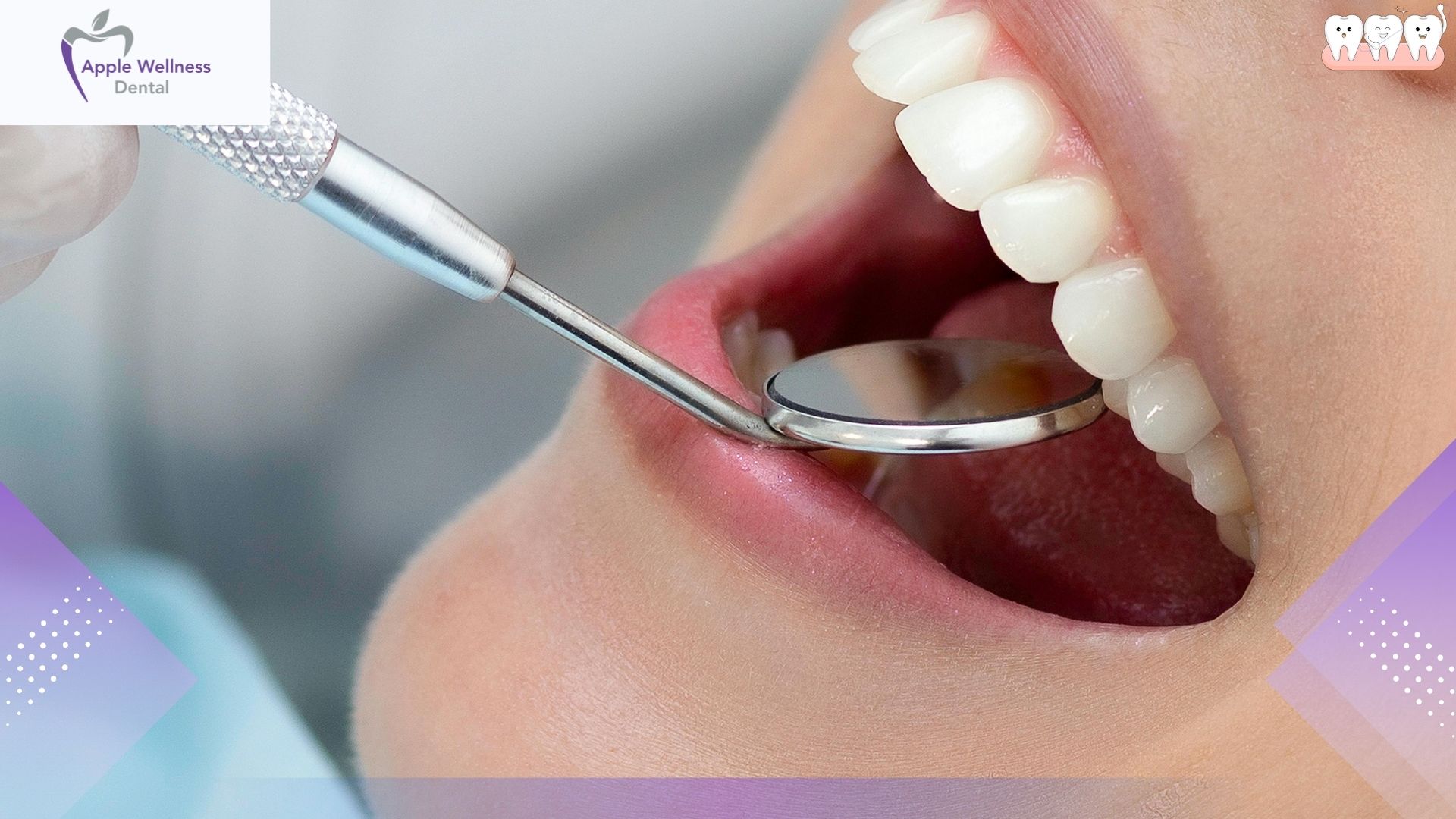
Modern clinical dentistry has essentially eradicated intraoperative pain. Dental professionals utilize a highly sophisticated approach to anesthesia to ensure a completely painless experience while in the chair.
The Role of Local Anesthetics
The primary tool for managing pain during a tooth removal is local anesthesia, typically a combination of lidocaine or articaine mixed with a vasoconstrictor like epinephrine. The anesthetic blocks the sodium channels in the nerve endings, temporarily halting the transmission of pain signals to the brain.
“Modern anesthetics ensure that patients experience pressure rather than sharp pain during an extraction,” explains Dr. Matthew Messina, a consumer advisor and spokesperson for the American Dental Association. “The sensation of pushing and pulling is entirely normal, but actual pain indicates the need for additional numbing agent.”
Sedation Dentistry Options
For patients with severe dental anxiety or those undergoing complex surgical extractions, supplemental sedation is often utilized. This ranges from nitrous oxide (laughing gas) for mild relaxation, to oral conscious sedation, to intravenous (IV) sedation.
While IV sedation does not replace local anesthesia, it induces a state of deep relaxation and partial amnesia. Patients under IV sedation often have no memory of the procedure itself, effectively eliminating the psychological distress that many associate with dental pain.
Step-by-Step: What Happens in the Dental Chair
Understanding the exact mechanics of the procedure can significantly alleviate pre-surgical anxiety. The clinical process generally follows a standardized sequence:
- Administration of Anesthesia: The dentist applies a topical numbing gel to the gums before injecting the local anesthetic. You may feel a slight pinch from the needle, followed immediately by profound numbness.
- Syndesmotomy: Using a specialized instrument, the dentist carefully separates the gum tissue from the neck of the tooth.
- Luxation (Loosening): An instrument called an elevator is inserted between the tooth and the surrounding bone. The dentist applies controlled pressure to widen the socket and detach the periodontal ligament. This is when you will feel significant pressure, but no pain.
- Delivery: Once the tooth is sufficiently loose, extraction forceps are used to gently grasp and remove the tooth from the alveolar socket.
- Hemostasis and Suturing: The practitioner cleans the socket, controls any bleeding using sterile gauze, and places sutures if necessary.
The Post-Extraction Recovery Timeline
Once the local anesthetic wears off—usually within two to four hours—the post-operative recovery phase begins. Knowing what to expect day by day helps patients differentiate between normal healing and potential complications.
First 24 Hours: Clot Formation
The most critical physiological event during the first day is the formation of a blood clot within the empty socket. This clot serves as a protective scab over the underlying bone and nerve endings. Swelling and minor oozing of blood are normal. Pain is generally at its highest as the numbing agents completely dissipate.
Days 2 to 3: Peak Inflammation
Inflammation is the body’s natural response to surgical trauma. Swelling often peaks around 48 to 72 hours post-surgery. Discomfort may temporarily increase before it begins to subside. Jaw stiffness, known as trismus, is common, especially following wisdom tooth removal.
Days 7 to 14: Soft Tissue Healing
By the end of the first week, acute pain should be resolved. The gum tissue begins to close over the extraction site. If sutures were placed, dissolvable ones will typically disappear during this timeframe, or the dentist will remove non-dissolvable stitches.
It takes approximately three to four months for osteoblasts to completely fill the socket with new alveolar bone, but this internal healing process is entirely painless.
Effective Strategies for Pain Relief at Home
Managing post-operative discomfort requires adherence to strict clinical protocols. Over-the-counter analgesics remain the gold standard for routine extractions.
“Managing inflammation immediately after the procedure with NSAIDs and ice is the most effective way to minimize discomfort,” states Dr. Paul Moore, a pharmacology expert in dentistry. Clinical data shows that taking ibuprofen (an NSAID) effectively reduces post-extraction pain in over 80% of patients without the side effects associated with opioid prescriptions.
- Cold Therapy: Apply an ice pack to the outside of the face for 20 minutes on, and 20 minutes off, during the first 24 hours. This restricts blood vessels and severely limits swelling.
- Pain Medications: Alternate between ibuprofen and acetaminophen every four to six hours as directed by your clinician. This combination targets both inflammation and pain receptors.
- Soft Diet: Stick to cool, soft foods like yogurt, applesauce, scrambled eggs, and smoothies for the first few days. Avoid hard, crunchy, or spicy foods that could irritate the surgical site.
- Saline Rinses: Starting 24 hours after the procedure, gently rinse with warm salt water to keep the socket clean and neutralize oral bacteria.
Recognizing and Preventing Dry Socket
Alveolar osteitis, commonly known as dry socket, is the most painful complication following a dental extraction. It occurs when the protective blood clot fails to form, or is prematurely dislodged, exposing the underlying bone and nerves to air, food, and fluids.
According to data published by the National Library of Medicine, dry socket affects roughly 2% to 5% of all extractions, though the incidence rate can rise up to 20% for lower wisdom teeth.
Dr. Louis Rafetto, a past president of the AAOMS, notes: “The key to a comfortable recovery is strict adherence to post-operative instructions, particularly regarding clot preservation.”
To prevent this painful condition, patients must avoid any action that creates negative pressure in the mouth. This means absolutely no smoking, no using straws, no vigorous spitting, and no intense physical exercise for at least 72 hours post-surgery.
When to Contact Your Dental Professional
While discomfort is standard, certain symptoms indicate that normal healing has been compromised. The Mayo Clinic advises patients to seek immediate medical attention if they experience severe, worsening pain that does not respond to prescribed analgesics.
Other warning signs include excessive bleeding that cannot be controlled by biting down on a sterile gauze pad for 45 minutes, a high fever, nausea, or localized swelling that worsens after the third day. Pus or a persistent foul taste in the mouth can be indicative of a post-operative infection requiring antibiotic intervention.
Frequently Asked Questions
How long does pain last after removal?
Acute discomfort usually peaks within the first 48 hours and gradually subsides over the next 3 to 5 days. Mild tenderness may persist for up to two weeks, especially after surgical extractions.
Can I be put to sleep for the procedure?
Yes, many dental professionals offer intravenous (IV) sedation or general anesthesia for complex cases or high-anxiety patients. This ensures you are completely unconscious or in a deep state of relaxation, unaware of the procedure.
Is a surgical extraction more painful than a simple one?
During the procedure, neither hurts due to profound local anesthesia. However, surgical extractions result in more post-operative swelling and discomfort because they involve more manipulation of bone and soft tissue.
What is the best painkiller after tooth removal?
Non-steroidal anti-inflammatory drugs (NSAIDs) like ibuprofen are considered the most effective for dental pain because they directly reduce swelling. Acetaminophen can be used in tandem for enhanced relief.
Does the numbing injection hurt?
You may feel a brief, mild pinch or stinging sensation when the anesthetic is injected. However, dentists typically apply a topical numbing gel to the gums beforehand to minimize this initial discomfort.
How do I know if I have a dry socket?
Dry socket is characterized by severe, throbbing pain that radiates to the ear or neck, typically starting 3 to 4 days after the extraction. You may also notice an empty looking socket, a foul odor, or an unpleasant taste.
Conclusion
The fear of dental pain often prevents individuals from seeking necessary care, but advancements in medical technology and pharmacological protocols have completely transformed the patient experience. The extraction procedure itself is highly controlled and painless, marked only by physical pressure. By strictly following post-operative care instructions, utilizing cold therapy, and managing inflammation with proper medications, the recovery phase can be remarkably smooth and straightforward.
If you are experiencing severe dental issues, do not let the fear of discomfort delay your treatment. Contact us today to schedule a comprehensive evaluation and learn how we can ensure a safe, comfortable, and pain-free experience.