
Can You Vape After a Tooth Extraction? 2026 Safety Guide & Timelines
No, you should not use a vape or e-cigarette immediately after having a tooth pulled. The physical act of inhaling creates negative pressure inside the mouth, which can dislodge the delicate blood clot protecting the empty tooth socket. Furthermore, nicotine acts as a powerful vasoconstrictor, reducing essential blood flow to the surgical site and significantly delaying the healing process. Oral surgeons universally recommend waiting a minimum of 48 to 72 hours before resuming any inhalation habits to prevent severe pain and infection.
Key Takeaways
- Wait at least 72 hours after an extraction before vaping to minimize the risk of severe complications.
- The suction required to draw from a vape is the primary cause of alveolar osteitis (dry socket).
- Nicotine physically constricts blood vessels, cutting off vital oxygen and immune cells from the healing gum tissue.
- Chemicals in e-liquids, such as propylene glycol, dehydrate the oral cavity and provoke unnecessary inflammation.
- Transdermal nicotine patches are the safest alternative to manage cravings during the critical initial recovery window.
The Biology of Tooth Extraction Healing
To understand why vaping is detrimental post-surgery, it is critical to understand how the human body heals after an extraction. Exodontia, or the surgical removal of a tooth, leaves a deep wound in the jawbone and gingival tissue. The body’s immediate response is to initiate hemostasis—the stopping of bleeding.
The Crucial Role of the Blood Clot
Within the first 24 hours following surgery, platelets and fibrin in your blood aggregate to form a dense clot inside the empty socket. This blood clot serves as a biological scab. It protects the underlying exposed bone and sensitive nerve endings from the harsh environment of the oral cavity. Moreover, the clot provides the foundational matrix for granulation tissue, which eventually turns into new bone and gum tissue. If this clot fails to form, or is prematurely removed, the entire healing cascade halts.
The Danger of Alveolar Osteitis (Dry Socket)
When the protective blood clot is dislodged, it exposes the underlying bone and nerves to air, food, and bacteria—a condition clinically known as alveolar osteitis, or “dry socket.” This condition is notorious for causing intense, radiating pain that over-the-counter analgesics often fail to manage. According to standard oral surgery data, dry socket occurs in approximately 2% to 5% of all standard tooth extractions. However, for impacted wisdom teeth, the risk jumps to roughly 20% to 30%.
As Dr. Thomas Dodson, a prominent oral surgery researcher whose work is frequently cited by the American Association of Oral and Maxillofacial Surgeons, explains: “Smoking and the mechanical act of drawing on a cigarette or vape remain some of the most significant modifiable risk factors for developing alveolar osteitis. Patients who introduce negative pressure to the oral cavity severely compromise their own recovery.”
Three Reasons Why Vaping Disrupts Oral Healing
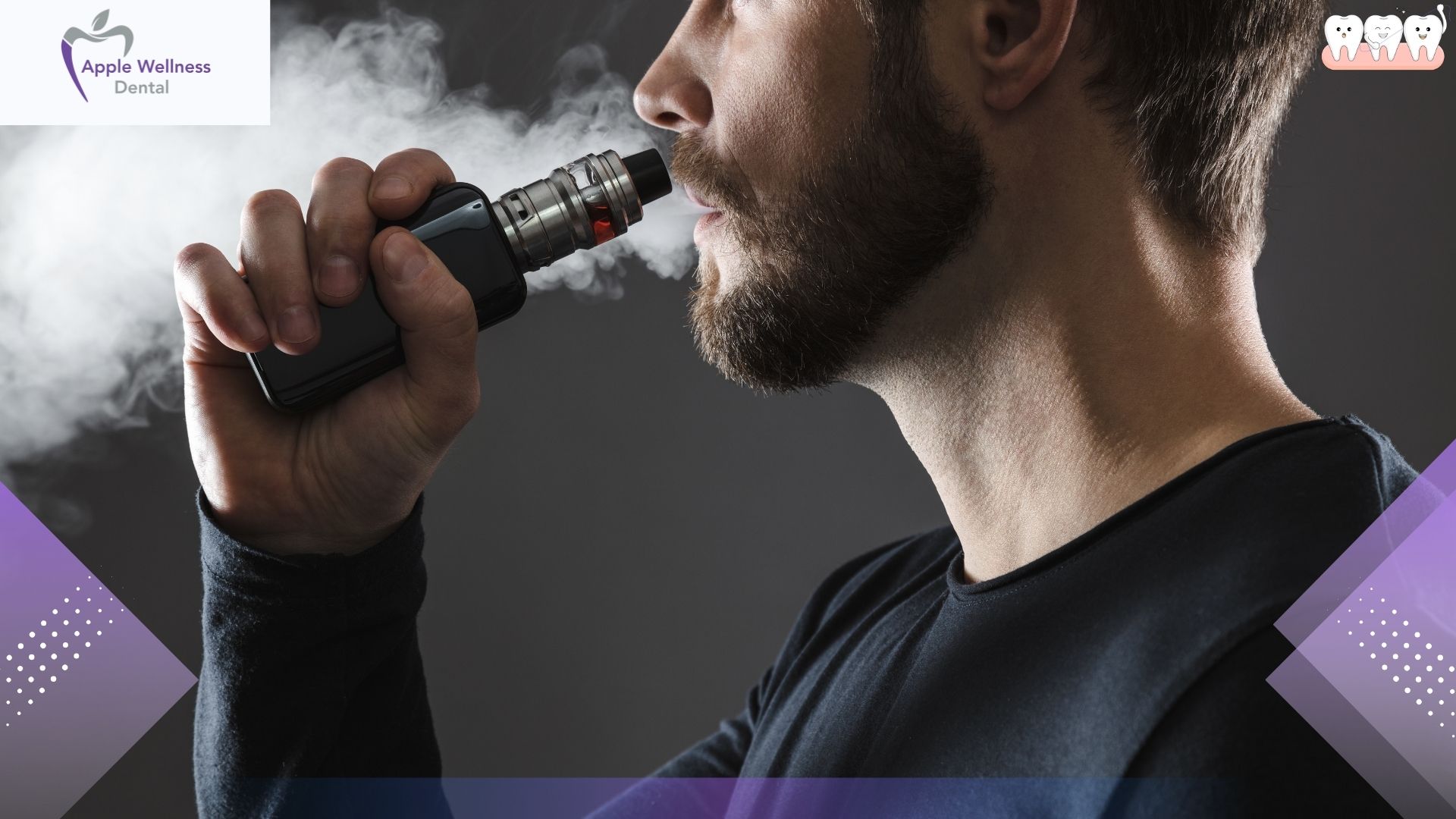
While many patients falsely believe that e-cigarettes are a safe alternative to traditional combustible tobacco after surgery, vaping introduces three distinct mechanisms that directly sabotage the oral healing process.
1. The Mechanics of Negative Pressure and Suction
The most immediate physical threat to a fresh extraction site is suction. Drawing vapor from an e-cigarette, especially pod systems with tight airflow, creates a vacuum inside the mouth. This negative pressure acts like a plunger, easily ripping the fragile blood clot away from the socket walls. The American Dental Association consistently warns that any form of suction—whether from a straw, traditional cigarette, or modern vaporizer—poses an unacceptable risk to clot stability during the first 72 hours.
2. Nicotine-Induced Vasoconstriction
Even if you manage to vape without aggressive suction, the chemical properties of nicotine present a major biological hurdle. Nicotine is a potent vasoconstrictor, meaning it forces blood vessels and capillaries to narrow. This reduces peripheral blood flow by up to 30% to 40%. Healing extraction sites require massive amounts of oxygen, white blood cells, and nutrients delivered via the bloodstream. By starving the tissue of blood, nicotine dramatically slows cellular repair. As noted by the Centers for Disease Control and Prevention, “Nicotine is a highly addictive chemical that negatively impacts overall cardiovascular health and blood flow.” Because nicotine has a biological half-life of roughly 2 hours, constant vaping keeps the oral tissues in a state of chronic oxygen deprivation.
3. Chemical Dehydration and Thermal Stress
Vape juices are predominantly composed of propylene glycol (PG) and vegetable glycerin (VG). Propylene glycol is highly hygroscopic, meaning it attracts and binds to water molecules. When inhaled, PG strips moisture from the oral mucosa, leading to severe dry mouth (xerostomia). Saliva is essential for fighting oral bacteria and maintaining a balanced pH. Furthermore, the coils inside e-cigarettes typically heat the e-liquid to temperatures between 200°C and 250°C. Inhaling this hot aerosol irritates the surgical wound and prolongs the inflammatory phase of healing, which normally resolves within 1 to 3 days.
Vaping vs. Traditional Smoking After Oral Surgery
It is a common misconception in 2026 that switching from traditional cigarettes to a vape eliminates post-operative risks. While e-cigarettes lack the tar and carbon monoxide of combustible tobacco, they still deliver the two main culprits of extraction complications: nicotine and suction. Below is a clinical comparison of the two habits during post-operative recovery.
| Risk Factor | Traditional Combustible Cigarettes | Electronic Cigarettes (Vapes) |
|---|---|---|
| Suction Level | Moderate to High | High (especially in tight draw “MTL” pod systems) |
| Nicotine Delivery | High (causes severe vasoconstriction) | Variable to Very High (salt nicotine devices restrict blood flow rapidly) |
| Chemical Irritants | Tar, Carbon Monoxide, Formaldehyde | Propylene Glycol, Flavoring Agents, Hot Aerosol |
| Dry Socket Risk | Extremely High (Up to 3x higher than non-smokers) | Extremely High (Due to suction and localized tissue dehydration) |
The Recommended Timeline: When Is It Safe to Vape?
Following updated 2026 post-operative protocols, dental professionals emphasize strict abstinence timelines to protect the surgical site. Adhering to these windows is crucial for a smooth recovery.
0 to 24 Hours Post-Extraction: Absolute Zero Tolerance
During the first 24 hours, the blood clot is actively forming and is highly unstable. Any negative pressure during this window is almost guaranteed to trigger bleeding and dislodge the nascent clot. You must avoid vaping entirely.
24 to 72 Hours Post-Extraction: The High-Risk Period
By day two, the clot has organized but is still incredibly fragile. Granulation tissue is only just beginning to form beneath it. Medical guidelines strongly advise maintaining the ban on vaping through the 72-hour mark. If the clot is lost during this period, dry socket pain will typically manifest sharply by day 3 or 4.
72 Hours and Beyond: Gradual and Cautious Return
After a full 72 hours (3 days), the risk of dry socket drops significantly, though it does not disappear entirely. If you feel compelled to resume vaping, you must do so with immense caution. Do not seal your lips completely tightly around the mouthpiece, and keep the device’s airflow wide open to minimize suction resistance.
Safe Nicotine Alternatives During Recovery
Nicotine withdrawal can make an already stressful surgical recovery feel unbearable. However, substituting a vape with other oral products requires careful consideration.
- Transdermal Nicotine Patches: This is the gold standard for post-operative nicotine management. Patches bypass the oral cavity entirely, delivering nicotine steadily through the skin without requiring suction, chewing, or localized tissue irritation.
- Nicotine Pouches: While popular, oral pouches are highly concentrated and can cause localized gum irritation. If used, they must be placed as far away from the extraction site as possible.
- Nicotine Gum and Lozenges: These are generally discouraged. Chewing gum risks mechanical trauma to the extraction site, and the sucking motion required for lozenges creates the same dangerous negative pressure as a vape.
Step-by-Step Recovery Guide for Vapers
If you use electronic cigarettes regularly, preparing for an extraction requires a deliberate strategy. Follow these steps to safeguard your recovery:
- Prepare Nicotine Patches Before Surgery: Purchase transdermal patches ahead of your appointment. Apply one the morning of your surgery to prevent withdrawal cravings from setting in immediately after the procedure.
- Maintain Intense Hydration: To counteract the dehydrating effects of post-operative medications and any residual propylene glycol in your system, drink plenty of water. Avoid using straws at all costs.
- Utilize Gentle Salt Water Rinses: After the first 24 hours have passed, begin gently rinsing your mouth with warm salt water. Do not swish vigorously; simply tilt your head to let the water wash over the site and let it fall out of your mouth into the sink.
- Modify Your Device’s Airflow: When you finally reach the 72-hour mark and decide to vape, open the airflow control rings on your device to their maximum setting. Inhale gently, akin to taking a normal breath, rather than forcefully pulling the vapor.
Recognizing the Warning Signs of Complications
Even with strict adherence to timelines, complications can arise. The Mayo Clinic notes that typical post-operative discomfort should peak within 48 hours and steadily decline thereafter. If you experience any of the following symptoms, contact your dental clinic immediately:
- Severe, throbbing pain that radiates to your ear, eye, or neck on the side of the extraction.
- Pain that suddenly worsens on day 3 or 4 post-surgery.
- A distinct empty-looking socket where the blood clot is visibly missing, sometimes exposing white bone.
- A foul odor or an unpleasantly bitter taste in your mouth that persists despite gentle rinsing.
Conclusion
While the urge to use your e-cigarette may be strong, vaping after a tooth extraction poses serious risks to your recovery. The mechanical suction and the chemical vasoconstriction caused by nicotine work together to destroy the vital blood clot, leading to the severe pain of dry socket. By utilizing nicotine patches and strictly waiting at least 72 hours before inhaling any vapor, you give your body the oxygen and stability it needs to heal properly.
If you are experiencing severe pain after an extraction, suspect you may have developed a dry socket, or simply need personalized advice on managing your post-operative care, do not hesitate to reach out to a professional. Contact us today to schedule a follow-up appointment and ensure your recovery stays safely on track.
References
- American Dental Association – Clinical guidelines on post-operative extraction care and negative pressure risks.
- Centers for Disease Control and Prevention – Health effects of nicotine on cardiovascular function and tissue healing.
- American Association of Oral and Maxillofacial Surgeons – Research regarding alveolar osteitis risk factors and preventative strategies.
- Mayo Clinic – Patient definitions and symptom identification for dry socket complications.
Frequently Asked Questions
Can I vape 24 hours after a tooth extraction?
No, vaping 24 hours after an extraction is highly dangerous. At this stage, the blood clot is still forming and is extremely fragile; any suction can easily dislodge it and cause dry socket.
Does vaping cause dry socket without nicotine?
Yes. Even if you use zero-nicotine e-liquid, the physical suction required to draw vapor creates negative pressure in the mouth. This mechanical force alone is enough to pull the blood clot out of the socket.
How to hit a vape after tooth extraction safely?
You must wait a minimum of 72 hours. When you do resume, open the device’s airflow completely, do not seal your lips tightly around the mouthpiece, and inhale very gently to minimize suction.
What happens if I vape through my nose after an extraction?
While inhaling through the nose reduces the direct mechanical suction in the mouth, it still introduces nicotine into your bloodstream. Nicotine will constrict your blood vessels, restricting necessary blood flow and delaying the healing process.
Is vaping worse than smoking for wisdom teeth removal?
Both are highly detrimental. While vaping lacks the tar found in combustible cigarettes, high-nicotine pod systems often require tighter suction and deliver powerful vasoconstrictors, making the risk of dry socket comparable between the two.