
The Complete Guide to Provisional Dental Restorations: Purpose, Process, and Care
A temporary dental crown is a custom-made, short-term protective cap placed over a prepared tooth while a permanent restoration is being fabricated in a dental laboratory. Typically made from acrylics or composite resins, this provisional prosthesis serves multiple critical functions: it protects the exposed sensitive inner tooth structure (dentin), prevents surrounding teeth from shifting, maintains gum health, and restores basic chewing function and aesthetics. Patients usually wear these short-term caps for two to three weeks until their definitive, custom-crafted crown is ready for final cementation.
Key Takeaways
- Primary Function: Provisional caps protect exposed tooth structure and prevent dentin hypersensitivity while awaiting the final restoration.
- Space Maintenance: They prevent adjacent and opposing teeth from shifting out of alignment during the waiting period.
- Material Differences: Modern short-term restorations are typically crafted from bis-acryl composites or polymethyl methacrylate (PMMA) for optimal durability and esthetics.
- Special Care Required: Patients must avoid sticky, hard, or chewy foods and use a modified flossing technique (pulling through rather than snapping up) to prevent dislodging the cap.
- Temporary Cement: The adhesive used is intentionally weak to allow for easy removal, meaning the prosthesis can occasionally fall out and require re-cementing.
The Essential Role of Short-Term Dental Restorations
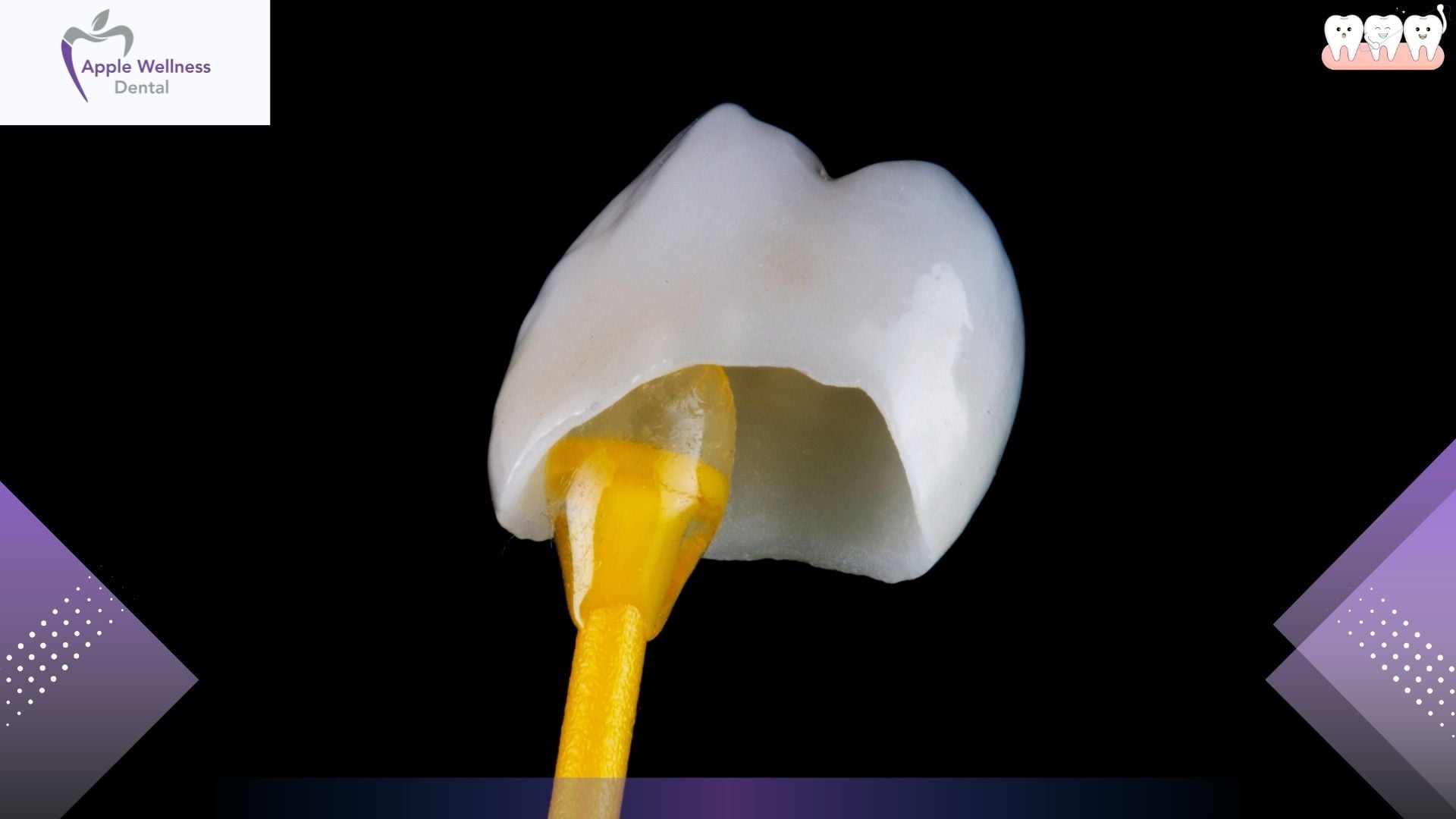
When a tooth is severely decayed, fractured, or has undergone endodontic therapy (root canal), it often requires a full-coverage restoration to restore its strength and function. According to the American Dental Association (ADA), crowns are essential for restoring the shape, size, strength, and appearance of compromised teeth. However, creating a permanent, highly durable ceramic or porcelain crown is a multi-step process that requires time.
Research from the Centers for Disease Control and Prevention indicates that over 90% of adults aged 20 to 64 have experienced dental caries (cavities), making restorative procedures one of the most common medical interventions globally. Because a tooth must be reduced in size to accommodate a crown, the underlying dentin—which contains microscopic tubules leading directly to the tooth’s nerve—is exposed during the preparation phase.
Without a protective barrier, the patient would experience excruciating pain when consuming hot, cold, or sweet foods. The provisional cap completely covers this exposed dentin, acting as an insulating barrier. Furthermore, as noted by the American College of Prosthodontists, a provisional restoration acts as a vital diagnostic blueprint for the final crown. It allows the dentist to assess how the new tooth shape will impact the patient’s bite (occlusion) and gum tissue (periodontium) over a trial period.
Materials Used for Provisional Crowns in 2026
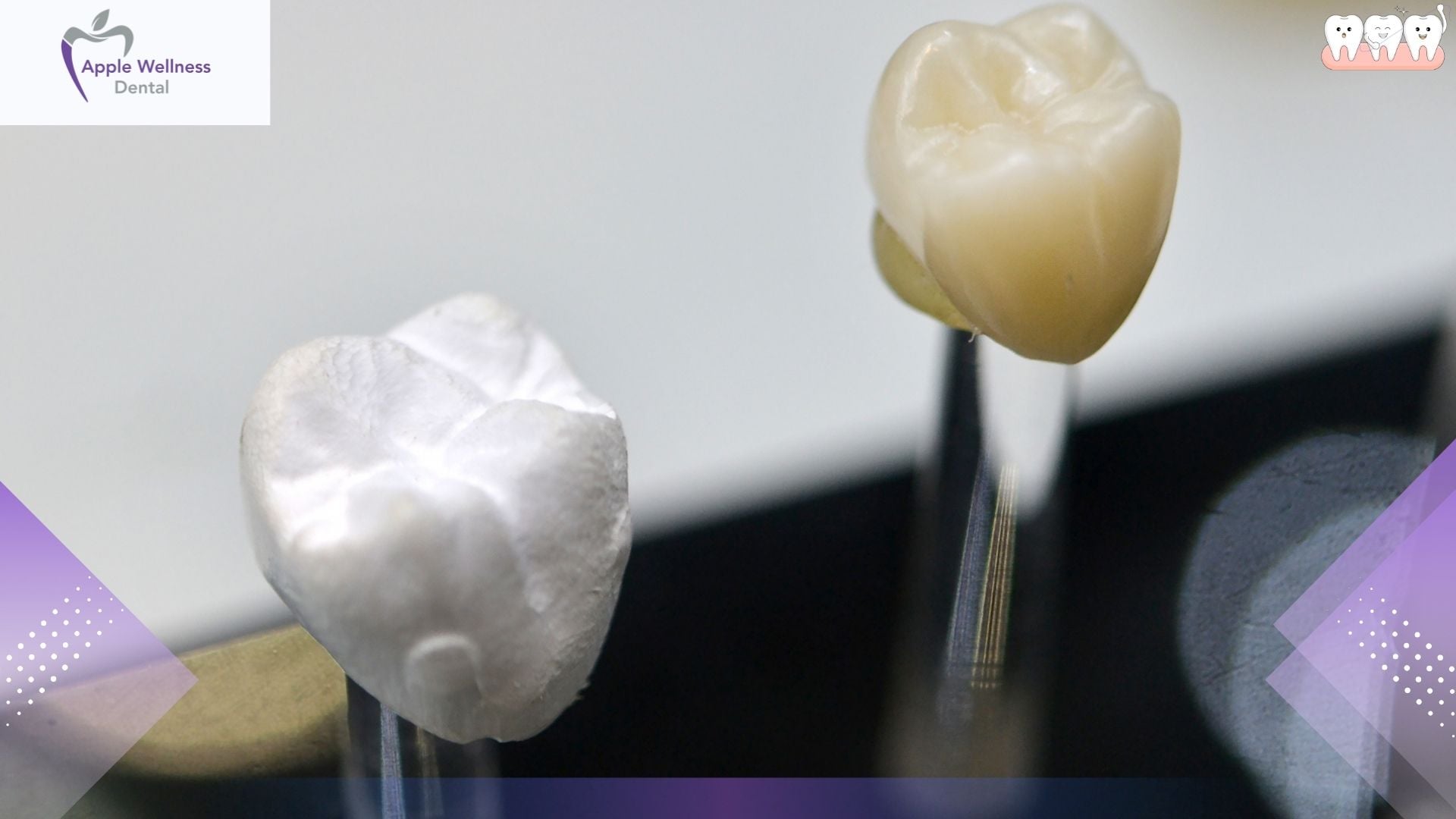
The materials utilized for short-term tooth coverings have evolved significantly. While they are not designed to withstand years of heavy chewing forces like zirconia or gold, modern materials offer an excellent balance of aesthetics and short-term durability. Below is a comparison of the most common materials used in modern operatory settings today.
| Material Type | Primary Characteristics | Best Use Case |
|---|---|---|
| Bis-Acryl Composite Resin | Excellent color matching, low heat generation during setting, low shrinkage. | Highly visible anterior (front) teeth requiring superior aesthetics. |
| Polymethyl Methacrylate (PMMA) | Highly durable, resilient, and color-stable, but can generate heat when curing. | Posterior (back) teeth or long-term provisionals bridging multiple teeth. |
| Polycarbonate Shells | Pre-formed tooth shapes that are lined with acrylic for a custom fit. | Emergency repairs or rapid chairside single-tooth restorations. |
| Stainless Steel / Aluminum | Extremely durable, prefabricated, lacking natural tooth color. | Pediatric dentistry (primary teeth) or non-visible molars. |
The Step-by-Step Placement Process
The creation and placement of a provisional restoration is an exacting process that requires both clinical skill and an understanding of dental anatomy. The procedure typically follows a structured, standard protocol in the dental operatory.
- Initial Impression: Before the tooth is prepared (shaved down), the dentist takes a baseline impression of the tooth using a silicone putty or an intraoral digital scanner. This captures the original size and shape of the tooth to serve as a mold.
- Tooth Preparation: The dentist removes all decay and sculpts the tooth under local anesthesia, reducing it by 1.5 to 2 millimeters to make room for the final restoration.
- Material Injection: Liquid acrylic or composite resin is injected into the initial impression mold, which is then seated back into the patient’s mouth over the prepared tooth.
- Curing and Shaping: The material cures (hardens) in approximately 2 to 3 minutes. The dentist then removes the mold. The provisional cap remains on the tooth or in the mold, ready for final trimming. The clinician carefully trims away excess material, ensuring the margins (edges) are smooth to prevent gum irritation.
- Cementation: The cap is affixed using a temporary cement. These cements frequently contain zinc oxide eugenol, which has a natural sedative effect on the tooth nerve, though non-eugenol variations are used if the final crown will be bonded with specific resins.
- Bite Adjustment: Finally, the dentist checks the patient’s bite using articulating paper, adjusting the height of the cap to ensure it does not hit the opposing teeth too early, which could cause jaw pain or dislodge the restoration.
Essential Aftercare and Dietary Guidelines
Because the adhesive holding the provisional cap in place is intentionally formulated to be weak—allowing the dentist to easily remove it in two weeks—patients must adopt specific habits to prevent accidental dislodgement. The structural integrity of the acrylic is also significantly lower than natural enamel or permanent porcelain.
Dietary modifications are the most critical aspect of aftercare. Patients must strictly avoid sticky and chewy foods, such as caramel, chewing gum, taffy, and gummy candies, which can easily pull the restoration off the tooth structure. Hard foods like nuts, hard candies, ice cubes, and crusty breads should also be avoided on the side of the mouth where the provisional is located, as these can crack the acrylic material.
Oral hygiene must continue, but with slight modifications. Brushing should be performed normally, using a soft-bristled toothbrush. Flossing, however, requires a technique adjustment. Instead of pulling the floss up and out from between the teeth (which can pop the cap off), patients are instructed to slide the floss gently down between the teeth, clean the gumline, and then pull the floss horizontally out through the side. Maintaining healthy gums during this waiting period is crucial; inflamed or bleeding gums can compromise the precise fit and bonding of the permanent restoration during the final appointment.
Troubleshooting Common Complications
Even with meticulous care, complications can arise during the two to three weeks a patient wears a short-term cap. Understanding how to handle these situations ensures the underlying tooth remains protected.
What to Do if the Cap Falls Out
If the restoration becomes completely dislodged, it is rarely a medical emergency, but it does require prompt attention. The underlying tooth will likely be highly sensitive to air and temperature. Patients should gently clean the inside of the cap, apply a small amount of over-the-counter temporary dental cement, denture adhesive, or even a dab of toothpaste inside the crown, and carefully slip it back onto the tooth. They should then contact their dental office immediately to schedule a brief re-cementation appointment.
Managing Pain and Sensitivity
Mild sensitivity to cold or hot temperatures for the first few days after placement is normal, as the tooth nerve was recently agitated during the drilling process. Over-the-counter anti-inflammatory medications, such as ibuprofen, are typically sufficient to manage this discomfort. However, if the patient experiences a severe, throbbing pain that keeps them awake at night, or pain when biting down, they should return to the clinic. Pain upon biting often indicates that the provisional cap is sitting too high and requires a minor adjustment.
The Role of Digital Dentistry in 2026
The landscape of restorative dentistry continues to evolve rapidly. While traditional chairside acrylic methods remain a staple, the integration of 3D printing and advanced CAD/CAM (Computer-Aided Design and Computer-Aided Manufacturing) technology in 2026 has revolutionized how provisional restorations are fabricated.
According to research published in The Journal of Prosthetic Dentistry, digitally milled or 3D-printed provisional restorations exhibit superior marginal adaptation and structural resilience compared to traditional hand-mixed composites. In many modern clinics, an intraoral scanner captures the prepared tooth in seconds. Specialized software then designs the provisional cap, and an in-house 3D printer fabricates it from high-strength resin in under twenty minutes. This technological leap reduces human error, provides an exceptionally precise fit, and significantly improves the patient’s comfort during the waiting period.
Transitioning to the Final Restoration
The final phase of the restorative journey occurs when the definitive prosthesis arrives from the laboratory. During the delivery appointment, the dentist will use a specialized instrument to gently break the seal of the weak temporary cement and remove the provisional cap. The underlying tooth is then thoroughly cleaned and disinfected to remove any residual cement or bacteria.
The permanent ceramic, porcelain, or zirconia crown is tried in to verify the fit, color match, and contact points with adjacent teeth. Once the patient and dentist are satisfied with the aesthetics and function, the tooth is isolated, and a permanent, high-strength dental luting cement is applied. The transition from the provisional blueprint to the final, robust restoration marks the successful completion of the treatment, returning the patient to full, unimpeded oral function.
Frequently Asked Questions
How long can you safely wear a temporary cap?
Typically, these restorations are designed to be worn for 2 to 3 weeks while the permanent version is fabricated. In specific complex prosthodontic cases, such as full mouth rehabilitations or implant healing phases, specialized long-term provisional caps may be worn for 3 to 6 months under close supervision.
Can I eat normally with a provisional restoration?
No, you must modify your diet to protect the delicate material and weak cement. Avoid all sticky, chewy, and hard foods (like gum, caramel, ice, and hard nuts) and attempt to chew on the opposite side of your mouth whenever possible.
Is it normal to experience pain after placement?
Mild to moderate gum tenderness and temperature sensitivity are entirely normal for a few days following the initial tooth preparation. However, sharp, throbbing pain or localized pain specifically when biting down is abnormal and requires a quick adjustment by your dentist.
Why does my temporary crown look different from my other teeth?
Because these are fabricated quickly chairside using standardized shades of acrylic, they will not have the precise color gradation, translucency, or detailed anatomy of your natural teeth. Your permanent porcelain restoration will be custom-glazed by a ceramist to match your smile perfectly.
Can I brush and floss my teeth normally?
You can brush normally using a soft-bristled brush, but you must alter your flossing technique. Instead of popping the floss back up through the contact point, gently slide the floss out horizontally through the side of the teeth to prevent catching the edge and pulling the cap off.
Conclusion
Understanding the vital role of a provisional dental restoration can significantly ease any anxiety surrounding major dental work. These short-term protective caps are a fundamental step in the restorative process, serving as a functional and diagnostic bridge between a damaged tooth and a beautifully restored smile. By following proper dietary guidelines, modifying your oral hygiene routine slightly, and understanding how to handle minor complications, you can ensure a smooth, comfortable transition to your definitive permanent crown. If you are experiencing dental pain, have lost a restoration, or want to discuss restorative options, do not hesitate to seek professional care. Contact us today to schedule a comprehensive evaluation with our experienced clinical team.
References
- American Dental Association (ADA) – Information on Restorative Dentistry and Dental Crowns. https://www.ada.org
- Centers for Disease Control and Prevention (CDC) – Oral Health Data and Caries Prevalence. https://www.cdc.gov
- American College of Prosthodontists (ACP) – Guidelines on Provisional Restorations. https://www.prosthodontics.org
- The Journal of Prosthetic Dentistry – Research on CAD/CAM and 3D Printed Provisional Materials. https://www.thejpd.org