
Which Is More Painful Tooth Extraction or Filling
Real Pain Comparison: Extraction vs Filling
If you’re staring at two treatment options and wondering which is more painful tooth extraction or filling, you’re not alone. This is one of the most common questions we hear at Apple Wellness Dental. Many patients assume extraction is far worse, but with modern anesthesia and careful technique, both procedures are often much more comfortable than you expect. The real difference lies in what happens after the procedure, how long recovery takes, and how much pressure or discomfort you feel during the treatment.
In this guide, we’ll walk you through exactly what to expect during a filling versus a tooth extraction, how pain is managed at each stage, and why most patients find fillings less invasive overall. We’ll also cover recovery timelines, what types of discomfort are normal, and when you should call us instead of trying to manage symptoms on your own. Our FAQ section answers the questions patients ask most frequently. If you’re anxious about pain, our team is here to explain your options and help you feel confident about your next step.
Key Takeaways
- Fillings are generally less painful than tooth extractions because they are less invasive and shorter in duration.
- During both procedures, local anesthesia is used to numb the area, so you should not feel sharp pain while we work.
- Extraction may cause more pressure and tugging sensations compared to the drilling sensation during a filling.
- Post-procedure discomfort from a filling is usually mild and lasts a few days, while extraction recovery can take several days to a week.
- Pain tolerance varies by person, but most patients report that fillings are easier to handle than extractions.
- Professional care is always safer than DIY attempts to manage pain or treat tooth problems at home.
Overview
This article breaks down the pain experience of tooth extraction versus dental filling from start to finish. We explain what happens during each procedure, how we manage pain with anesthesia and sedation, and what to expect during recovery. You’ll see where discomfort is most likely to occur, how long it lasts, and what steps you can take to stay comfortable. Our FAQ section covers the most common concerns about pain and recovery. If you’re unsure whether you need a filling or an extraction, or if you’re worried about pain either way, our team at Apple Wellness Dental is ready to walk you through your options. For more on how we handle anxious patients, you can read our guide on how to prepare for tooth extraction.
What Determines Pain During a Dental Procedure
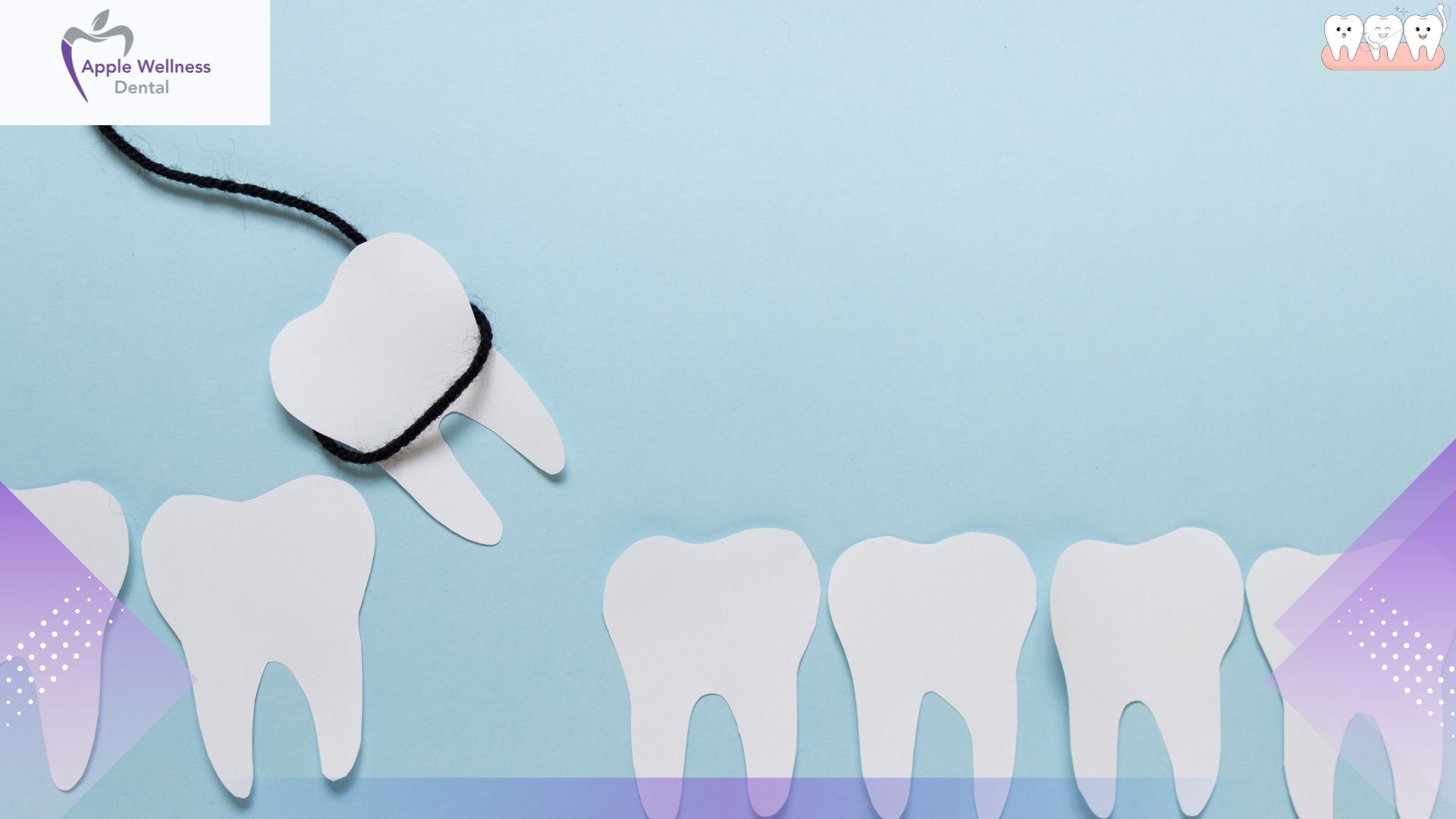
Pain during any dental treatment depends on several factors: how invasive the procedure is, how well the anesthesia works, your individual pain tolerance, and how much tissue is disturbed. Both fillings and extractions use local anesthesia to block pain signals, but the level of pressure, stretching, and manipulation differs significantly between the two.
With a filling, we remove decay from inside the tooth and replace it with a restorative material. The tooth stays in place, and the work is confined to the crown or surface. With an extraction, we’re removing the entire tooth from its socket in the jawbone, which involves more tissue manipulation, pressure, and sometimes minor surgery if the tooth is impacted or broken. That difference in invasiveness is why extractions tend to feel more intense, even when both are properly numbed.
Your anxiety level also plays a role. If you’re tense or worried, muscles tighten and sensitivity can feel worse. That’s why we focus on clear communication, gentle technique, and giving you control over the pace. We want you to feel safe and heard, not just numbed. For more on how anesthesia works, see our article on dental freezing recovery time.
What Happens During a Dental Filling
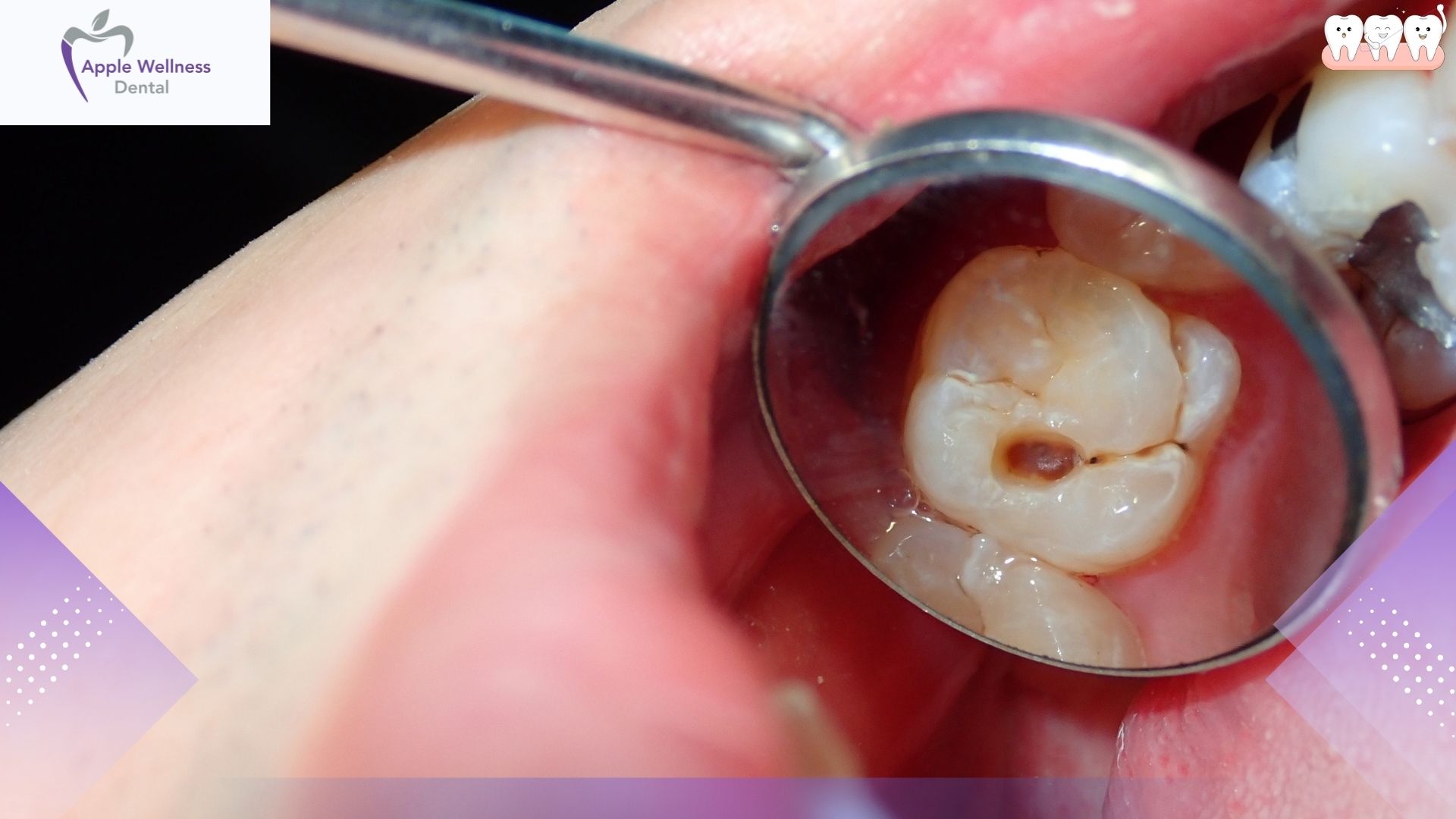
A dental filling is one of the most common restorative procedures we perform. It’s used to treat cavities by removing decayed tooth structure and filling the space with a durable material. At Apple Wellness Dental, we primarily use tooth-colored composite resin fillings that match your natural tooth shade. This keeps your smile looking natural while stopping decay from spreading.
Step-by-Step: Filling Procedure
We start by applying local anesthesia to numb the tooth and surrounding area. You may feel a small pinch from the needle, but the anesthesia quickly takes effect. Once the area is numb, we use a small drill or laser to remove the decay. You won’t feel pain, but you may feel vibration, pressure, or the sensation of water and suction as we clean the cavity.
After removing all decay, we condition the tooth and bond the composite resin in layers, hardening each layer with a curing light. Finally, we shape and polish the filling so your bite feels normal. The entire process usually takes 30 to 60 minutes for a single cavity. Most patients describe the sensation as mild pressure or awareness of movement, not sharp pain.
Pain During a Filling
During the procedure, you should not feel sharp pain. If you do, tell us immediately and we’ll add more anesthesia. The most common discomforts are:
- Brief sting from the anesthesia injection
- Pressure or vibration from the drill
- Water and air spray in your mouth
- Keeping your mouth open for 30–60 minutes
These are manageable and short-lived. After the numbness wears off, you may feel mild sensitivity to cold, sweet, or pressure for a few days, especially if the cavity was deep. This is normal and usually resolves quickly. For more on filling materials, see our guide on dental composite resin.
What Happens During a Tooth Extraction
Tooth extraction involves removing the entire tooth from its socket in the jawbone. This is done when a tooth is too damaged to save, infected beyond repair, or impacted (as with some wisdom teeth). There are two main types: simple extraction for visible teeth and surgical extraction for impacted or broken teeth that require incisions or bone removal.
Step-by-Step: Extraction Procedure
We begin with local anesthesia to numb the tooth, surrounding gum, and bone. You may also have sedation options if you’re anxious. Once numb, we gently loosen the tooth using specialized instruments. For a simple extraction, we rock the tooth back and forth until it releases from the socket. For a surgical extraction, we make a small incision in the gum, remove some bone if needed, and sometimes split the tooth into sections for easier removal.
After the tooth is removed, we clean the socket, may place stitches, and give you instructions for healing. The procedure can take 20–45 minutes for a simple extraction and longer for surgical cases. You will feel pressure, pushing, and movement, but not sharp pain if the anesthesia is working properly.
Pain During an Extraction
During the extraction, you won’t feel sharp pain, but you will feel more pressure and stretching than with a filling. Common sensations include:
- Brief sting from the anesthesia injection
- Strong pressure as the tooth is loosened
- A feeling of pushing or widening in the socket
- Occasional cracking or popping sounds (normal)
After the procedure, as the numbness wears off, you may experience soreness, swelling, and throbbing for several days. This is more intense than the sensitivity after a filling. For more on recovery, see our guide on wisdom teeth removal.
Direct Comparison: Which Is More Painful Tooth Extraction or Filling
When comparing pain, the answer depends on whether we’re talking about during the procedure or after. During both procedures, local anesthesia is used, so you should not feel sharp pain. The main difference is the type of sensation: pressure and movement for extraction versus drilling and vibration for filling.
During the Procedure
Fillings are generally less intense. You feel vibration and pressure, but the area is numbed and the procedure is shorter. Extractions involve more force and manipulation, so even when numbed, the pressure feels stronger. Most patients describe extractions as more uncomfortable during the procedure, but still manageable with anesthesia.
After the Procedure
After a filling, discomfort is usually mild. You may have sensitivity for a few days, especially if the cavity was deep. Over-the-counter pain relievers are often enough. After an extraction, you’re more likely to have soreness, swelling, and throbbing for several days to a week. You may need stronger pain medication and more careful aftercare to prevent complications like dry socket.
Overall Pain Level
When patients ask which is more painful tooth extraction or filling, the honest answer is that extraction is typically more painful overall, mainly due to the recovery period. The extraction itself is well-controlled with anesthesia, but the healing process is more involved. Fillings are less invasive, with quicker recovery and less post-procedure discomfort. For more on when extraction becomes necessary, see our restorative dentistry guide.
Recovery: Pain After Filling vs Extraction
Recovery is where the biggest difference shows. After a filling, most people can return to normal activities immediately. You may eat once the numbness wears off, and sensitivity usually fades within a few days. You can brush and floss normally, though you may want to avoid very hot, cold, or hard foods on that tooth for a day or two.
After an extraction, recovery takes longer. You’ll need to rest, avoid strenuous activity, and follow strict aftercare instructions to protect the blood clot in the socket. You may need to change your diet to soft foods for several days and avoid using straws or spitting forcefully. Pain and swelling peak within the first 2–3 days and gradually improve over the next week. If you’re curious about extraction timelines, our recovery after dental extraction article has a full day-by-day breakdown.
Proper aftercare reduces pain and complications in both cases. For fillings, that means good oral hygiene and avoiding extreme temperatures for a day. For extractions, that means gentle rinsing after 24 hours, keeping the area clean, and taking pain medication as directed. If you’re unsure what’s normal, call us instead of guessing. Your comfort and safety are our top priority.
Pain Management: How We Keep You Comfortable
At Apple Wellness Dental, we don’t just numb you and hope for the best. We take a proactive approach to pain and anxiety management. We explain each step before we do it, check in regularly during the procedure, and give you control over the pace. If you’re nervous, we can discuss additional options like nitrous oxide or oral sedation to help you relax.
For fillings, local anesthesia is usually enough. We use gentle injection techniques and wait until the area is fully numb before starting. For extractions, we use stronger anesthesia and may combine it with sedation, especially for surgical cases. We also give you clear aftercare instructions and pain medication recommendations so you’re prepared for life after the procedure.
If you’re worried about pain, tell us early. We can adjust our approach, add more anesthesia, or slow down. We’d rather you speak up than suffer in silence. Your comfort matters more than speed. For more on anesthesia options, see our article on dental freezing duration.
Why Professional Care Matters
It’s tempting to try to manage tooth pain at home with over-the-counter remedies or to wait until the problem goes away on its own. But delaying treatment almost always makes things worse. A small cavity that could be fixed with a simple filling can become a deep infection requiring extraction if left untreated. The sooner you come in, the more options you have and the less pain you’ll experience overall.
Professional care also ensures that anesthesia is used safely and effectively. Home remedies can’t numb nerve pain the way local anesthesia does. And if complications arise, like dry socket after an extraction or persistent sensitivity after a filling, we can treat them quickly before they become serious. DIY approaches may save you time in the short term, but they often cost more in pain and procedures later.
At Apple Wellness Dental in Airdrie, we’re here to help you make the right choice for your long-term health. We’ll explain your options, answer your questions, and walk you through every step. If you’re wondering which is more painful tooth extraction or filling in your specific case, a clinical exam and X-rays will give you the real answer. You can reach us at Apple Wellness Dental, 229 1st Street SW, Airdrie, AB, or call +1 587 332 6767 to schedule your consultation. We’ll help you choose the least painful, most effective path forward.
Common Questions About Which Is More Painful Tooth Extraction or Filling
Q: Which is more painful tooth extraction or filling?
A: Tooth extraction is generally more painful than a filling, mainly because the recovery is more involved. During both procedures, local anesthesia is used so you should not feel sharp pain. After the procedure, extraction causes more soreness, swelling, and throbbing for several days, while filling sensitivity is usually mild and lasts only a few days.
Q: Does a filling hurt during the procedure?
A: No, not if the anesthesia works properly. You may feel a brief sting from the injection, vibration from the drill, and pressure as the decay is removed. Once the area is numb, you should not feel sharp pain. Tell us if you do, and we’ll add more anesthesia.
Q: Does tooth extraction hurt during the procedure?
A: You should not feel sharp pain, but you will feel pressure, pushing, and movement as the tooth is loosened and removed. Some patients describe this as uncomfortable but tolerable. Sedation options are available if you’re anxious or sensitive to pressure.
Q: How long does pain last after a filling?
A: Most patients feel mild sensitivity for a few days after a filling, especially to cold, sweet, or pressure. This usually fades on its own. If pain lasts longer than a week or is severe, call us to check for issues like a high bite or deep decay near the nerve.
Q: How long does pain last after an extraction?
A: Pain and swelling typically peak within the first 2–3 days and gradually improve over the next week. Most patients feel much better after 5–7 days. If pain worsens after 3–4 days, it could be dry socket, which requires professional treatment.
Q: Can I take painkillers before the procedure?
A: It’s better to wait until after the procedure unless your dentist advises otherwise. Taking painkillers before doesn’t prevent the discomfort that comes as the anesthesia wears off. We’ll recommend the right type and dose for your situation after the procedure.
Q: Will I need stitches after an extraction?
A: Not always. Simple extractions often don’t require stitches. Surgical extractions, especially for impacted teeth, may need stitches to close the gum and protect the socket. We’ll let you know before the procedure and give you aftercare instructions based on your case.
Q: Can I work after a filling or extraction?
A: Most people can return to work after a filling the same day. After an extraction, you may want to rest for the rest of the day, especially if you had sedation. Avoid strenuous activity for 24–48 hours to protect the healing socket.
Q: What if I’m afraid of the dentist?
A: You’re not alone. Many patients feel anxious, and we’re used to helping them through it. We explain each step, go at your pace, and offer sedation options if needed. Telling us about your fear early helps us adjust our approach to keep you comfortable.
Q: Is it better to get a filling or extraction?
A: We always try to save your natural tooth with a filling or other restorative treatment if possible. Extraction is reserved for teeth that are too damaged, infected, or impacted to save. The best choice depends on the condition of your tooth, which we can assess with an exam and X-rays.
Conclusion
When patients ask which is more painful tooth extraction or filling, the honest answer is that extraction is typically more uncomfortable overall, mainly due to the recovery period. During both procedures, local anesthesia is used so you should not feel sharp pain. Fillings are less invasive, shorter, and have milder recovery, while extractions involve more pressure and a longer healing process. But with proper anesthesia, gentle technique, and clear aftercare, both procedures are manageable for most patients.
If you’re worried about pain or unsure which treatment you need, don’t wait until the problem gets worse. At Apple Wellness Dental in Airdrie, we’re here to help you choose the least painful, most effective path forward. A professional exam will show whether you’re a candidate for a filling or need an extraction, and we’ll explain your options in plain language. If you’re ready to move forward, call Apple Wellness Dental to schedule your appointment and take the next step toward a pain-free, healthy smile.