
Is It Safe to Drink Alcohol 5 Days After a Tooth Extraction? A Complete Healing Guide
No, drinking alcohol 5 days after a tooth extraction is not recommended for most patients. While the initial critical window for dry socket has passed, the extraction site is still actively healing. Alcohol consumption at this stage can impair immune function, dehydrate delicate tissues, and potentially dislodge the protective blood clot that remains essential for complete bone and gum regeneration. The safest approach is to wait until the socket has fully closed with soft tissue, which typically takes 7 to 10 days.
Key Takeaways
- The highest risk for dry socket occurs between days 3 and 5 post-extraction; alcohol on day 5 still poses a significant threat.
- Alcohol acts as a vasodilator and diuretic, which can disrupt clot stability and delay wound healing.
- Mixing alcohol with prescribed pain medications or antibiotics can lead to dangerous interactions.
- Complete soft tissue closure of the socket usually requires 7 to 10 days; waiting until then is the clinical gold standard.
- If you choose to drink, stick to non-carbonated, low-alcohol options and avoid using a straw at all costs.
- Signs of complications—throbbing pain, foul taste, visible bone—require immediate professional evaluation.
Understanding the Healing Timeline After a Tooth Extraction
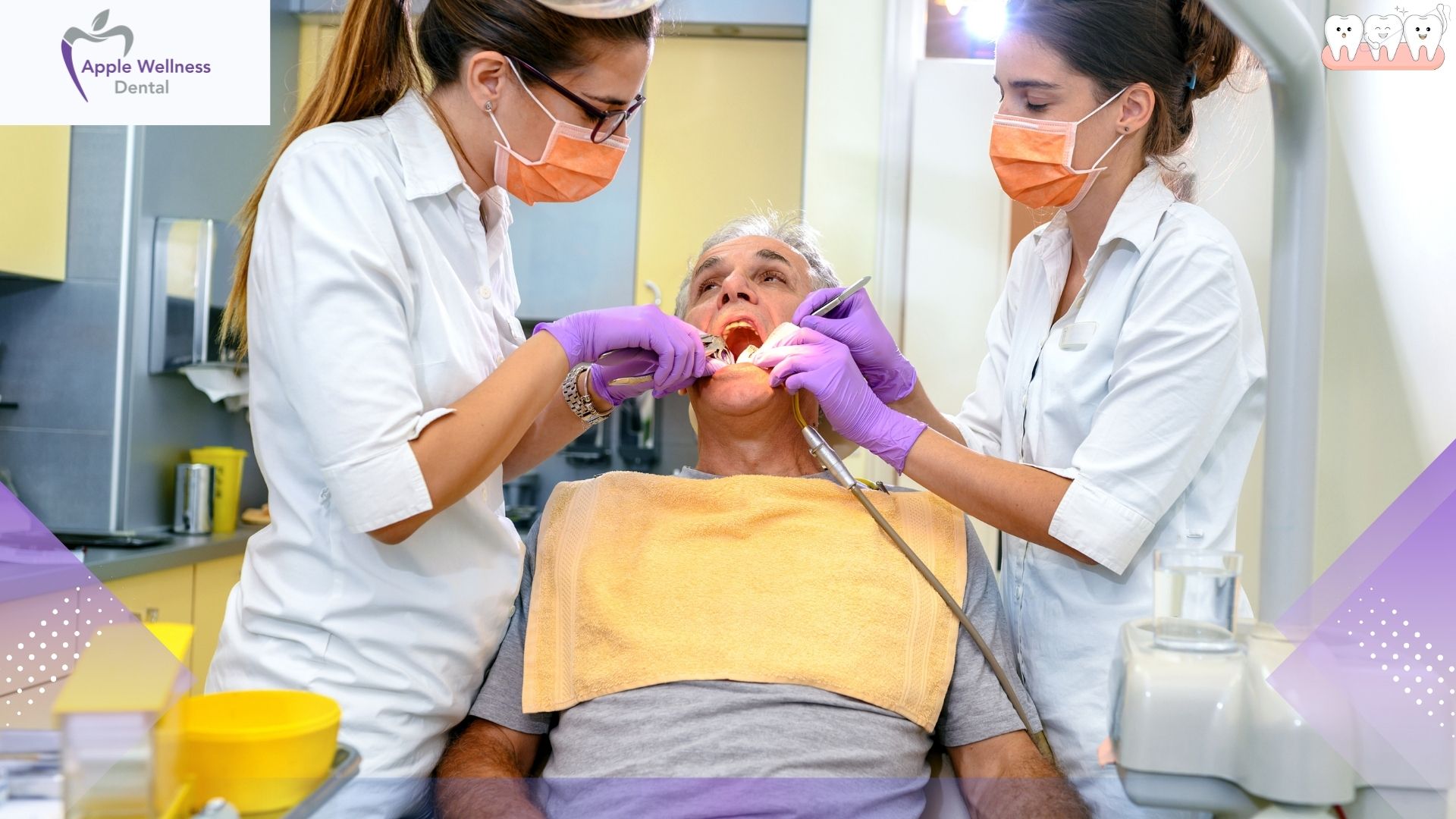
The journey from extraction to full recovery is a precisely orchestrated biological process. Immediately after a tooth is removed, the body forms a blood clot within the socket. This clot is not merely a scab; it serves as a protective layer over the underlying bone and nerve endings, and it provides the foundation for new tissue growth. According to the American Association of Oral and Maxillofacial Surgeons, the first 24 hours are dedicated to clot stabilization. During this period, any suction, spitting, or vigorous rinsing can dislodge the clot, leading to a painful condition known as alveolar osteitis, or dry socket.
By day 3, the clot begins to organize and is gradually replaced by granulation tissue—a fragile, pinkish, collagen-rich material. Research published in the Journal of Oral and Maxillofacial Surgery indicates that the risk of dry socket peaks precisely between days 3 and 5. This is because the initial clot is breaking down biochemically while the new tissue is not yet strong enough to protect the bone. Day 5 sits squarely within this high-risk transition zone. The socket may look smaller, but beneath the surface, active bone remodeling and soft tissue proliferation are underway.
Why Alcohol and Oral Surgery Don’t Mix
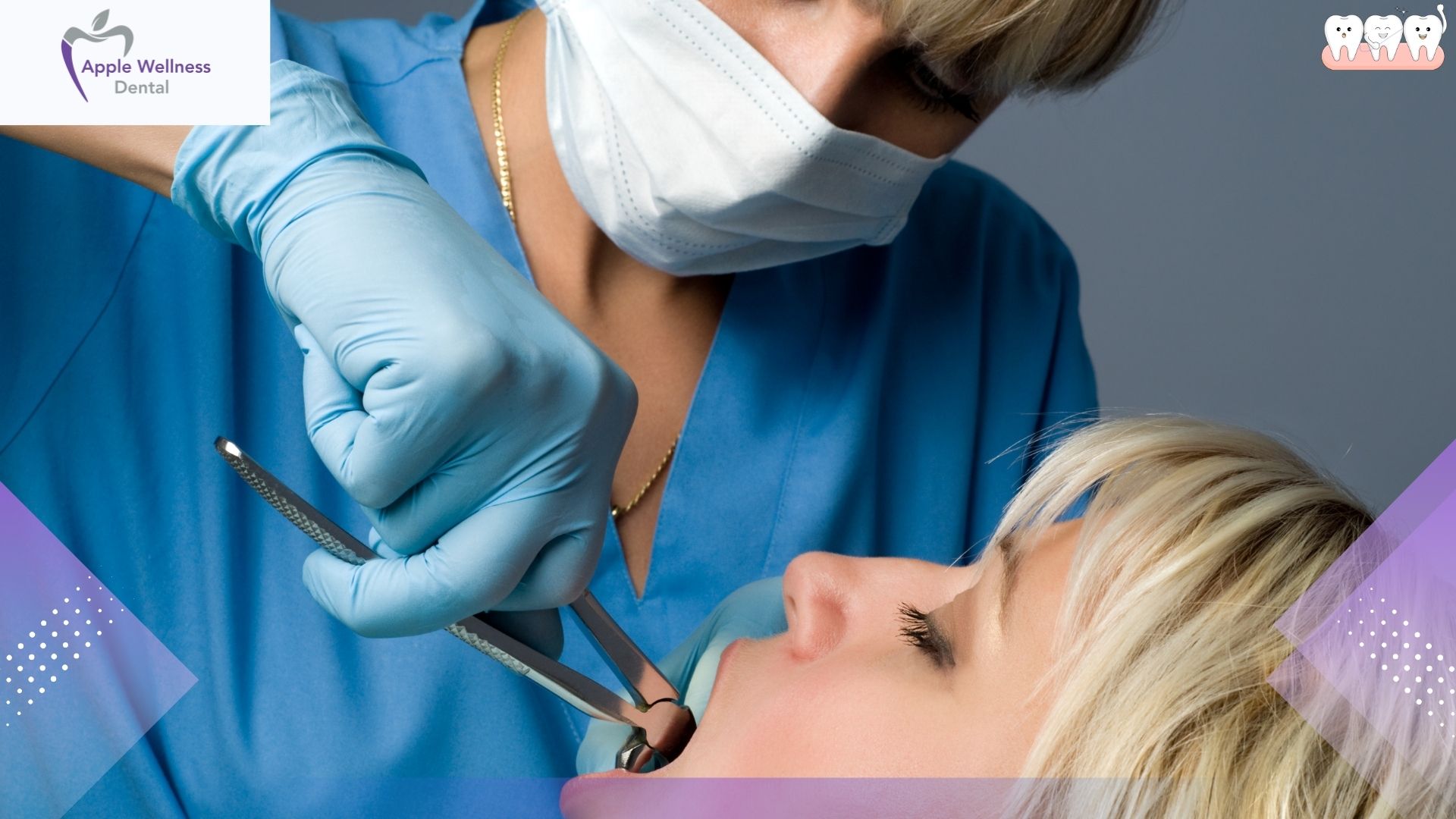
Alcohol’s effects on the body directly counteract the requirements of post-surgical healing. Ethanol is a potent vasodilator, meaning it widens blood vessels. While this might sound beneficial, in the context of a fresh wound, it can increase oozing and disrupt the delicate fibrin mesh that holds the clot in place. Furthermore, alcohol acts as a diuretic, causing the body to expel more water. Dehydration of the oral mucosa makes the gum tissue less pliable and more prone to cracking, which can expose the healing socket.
Beyond local effects, alcohol suppresses the immune system. A study from the National Institute on Alcohol Abuse and Alcoholism demonstrates that excessive alcohol intake impairs the function of macrophages, the cells responsible for cleaning debris and fighting infection in a wound. For a patient 5 days post-extraction, this means the body’s ability to prevent a secondary infection in the socket is significantly compromised. The combination of local irritation, dehydration, and systemic immune suppression makes alcohol a triple threat to proper healing.
The Dry Socket Danger: Why Day 5 Is Still Critical
Dry socket occurs when the blood clot is lost prematurely, exposing the underlying alveolar bone and nerve endings to air, food, and fluids. The pain is characteristically severe, often radiating to the ear, and is notoriously resistant to over-the-counter pain relievers. Statistics from the Cochrane Database of Systematic Reviews show that dry socket occurs in approximately 5% of all routine extractions, but the incidence jumps to 30% or higher for impacted wisdom teeth removals. The peak incidence window is 3 to 5 days post-surgery.
Dr. Eleanor Vance, DDS, a board-certified oral surgeon, explains: “Patients often feel better on day 5 and assume the danger has passed. In reality, the clot is undergoing a critical transformation. The chemical irritation from alcohol, combined with the physical risk of swishing liquid in the mouth, makes day 5 one of the worst possible times to introduce alcohol. I’ve treated numerous dry socket cases that were directly triggered by a ‘celebratory drink’ taken too soon.”
Factors That Increase Your Personal Risk
- Smoking or vaping: Nicotine is a vasoconstrictor that starves the healing tissue of oxygen.
- Oral contraceptive use: Estrogen can increase the dissolution of the fibrin clot.
- Traumatic extraction: Difficult surgeries that required extensive drilling or sectioning of the tooth.
- Poor oral hygiene: Pre-existing bacteria increase the inflammatory response.
- Age: Patients over 30 have a statistically higher incidence of dry socket.
Dangerous Interactions: Alcohol and Post-Operative Medications
Even if the clot remains stable, a critical reason to avoid alcohol on day 5 is the potential for drug interactions. Dentists routinely prescribe analgesics and antibiotics after extractions. Mixing alcohol with these medications can cause severe side effects. Acetaminophen, a common ingredient in prescription pain relievers like Vicodin or Percocet, becomes hepatotoxic when combined with alcohol, risking acute liver damage.
Antibiotics such as metronidazole or amoxicillin-clavulanate can trigger a disulfiram-like reaction when taken with alcohol. This reaction includes severe nausea, vomiting, flushing, and rapid heartbeat. According to the U.S. Food and Drug Administration, patients should abstain from alcohol for at least 72 hours after the last dose of metronidazole. Since antibiotic courses typically last 7 days, drinking on day 5 is absolutely contraindicated if you are still taking these medications.
| Medication Type | Common Examples | Risk with Alcohol |
|---|---|---|
| Opioid Analgesics | Codeine, Hydrocodone, Oxycodone | Enhanced sedation, respiratory depression, dizziness |
| NSAIDs | Ibuprofen, Naproxen | Increased risk of gastrointestinal bleeding |
| Acetaminophen | Tylenol, Percocet | Acute liver toxicity and failure |
| Antibiotics | Metronidazole, Clindamycin | Severe vomiting, disulfiram-like reaction |
What Happens If You Drink Alcohol on Day 5?
If a patient consumes alcohol on the fifth day, the immediate consequences can vary based on the type of alcohol, the complexity of the extraction, and individual healing factors. The most common immediate complaint is a sharp, throbbing pain that begins several hours after drinking. This is often the first sign of a dislodged or dissolving clot. The patient may also notice a foul taste or bad breath, which indicates food debris and bacteria are now in direct contact with the bone.
In cases where the clot remains intact, the patient might still experience a burning sensation as the alcohol irritates the raw granulation tissue. This chemical irritation can cause localized inflammation, delaying the formation of new blood vessels. A clinical review in the British Dental Journal notes that patients who consume alcohol during the first week post-extraction have a documented 15% slower rate of soft tissue closure compared to those who abstain. This delay extends the overall recovery period and increases the window of vulnerability to infection.
When Is It Truly Safe to Drink Alcohol Again?
The definitive answer depends on clinical closure of the wound, not a fixed number of days. The socket must be covered by a complete layer of epithelium, or skin-like tissue, to be considered safe from external irritants. For a simple single-rooted tooth extraction, this typically occurs between 7 and 10 days. For surgical extractions involving molars or impacted teeth, complete soft tissue closure may take 2 to 3 weeks.
Dr. Marcus Thorne, MD, DMD, a maxillofacial surgeon and researcher, advises: “I tell my patients to use the ‘mirror test.’ When you look at the extraction site, you should see smooth, pink gum tissue with no visible hole or dark area. If you can still see a defect, the socket is not protected, and alcohol is off the table. For most people, this point is reached around day 10. Waiting those extra few days prevents a world of pain.”
A Step-by-Step Guide to Resuming Alcohol Safely
- Confirm closure: Visually inspect the site or have your dentist confirm that soft tissue has sealed the socket.
- Finish medications: Ensure you have completed your full course of antibiotics and are no longer taking prescription painkillers.
- Start with water: On your first day back, drink plenty of water to ensure you are fully hydrated before any alcohol.
- Choose wisely: Opt for a non-carbonated, low-acidity drink. A smooth stout or a spirit diluted with still water is less irritating than champagne or citrus-heavy cocktails.
- No straws, ever: The suction pressure can dislodge even a mature clot. Drink directly from the glass.
- Rinse after: Gently rinse your mouth with plain water or a non-alcoholic antibacterial mouthwash 30 minutes after drinking to remove residual sugars and acids.
Nutritional Support for Faster Healing
Instead of reaching for a beer or a glass of wine, patients on day 5 should focus on nutritional strategies that accelerate tissue repair. Protein intake is paramount; collagen synthesis requires amino acids like proline and glycine. Soft, protein-rich foods such as scrambled eggs, Greek yogurt, and smooth nut butters provide the building blocks for new gum tissue. Vitamin C, found in pureed berries or supplements, is a critical co-factor in collagen formation.
Zinc supplementation has been shown in studies to reduce the incidence of dry socket. A randomized controlled trial published in the International Journal of Oral and Maxillofacial Surgery found that patients who took zinc supplements post-extraction had a 40% lower rate of alveolar osteitis. Hydration with water and electrolyte-rich fluids like coconut water supports blood volume and nutrient transport to the wound site, directly counteracting the dehydrating effects one might have sought from alcohol.
Recognizing Complications: When to Seek Immediate Help
If you have consumed alcohol and begin to experience symptoms, do not adopt a “wait and see” approach. Dry socket is not self-limiting; it requires professional intervention. A dentist will irrigate the socket to remove debris and place a medicated dressing, often containing eugenol, which provides immediate pain relief. Delaying treatment can lead to a localized bone infection or osteomyelitis, a serious condition requiring long-term antibiotics.
Warning signs that demand an emergency visit include: pain that increases in intensity over hours rather than days, a visible empty socket with whitish bone exposed, swelling that spreads to the face or neck, fever, or pus drainage. These symptoms indicate that the issue has progressed beyond a simple dry socket into a spreading infection. As Dr. Vance notes, “The cost and discomfort of an emergency dry socket treatment far outweigh the temporary pleasure of a drink. It’s simply not worth the gamble.”
Frequently Asked Questions
Can I drink non-alcoholic beer 5 days after tooth extraction?
Non-alcoholic beer is a safer alternative because it eliminates the ethanol-related risks, but caution is still required. Many non-alcoholic beers are carbonated, and the carbonation bubbles can create pressure and mild suction in the mouth, potentially disturbing the clot. If you choose to drink one, let it go completely flat first and sip gently from a glass.
What about mouthwash containing alcohol after an extraction?
Alcohol-based mouthwashes should be strictly avoided for at least 10 days. The high concentration of alcohol causes direct chemical burning of the granulation tissue and dries out the mucosa. Switch to a non-alcoholic, chlorhexidine-based rinse if your dentist has prescribed one, or simply use warm salt water rinses.
Does the type of alcohol matter for healing?
Yes, significantly. Dark spirits like whiskey and red wine contain congeners and tannins that are highly irritating to raw tissue. Beer and sparkling wine introduce carbonation pressure. If one were to drink prematurely, a clear spirit heavily diluted with water would be the least damaging option, but the safest choice remains complete abstinence.
I drank alcohol on day 5 and feel fine. Am I in the clear?
Not necessarily. The absence of immediate pain does not guarantee that the clot is intact. Alcohol’s analgesic effect can mask early warning signs. You may have caused a partial clot disruption that will become painful over the next 24 hours as bacteria colonize the site. Monitor the area closely for any change in sensation or taste.
How does vaping compare to drinking alcohol after an extraction?
Vaping is arguably more dangerous than drinking alcohol in the first week. The suction motion required to inhale from a vape device creates significant negative pressure in the mouth, which is the primary mechanical cause of dry socket. Additionally, nicotine is a potent vasoconstrictor that drastically reduces blood flow to the healing gums.
Can I use a straw if I’m only drinking water?
No. The prohibition on straws is not about the liquid; it’s about the suction force. Using a straw for water generates the same negative pressure that can dislodge the blood clot. All liquids should be sipped from a cup or spoon for at least the first week.
When can I return to normal eating and drinking habits?
Most patients can resume a normal diet, including crunchy foods and occasional alcohol, after 2 weeks. By this time, the socket is filled with granulation tissue and the gum surface is intact. However, complete bone remodeling takes several months, so some sensitivity may persist.
Conclusion
Resisting the urge to drink alcohol 5 days after a tooth extraction is a critical investment in your recovery. The biological reality is that day 5 represents a fragile transition point where the protective clot is vulnerable and new tissue is just beginning to form. Introducing alcohol at this stage risks the severe pain of dry socket, dangerous drug interactions, and a significantly prolonged healing timeline. The clinical evidence is clear: waiting until the socket is fully sealed with soft tissue—typically 7 to 10 days—is the only safe approach. If you are experiencing unexpected pain or have concerns about your healing progress, do not hesitate to seek professional guidance. Contact our office today to schedule a follow-up evaluation and ensure your recovery stays on track.
References
- American Association of Oral and Maxillofacial Surgeons. Post-Operative Care Guidelines
- National Institute on Alcohol Abuse and Alcoholism. Alcohol’s Effects on the Body
- Cochrane Database of Systematic Reviews. Interventions for preventing dry socket
- U.S. Food and Drug Administration. Medication Safety and Alcohol Interactions
- British Dental Journal. Healing dynamics in oral surgery
- International Journal of Oral and Maxillofacial Surgery. Zinc supplementation and dry socket prevention
- Journal of Oral and Maxillofacial Surgery. Dry socket incidence and risk factors