
Alcohol After Tooth Extraction: When It’s Safe, Risks, and a Complete Recovery Timeline
You should wait a minimum of 7 to 10 days before drinking alcohol after a tooth extraction. Consuming alcohol any sooner significantly increases your risk of developing a painful dry socket, delays the healing process, and can lead to dangerous interactions with prescribed pain medications. The extraction site needs time to form a stable blood clot, and alcohol’s blood-thinning and dehydrating properties directly undermine this critical first step in recovery.
Key Takeaways
- Wait at least 7–10 days after a tooth extraction before consuming any alcohol to protect the blood clot.
- Alcohol thins the blood, impairs clotting, and can dislodge the protective clot, causing a painful dry socket.
- Mixing alcohol with prescription painkillers or antibiotics poses serious health risks, including liver damage and excessive sedation.
- Beer and carbonated beverages are particularly risky due to carbonation and yeast content that can irritate the wound.
- Proper hydration, soft foods, and gentle oral hygiene are essential for speeding up recovery.
- If you experience throbbing pain days after the extraction, contact your dentist immediately—it may be a dry socket.
Why Alcohol and Tooth Extraction Don’t Mix
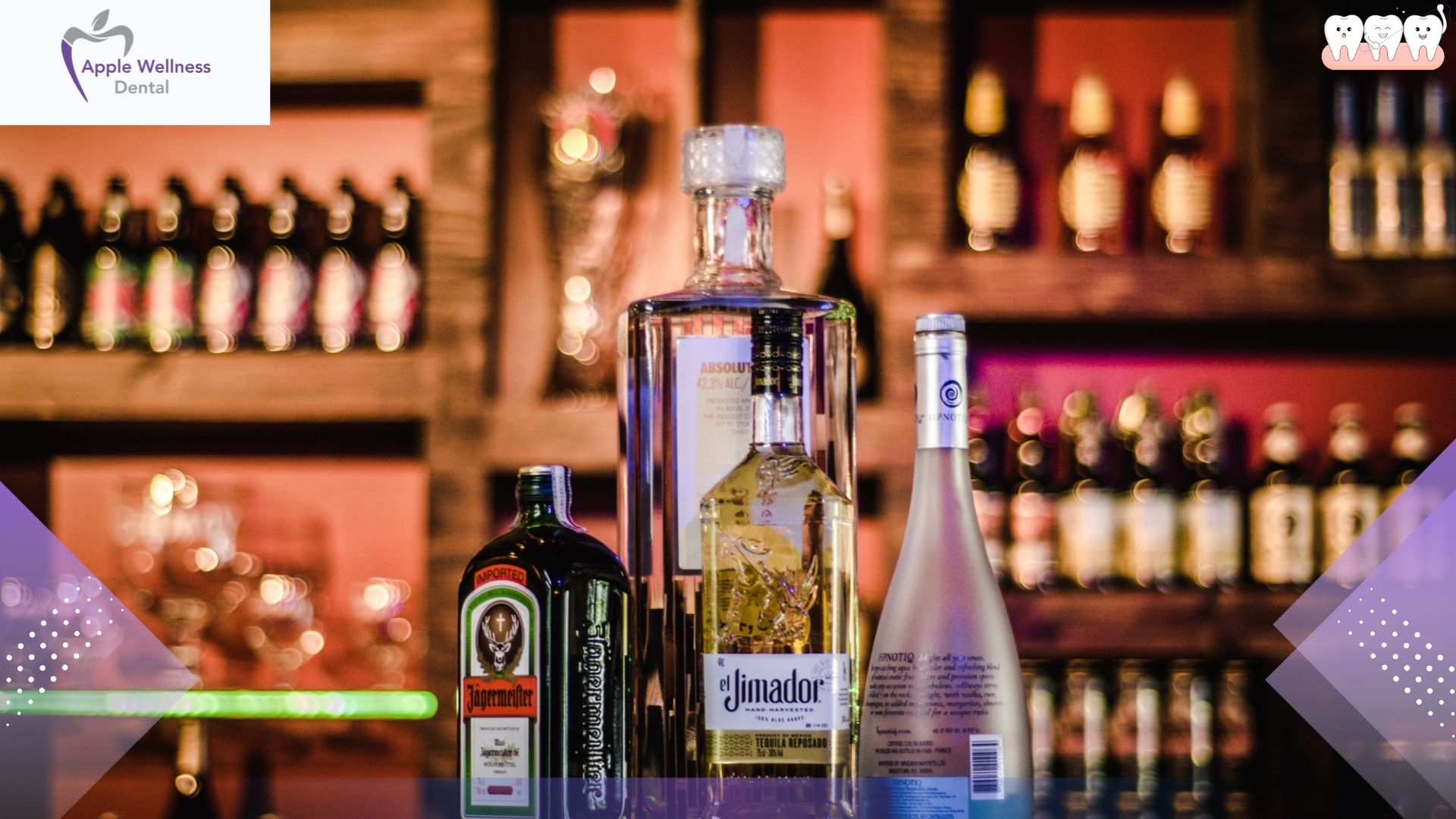
The immediate aftermath of a tooth extraction is all about one thing: forming and preserving a healthy blood clot in the socket. This clot acts as a natural bandage, protecting the underlying bone and nerve endings while new tissue grows. Alcohol interferes with this process in multiple ways. According to the American Dental Association, the first 24 to 72 hours are the most critical for clot stabilization. Alcohol acts as a vasodilator and a mild anticoagulant, meaning it widens blood vessels and thins the blood. This makes it much harder for a stable clot to form and much easier for any formed clot to be washed away prematurely.
Beyond the direct impact on clotting, alcohol compromises your body’s systemic healing response. Research from the National Institute on Alcohol Abuse and Alcoholism shows that excessive alcohol consumption impairs immune function and reduces the body’s ability to fight off infection. An open extraction socket is a direct gateway for bacteria into the jawbone and bloodstream. Introducing alcohol, especially sugary mixed drinks or yeast-heavy beers, can feed bacteria and increase the likelihood of a post-operative infection.
The Dry Socket Danger: More Than Just Pain
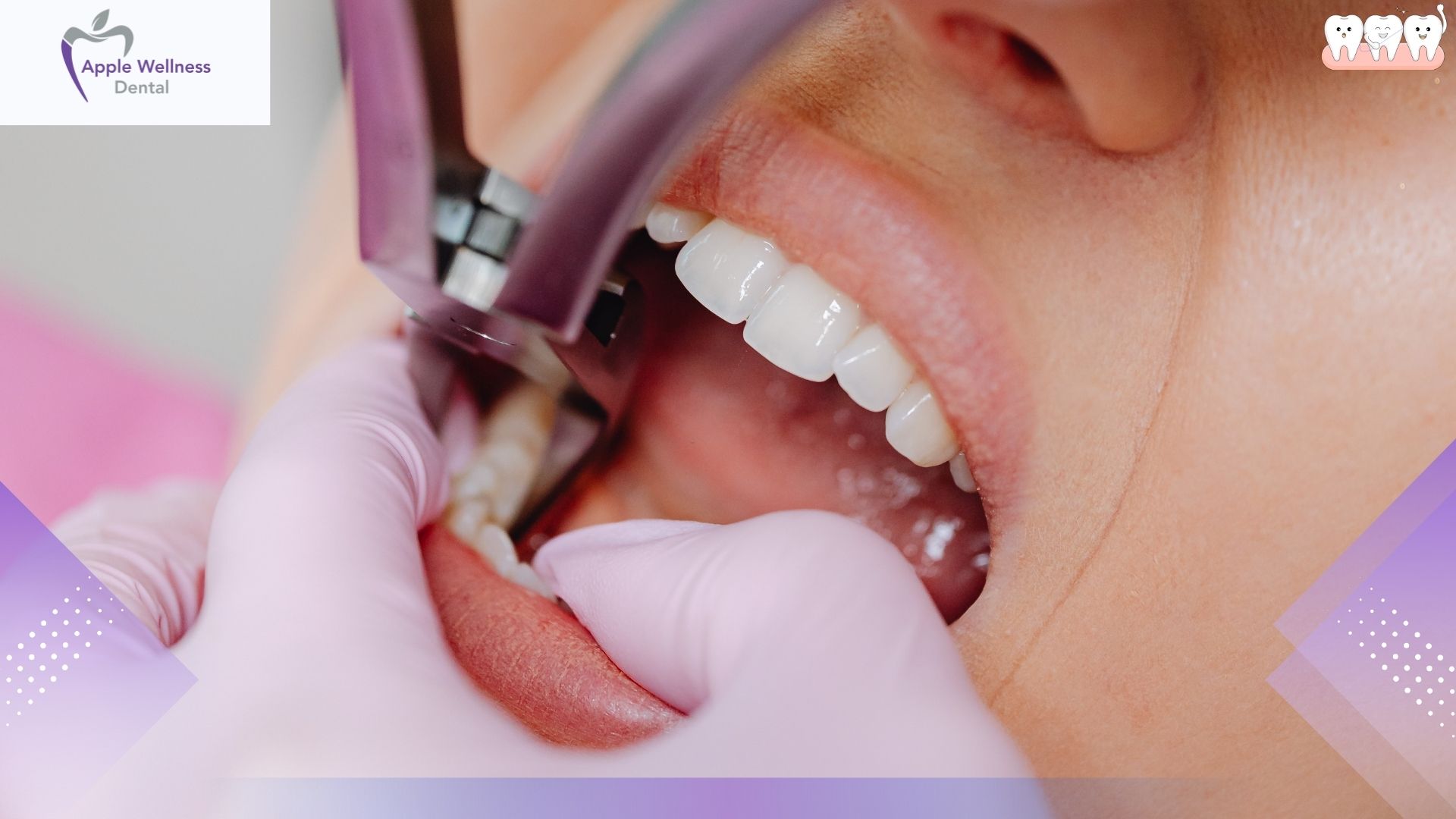
Dry socket, clinically known as alveolar osteitis, is the most common complication following a tooth extraction. It occurs when the blood clot is dislodged or dissolves before the wound has healed, exposing the underlying bone and nerves to air, food, and fluids. The pain is typically described as a deep, throbbing ache that radiates from the jaw to the ear and is notoriously resistant to over-the-counter pain relievers. A study published in the Journal of Oral and Maxillofacial Surgery found that the incidence of dry socket is between 2% and 5% for all routine extractions, but that number spikes dramatically for patients who smoke or consume alcohol in the first week.
Alcohol contributes to dry socket in two specific ways. First, the physical act of drinking—especially through a straw, but even the suction created by sipping from a glass—can physically pull the clot out of the socket. Second, alcohol’s chemical properties directly break down fibrin, a key protein involved in clot formation. As Dr. Emily Carter, a board-certified oral surgeon, explains: “Patients often underestimate the suction force created by normal drinking. I advise my patients to avoid not just straws, but any beverage that requires a puckering or sucking motion, including beer bottles, for a full week. Alcohol adds a chemical insult to that mechanical risk.”
A Day-by-Day Recovery Timeline and Alcohol
Understanding the healing stages helps clarify why the waiting period is non-negotiable. Here is a detailed breakdown of what’s happening in your mouth and when it’s safe to consider a drink.
Days 1–3: The Critical Clotting Phase
Immediately after the extraction, a blood clot forms in the socket. This is a fragile, gelatinous mass that is easily disrupted. Your dentist will have you bite down on gauze to help stabilize it. During this period, the absolute priority is protecting the clot. No alcohol whatsoever. The risk of dislodging the clot is at its peak. You should also avoid rinsing vigorously, spitting, or touching the area with your tongue. Stick to water and lukewarm, non-caffeinated beverages, drinking carefully from a cup.
Days 4–7: Tissue Formation Begins
By day four, the clot is gradually being replaced by granulation tissue—a pinkish, collagen-rich material that forms the foundation for new gum tissue. The immediate risk of a dry socket decreases, but the wound is still far from closed. Drinking alcohol during this phase remains highly inadvisable. The new tissue is extremely delicate and vulnerable to chemical irritation. Alcohol can cause a burning sensation, inflammation, and significantly slow down the proliferation of fibroblasts, the cells responsible for building new tissue.
Days 7–10: Initial Soft Tissue Closure
For a simple, uncomplicated extraction, the gum tissue should be well on its way to closing over the socket by the end of the first week. The risk of a full dry socket drops considerably. This is the earliest point at which a small amount of alcohol might be considered, but only if you are no longer taking any prescription pain medication and your dentist has confirmed the site is healing well. If you do choose to drink, avoid carbonation and swish gently with water afterward to clear the area. However, waiting a full 14 days is the safest, most conservative approach recommended by many dental professionals.
Alcohol and Post-Extraction Medications: A Dangerous Cocktail
The most immediate and severe danger of drinking too soon after an extraction isn’t just a dry socket—it’s a dangerous drug interaction. Dentists routinely prescribe a combination of medications after a surgical extraction, and mixing any of them with alcohol can have serious consequences.
| Medication Type | Common Examples | Risk When Mixed with Alcohol |
|---|---|---|
| Opioid Analgesics | Codeine, Hydrocodone, Oxycodone | Severe respiratory depression, extreme drowsiness, coma, death. Both substances are CNS depressants. |
| NSAIDs | Ibuprofen (Advil, Motrin), Naproxen | Significantly increased risk of gastrointestinal bleeding and stomach ulcers. |
| Antibiotics | Amoxicillin, Clindamycin, Metronidazole | Reduced antibiotic efficacy, severe nausea, vomiting, rapid heart rate, and liver stress. Metronidazole is especially dangerous. |
| Acetaminophen | Tylenol | Acute liver damage. Both are metabolized by the liver, and the combination can be toxic even in small amounts. |
Dr. James Liu, a clinical pharmacist specializing in dental pharmacotherapy, warns: “The combination of alcohol and acetaminophen is one of the most common causes of acute liver failure in North America. After a dental procedure, patients often don’t realize that their prescribed painkiller contains acetaminophen. Adding even a single beer can overwhelm the liver’s detoxification pathways.” You must be completely off all prescription painkillers and antibiotics for at least 24 to 48 hours before even considering alcohol, and always consult the medication’s warning label.
Does the Type of Alcohol Matter? Beer vs. Wine vs. Spirits
While no alcohol is safe in the initial healing window, some types pose a greater local risk to the extraction site than others once you are past the critical 10-day mark.
- Beer and Cider: These are the worst choices. They are carbonated, and the bubbles can physically disrupt a healing clot. Beer also contains live yeast and sugars, which can ferment in the socket and promote bacterial growth, leading to infection.
- Wine: Wine is highly acidic. The acidity can chemically burn the delicate granulation tissue, causing intense pain and delaying healing. Red wine’s tannins can also stain the developing tissue.
- Spirits (Vodka, Whiskey, Gin): High-proof alcohol is a potent desiccant and irritant. It will cause a severe burning sensation on any unhealed tissue and can directly dehydrate and kill new cells. While not carbonated, its chemical harshness makes it a poor choice.
If you are well past two weeks and the gum tissue is fully closed, a single, non-carbonated, low-acid drink like a spirit diluted with still water is the least irritating option, but it still offers no benefit to your oral health and should be consumed with caution.
How to Safely Reintroduce Alcohol After Healing
Once your dentist has confirmed that the extraction site is fully closed and you are no longer on any medication, you can consider a gradual reintroduction. Follow these steps to minimize any residual risk.
- Get the All-Clear: Attend your follow-up appointment and have your dentist visually confirm that the soft tissue has completely sealed over the socket. There should be no visible bone and no sensitivity to air.
- Start with Still Water: On the day you plan to drink, ensure you are exceptionally well-hydrated. Drink a full glass of water before your first alcoholic beverage.
- Choose a Low-Risk Drink: Opt for a non-carbonated, low-acidity option. A diluted spirit or a very smooth, non-acidic white wine is preferable to beer or champagne.
- Sip, Don’t Swish: Take small, gentle sips. Do not swish the liquid around your mouth. Let it bypass the healed extraction site as much as possible.
- Rinse with Salt Water Afterward: About 30 minutes after finishing your drink, gently rinse your mouth with a warm saline solution (1/2 teaspoon of salt in a cup of water). Do not spit forcefully; let the water fall out of your mouth into the sink.
- Monitor for Symptoms: Over the next 24 hours, watch for any return of throbbing pain, a foul taste, or bad breath. If any of these occur, stop drinking immediately and contact your dentist.
Real-World Case Study: A Cautionary Tale
Consider the case of a 28-year-old patient who had a lower wisdom tooth extracted. The procedure was straightforward, and post-operative instructions were given, including a strict no-alcohol policy for one week. On day three, feeling minimal pain and no longer taking prescription painkillers, the patient attended a social gathering and drank two beers. The patient consciously avoided using a straw but drank directly from the bottle. The following morning, they woke up with a severe, throbbing pain radiating toward their ear. An emergency dental visit confirmed a dry socket. Treatment required the socket to be packed with a medicated dressing, which had to be changed every 48 hours for over a week. The total recovery time was extended from one week to nearly three weeks, and the patient described the pain as “significantly worse than the original toothache.” This case illustrates that even a small amount of the wrong type of alcohol, consumed with good intentions, can derail a smooth recovery.
Other Crucial Post-Extraction Care Tips
Avoiding alcohol is just one piece of the puzzle. Optimizing your overall recovery routine will get you back to normal faster and reduce the temptation to test your limits with a drink.
- Ice Packs: Apply an ice pack to the outside of your cheek in 20-minute intervals for the first 24 hours to minimize swelling.
- Diet: Stick to soft, cool foods like yogurt, applesauce, mashed potatoes, and smoothies (eaten with a spoon, not a straw). Avoid crunchy, spicy, or hot foods that can irritate the socket.
- Oral Hygiene: Do not brush the extraction site for the first 24 hours. After that, gently brush your other teeth, avoiding the wound. Start gentle salt-water rinses after the first 24 hours, especially after eating.
- Rest: Avoid strenuous exercise for at least 48 hours. Increased heart rate and blood pressure can dislodge the clot.
- Smoking: Like alcohol, smoking is absolutely contraindicated for at least 72 hours, and ideally a week. The suction action and chemicals are a primary cause of dry socket. According to the Centers for Disease Control and Prevention, smokers have a significantly higher risk of post-extraction complications.
Frequently Asked Questions
Can I drink alcohol 24 hours after a tooth extraction?
No. Drinking alcohol 24 hours after an extraction is extremely dangerous. The blood clot is still highly unstable, and alcohol will significantly increase your risk of a dry socket and excessive bleeding. You must wait at least 7–10 days.
What happens if I drink alcohol 3 days after tooth extraction?
Drinking alcohol on day three still carries a high risk of dislodging the blood clot and causing a dry socket. The clot is beginning to organize but is not secure. Alcohol can also interact negatively with any residual pain medication in your system.
Can I drink beer after a tooth extraction?
Beer is one of the worst alcoholic beverages to consume after an extraction due to its carbonation, yeast, and sugar content. The bubbles can physically disrupt the clot, and the yeast can promote infection. Avoid beer for at least two weeks.
How long after tooth extraction can I drink alcohol without getting dry socket?
The risk of dry socket drops significantly after 7–10 days once the soft tissue has closed over the socket. However, for complete safety and to avoid any chemical irritation to the new tissue, waiting a full 14 days is the most conservative and recommended approach.
Can I drink wine after a tooth extraction?
Wine is highly acidic and can cause a painful burning sensation on the healing tissue, delaying recovery. It should be avoided for at least 10–14 days, and only considered once the gum is fully sealed and no sensitivity remains.
Is it safe to drink alcohol while on antibiotics after a tooth extraction?
No. It is never safe to drink alcohol while taking antibiotics like metronidazole or amoxicillin. The combination can cause severe nausea, vomiting, rapid heart rate, and reduced antibiotic effectiveness. Wait until 48 hours after your last dose.
Can I use mouthwash with alcohol after an extraction?
No. Alcohol-based mouthwashes are too harsh for an extraction site and can dissolve the blood clot and irritate the wound. Use only a warm salt-water rinse or an alcohol-free, dentist-recommended mouthwash for the first two weeks.
What are the first signs of a dry socket from drinking alcohol?
The first signs are a deep, throbbing pain that starts 2–4 days after the extraction, often radiating to the ear. You may also notice a foul taste or bad breath, and visibly see an empty-looking socket with exposed whitish bone instead of a dark clot.
Conclusion
Resisting the urge to drink alcohol after a tooth extraction is a small sacrifice that prevents a world of pain. The science is clear: alcohol’s blood-thinning, dehydrating, and irritating properties directly attack the healing process, with dry socket being the most common and excruciating consequence. By waiting a full 7 to 10 days—and ideally two weeks—you allow your body to build a strong foundation of new tissue, free from chemical interference. Your recovery is a short-term investment in your long-term oral health. If you have any doubts about your healing progress or are experiencing unexpected pain, don’t hesitate to seek professional guidance. Contact our office today to schedule a follow-up or get personalized post-operative advice.
References
- American Dental Association. (n.d.). Tooth Extraction. https://www.ada.org
- National Institute on Alcohol Abuse and Alcoholism. (n.d.). Alcohol’s Effects on the Body. https://www.niaaa.nih.gov
- Journal of Oral and Maxillofacial Surgery. (n.d.). Dry Socket Incidence and Risk Factors. https://www.joms.org
- Centers for Disease Control and Prevention. (n.d.). Smoking and Oral Health. https://www.cdc.gov
- Mayo Clinic. (n.d.). Dry Socket: Symptoms and Causes. https://www.mayoclinic.org