
The 72-Hour Rule: When Is It Safe to Smoke After Getting a Tooth Pulled?
Undergoing oral surgery initiates a critical biological healing phase inside your mouth. Whether you have had a simple removal or a more complex surgical procedure, the area left behind is highly vulnerable to external irritation and infection. Naturally, as patients return home and begin their recovery, they want to resume their normal daily habits to feel comfortable. For individuals who use tobacco products, the sudden disruption to their routine causes significant stress. The immediate urge to reach for a cigarette or a vape creates a serious conflict between personal habits and medical necessity. Understanding the physiological consequences of your actions during this sensitive window is absolutely critical. We want to provide you with factual, scientifically backed information so you can protect your oral tissues while they heal.
The empty socket left behind by your missing tooth requires an undisturbed environment to regenerate bone and soft tissue correctly. Introducing toxic chemicals or extreme physical forces into your mouth during the early stages of recovery guarantees painful setbacks. Many patients underestimate the fragility of their healing gums and attempt to rush the process, leading to agonizing complications that require extensive clinical intervention. Relying on guesses or listening to anecdotal advice from friends is a dangerous approach to your health. Throughout this comprehensive guide, we will provide you with a medically accurate timeline, direct clinical guidance, and explain exactly what happens at a cellular level when you expose your surgical site to tobacco products.
Key Takeaways
- The 72-Hour Minimum: You must wait at least three full days before consuming any combustible tobacco or vapor products to protect the initial blood clot.
- Suction is Dangerous: The physical act of inhaling creates a vacuum in your mouth that easily rips the protective clot out of the socket.
- Chemical Toxins Delay Healing: Carbon monoxide and nicotine restrict blood vessels, starving your healing tissues of the oxygen necessary for cellular repair.
- High Risk of Dry Socket: Smoking is the leading preventable cause of alveolar osteitis, an excruciating condition requiring immediate professional care.
- Avoid Home Remedies: Attempting to treat post-surgical pain or infection yourself leads to permanent damage; always seek professional dental assistance.
Overview
In this detailed clinical guide, we explore the precise biological reasons why using tobacco products after oral surgery is strictly limited. We will analyze the mechanics of blood clot formation and explain how the physical suction required to inhale smoke directly destroys this natural barrier. Furthermore, we examine the chemical damage caused by nicotine and how it starves your tissues of essential healing nutrients. We will directly address the central question of how long after a tooth extraction can i smoke by providing a clear, scientifically supported timeline for your recovery. Finally, we discuss the severe consequences of ignoring these guidelines and explain why securing professional clinical follow-up is the only safe method for managing complications.
The Biology of Cellular Repair and Clot Formation
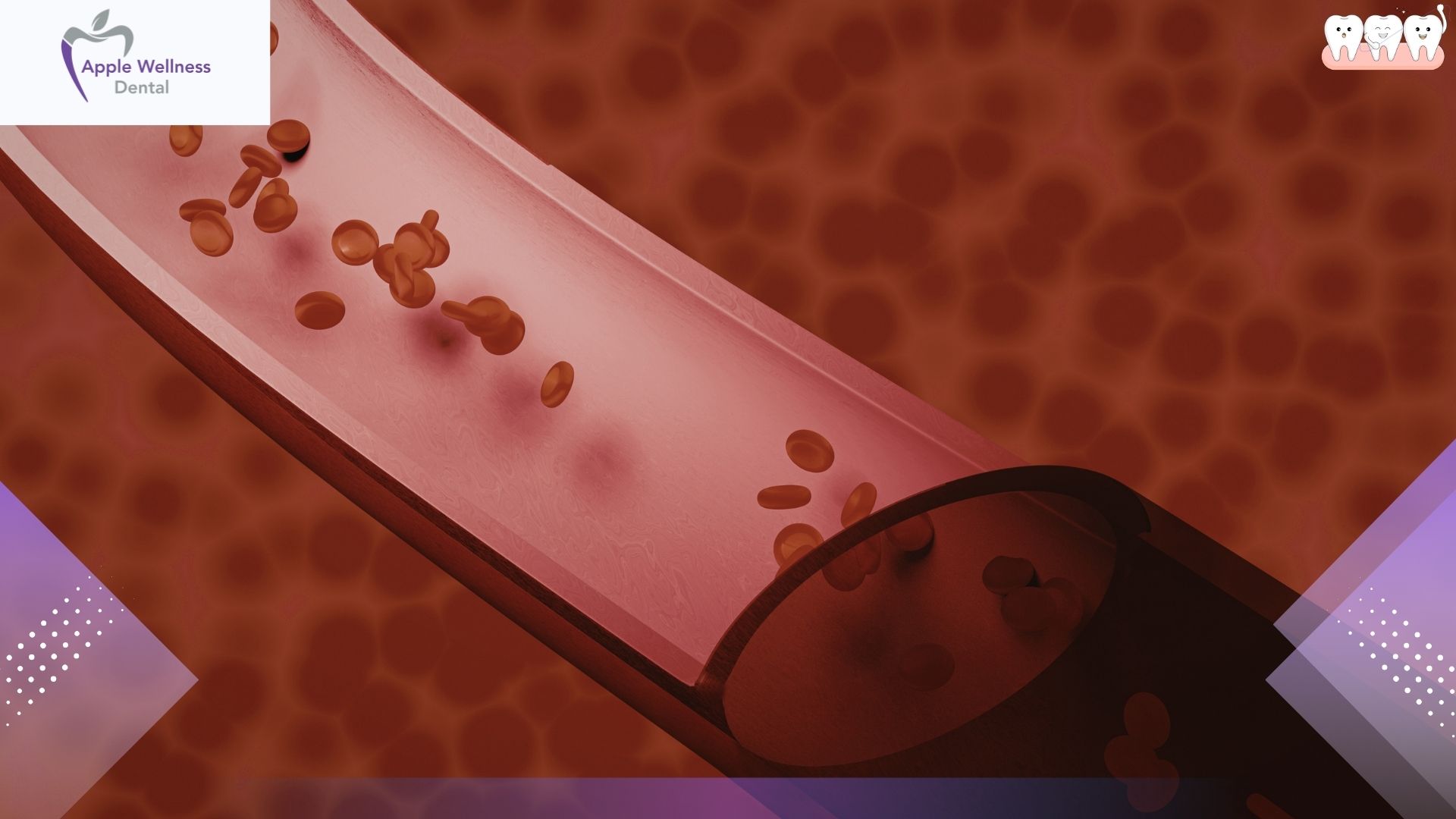
To fully comprehend why you must restrict your habits, you need to understand the miraculous repair process happening inside your jawbone. The moment a tooth leaves your mouth, your body initiates an emergency response to seal the open wound. Blood rushes into the empty socket and coagulates, forming a dense, protective scab over the exposed bone and nerve endings. The National Institute of Dental and Craniofacial Research emphasizes that preserving this biological bandage is the single most important factor in your recovery. This clot serves as the structural foundation where specialized cells, called fibroblasts, will eventually build new gum tissue and bone.
During the first three days, this clot is extremely fragile and loosely attached to the walls of the socket. It cannot withstand heavy mechanical forces, extreme temperatures, or chemical attacks. If the clot is preserved, it eventually transforms into granulation tissue, signaling that the acute danger phase has passed. We constantly remind our patients to review our comprehensive aftercare instructions to fully appreciate how delicate this early phase truly is. Disrupting the clot halts the entire regeneration cycle, forcing your immune system to start the grueling process over from the beginning.
The Physical Destruction Caused by Suction
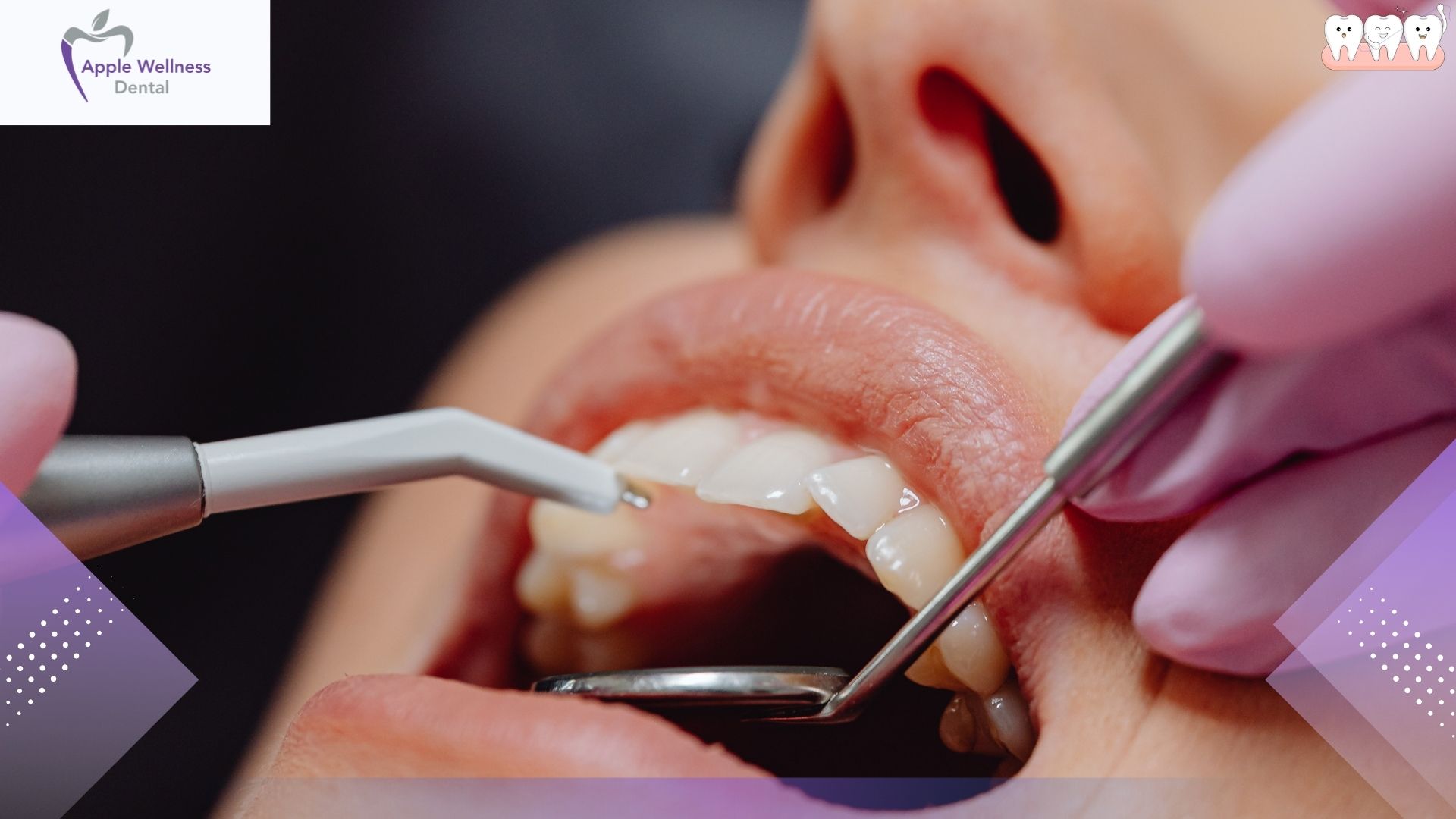
While the chemical components of cigarettes are harmful, the physical mechanics of smoking pose the most immediate threat to your surgical site. Your mouth operates as a closed system. When you seal your lips around a cigarette, cigar, or vape and draw air inward, you create a powerful internal vacuum. This negative pressure pulls aggressively against every surface inside your oral cavity, including the newly formed blood clot. Because the clot is barely clinging to the bone during the first few days, this vacuum effect easily dislodges it.
Once the clot is pulled loose, it washes away into your saliva, leaving a gaping hole directly down to your jawbone. This physical trauma is identical to ripping a scab off a deep skin laceration, but the consequences are far more painful. The American Dental Association specifically warns against any activity requiring suction, including drinking through straws and smoking, to prevent this exact mechanical failure. Protecting the physical integrity of the clot requires you to completely avoid creating negative pressure in your mouth.
Chemical Toxins and Oxygen Deprivation
Beyond the physical dangers of suction, the chemical composition of tobacco smoke severely impairs your body’s ability to heal. Tobacco smoke contains thousands of toxic compounds, with carbon monoxide and nicotine being the most detrimental to oral surgery recovery. Nicotine is a potent vasoconstrictor, meaning it causes your blood vessels to narrow significantly. When your blood vessels shrink, the volume of blood reaching the surgical site drops dramatically. Blood carries the essential oxygen and white blood cells needed to fight bacteria and rebuild damaged tissue.
Simultaneously, carbon monoxide binds to your red blood cells, displacing the oxygen that your tissues desperately need to survive. The Centers for Disease Control and Prevention documents how this lack of oxygen essentially suffocates the healing cells, drastically extending your recovery time. Furthermore, the heat and tar from the smoke physically burn the raw, exposed gum tissue, increasing localized inflammation and pain. By introducing these toxins, you actively suppress your immune system and create an environment where harmful bacteria can thrive.
Answering the Question: how long after a tooth extraction can i smoke
Patients constantly ask us to define an exact timeline, wanting to know specifically how long after a tooth extraction can i smoke without causing a disaster. The absolute minimum waiting period established by dental professionals is seventy-two hours, or three full days. During this initial seventy-two-hour window, the blood clot is in its most vulnerable state. Abstaining entirely during this period gives your body the necessary time to stabilize the clot and begin forming early granulation tissue. However, returning to your habit on day four still carries risks, as the tissue is far from fully matured.
For more complicated procedures, such as the surgical removal of impacted wisdom teeth, the waiting period extends significantly. Surgical sites require bone healing and often involve stitches, making them highly susceptible to infection and failure. In these instances, you should wait a minimum of five to seven days before exposing the area to smoke. We highly recommend discussing your specific procedure with our clinical team during your post-operative evaluations to receive a personalized timeline. Pushing the limits of these timelines almost always results in severe clinical complications.
The Excruciating Reality of Alveolar Osteitis
Ignoring the recommended timeline frequently leads to a severe condition clinically known as alveolar osteitis, commonly referred to as a dry socket. When the clot is dislodged by suction or destroyed by chemical toxins, the underlying nerves and jawbone are left completely exposed to the air, food particles, and oral bacteria. A dry socket typically develops between the third and fifth day of recovery. The defining symptom is a radiating, throbbing agony that shoots from your jaw up into your ear, eye, or neck, and it rarely responds to over-the-counter pain medications.
You may also notice an incredibly foul odor and a persistent bad taste coming from the empty hole. We detail these warning signs extensively in our guide on preventing extraction complications. A dry socket is not something that will simply heal on its own with time. It is a highly active, painful inflammatory response that completely stalls your recovery and requires immediate professional intervention to resolve. Preventing this condition is the primary reason the seventy-two-hour abstinence rule exists.
Why Professional Care Surpasses DIY Remedies
When patients develop intense pain from smoking too early, many attempt to manage the situation using home remedies found online. They might try packing the open socket with raw cotton, applying burning essential oils, or vigorously rinsing with harsh antiseptics. We must stress that attempting to act as your own dental surgeon is incredibly dangerous. The socket is an open pathway to your skeletal system. Shoving unsterile objects or chemicals into this wound causes massive bacterial infections and permanent tissue necrosis, vastly complicating your situation.
You cannot cure a dry socket or a secondary infection in your bathroom. You require sterile clinical instruments, professional-grade medicated dressings, and potentially prescription antibiotics. Relying on DIY fixes only delays proper healing and allows the infection to spread deeper into your jaw. If you suspect your healing has failed, you must seek our urgent dental services immediately. We possess the exact clinical skills required to clean the site safely, pack it with soothing medical gauze, and eliminate your pain instantly.
If you find yourself experiencing severe pain or simply wondering how long after a tooth extraction can i smoke based on your specific procedure, do not rely on guesswork or dangerous home remedies. Instead, schedule a thorough follow-up evaluation with our clinical team at Apple Wellness Dental to secure your health. You can visit us in person at 229 1st Street SW, Airdrie, AB, or call us directly at +1 587 332 6767 to book an appointment and let our skilled professionals guide your recovery safely.
Common Questions About how long after a tooth extraction can i smoke
Q: Will placing wet gauze over the surgical site allow me to smoke safely?
A: No. While gauze might slightly reduce the chemical exposure, it does absolutely nothing to stop the powerful vacuum created in your mouth. The negative pressure from inhaling will still easily rip the blood clot out from beneath the gauze.
Q: Is vaping considered safer than traditional cigarettes during recovery?
A: Vaping is equally dangerous. E-cigarettes still require significant suction, which causes mechanical dislodgement of the clot. Furthermore, the vapor contains nicotine, which restricts blood flow and starves the healing tissues of necessary oxygen.
Q: What should I do if I accidentally smoked and now feel severe throbbing?
A: If you feel escalating, radiating agony days after the procedure, you have likely developed a dry socket. Do not attempt to fix this yourself. Contact our clinic immediately so we can place a medicated dressing inside the socket for fast relief.
Q: Can I use nicotine patches or gum instead to manage my cravings?
A: Nicotine patches are a much safer alternative because they completely eliminate the suction aspect and the hot, toxic smoke. However, chewing gum is highly discouraged as the mechanical chewing motion can easily disrupt the surgical site and the stitches.
Q: How does carbon monoxide specifically affect my healing gums?
A: Carbon monoxide binds to the hemoglobin in your blood much faster than oxygen does. This effectively blocks oxygen from reaching the damaged cells in your gums, preventing them from producing the collagen needed to rebuild the tissue.
Q: Will smoking increase my chances of developing a severe bone infection?
A: Yes. By stripping away the protective blood clot and simultaneously suppressing your immune system with toxic chemicals, you create the perfect environment for bacteria to invade the exposed jawbone, leading to serious infections.
Q: Do surgical extractions require a longer waiting period than simple ones?
A: Absolutely. Surgical removals involve cutting the gums and removing bone, creating a much larger and more sensitive wound. You should wait a minimum of five to seven days before considering any activities that create oral suction.
Q: Why does a dry socket cause pain in my ear and neck?
A: The nerves inside your jaw are directly connected to the major sensory pathways in your head and neck. When the bone inside the socket is exposed and inflamed, that extreme pain radiates along the entire nerve network.
Conclusion
Safeguarding your oral health following surgery requires immense discipline, particularly when managing deeply ingrained habits. The biological reality is that your surgical site is incredibly fragile during the first seventy-two hours. Exposing it to the powerful suction of inhaling and the toxic, oxygen-depriving chemicals of tobacco virtually guarantees the destruction of your healing tissues. Developing a dry socket is an agonizing experience that will severely disrupt your life and require immediate clinical intervention. We strongly urge you to prioritize your cellular healing over temporary cravings by strictly adhering to the timeline provided by your dental professionals. Never attempt to manage severe pain or infections with unverified home remedies. If you are experiencing discomfort or need personalized guidance regarding your recovery timeline, the experienced clinical team at Apple Wellness Dental is here to provide the exact, professional care you need.
Author Bylines: This clinical educational guide was authored and rigorously reviewed by the professional dental team at Apple Wellness Dental to provide factual, E-E-A-T compliant medical guidelines regarding post-operative surgical care. Process Disclosure: The structuring and initial drafting of this post-surgical material utilized AI-assisted writing technology. Following the generation, the content underwent exhaustive manual editing by licensed dental professionals to confirm absolute clinical accuracy, factual integrity, and strict adherence to current oral surgery recovery protocols.