
Dentist Advice: How Long Must You Wait Before Eating Bread Post-Extraction?
Having a tooth removed is a significant medical procedure that requires proper care and attention during the recovery phase. Following the surgery, your mouth undergoes a highly sensitive biological healing process that dictates what you can safely consume. Many patients find themselves confused about dietary restrictions, wondering how long they must stick to liquids and when solid foods can safely return to their plates. A frequent point of confusion surrounds everyday staples like carbohydrates, leaving patients questioning the exact timeline for introducing them back into their meals. We believe that providing clear, factual dietary guidance helps you recover faster and prevents severe complications. Choosing the right foods protects your vulnerable gums and supports the intricate cellular repair happening in your mouth. Relying on professional advice is always better than guessing or trusting unverified internet remedies. Our goal is to equip you with accurate information so you can make safe dietary choices during your recovery.
Immediately after your appointment, your primary objective is protecting the surgical site from physical trauma and bacterial contamination. The initial phase of tissue repair involves the formation of a delicate blood clot, which serves as a natural bandage over the exposed bone and nerve endings. Introducing the wrong food textures too early can dislodge this clot, leading to intense pain and delayed healing. Even seemingly harmless foods can pose a massive threat if they require extensive chewing or produce small crumbs. We constantly remind our patients that patience during the first few days prevents weeks of unnecessary discomfort. By understanding the physical mechanics of your recovery, you can make informed decisions about your grocery list. Let us guide you through the safe reintroduction of solid foods, helping you maintain your nutrition without compromising your surgical results.
Key Takeaways
- Timing is Everything: Consuming solid carbohydrates too early can disrupt the delicate healing tissues in your mouth.
- Avoid Sharp Textures: Crusts, seeds, and toasted edges can physically cut the gums or become lodged in the open extraction socket.
- Soft Alternatives Rule: Mashed foods and pureed meals provide necessary nutrients without risking physical trauma to the surgical site.
- Professional Guidance Matters: Always consult with your dental provider before transitioning back to your regular diet to verify your tissues are ready.
- Hygiene is Crucial: Proper cleaning after meals prevents food particles from causing painful bacterial infections in the healing socket.
Overview
In this comprehensive guide, we provide a detailed breakdown of dietary safety following an oral surgical procedure. We specifically address the question of can i eat bread after tooth extraction by outlining the biological healing timeline and the physical risks associated with certain food textures. You will learn about the mechanics of blood clot formation, the dangers of food impaction, and exactly which carbohydrate alternatives are safe for early recovery. Furthermore, we outline the severe complications that can arise from ignoring professional dietary advice, such as dry socket and localized infections. We also include a detailed FAQ section addressing the most common patient concerns regarding post-operative eating habits. By understanding these principles, you can safely transition back to your normal diet while relying on our professional dental team for ongoing support.
The Biological Mechanics of Socket Healing
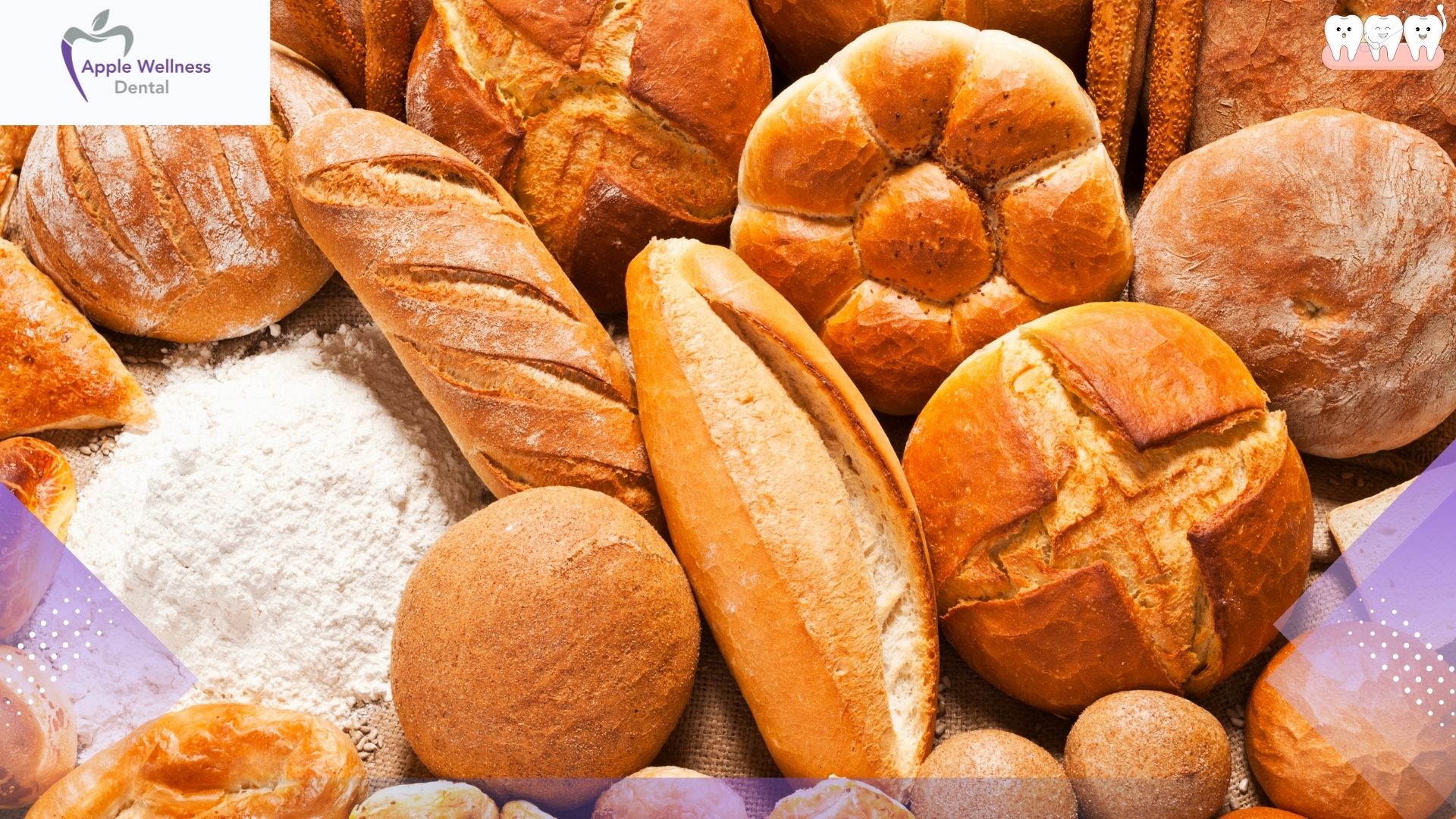
To fully grasp why dietary restrictions exist, you must understand the biological sequence of events that occurs after a tooth leaves your mouth. Within the first twenty-four hours, a sturdy blood clot develops inside the empty space, sealing the wound. This clot acts identically to a scab on your skin, preventing excessive bleeding and blocking harmful bacteria from entering the bone cavity. The American Dental Association emphasizes that protecting this initial clot is the most critical aspect of oral surgery recovery. If this natural barrier is disturbed, the healing process stops completely, leaving you vulnerable to severe complications.
During the following days, your body begins replacing this clot with healthy granulation tissue. Specialized cells called fibroblasts migrate to the area, producing collagen to rebuild the structural foundation of your gums. This early tissue is incredibly fragile and highly susceptible to mechanical damage from chewing or sharp food particles. We advise patients to review our internal proper aftercare guidelines to understand how fragile this new tissue truly is. Eating hard or sticky foods applies shearing forces to the gums, easily tearing the newly formed collagen fibers. A successful recovery requires you to prioritize soft nutrition that passes easily over the surgical site without requiring aggressive mechanical breakdown.
Addressing the Core Question: can i eat bread after tooth extraction
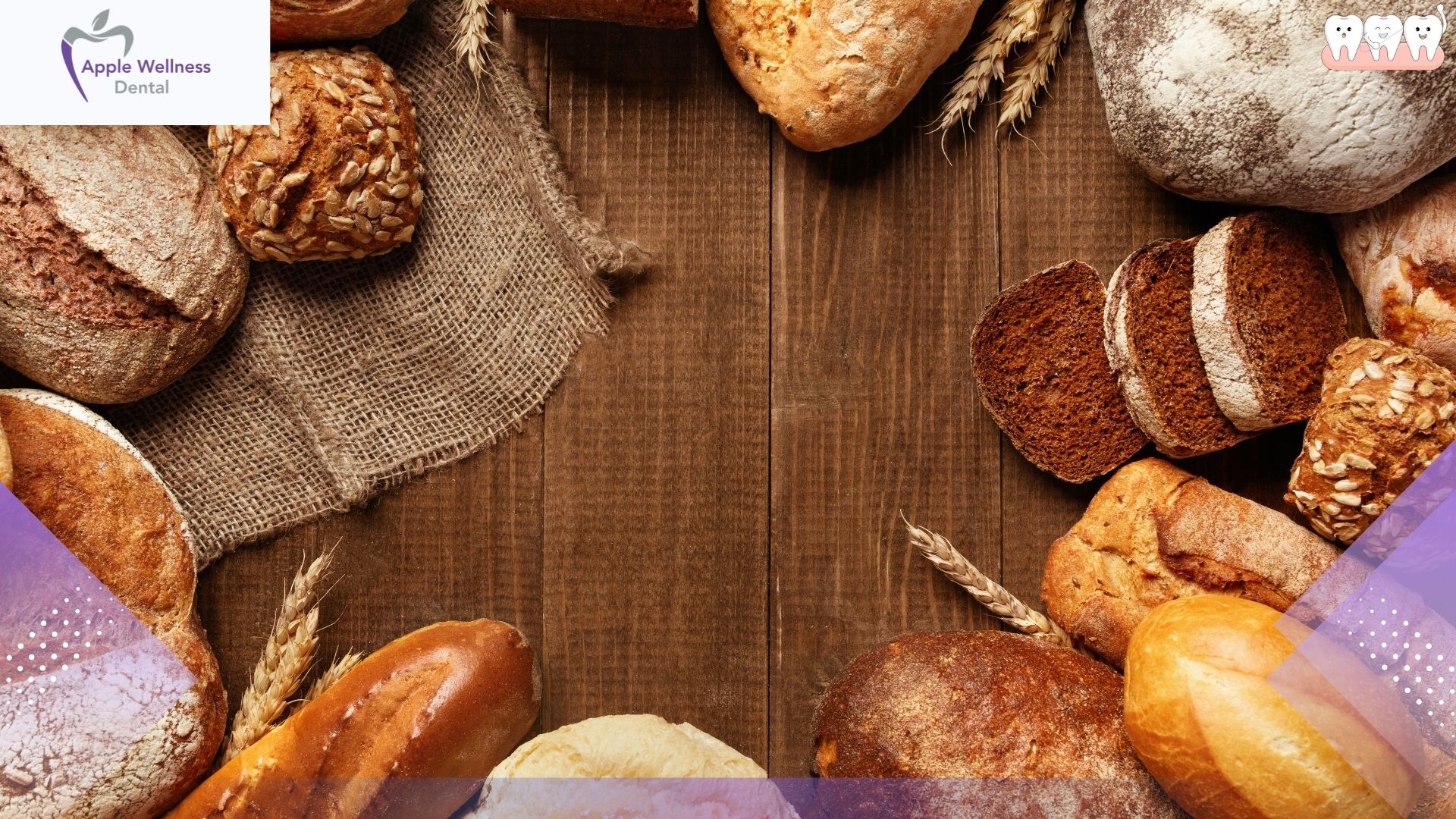
Patients constantly ask us, can i eat bread after tooth extraction, and the answer depends heavily on the specific timeline and the type of bread in question. During the first forty-eight hours after surgery, you should avoid all forms of bread entirely. Even the softest white bread requires a certain degree of chewing, and it tends to form a sticky, doughy paste when mixed with saliva. This sticky paste can easily adhere to the surgical site, pulling on the blood clot when you attempt to swallow. The Mayo Clinic notes that mechanical disruption of the clot leads directly to alveolar osteitis, a profoundly painful condition commonly known as dry socket.
Once you pass the critical three-to-five-day mark, you can gradually introduce very soft, crustless white bread into your meals. However, you must chew on the opposite side of your mouth and take exceptionally small bites. You should completely avoid whole grain loaves, baguettes, sourdough, and anything containing seeds or nuts for at least two weeks. These items feature hard, abrasive textures that act like sandpaper against your healing gums. For a broader list of acceptable foods during this transitional phase, we encourage you to read our soft food diet recommendations. Following these specific guidelines protects your surgical site while allowing you to comfortably satisfy your carbohydrate cravings.
The Dangers of Food Impaction and Infection
One of the primary reasons we restrict certain carbohydrates is the severe risk of food impaction. When you chew items that crumble or break into tiny fragments, those pieces can easily fall directly into the healing extraction socket. Bread crumbs, sesame seeds, and cracker fragments are notorious for becoming trapped beneath the gum tissue. Once trapped, these particles act as a magnet for oral bacteria, which rapidly multiply in the warm, moist environment of your mouth. This bacterial growth quickly leads to localized infections, characterized by severe swelling, throbbing pain, and a foul taste.
Attempting to remove these trapped particles yourself is incredibly dangerous. Using toothpicks, water syringes, or your fingers to dig out crumbs will almost certainly destroy the blood clot and damage the surrounding nerves. If you suspect food is trapped in your socket, you need professional intervention to clean the site safely. We detail the warning signs of infection in our guide on preventing extraction complications, highlighting the importance of proper hygiene. Relying on warm saltwater rinses—as directed by your dentist—is the only safe method for keeping the surgical area clear of debris during the first week.
Safe Carbohydrate Alternatives for Early Recovery
While you might miss your daily sandwich, you have plenty of safe, nutritious carbohydrate options to keep your energy levels up during the first few days of recovery. Mashed potatoes and sweet potatoes are excellent choices because they require absolutely no chewing and are easily swallowed. They provide a dense source of calories and vitamins essential for supporting your immune system while your body repairs the surgical wound. The National Institute of Dental and Craniofacial Research supports consuming nutrient-rich soft foods to aid in the cellular regeneration process.
Well-cooked pasta is another viable alternative, provided it is boiled past the “al dente” stage until it is exceptionally soft. Small pasta shapes like macaroni or orzo are preferable because you can swallow them whole without applying pressure to your teeth. We also highly recommend blended soups and oatmeal, as long as they are consumed at a lukewarm temperature. Hot temperatures can dissolve the blood clot and stimulate bleeding, so always let your meals cool down before eating. Discover more safe meal ideas in our comprehensive post-surgery nutrition guide, which offers detailed meal plans for your first week of healing.
Why You Need Professional Dental Support
Healing from an oral surgery is not a linear process, and individual recovery rates vary significantly based on the complexity of the extraction. While general dietary guidelines are helpful, they cannot replace the personalized assessment of a licensed dental professional. Attempting to self-diagnose your healing progress by prodding your gums or trying to eat hard foods prematurely often leads to disastrous setbacks. Do not rely on DIY methods or unverified online advice to manage your post-operative care. If you experience unexpected pain, prolonged bleeding, or difficulty chewing, you need immediate professional attention to course-correct your recovery.
Our team provides continuous support throughout your entire healing journey, monitoring your progress to catch potential issues before they escalate. We offer thorough post-operative evaluations to verify that your tissues are closing correctly and that no food impaction has occurred. By scheduling regular check-ins, you eliminate the guesswork from your diet and gain peace of mind. To understand the full scope of our preventative care, please review our professional dental examination services. Trusting qualified experts protects your health and guarantees a smooth, complication-free return to your normal life.
Recovering from an oral procedure requires patience, proper nutrition, and expert guidance. If you experience unusual pain while eating or suspect food particles are trapped in your healing socket, do not attempt to dig them out yourself. DIY dental care often leads to severe infections and permanent tissue damage. Instead, contact the professionals at Apple Wellness Dental for a thorough evaluation. You can visit our clinic at 229 1st Street SW, Airdrie, AB, or call us directly at +1 587 332 6767 to schedule a follow-up appointment. We are fully equipped to safely manage your post-operative needs and keep your smile healthy.
Common Questions About can i eat bread after tooth extraction
Q: Why is white bread considered safer than wheat bread after an extraction?
A: A: White bread dissolves much faster in the mouth and lacks the harsh grains and seeds found in wheat or multigrain loaves. Seeds can easily break off and become lodged deep inside the open surgical socket, causing severe bacterial infections and intense pain.
Q: How long must I wait before I can eat a hamburger or sandwich?
A: A: You should generally wait at least seven to ten days before attempting to bite into a large sandwich or hamburger. Biting requires significant force from your front teeth and stretches the lips and cheeks, which can pull the surgical site open and trigger bleeding.
Q: Is it safe to eat toast a few days after an extraction?
A: A: No, toast is highly abrasive and brittle. The sharp edges can easily scrape the healing gum tissue and dislodge the protective blood clot. We recommend waiting at least two weeks before reintroducing toasted items into your diet to prevent accidental physical trauma.
Q: What should I do if a crumb gets stuck in my extraction site?
A: A: First, do not panic and do not poke the area with toothpicks or your fingers. Gently swish lukewarm salt water around your mouth and let it fall out into the sink. If the crumb remains stuck, contact our clinic immediately for professional removal.
Q: Are pancakes and waffles considered safe soft foods?
A: A: Soft, fluffy pancakes are generally safe after the first three days if they are cut into very small pieces and chewed on the opposite side of your mouth. Waffles, however, tend to have crispy edges that can scratch the gums, so they should be avoided initially.
Q: Can I eat crackers if I let them dissolve in soup?
A: A: While dissolving crackers in soup makes them softer, they can still leave a gritty residue that irritates the surgical site. It is much safer to consume smooth, blended soups without adding crackers during the critical first five days of your recovery phase.
Q: Does the type of extraction affect when I can eat carbohydrates?
A: A: Yes, significantly. A simple removal of a front tooth heals faster and restricts your diet less than the surgical removal of impacted wisdom teeth. Surgical extractions require a much longer adherence to a strict soft-food diet to accommodate the extensive tissue repair.
Q: Will eating bread cause a dry socket?
A: A: Eating bread too early can contribute to dry socket if the sticky, doughy paste adheres to the blood clot and pulls it out of place when you swallow. Avoiding bread for the first forty-eight hours drastically reduces the risk of this painful complication.
Q: How can I safely chew food while my mouth is healing?
A: A: Always direct food to the opposite side of your mouth, away from the surgical site. Take exceptionally small bites, chew slowly, and swallow carefully. Avoid aggressive swishing motions with liquids while eating to prevent disrupting the fragile granulation tissue forming over the bone.
Q: When can I resume eating my completely normal diet?
A: A: Most patients can gradually return to their normal diet after two to three weeks, depending on their individual healing rate. However, you should always consult with your dentist during a follow-up appointment to confirm your tissues are structurally sound before consuming hard foods.
Conclusion
Navigating your dietary choices following oral surgery requires careful consideration of the textures and types of food you consume. Protecting the surgical site from mechanical trauma and bacterial contamination is your highest priority during the early stages of healing. While you might crave familiar carbohydrates, introducing them too early can disrupt the vital blood clot and lead to extensive complications. By choosing soft, nutrient-dense alternatives, you support your body’s cellular repair mechanisms without risking painful setbacks. We highly advise against attempting to self-manage complications, as professional oversight is the only reliable way to guarantee a healthy recovery. If you are still wondering can i eat bread after tooth extraction or experiencing any dietary discomfort, let Apple Wellness Dental provide the expert care you deserve. Contact our office today to schedule a thorough evaluation and keep your healing journey on the right track.
Author Bylines: This article was reviewed and authored in collaboration with the clinical team at Apple Wellness Dental to provide accurate, E-E-A-T compliant dietary advice for post-operative oral care. Process Disclosure: The content structuring and initial drafting of this educational material utilized AI-assisted writing tools, followed by rigorous manual review by dental professionals for clinical accuracy, factual integrity, and adherence to current medical standards.