
What Happens If Bleeding Doesn’t Stop After Tooth Extraction
Some bleeding after a tooth extraction is completely expected. Your body is responding to a wound, forming a clot, and beginning the healing process. For most patients, active bleeding slows significantly within the first hour and stops or reduces to a minimal ooze within a few hours of the procedure. But what happens when it doesn’t? What does it mean when the gauze keeps saturating, or when bleeding that seemed to stop restarts hours later?
These are the moments that send patients searching for answers — and rightly so. Understanding what happens if bleeding doesn’t stop after tooth extraction isn’t just useful background knowledge. It’s clinically important information that can help you distinguish between normal post-procedure oozing and a situation that requires immediate professional attention. Getting that distinction wrong in either direction has real consequences: dismissing significant bleeding as normal delays care you genuinely need, while panicking over blood-tinged saliva leads to unnecessary anxiety and potentially harmful attempts to intervene at home.
This guide gives you a thorough, clinically grounded answer to what post-extraction bleeding means at different levels of severity, what the underlying causes of prolonged bleeding can be, what to do at each stage, when you must contact a dental professional or seek emergency care, and how to avoid the behaviors that commonly trigger or worsen bleeding during recovery. Whether you’re currently managing this situation or preparing for an upcoming extraction, this article covers what you need to know.
Key Takeaways
- Light bleeding or blood-tinged saliva for up to 24 hours after a tooth extraction is considered normal and is not cause for alarm.
- True active bleeding that soaks through gauze consistently within 20 to 30 minutes after two rounds of pressure is not normal and requires professional attention.
- The most effective immediate response to post-extraction bleeding is firm, steady gauze pressure applied for 30 to 45 minutes without interruption.
- Prolonged bleeding can result from clot disruption, certain medications, underlying health conditions, or behaviors like rinsing, spitting, or smoking too soon after the procedure.
- If bleeding doesn’t stop after tooth extraction despite two rounds of proper gauze pressure, contact your dental provider rather than continuing to self-manage.
- Certain signs — including very heavy bleeding, lightheadedness, or difficulty swallowing — are indicators to seek emergency medical care rather than calling a dental office.
What This Guide Covers
This article covers the full spectrum of post-extraction bleeding — from what’s normal and expected, to what constitutes a concern, to what indicates a genuine emergency. We explain the biological process behind post-extraction bleeding, walk through the causes of prolonged bleeding, provide step-by-step guidance for managing bleeding at home, outline the clear signs that professional or emergency care is needed, and address the most common questions patients have about this topic. If you’re trying to understand what happens if bleeding doesn’t stop after tooth extraction — and what to do about it — this is the comprehensive, trustworthy resource you need.
What Normal Post-Extraction Bleeding Looks Like
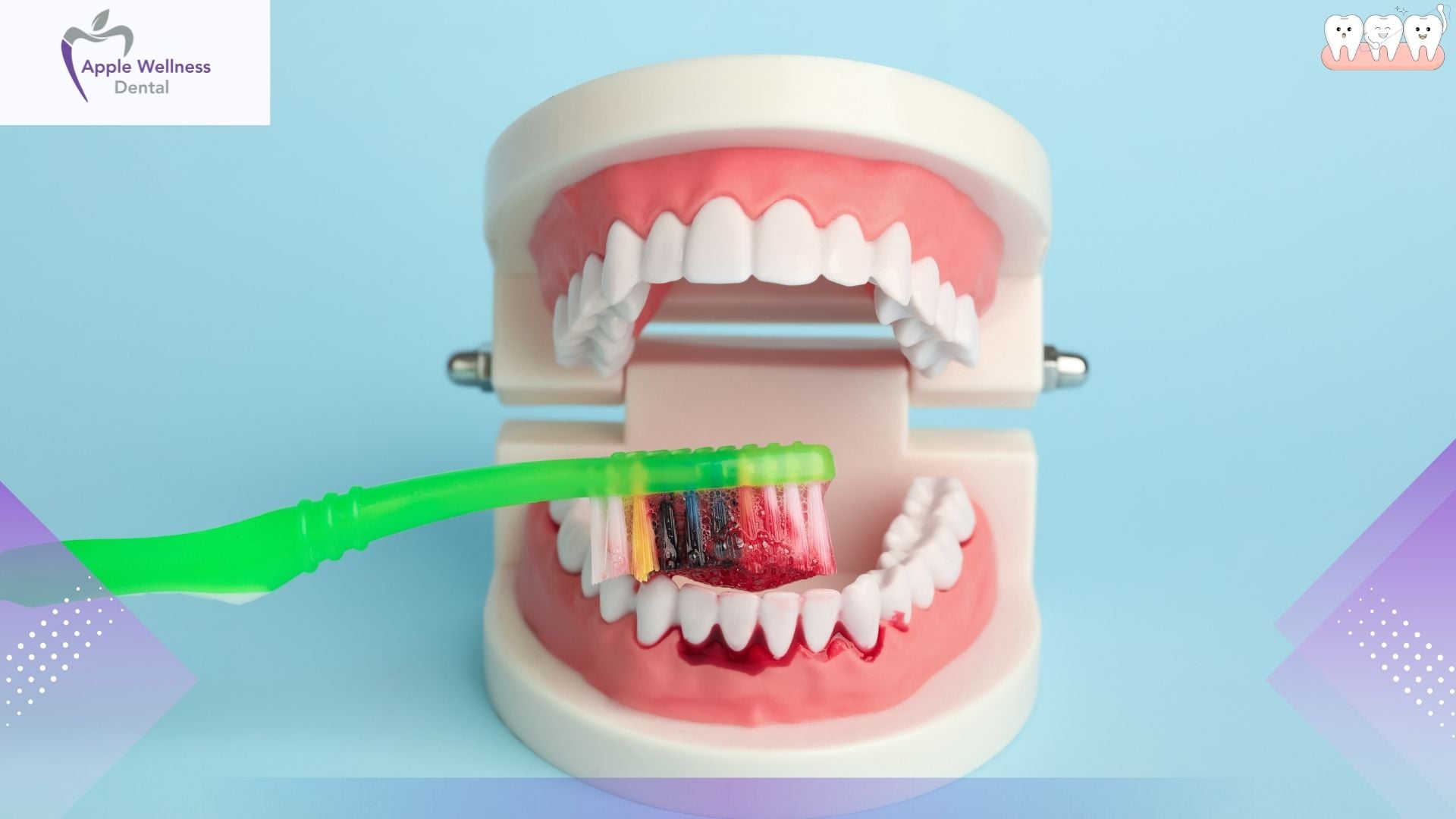
To accurately assess whether your bleeding is within a normal range, it helps to understand what your body is doing immediately after the tooth is removed. When a tooth is extracted, blood vessels in the gum tissue and bone are severed, causing the socket to bleed. Your body responds by activating the coagulation cascade — a series of biochemical reactions that produce a fibrin clot to seal the wound. This process typically produces a visible clot within 15 to 30 minutes when proper pressure is applied with gauze.
During the first one to two hours, it’s normal to see a moderate amount of blood on gauze pads and for your saliva to appear pink or red-tinged. This can look more dramatic than it actually is — a small amount of blood mixing with a larger volume of saliva creates the visual impression of significant bleeding when the actual blood loss is minor. By the second or third hour with consistent gauze pressure, most patients experience a clear reduction in active bleeding. By 24 hours, only very light oozing — if any — should remain.
Blood-tinged saliva that continues into day two is not automatically alarming, particularly after more complex extractions. What matters is the trend: bleeding should be getting better over time, not staying the same or intensifying. A socket that oozes mildly on day one and is dry by day two is healing normally. A socket that bleeds actively at the same rate on day two as it did an hour after the procedure is not, and that pattern warrants a call to your dental provider. The American Dental Association’s post-extraction guidance outlines what normal recovery looks like and when patients should seek further care.
What Happens If Bleeding Doesn’t Stop After Tooth Extraction
The Clot Fails to Form or Gets Dislodged
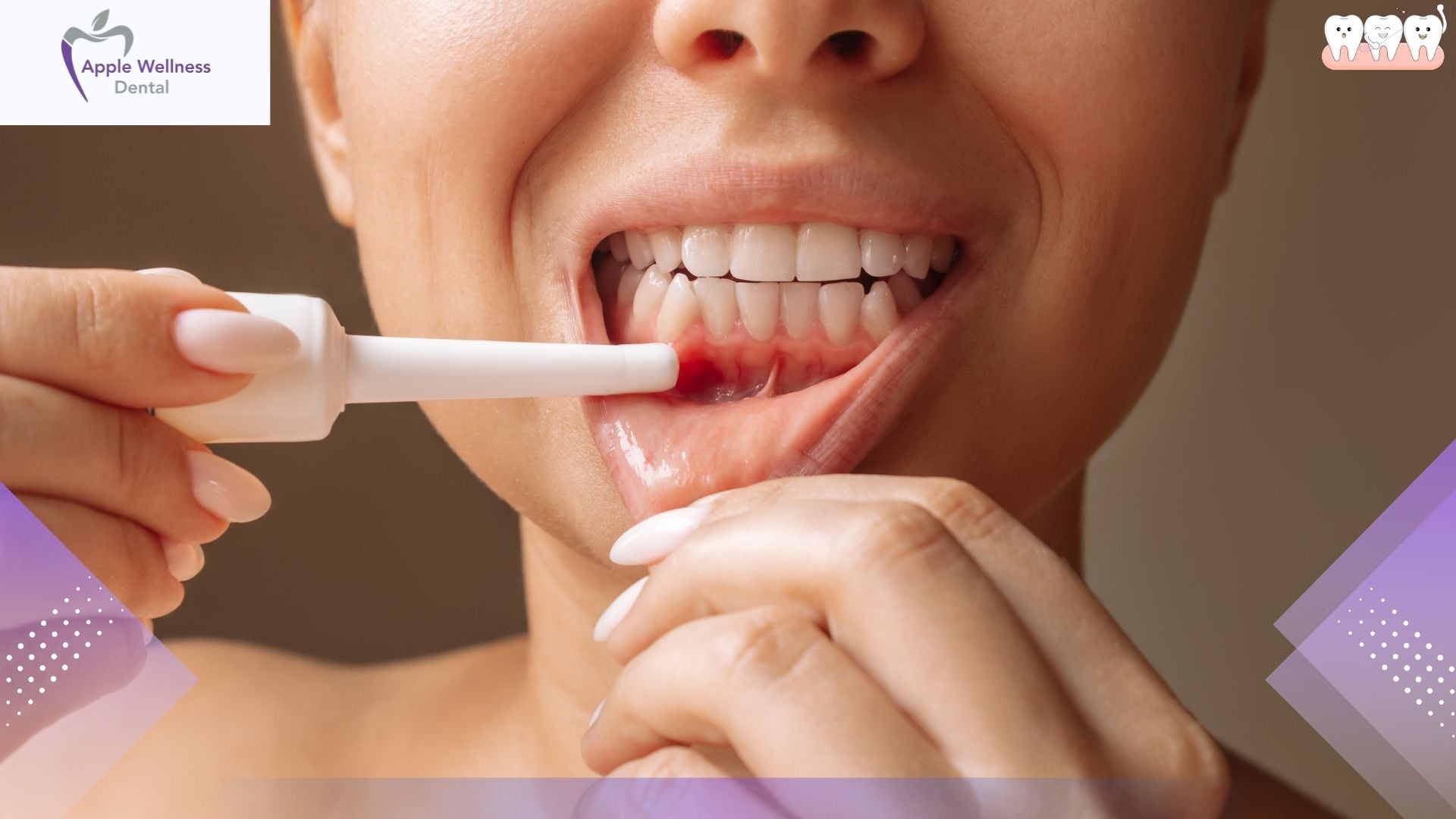
The most common reason bleeding persists beyond the first hour or restarts after initially stopping is a failure of the blood clot to form properly or the clot being dislodged before it has stabilized. The clot is the body’s primary mechanism for stopping post-extraction bleeding — without it, the capillaries and blood vessels in the socket remain open and continue to bleed. Behaviors that disrupt clot formation include rinsing the mouth forcefully, spitting, drinking through a straw, touching the socket with fingers or a tongue, eating on the extraction side too soon, and smoking.
Each of these creates either physical disruption — mechanical contact that pulls or pushes the forming clot — or negative pressure (suction) that draws the clot out of the socket. If a patient who seemed to stop bleeding after the initial gauze period suddenly restarts an hour or two later, one of these behaviors is frequently the explanation. The practical implication is that restarted bleeding is not always a sign of a deeper problem — it is often a sign that an activity disrupted what would otherwise have been a normal recovery. Returning to rest and firm gauze pressure is the correct immediate response.
Medication Effects on Clotting
Certain medications reduce the blood’s ability to clot, which directly affects how long post-extraction bleeding lasts and how much pressure is needed to control it. Anticoagulant medications — including warfarin, rivaroxaban, apixaban, and similar blood thinners — significantly extend clotting time and are among the most common medical factors in prolonged post-extraction bleeding. Antiplatelet medications, including daily low-dose aspirin and clopidogrel, also reduce clotting efficiency.
Non-steroidal anti-inflammatory drugs (NSAIDs) like ibuprofen can contribute as well, particularly when taken in the first hours after extraction. Several supplements — including high-dose fish oil, vitamin E, garlic, and ginkgo biloba — have blood-thinning properties that can produce similar effects. Patients on any of these medications should disclose them to their dentist before any extraction procedure, and ideally, the dental team will have coordinated with the prescribing physician about how to manage the medication around the procedure. If prolonged bleeding occurs and you are on any of these medications, this information should be the first thing you communicate when contacting your dental provider.
Underlying Health Conditions
Several medical conditions affect the body’s ability to form and maintain blood clots. Hemophilia and von Willebrand disease are inherited bleeding disorders that cause significant clotting difficulty. Thrombocytopenia — a low platelet count — can result from various causes including certain medications, liver disease, and autoimmune conditions, and it directly impairs the clotting process. Liver disease itself affects clotting because many of the proteins involved in coagulation are produced in the liver.
In most cases, patients with known clotting disorders will have disclosed this to their dental provider before the extraction, and appropriate precautions will have been taken. However, in some situations, a bleeding disorder may not yet be diagnosed — and unexplained prolonged post-extraction bleeding that doesn’t respond to standard pressure management can occasionally be the first clinical signal of an underlying condition that warrants medical investigation. If you are experiencing significant ongoing bleeding that isn’t responding to pressure and you have no known bleeding history, this is a reason to seek both dental and medical evaluation.
Local Factors at the Extraction Site
In some cases, prolonged bleeding originates from factors specific to the anatomy or condition of the extraction site itself. A torn or lacerated gum flap, a blood vessel that was nicked during the procedure, or residual tissue that wasn’t fully addressed can contribute to continued bleeding that standard gauze pressure doesn’t fully control. In these situations, the dentist may need to reopen the area, place a hemostatic agent (a material that helps stop bleeding, such as a resorbable gelatin sponge), apply additional sutures to close the wound edges, or use electrocautery to seal a bleeding vessel.
These interventions are clinical in nature and cannot be replicated at home. This is one of the most important reasons why persistent bleeding that doesn’t respond to gauze pressure after two proper attempts — each maintained for a full 30 to 45 minutes without interruption — should prompt a call to the dental office rather than continued home management. The dentist has tools and materials for managing extraction site bleeding that go well beyond anything available without professional access.
Step-by-Step: What to Do If Bleeding Continues at Home
Step 1 — Apply Proper Gauze Pressure
The first and most important step for managing any degree of post-extraction bleeding at home is to apply firm, direct pressure to the extraction site using clean, folded gauze. Moisten the gauze slightly, fold it into a thick pad, place it directly over the socket, and bite down firmly with consistent, steady pressure for a full 30 to 45 minutes. Do not lift the gauze to check on the site during this period — repeated checking disrupts the clot formation that pressure is attempting to establish.
If the gauze becomes saturated, replace it with a fresh pad and repeat the pressure cycle. Most post-extraction bleeding — including bleeding that has restarted after initial clotting — responds to one or two rounds of proper gauze pressure. The key word is proper: many patients apply gauze too lightly, check it too frequently, or apply it for only ten to fifteen minutes, all of which undermine its effectiveness. A firm, sustained, uninterrupted bite on well-positioned gauze is the single most effective home intervention available.
Step 2 — Try a Moistened Tea Bag if Gauze Is Insufficient
If gauze is not available or if a full round of gauze pressure has not adequately slowed the bleeding, a moistened black tea bag placed directly against the extraction site is a widely recommended alternative. The tannins in black tea are natural astringents — they cause blood vessels to constrict and help promote clotting at the wound surface. Bite down on the moistened tea bag with the same firm, sustained pressure used for gauze, for the same 30 to 45 minute period without interruption.
This is not a replacement for professional care if bleeding is significant or persistent — it is an interim measure while you arrange to contact your dental provider. Tea bags work best for mild to moderate oozing rather than heavy active bleeding, and their effectiveness depends on the same consistent pressure principle that applies to gauze.
Step 3 — Rest, Elevate, and Avoid Aggravating Behaviors
Physical activity raises heart rate and blood pressure, both of which can worsen bleeding at the extraction site. Lie down or sit quietly with your head elevated above the level of your heart. Avoid any bending, lifting, or strenuous movement while active bleeding is present. Do not rinse your mouth, spit, use a straw, or touch the socket with your tongue or fingers. All of these behaviors create conditions — physical disruption or pressure change — that make controlling bleeding harder.
Cold application to the outside of the cheek can help constrict local blood vessels and reduce bleeding. Use a wrapped ice pack in 20-minute intervals — 20 minutes on, 20 minutes off — on the external cheek surface over the extraction site. Do not place ice directly inside the mouth or onto the gum tissue.
Step 4 — Contact Your Dental Provider
If bleeding has not clearly slowed after two full, properly executed rounds of gauze pressure (approximately 90 minutes of total pressure time), contact your dental office. Even if the office is closed, most dental practices have an after-hours line or emergency contact protocol for post-operative complications. Describe your situation clearly: when the extraction occurred, how much gauze you’ve gone through, whether the bleeding has slowed at all, and any medications you’re taking. Your dentist may guide you through additional home measures, ask you to come in for an emergency visit, or direct you to an appropriate urgent care facility.
Do not continue attempting to self-manage significant, ongoing bleeding indefinitely. Prolonged blood loss has physiological consequences, and the dental office has clinical solutions — including hemostatic agents, sutures, and direct vessel management — that no home intervention can replicate.
When to Seek Emergency Medical Care
Most cases of prolonged post-extraction bleeding are best managed through a dental office visit rather than a hospital emergency department. However, certain signs indicate that the situation has moved beyond what dental management alone should address, and emergency medical care is appropriate.
Go to an emergency room or call emergency services if you experience any of the following:
- Very heavy bleeding that soaks through multiple thick gauze pads in rapid succession and shows no signs of slowing despite consistent pressure
- Lightheadedness, dizziness, or feeling faint — these are signs of significant blood volume loss that requires medical assessment
- Difficulty swallowing due to pooling blood in the throat or mouth — this can indicate a deeper vascular bleed that needs imaging and surgical evaluation
- Rapid heart rate or shallow breathing alongside heavy bleeding
- Known clotting disorder with uncontrolled bleeding that hasn’t responded to standard home measures
These presentations are uncommon after routine dental extractions, but they are real clinical scenarios that occur in patients with underlying conditions, those on high-dose anticoagulants, or following complex surgical procedures. Knowing this threshold matters. Most post-extraction bleeding is a dental problem with a dental solution — but some is a medical emergency that needs medical resources.
How to Prevent Prolonged Bleeding After Extraction
Prevention is far simpler than management. The behaviors most reliably associated with prolonged or restarted post-extraction bleeding are well-documented and entirely avoidable with awareness.
In the first 24 hours, avoid any activity that creates suction or pressure change in the mouth — straws, smoking, spitting, and vigorous rinsing all belong in this category. Eat only soft, room-temperature foods and chew on the opposite side from the extraction site. Keep physical activity minimal. Don’t probe or touch the socket. Sleep with your head elevated. Avoid alcohol, which thins the blood and interacts poorly with post-operative medications.
If you are taking blood-thinning medications, discuss the extraction timing with both your dentist and your prescribing physician well in advance. In some cases, a brief temporary dose reduction or timing adjustment around the procedure is appropriate — but this must always be managed by the medical professional responsible for your anticoagulation, never self-directed. Disclosing all medications and supplements at your pre-procedure appointment gives your dental team the information they need to plan appropriately for your specific situation. The NHS patient guide on tooth extraction covers what to expect during recovery and when to seek further care after a procedure.
Complications That Can Follow Prolonged Bleeding
If bleeding after tooth extraction remains unaddressed for an extended period, several complications can develop beyond the immediate blood loss itself. The most direct consequence is clot failure — prolonged bleeding prevents a stable clot from forming, which sets the stage for dry socket (alveolar osteitis) once the bleeding eventually does slow. Dry socket involves exposed bone and nerve tissue in the socket, causing intense throbbing pain that typically begins two to four days post-extraction. It requires professional treatment with a medicated dressing and adds significant time to recovery.
Infection is another potential downstream effect. An extraction site that has been actively bleeding, repeatedly disturbed, or left without a protective clot is more vulnerable to bacterial colonization. Signs of infection — increasing rather than decreasing pain after day three, swelling that worsens rather than resolves, fever, a bad taste, or visible pus near the socket — require professional evaluation and are typically treated with antibiotics. Leaving dental infections unaddressed carries risks beyond the mouth itself, as oral infections can spread to surrounding tissues and, in severe cases, to deeper anatomical spaces.
The clearest takeaway from understanding these complications is that prolonged post-extraction bleeding that doesn’t stop is not a problem to wait out at home hoping it improves. It is a signal that something about the healing process has gone off track and that professional input is needed to get it back on course.
We’re Here When Your Recovery Needs Professional Support
Post-extraction complications — including bleeding that won’t stop — are exactly the kind of situation where having a trusted dental team behind you makes a genuine, tangible difference. At Apple Wellness Dental, we take post-operative care as seriously as the procedure itself. If you’re experiencing prolonged bleeding, unusual pain, or any concern about how your extraction site is healing, please don’t wait to reach out. Our team is equipped to assess what’s happening and provide the clinical care needed to get your recovery back on track. You can find us at 229 1st Street SW, Airdrie, AB, or call us directly at +1 587 332 6767. No post-procedure concern is too small to bring to us — and catching a complication early is always better than managing a bigger problem later.
Common Questions About What Happens If Bleeding Doesn’t Stop After Tooth Extraction
Q: How long is it normal to bleed after a tooth extraction?
A: Active bleeding typically slows significantly within one to two hours of a tooth extraction when proper gauze pressure is applied, and should largely stop within 24 hours. Light oozing or blood-tinged saliva that continues into day two — particularly after complex extractions — can be within the normal range. Bleeding that remains heavy or hasn’t reduced at all after 24 hours is not normal and warrants a call to your dental provider rather than continued waiting.
Q: What should I do if my tooth extraction won’t stop bleeding?
A: Apply firm, steady pressure to the extraction site using clean, folded, moistened gauze for a full 30 to 45 minutes without lifting or checking. If bleeding continues after a second full round of pressure, contact your dental provider. A moistened black tea bag can be used as an alternative to gauze — the tannins in black tea help constrict blood vessels. Avoid rinsing, spitting, straws, and physical activity while managing the bleeding.
Q: Is it normal to still be bleeding 4 hours after tooth extraction?
A: Light oozing four hours after extraction is at the outer edge of the normal range, but active bleeding that soaks through gauze at four hours is not normal. By this point, proper gauze pressure should have established a clot and meaningfully reduced bleeding. If you are still changing gauze pads regularly at the four-hour mark, contact your dental office rather than continuing to wait. Something may be preventing normal clot formation that requires professional assessment.
Q: Can medications cause prolonged bleeding after tooth extraction?
A: Yes — blood thinners, antiplatelet medications, NSAIDs, and certain supplements can all reduce clotting ability and extend post-extraction bleeding. Medications including warfarin, aspirin, ibuprofen, clopidogrel, and supplements like fish oil and vitamin E are common factors. If you are on any of these and experiencing prolonged bleeding, inform your dental provider immediately. Management may require clinical intervention beyond what standard gauze pressure can achieve.
Q: What does it mean when bleeding restarts after it seemed to stop?
A: Restarted bleeding usually means the blood clot was disturbed by an activity — rinsing, spitting, using a straw, touching the socket, or physical exertion. The clot is most fragile in the first 24 to 72 hours, and even modest disruption can dislodge it. Return to rest and apply gauze pressure immediately. If the restarted bleeding is heavier than the original post-extraction bleeding or doesn’t respond to a second round of pressure, contact your dental provider.
Q: When should I go to the emergency room for tooth extraction bleeding?
A: Go to the emergency room if bleeding is very heavy and not responding to pressure, if you feel lightheaded or faint, if you have difficulty swallowing due to pooling blood, or if you have a known clotting disorder with uncontrolled bleeding. Most post-extraction bleeding situations are handled through a dental office, but these specific signs indicate a need for medical resources and assessment that go beyond dental intervention.
Q: Is swallowing blood after tooth extraction dangerous?
A: Swallowing small amounts of blood mixed with saliva is not dangerous, though it can cause nausea in some people. The concern with actively pooling blood is more about what it indicates — significant ongoing blood loss — than the act of swallowing itself. If blood is pooling rapidly in your mouth, filling the socket quickly, or causing you to feel unwell, these are signs of heavier-than-normal bleeding that needs professional attention rather than a sign that swallowing itself has caused harm.
Q: Can I use ice inside my mouth to stop bleeding after extraction?
A: No — ice should only be applied externally to the cheek, not placed inside the mouth or directly against the gum tissue near the socket. External cold application helps constrict blood vessels near the surface and can reduce both swelling and mild bleeding. Apply a wrapped ice pack to the outside of the cheek in 20-minute intervals. Placing ice directly inside the mouth risks disturbing the socket, introducing bacteria, and causing cold injury to the healing tissue.
Q: Will prolonged bleeding after extraction cause dry socket?
A: Prolonged or recurrent bleeding increases the risk of dry socket because it can prevent a stable clot from forming or maintaining itself in the socket. Dry socket occurs when the blood clot is absent, leaving the bone and nerves exposed. If bleeding continues long enough to repeatedly disrupt clot formation, the socket may never establish the stable clot it needs to heal properly, setting the stage for the intense pain and extended recovery associated with dry socket. This is one more reason why uncontrolled post-extraction bleeding requires professional attention.
Q: How does a dentist stop bleeding that won’t stop at home?
A: A dentist has several clinical tools for managing persistent post-extraction bleeding that go beyond what’s possible at home. These include placing hemostatic agents — such as resorbable gelatin sponges or oxidized cellulose — directly into the socket to support clot formation, suturing the wound edges closed to reduce the bleeding surface, applying pressure with specialized materials, and in some cases using electrocautery to seal a bleeding blood vessel. These interventions are effective, fast, and targeted — which is why continued home management of significant bleeding is far less reliable than a clinical visit.
Conclusion
Post-extraction bleeding exists on a spectrum — from the expected and manageable to the genuinely serious. Light oozing for up to 24 hours is a normal part of healing. Bleeding that soaks through gauze consistently, restarts heavily after stopping, or continues beyond 24 hours with no improvement is a signal that something needs professional attention. And a small number of presentations — heavy uncontrolled bleeding with systemic symptoms — require emergency medical care without delay.
Understanding where your situation falls on that spectrum is the practical value this article delivers. If bleeding doesn’t stop after tooth extraction despite two proper rounds of gauze pressure, the right move is to contact your dental provider rather than continue managing it alone at home. Your dentist has the clinical tools to address the situation effectively, quickly, and safely.
At Apple Wellness Dental, we are here for exactly these moments — because post-extraction complications deserve professional attention, not guesswork, and your recovery should never feel like something you have to navigate entirely on your own.