
A Cleaner Denture Routine Makes Everyday Life Easier
Wearing dentures can restore your smile, improve chewing, and help you feel more at ease in daily life. But once dentures become part of your routine, they also need regular attention. If they are stored the wrong way, cleaned poorly, or worn despite a poor fit, small issues can grow into irritation, odour, staining, soreness, and oral infection.
That is why understanding dentures care matters so much. A strong routine is not complicated, but it does need to be steady. In this guide, we explain what to do each day, what mistakes to avoid, how to protect both your dentures and your mouth, and when it is time to come in for professional help.
If you are new to dentures or have worn them for years, this article will help you build a cleaner, safer, and more comfortable routine. We will also show you when home care reaches its limit and why regular dental visits still play a major role in keeping dentures working the way they should.
Key Takeaways
- Dentures should be rinsed after meals, brushed daily, and soaked properly to reduce plaque, stains, and odour.
- Regular toothpaste, bleach, and harsh household cleaners can damage denture materials.
- Your gums, tongue, and any natural teeth still need daily cleaning even if you wear full dentures.
- Dentures that feel loose, rub, click, or cause sore spots should be checked professionally.
- Ongoing denture maintenance helps protect comfort, fit, oral health, and the lifespan of the appliance.
- Professional exams remain important because dentures and the shape of your mouth can change over time.
Overview
This article covers the full routine behind dentures care, including brushing, soaking, handling, storage, adhesive removal, and oral tissue care. We also explain how denture fit changes, when repairs or relines may be needed, and what warning signs tell you it is time to book an appointment.
Along the way, we connect denture care to the bigger picture of oral health. Clean dentures support fresher breath, better comfort, and healthier gums, but they also help reduce the bacterial buildup that can contribute to irritation and inflammation. That is why proper maintenance is not simply about appearance. It is part of keeping your mouth functioning well day after day.
Why Denture Cleaning Matters More Than Many People Think
Dentures collect food debris, plaque, bacteria, fungi, and stains much like natural teeth do. According to the American Dental Association’s denture care guidance, full and partial dentures can accumulate plaque, stains, and calculus, and poor cleaning can contribute to denture-related stomatitis. The Mayo Clinic denture care recommendations also stress daily cleaning to keep dentures clean, comfortable, and free from stains.
Another reason denture cleaning matters is material preservation. Dentures are often made from acrylic and other materials that can be scratched or warped more easily than natural enamel. Once roughened, the surface becomes a better place for plaque and stain to cling.
There is also the question of confidence. When dentures are clean, stable, and fresh, you are more likely to eat, speak, and smile without second-guessing yourself. For a broader look at how dentures support everyday function, you can read how dentures improve oral health.
Your Daily Denture Routine
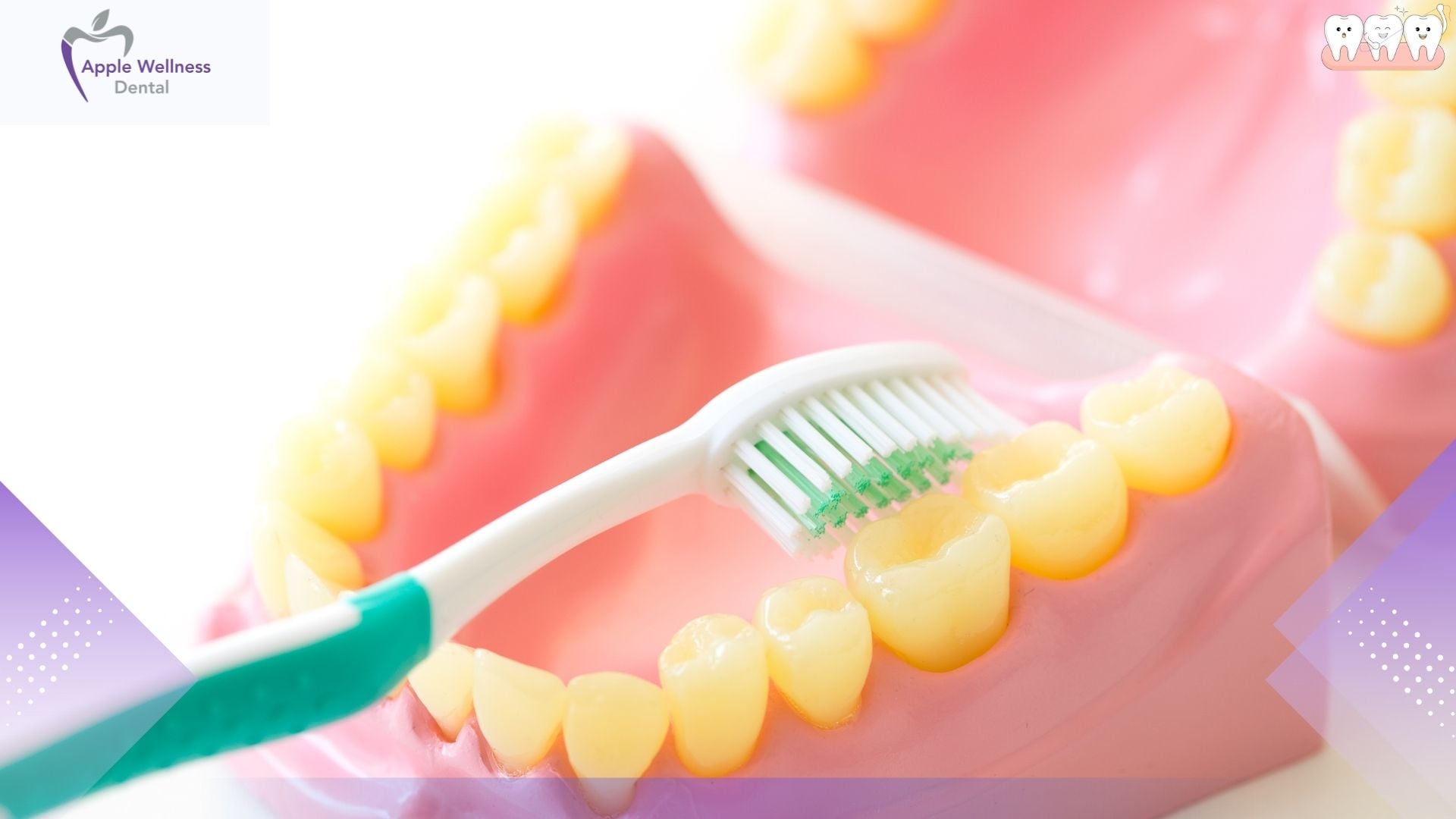
A good daily routine does not need to be long, but it does need to be consistent. One of the most common mistakes is waiting until dentures look dirty before cleaning them. By that point, buildup may already be harder to remove.
Rinse After Eating
The Mayo Clinic recommends taking dentures out and rinsing them after eating to remove food debris and loose particles. Even a quick rinse can make a noticeable difference in comfort and cleanliness over the course of the day.
If you are out and cannot do a full clean, a rinse is still worthwhile. It helps reduce trapped debris and may lower the chance of irritation from food sitting under the denture base.
Brush Dentures Every Day
The ADA says dentures should be cleaned daily, and the Mayo Clinic recommends brushing them at least once a day with a soft-bristled brush and a denture cleanser that is not abrasive. Brush all surfaces carefully, especially the inner side that rests against your gums and any grooves or clasps.
If you want a more focused daily-care resource, a helpful internal guide is how to care for dentures properly.
Clean Your Mouth Too
Dentures do not replace oral hygiene. The Mayo Clinic advises cleaning your mouth after removing dentures, including your gums, tongue, cheeks, and the roof of your mouth. If you still have natural teeth, those teeth need regular brushing and flossing as well.
This part of the routine helps remove leftover adhesive, reduce bacterial buildup, and keep the tissues under the denture healthier. A denture can be spotless and still feel unpleasant if the mouth beneath it has been ignored.
Soaking and Storage the Right Way
One of the most overlooked parts of denture maintenance is what happens when the dentures are out of your mouth. The ADA says that placing a denture in water or a denture cleanser solution when it is not being worn helps it retain its shape and keeps it from drying out. The Mayo Clinic likewise notes that most dentures need to stay moist to keep their shape.
Why Overnight Soaking Matters
Most dentures should be soaked overnight unless your dentist gives different instructions. This helps loosen debris, supports better cleaning, and reduces the risk of the appliance drying out and changing shape.
If you are not sure what soaking solution is right for your dentures, ask before guessing. The correct method can vary based on the denture material and design.
Rinse Before Wearing Again
The Mayo Clinic says dentures should be rinsed thoroughly before being put back into the mouth, especially after soaking, because some soaking solutions contain chemicals that can cause pain, vomiting, or burns if swallowed. That makes rinsing an essential step, not a small extra.
Handle Dentures Over a Soft Surface
The Mayo Clinic suggests placing a towel on the counter or water in the sink before cleaning dentures so they are less likely to break if dropped. That small habit can help you avoid cracks, chips, or a full break that turns into an unexpected repair visit.
If your dentures already feel less stable than they used to, you may also want to read what a denture reline is.
What Products to Use and What to Avoid
Choosing the wrong cleaner can shorten the life of your dentures. Many people assume that if a product is safe for natural teeth, it must be safe for dentures too. That is not always the case.
Safe Cleaning Options
The ADA discusses using commercial denture cleansers and also notes that dentures may be cleaned with mild soap and warm water. The Mayo Clinic recommends a soft-bristled brush and a denture cleanser that is not harsh or abrasive.
The goal is to clean effectively without scratching the surface. Warm water is generally preferred over hot water because excessive heat can distort certain denture materials.
Products That Can Cause Damage
The Mayo Clinic warns against abrasive cleaning materials, harsh toothpaste, bleach-containing products, and hot or boiling water. The ADA also says denture wearers should avoid bleach and powdered household cleansers because they may damage the denture.
Do not try to brighten dentures with improvised methods that were never meant for oral appliances. A shortcut can leave the surface rough, faded, weakened, or misshapen.
Adhesives Need Proper Removal
The ADA says denture adhesive should be removed daily from both the prosthesis and the oral cavity. Old adhesive can trap debris and make the denture feel less clean and less stable than it should.
If you are also comparing tooth replacement options, a helpful related article is dentures vs dental implants.
How to Protect the Fit of Your Dentures
Cleaning is only part of denture maintenance. Fit matters just as much. Even well-cleaned dentures can become difficult to wear if the shape of your mouth changes over time, and that change happens more often than many people expect.
Your Mouth Changes Over Time
As your gums and underlying bone change shape, dentures that once felt secure may start to loosen, rub, or move. A poor fit can lead to sore spots, chewing difficulty, speech changes, and irritation that makes daily wear less comfortable.
These changes are not unusual. They are one reason dentures often need periodic professional review. If you want to explain denture types more clearly in the same article, you can add partial and full dentures here.
Signs That Your Dentures Need Attention
The Mayo Clinic says loose dentures can cause irritation, sores, and infection, and notes that a dentist may recommend relining or a new denture if needed. The ADA also lists chronic irritation, poor stability, frequent need for adhesive, discoloration, cracks, or breakage as red flags that a denture may need professional attention.
Watch for dentures that click when you speak, lift when you chew, or leave pressure marks. A sudden change in fit should never be ignored.
Never Try DIY Repairs
If a denture cracks, warps, or feels wrong, do not attempt to glue, file, or reshape it yourself. Home fixes can damage the appliance further and may expose your mouth to unsafe materials.
Professional repair protects both the denture and your oral tissues. It also gives us the chance to check whether the break happened because of a deeper fit problem.
Caring for Partial Dentures and Remaining Natural Teeth
If you wear a partial denture, your routine must include both the denture and the natural teeth supporting it. Plaque around clasps and supporting teeth can raise the risk of gum disease and decay if it is not cleaned away properly.
Brush around clasps carefully and clean the natural teeth anchoring the partial every day. If you already struggle with gum tenderness while brushing, a useful internal resource is how to clean teeth with sensitive gums.
This is also where preventive care matters. If plaque and tartar are allowed to build around the supporting teeth, the partial may no longer function as expected. A helpful related link here is what dental calculus is.
Denture Problems That Should Prompt a Dental Visit
One of the most useful parts of learning how to clean and maintain dentures is knowing where home care stops. Some problems are not cleaning problems at all. They are fit, tissue, or health issues that need professional care.
Persistent Sore Spots
If the same area of your gums keeps becoming tender, red, or ulcerated, the denture may be placing too much pressure on one spot. A small pressure point can become a painful problem if it is ignored for too long.
Bad Odour That Does Not Go Away
If your dentures still smell unpleasant even after regular cleaning, there may be hidden buildup, trapped adhesive, oral infection, or an issue with the fit. That is not something to simply cover with rinses or mouthwash.
Cracks, Chips, and Warping
Even a small crack can change how a denture sits in your mouth. What starts as a tiny flaw can become a larger break quickly, especially if you keep wearing the appliance without having it checked.
Loose Dentures
Loose dentures can make chewing difficult and increase the risk of irritation. If you are also noticing gum tenderness or inflammation, another useful related resource is early signs of gum disease.
Professional Maintenance Still Matters
Even if you clean your dentures faithfully at home, you still need professional follow-up. The Mayo Clinic recommends regular dental checkups so your dentures can be looked at professionally and your mouth can be checked for health and fit issues.
Regular visits let us examine the denture, the fit, your soft tissues, and any remaining natural teeth. We can also look for early signs of irritation, fungal infection, pressure points, bite imbalance, and wear that may not be obvious to you at home.
This matters even more if your dentures are older, if you use adhesive often, or if you have noticed small changes in comfort. If you want a broader page for support options, you can link naturally to Apple Wellness Dental services.
Support for Better Denture Comfort
At Apple Wellness Dental, we want you to feel confident that your dentures are clean, comfortable, and working the way they should. If you are unsure whether your routine is enough, or if your dentures feel loose, worn, stained, or irritating, a professional assessment can give you clear answers.
Visit Apple Wellness Dental at 229 1st Street SW, Airdrie, AB, or call +1 587 332 6767 to schedule a visit. If you have been looking for dependable guidance on dentures care, our team can help you protect your smile with care that goes beyond temporary fixes.
Common Questions About Dentures: How to Clean and Maintain Them
Q: How often should you clean your dentures?
A: You should rinse dentures after meals when possible and clean them thoroughly every day. Daily brushing and proper soaking help remove plaque, debris, stains, and adhesive residue before they build up into bigger problems.
Q: Can you use regular toothpaste on dentures?
A: No. The Mayo Clinic says harsh toothpaste can be too abrasive for dentures, and the ADA also warns that some products can damage denture materials.
Q: Do dentures need to be soaked every night?
A: In many cases, yes. The ADA says storing dentures in water or cleanser solution when not being worn helps them retain their shape, and the Mayo Clinic notes that most dentures need to stay moist overnight.
Q: What happens if you sleep with your dentures in?
A: Some patients may be told to remove dentures overnight so the tissues can rest, although your dentist may give instructions based on your situation. If you are unsure what applies to you, ask before making it a habit one way or the other.
Q: Why do dentures still smell bad after cleaning?
A: A lingering odour can point to trapped buildup, leftover adhesive, oral infection, surface wear, or a fit issue. If the smell keeps returning despite regular cleaning, it is worth booking an exam.
Q: How do you clean partial dentures safely?
A: Partial dentures should be brushed gently with a soft brush and a non-abrasive cleanser, especially around clasps and edges. You also need to clean the natural teeth that support the partial, because those teeth remain vulnerable to plaque and decay.
Q: When should dentures be relined or adjusted?
A: The Mayo Clinic says loose dentures should be checked right away because they can cause irritation, sores, and infection. Dentures often need review when they start to rub, click, or move during chewing and speaking.
Q: Is it safe to repair dentures at home?
A: No. Home glue, filing, or reshaping can damage the denture and may expose your mouth to unsafe substances. Professional repair is safer and far more reliable.
Q: Do you still need dental visits if you wear full dentures?
A: Yes. The Mayo Clinic recommends regular dental checkups, and those visits matter even without natural teeth because your mouth still needs to be checked for irritation, infection, tissue changes, and denture fit problems.
Q: What is the best next step if your dentures feel uncomfortable?
A: Book an appointment rather than trying to guess your way through the problem. Discomfort may come from fit issues, wear, pressure points, or tissue irritation that need professional attention.
Conclusion
Learning how to clean and maintain dentures gives you more than a cleaner appliance. It gives you a better chance of keeping your dentures comfortable, stable, and pleasant to wear each day. Rinsing after meals, brushing daily, soaking properly, cleaning your gums, and storing dentures the right way all help protect both the appliance and your mouth.
At the same time, home care has limits. Dentures can loosen, stain, crack, and irritate tissues even when you are trying your best. That is why professional checkups still matter. If you want trusted help with dentures care, book a visit with Apple Wellness Dental so we can help you keep your dentures fitting well, feeling better, and lasting longer.