
Dental Implants Can Still Be an Option Later in Life
Losing teeth later in life can affect far more than your appearance. It can change the way you chew, the foods you enjoy, the way you speak, and even how confident you feel in daily conversations. Dental implants are one of the most discussed options for replacing missing teeth because they are placed in the jawbone and can support crowns, bridges, or dentures in a way that feels more stable than many removable alternatives.
If you have been wondering whether age rules you out, the short answer is no. Your candidacy depends far more on your overall health, gum condition, bone support, healing ability, and treatment goals than on your birth date alone.
This guide explains Dental Implants for Seniors: What to Know in plain language. We will cover who may be a good candidate, why implants can help, what risks deserve careful thought, what recovery usually involves, and why a professional assessment is the best next step if you want a lasting answer for missing teeth.
Key Takeaways
- Age by itself does not automatically disqualify you from getting dental implants; your health, gum condition, and bone support matter more.
- Dental implants can help restore chewing, appearance, jaw support, and quality of life for the right patient.
- Some seniors may need bone grafting or treatment for gum disease before implant placement.
- Healing can take several months because the bone needs time to fuse to the implant.
- Smoking, uncontrolled diabetes, poor oral hygiene, and untreated periodontal disease can raise the risk of complications or failure.
- A full dental exam is the only reliable way to know whether implants, implant-supported dentures, or another treatment is the better fit for you.
Overview
In this article, you will learn why implants remain a strong option for many older adults, what the assessment process usually includes, and how healing, bone volume, and daily oral care affect the final result. We also explain the main benefits and possible risks, compare implants with other tooth replacement choices, and answer common questions patients often ask before booking a consultation.
You will also see where professional care matters most. Dental Implants for Seniors: What to Know is not just about the procedure itself. It is also about choosing a treatment plan that matches your comfort, health history, and long-term oral goals.
Why Seniors Consider Dental Implants
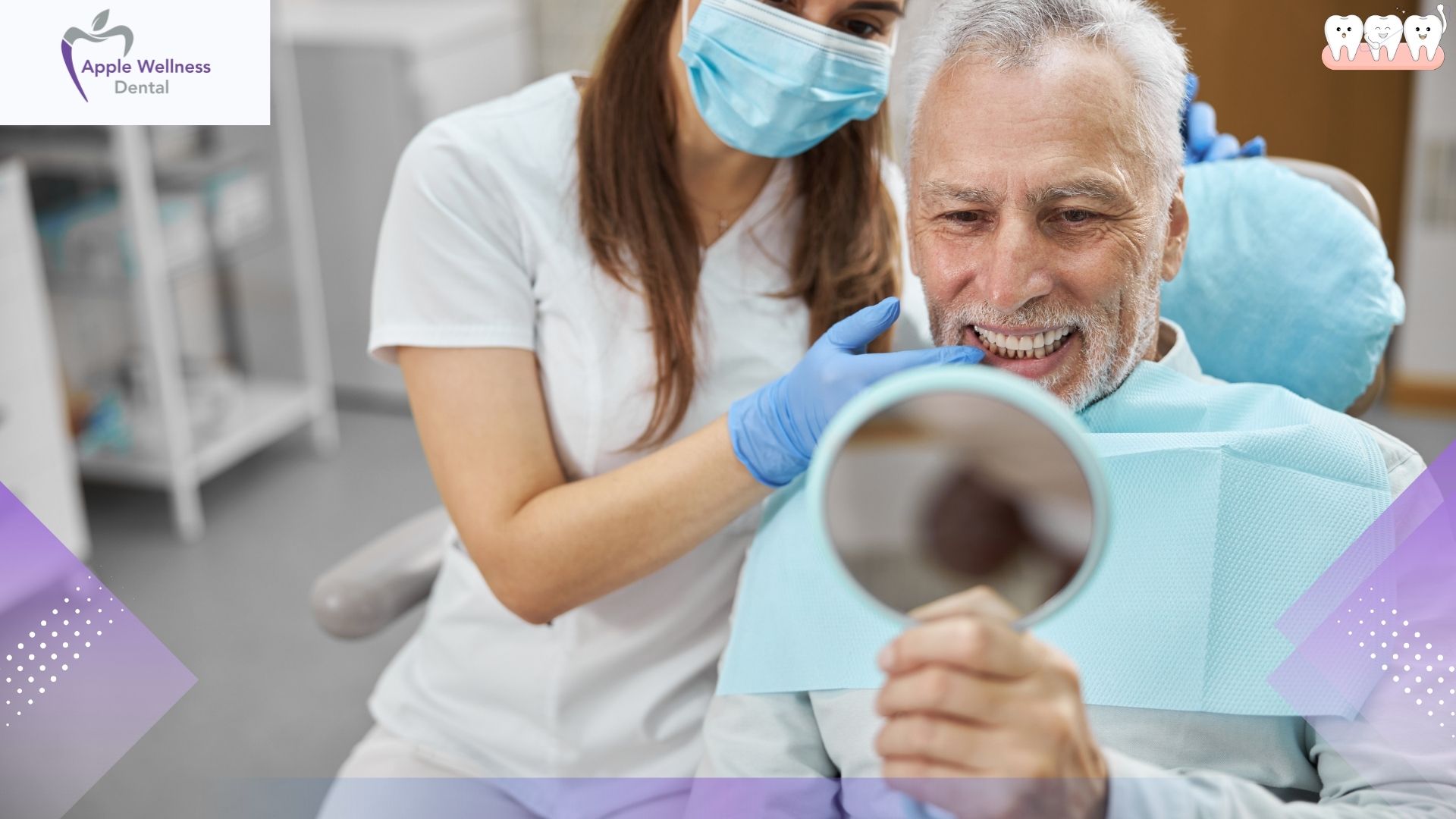
Missing teeth can make ordinary habits feel harder than they should. Chewing becomes less comfortable, certain foods drop out of your routine, and you may notice changes in speech or bite balance. Tooth replacement is about function as much as appearance.
For many seniors, dentures have been the traditional answer, and they still work well in many situations. Even so, some people want a replacement option that feels steadier during meals and conversations. Implants may support crowns, bridges, or dentures and can offer a more secure feeling than many removable options.
This is also why the topic keeps showing up in search. Seniors often want to know whether implants are practical later in life, whether healing is harder, and whether the investment makes sense. Those are fair questions, and they deserve answers grounded in clinical facts rather than guesswork.
Who May Be a Good Candidate

A common fear is that you can be too old for implants. In most cases, age itself is not the main issue. Instead, your dentist looks at whether your jawbone can support an implant, whether your gums are healthy enough for treatment, whether your medical conditions are well managed, and whether you can maintain good oral hygiene after placement.
If you have osteoporosis, diabetes, a history of smoking, or take medications that affect healing, that does not always mean implants are off the table. It does mean your case needs a closer look. Smoking, uncontrolled diabetes, and untreated gum disease can raise the risk of complications or reduce long-term success.
Your dentist will also check for gum disease, active infection, and bone loss. If these issues are present, they often need treatment first. That is why a consultation usually includes imaging, a health review, and a discussion about your goals.
If you want to read more about the basics, visit what dental implants are and how they are placed.
Bone Health and Why It Matters
Dental implants need a stable foundation. Because the implant body is placed into the jawbone, bone volume and density play a major role in success. If your jawbone is too soft or not thick enough, bone grafting may be needed before implant surgery.
This matters for seniors because bone loss can build slowly over time after teeth are lost. The longer a tooth has been missing, the greater the chance that the jaw in that area has changed. That does not automatically end the conversation, but it can affect the treatment plan.
The good news is that needing more support does not automatically rule implants out. Some patients can move forward after grafting or another preparatory treatment. If you want more background, Apple Wellness Dental has a helpful page on dental bone grafting.
What the Procedure Usually Involves
Many seniors feel less nervous once they understand the sequence. In general, implant treatment is done in stages rather than all at once. Depending on your situation, the process may involve removing a damaged tooth, preparing the jawbone, placing the implant, waiting for healing, attaching an abutment, and placing the final crown, bridge, or denture.
One reason treatment takes time is that the bone needs to join with the implant surface. This healing phase often takes several months. That time frame can feel long, but it is what creates the firm support that makes implants attractive in the first place.
You may also have choices in the final restoration. Some implant restorations are fixed, while others are removable, such as implant-supported dentures. That flexibility gives seniors options depending on how many teeth are missing and what kind of daily routine they prefer.
Benefits That Matter in Daily Life
The benefits of implants sound clinical on paper, but they matter most in ordinary life. Implants can help restore chewing ability, improve appearance, support the jaw, and help preserve surrounding bone and gum tissue. For many people, that leads to better comfort and more confidence in daily routines.
For seniors, that can mean eating a broader range of foods, speaking with less worry about movement, and feeling less self-conscious in social settings. A more secure tooth replacement can make day-to-day life feel easier and less distracting.
There is another advantage that does not always get enough attention: long-term oral function. When you lose teeth and go without replacing them, the bite can shift, the jaw can change, and nearby teeth may be affected over time. Replacing missing teeth earlier can help you maintain a more comfortable and balanced mouth.
A useful related resource is family dentistry at Apple Wellness Dental.
Risks and Limits You Should Understand
Implants offer strong benefits, but they are still a surgical treatment. Complications can happen soon after placement or much later, and some cases can lead to implant failure that requires additional treatment. Possible concerns include infection, delayed healing, damage to nearby teeth or tissues, nerve injury, loosening of parts, and difficulty cleaning around the implant.
Upper jaw implants may also involve sinus-related concerns in some patients. These risks are often small and manageable, but they still deserve an honest discussion before you commit. A careful plan helps lower surprises and gives you a clearer sense of what to expect.
This is where a professional assessment becomes valuable. Seniors who want the best long-term result should view implant care as an ongoing partnership with their dental team rather than a one-day fix.
How Recovery May Feel for Older Adults
Most people are surprised that the procedure itself is often less dramatic than they imagined, but recovery still requires patience. After surgery, you may have swelling of the gums and face, bruising, mild bleeding, and soreness at the implant site. Soft foods are often recommended while the area heals.
Seniors sometimes ask whether recovery is automatically harder with age. The more accurate answer is that healing depends on your health profile, medications, smoking history, bone condition, and how extensive the treatment is. Age matters less than the overall picture.
Daily care during recovery also matters. Regular cleaning of the implant area and surrounding teeth is very important for long-term success, and pain or looseness should be reported right away. A natural internal link here is what happens during a dental cleaning.
Implants vs Dentures for Seniors
Some seniors do very well with removable dentures, while others want a more secure option. The right choice depends on how many teeth are missing, the condition of your jawbone, your budget, and how much stability you want in daily life.
Your treatment does not always have to be all implants or no implants. In some cases, implant-supported dentures can give you more confidence and function without requiring an implant for every missing tooth. For many older adults, that middle ground is worth discussing during a consultation.
If your teeth have been missing for a long time, you may also need to talk about bone volume before deciding between traditional dentures and implant-based solutions. That is one more reason a clinical exam matters more than general online advice.
Financial and Long-Term Planning
Implants are often described as a long-term investment, and that is true in more ways than one. The process may require several visits, imaging, possible grafting, healing time, and long-term maintenance. Cost is part of the conversation, but it should not be the only factor you weigh.
You also need to think about comfort, durability, maintenance, chewing ability, and how the treatment fits your goals. A solution that costs less up front may not always deliver the function or confidence you want over time.
A consultation is the best place to discuss full costs clearly. It allows you to compare implant treatment, implant-supported dentures, bridges, or conventional dentures based on your mouth rather than on broad averages that may not apply to you.
A good page for broader treatment background is Apple Wellness Dental services.
Why Professional Evaluation Comes First
Dental Implants for Seniors: What to Know always comes back to one core point: you need a real exam before making a real decision. Online articles can explain the general process, but they cannot tell you whether your gums are healthy enough, whether bone grafting is needed, or whether another option may serve you better.
This is also where your broader oral health matters. If plaque, gum disease, loose teeth, or untreated decay are present, those issues may change the order of treatment or affect your results. Strong planning and early treatment make the path forward much clearer.
Helpful related articles include dental plaque prevention tips, gum disease signs, and bone grafting expectations.
If you are thinking about replacing missing teeth, we invite you to speak with our team at Apple Wellness Dental at 229 1st Street SW, Airdrie, AB, or call +1 587 332 6767. If Dental Implants for Seniors: What to Know has been on your mind, a consultation with Apple Wellness Dental can help you understand your options with clarity and choose a path that fits your health, comfort, and smile goals.
Common Questions About Dental Implants for Seniors: What to Know
Q: Are you ever too old for dental implants?
A: Age alone usually does not decide candidacy. The more important factors are your bone support, gum health, medical history, smoking status, and healing ability. A full evaluation gives a much more accurate answer than age by itself.
Q: Are dental implants safe for seniors?
A: Dental implants can be a safe option for many seniors after proper evaluation. Like any surgical treatment, they come with benefits and risks, which is why your oral health, medical history, and healing factors should be reviewed before treatment starts.
Q: How long does implant treatment usually take?
A: Implant treatment often takes several months because the bone needs time to heal around the implant. Some patients also need extra steps, such as tooth removal or bone grafting, which can lengthen the timeline.
Q: What if you have been wearing dentures for years?
A: You may still be a candidate, but your jawbone and gum condition need to be checked carefully. Long-term tooth loss can reduce bone volume, which may change the treatment plan or make bone grafting part of the discussion before implants are placed.
Q: Do seniors always need bone grafting before implants?
A: No. Some seniors have enough bone already, while others need grafting because the jaw is too thin or too soft to support an implant properly. Your imaging and exam will help determine whether extra support is needed.
Q: What are the most important implant risks to know?
A: The major concerns include infection, delayed healing, nerve injury, sinus issues in the upper jaw, damage to nearby structures, and implant loosening or failure. Smoking, poor oral hygiene, and untreated gum disease can also affect long-term success.
Q: Are implants better than dentures for every senior?
A: No. Some patients do very well with dentures, while others prefer the extra stability of implants or implant-supported dentures. The better option depends on your missing teeth, jawbone, health profile, budget, and treatment goals rather than a one-size-fits-all rule.
Q: How should you care for implants after treatment?
A: Daily cleaning and regular checkups matter just as much after placement as before it. The implant and surrounding teeth need consistent care, and professional follow-up visits help catch small issues early.
Q: Can smoking affect implant success in older adults?
A: Yes. Smoking can interfere with healing and lower the long-term success of implant treatment. This is one of the clearest reasons your health history should be reviewed carefully before treatment begins.
Q: What is the best next step if you are interested?
A: The best next step is a consultation with a dentist who can review your health history, evaluate your gums and bone, take imaging if needed, and explain whether implants, implant-supported dentures, or another option fits your needs best. That kind of exam gives you useful answers that general articles cannot provide.
Conclusion
Dental Implants for Seniors: What to Know is really about one big idea: missing teeth do not have to define how you eat, speak, or feel about your smile later in life. For many older adults, implants can restore comfort, function, jaw support, and confidence, but the right answer depends on health, bone structure, gum condition, and a treatment plan built around your actual needs.
Age alone should not stop you from asking the question. A full dental evaluation can show whether implants are a strong match for you, whether you need preparatory treatment first, or whether another option would serve you better.
If you are looking for clear guidance on Dental Implants for Seniors: What to Know, book a visit with Apple Wellness Dental and let us help you take the next step with confidence.