
The Complete One-Week Post-Extraction Diet Guide: What to Eat and Avoid
By the seventh day after a tooth extraction, most patients can safely transition from a strict liquid or soft-food diet to semi-solid and regular foods, provided they continue to chew on the opposite side of the extraction site. Safe options at the one-week mark include tender meats, cooked vegetables, soft breads, and pasta. However, you must still strictly avoid hard, crunchy, sticky, or heavily spiced foods, as the extraction socket is still actively healing and vulnerable to irritation or trapped food particles.
Key Takeaways
- Transition Safely: Day seven marks the shift from pureed foods to semi-solids like pasta, flaky fish, and soft breads.
- Chew Carefully: Always direct food to the side of your mouth opposite the extraction site to protect the healing socket.
- Avoid the Crunch: Chips, nuts, seeds, and hard candies remain strictly off-limits as they can puncture healing tissue.
- Temperature Matters: Extreme hot or cold foods can still trigger sensitivity; stick to lukewarm or room-temperature meals.
- Hydration is Crucial: Continue drinking plenty of water, but never use a straw, as the suction can dislodge the blood clot.
- Listen to Your Body: If a specific food causes pain or throbbing, immediately revert to softer options.
The Healing Process: Where Your Mouth Stands at Day Seven
Understanding what is happening biologically inside your mouth is crucial for making informed dietary choices. When you are preparing for oral surgery, dentists often emphasize the first 48 hours, but the one-week mark is equally critical. By day seven, the initial blood clot that formed in the socket has begun to organize into granulation tissue. This tissue is the foundation for new bone and gum formation.
According to research published by the National Institutes of Health, approximately 85% of the initial soft tissue healing occurs within the first 14 days post-extraction. At the seven-day mark, the risk of developing alveolar osteitis (commonly known as dry socket) drops significantly to under 2%. However, the socket is not fully closed.
“By the seventh day, the fibrin network has stabilized into granulation tissue, allowing patients to safely chew semi-solid foods,” explains Dr. Sarah Jenkins, a leading oral pathologist at the Dental Health Institute. “However, the epithelial layer—the surface gum tissue—is still delicate and can easily be torn by sharp food fragments.”
Because the tissue is still maturing, any trauma from hard foods can delay healing or introduce bacteria, leading to complications that might require you to seek out managing oral discomfort strategies all over again.
Safe Foods to Reintroduce One Week After Oral Surgery
As you enter the second week of recovery, your jaw stiffness should be subsiding, and any lingering numbness from the procedure will be long gone. This is the time to start reintroducing nutrient-dense foods that require mild chewing.
Proteins and Meats
Protein is essential for tissue repair and immune function. While tough steaks and chewy chicken breasts are still off the menu, you can enjoy:
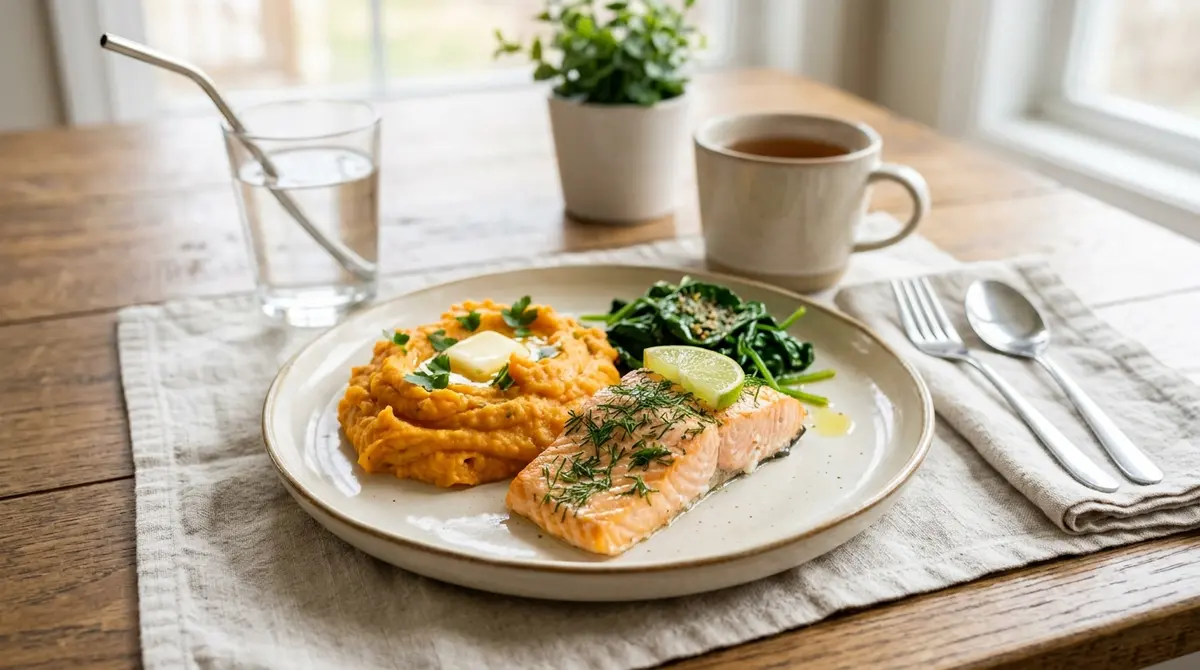
- Flaky Fish: Baked salmon, cod, or tilapia are excellent sources of omega-3 fatty acids, which naturally reduce inflammation.
- Eggs: Scrambled, poached, or soft-boiled eggs provide high-quality protein without requiring strenuous chewing.
- Ground Meats: Finely ground beef, turkey, or chicken can be incorporated into mild sauces or soft casseroles.
- Tofu: Silken or firm tofu is a fantastic plant-based protein that easily breaks down in the mouth.
Carbohydrates and Grains
Carbohydrates provide the energy your body needs to fuel the healing process. Safe options include:
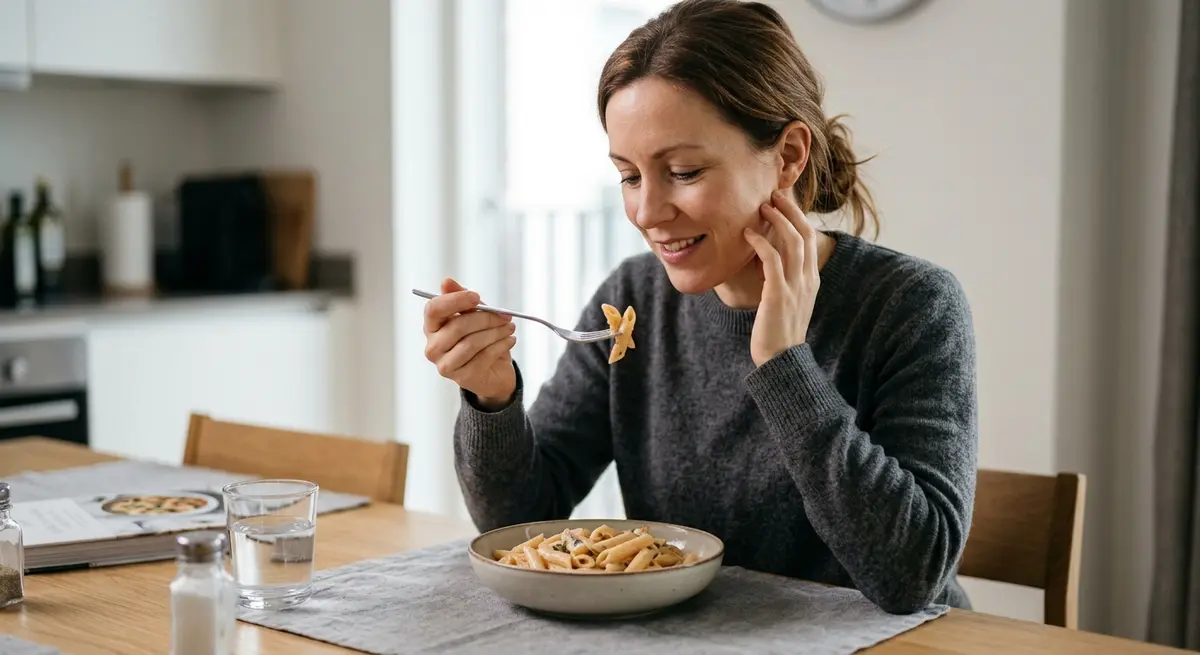
- Pasta and Noodles: Cooked slightly past al dente (very soft) to minimize chewing effort. Macaroni and cheese is a popular comfort choice.
- Soft Breads: Remove the crusts from white or whole-wheat bread. Avoid toasted bread, as the sharp edges can scrape the gums.
- Oatmeal and Porridge: Ensure there are no hard nuts or seeds mixed in.
- Mashed Potatoes: Both regular and sweet potatoes are nutrient-rich and require zero chewing.
Fruits and Vegetables
Vitamins and minerals are vital for recovery, particularly Vitamin C, which aids in collagen production. In 2026, nutritional guidelines from the American Dental Association emphasize the importance of soft produce during dental recovery:
- Steamed Vegetables: Carrots, broccoli florets, and zucchini steamed until fork-tender.
- Soft Fruits: Bananas, ripe avocados, baked apples, and canned peaches (in their own juice).
- Smoothies: Blended fruit bowls are great, provided they do not contain small seeds (like blackberries or raspberries) that could get lodged in the healing socket.
Foods You Must Still Avoid at the 7-Day Mark
While you have more freedom now than you did on day two, certain foods remain highly dangerous to your healing gums. A common mistake patients make during wisdom teeth removal recovery is rushing back to their normal diet too quickly.
“The most frequent cause of delayed healing we see at the one-week mark is food impaction,” notes Dr. Marcus Thorne, a Maxillofacial Surgeon. “A single sesame seed or a sharp piece of tortilla chip can disrupt the granulation tissue and cause a localized infection.”
Strictly avoid the following:
- Crunchy Snacks: Potato chips, popcorn, pretzels, and hard taco shells. Popcorn hulls are notorious for sliding under healing gum tissue.
- Nuts and Seeds: Almonds, peanuts, sunflower seeds, and sesame seeds.
- Sticky Foods: Caramel, taffy, chewing gum, and gummy candies can pull at the healing tissue or dislodge the remaining clot.
- Spicy Foods: Hot peppers, heavy curries, and acidic hot sauces can cause severe burning and irritation to the raw tissue.
- Acidic Foods: Citrus fruits (lemons, limes, grapefruits) and highly acidic tomato sauces can sting the extraction site.
Transitioning Your Diet: A Step-by-Step Guide
Gradually returning to a normal diet requires patience. Follow this step-by-step process to ensure you don’t irritate your extraction site:
- Assess Your Comfort Level: Before eating, gently open and close your mouth. If you experience significant jaw stiffness or pain, stick to liquids and purees for another day.
- Start with Semi-Solids: Begin your day with scrambled eggs or oatmeal. Evaluate how your mouth feels after the meal.
- Chew Strategically: Consciously push all food to the side of your mouth opposite the extraction. If you had teeth removed on both sides, rely on your front teeth and stick to foods you can swallow whole or mash with your tongue.
- Rinse Gently After Meals: Do not swish vigorously. Instead, take a sip of warm salt water, tilt your head from side to side, and let the water fall out of your mouth into the sink. This helps remove debris without creating suction.
- Monitor for Swelling: If your gums swell or throb after a meal, you have likely overworked the jaw or irritated the site. Apply a cold compress and revert to softer foods.
Comparing Soft Foods vs. Semi-Solid Foods
To help you plan your meals, here is a comparison of what you likely ate during the first few days versus what you can safely enjoy now.
| Food Category | Days 1-3 (Strict Soft/Liquid) | Day 7+ (Semi-Solid Transition) |
|---|---|---|
| Proteins | Protein shakes, yogurt, smooth soups | Flaky fish, scrambled eggs, soft meatballs |
| Carbohydrates | Mashed potatoes, smooth applesauce | Soft pasta, crustless bread, soft rice |
| Vegetables | Pureed vegetable soups | Steamed carrots, soft broccoli, baked squash |
| Snacks | Pudding, Jell-O, ice cream | Soft cheeses, ripe bananas, muffins (no nuts) |

Recognizing Complications: When Food Causes Issues
Even with the utmost care, food particles can sometimes find their way into the extraction socket. It is vital to recognize the difference between normal healing sensations and signs of a complication.
According to the Mayo Clinic, typical healing at one week includes mild tissue discoloration (often white or yellowish granulation tissue) and minor tenderness. However, if you experience a sudden, sharp increase in pain, foul breath, or a bad taste in your mouth, a food particle may be trapped, or an infection may be developing.
Never use a toothpick, water flosser, or your finger to dig food out of the socket. Doing so can destroy the fragile healing tissue and lead to severe bleeding. Instead, rely on gentle warm salt water rinses. If the debris does not dislodge, contact your dental professional. Maintaining a clean mouth is essential, especially if you are planning for a future dental implant placement in the extracted tooth’s location.
Frequently Asked Questions (FAQ)
Can I eat a burger 7 days after tooth extraction?
It is generally best to avoid traditional burgers at the 7-day mark. The biting motion requires you to use your front teeth and stretch your jaw, and the meat can be too chewy. If you crave a burger, opt for a very soft, deconstructed ground beef patty eaten with a fork.
When can I start eating crunchy foods again?
Most dentists recommend waiting at least two to three weeks before reintroducing crunchy foods like chips, nuts, or hard crusts. The gum tissue needs sufficient time to close completely over the extraction socket to prevent sharp edges from causing lacerations.
Is it safe to drink through a straw after a week?
While the risk of dry socket significantly decreases after 5 to 7 days, it is still safer to drink directly from a cup. The suction created by a straw can still put unnecessary pressure on the newly formed granulation tissue.
Can I eat pizza one week post-extraction?
Pizza can be risky due to the chewy crust and stringy cheese. If you must eat pizza, choose a soft-crust variety, cut it into very small, bite-sized pieces, and chew carefully on the opposite side of your mouth.
How do I clean my teeth after eating semi-solid foods?
You should resume your normal brushing routine, including professional teeth cleaning habits, but continue to be extremely gentle around the extraction site. Use a soft-bristled brush and avoid spitting forcefully; let the toothpaste and water drool out of your mouth.
What if food gets stuck in the extraction hole?
Do not panic and do not poke the area with sharp objects. Gently rinse your mouth with warm salt water. If the food remains stuck but causes no pain, leave it alone—the body will often push it out naturally as the tissue heals from the bottom up.
Conclusion
Navigating your diet seven days after a tooth extraction requires a balance between getting adequate nutrition and protecting your healing gums. By transitioning to semi-solid foods like flaky fish, soft pasta, and steamed vegetables, you provide your body with the energy it needs to recover without risking complications. Remember to chew on the opposite side, avoid crunchy or spicy items, and maintain gentle oral hygiene.
If you experience unusual pain, swelling, or suspect that food has become trapped and infected, do not hesitate to seek professional advice. Your long-term oral health is worth the extra caution. Contact us today if you have any concerns about your recovery or need to schedule a follow-up appointment with our expert team.