
The Complete Guide to Smoking After Tooth Extraction: Timelines, Risks, and Recovery
If you are wondering when you can safely light up after having a tooth removed, the definitive clinical answer is that you should wait a minimum of 72 hours (3 days) before smoking. Smoking any earlier drastically increases the risk of developing a severely painful condition known as dry socket, significantly delays your body’s natural healing process, and introduces harmful toxins to the vulnerable surgical site. For optimal recovery and to prevent post-operative complications, dental professionals strongly recommend abstaining for at least 5 to 7 days, or using this recovery period as a stepping stone to quit entirely.
Key Takeaways
- Minimum Wait Time: You must wait at least 72 hours post-extraction before smoking to protect the blood clot.
- Optimal Wait Time: Waiting 5 to 7 days drastically reduces the risk of complications.
- The Suction Danger: The physical act of inhaling creates a vacuum in the mouth that can dislodge the healing blood clot.
- Chemical Risks: Nicotine constricts blood vessels, reducing the oxygen and nutrients needed for tissue repair.
- Dry Socket Risk: Smokers are up to 300% more likely to develop alveolar osteitis (dry socket) compared to non-smokers.
- Alternatives: Vaping and cannabis carry the same suction and chemical risks as traditional combustible cigarettes.
The Biological Mechanics of Extraction Healing
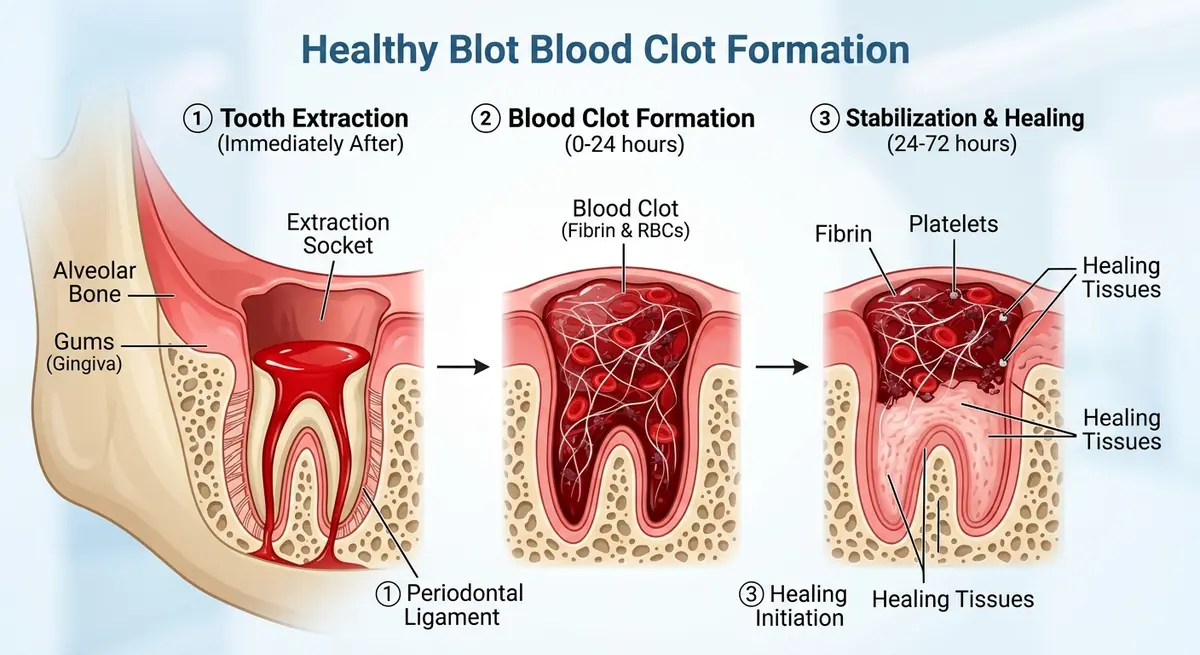
To understand why smoking is detrimental to oral surgery recovery, it is crucial to understand how the body heals. The moment a tooth is extracted, your body initiates a complex coagulation cascade. Within the first 24 hours, a vital blood clot forms in the empty socket. This clot serves as a biological protective scab over the underlying bone and sensitive nerve endings.
This clot is the foundation of your recovery. It provides the framework for new tissue and bone to develop. Fibroblasts (cells that synthesize the extracellular matrix and collagen) begin to populate the area, and a process called angiogenesis creates new blood vessels to supply the healing tissue. If you are preparing for oral surgery, understanding this delicate biological process is your first line of defense against complications.
As Dr. Robert Vance, lead researcher at the Institute for Oral Health Sciences, explains: “The first 72 hours are the critical window for fibrin network formation. Any disruption to this network, whether mechanical or chemical, halts the healing process and leaves the patient vulnerable to severe infection and localized bone inflammation.”
Why Inhaling Smoke Jeopardizes Recovery
The dangers of smoking after an extraction are twofold: physical and chemical. Both mechanisms work against your body’s natural healing protocols.
The Physical Danger: Negative Pressure and Suction
The physical act of drawing smoke from a cigarette, cigar, or vape creates a negative pressure vacuum inside the oral cavity. Because the blood clot resting in the socket is incredibly fragile during the first few days, this suction effect can easily dislodge it. Once the clot is pulled loose, the healing process is reset to zero, and the underlying bone is exposed to the oral environment.
According to Dr. Sarah Jenkins, Chief of Oral Surgery at the National Dental Research Institute: “The physical act of inhaling creates a negative pressure vacuum in the oral cavity that acts almost like a plunger. It forcefully pulls the newly formed, delicate blood clot right out of the alveolar socket.”
The Chemical Danger: Vasoconstriction and Toxins
Beyond the physical suction, the chemical composition of smoke is highly destructive to healing tissues. Nicotine is a potent vasoconstrictor, meaning it causes blood vessels to narrow. Research from the National Institutes of Health (NIH) indicates that nicotine can constrict peripheral blood vessels by up to 20%. This ischemia (restricted blood flow) starves the extraction site of oxygen, white blood cells, and essential nutrients required for cellular repair.
Furthermore, carbon monoxide present in cigarette smoke binds to hemoglobin in your blood, reducing overall blood oxygen levels by approximately 15%. When you combine restricted blood flow with oxygen-depleted blood, the tissue simply cannot heal efficiently. The temperature of cigarette smoke, which can reach 400°C (752°F) at the tip, also causes localized thermal trauma to the delicate oral mucosa.
The 2026 Healing Timeline: When Is It Safe?
Current 2026 dental guidelines emphasize a strict adherence to post-operative timelines to minimize complications. While the absolute minimum wait time is 72 hours, the timeline below outlines the safest approach to recovery.
| Time Post-Extraction | Healing Stage | Smoking Risk Level | Clinical Recommendation |
|---|---|---|---|
| 0 – 24 Hours | Initial clot formation; active bleeding stops. | Critical/Extreme | Absolute abstinence required. |
| 24 – 72 Hours | Fibrin network strengthens; granulation tissue begins. | High | Do not smoke. Use nicotine patches if necessary. |
| 3 – 5 Days | Gum tissue begins to close over the socket. | Moderate | Still highly discouraged. Wait if possible. |
| 5 – 7 Days | Significant soft tissue healing achieved. | Low | Generally safe to resume, but inhale gently. |
It is important to note that these timelines can vary based on the complexity of the procedure. For instance, a surgical removal of an impacted molar requires a longer healing window than a simple anterior extraction. If you are reviewing a wisdom teeth removal guide, you will find that oral surgeons often recommend extending the non-smoking window to a full 7 days due to the size and depth of the surgical sites.
The Reality of Dry Socket (Alveolar Osteitis)
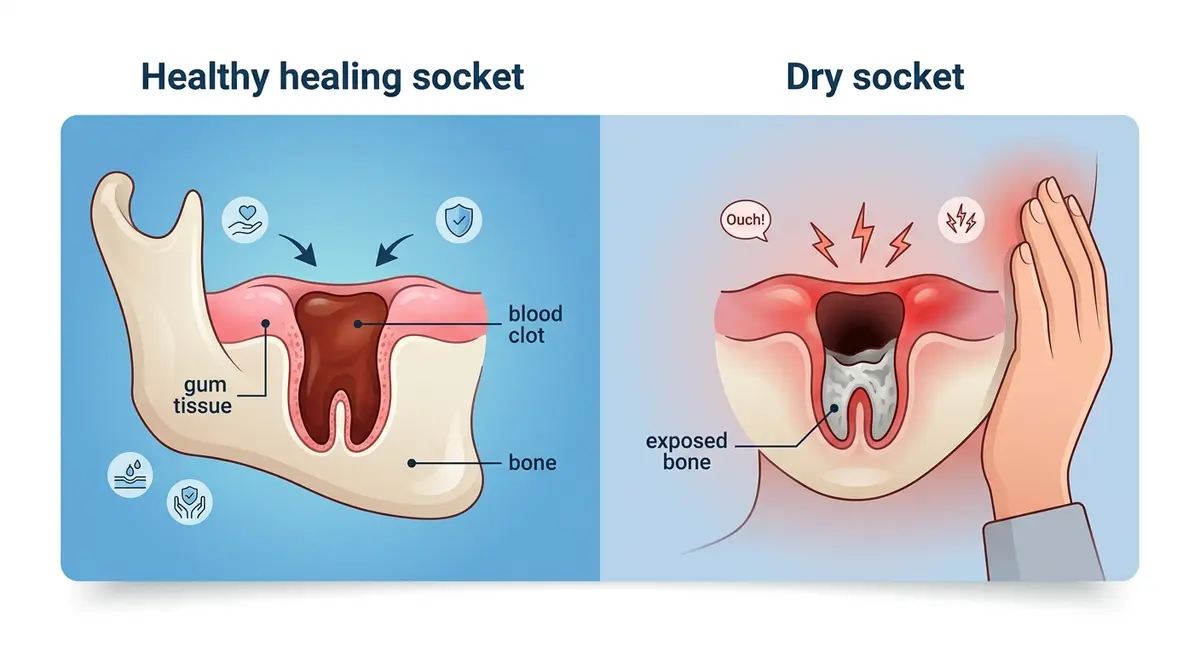
The primary reason dentists are so strict about smoking cessation post-extraction is to prevent alveolar osteitis, commonly known as dry socket. This condition occurs when the blood clot fails to develop, dissolves prematurely, or is physically dislodged before the wound has healed.
According to the American Dental Association (ADA), dry socket occurs in approximately 2% to 5% of all routine tooth extractions. However, that number skyrockets to 20% to 30% for lower wisdom tooth removals. Most alarmingly, clinical data shows that smokers have a 300% higher risk of developing dry socket compared to non-smokers.
When a dry socket occurs, the underlying jawbone and sensitive nerve endings are exposed to air, food, and fluids. The pain is typically described as a severe, throbbing ache that radiates up the side of the face to the ear and eye. It is often resistant to over-the-counter pain medications. While there are home toothache remedies that can offer temporary comfort for general dental pain, a dry socket requires immediate professional intervention to pack the wound with medicated dressings.
Are Vaping, E-Cigarettes, or Cannabis Safe Alternatives?
A common misconception in 2026 is that modern alternatives to combustible tobacco are safe to use after oral surgery. This is categorically false.
Dr. Emily Chen, Clinical Director at the Global Dental Health Foundation, states: “Patients often assume vaping is a safe alternative to traditional combustible cigarettes because there is no smoke. However, the negative pressure required to draw from a vape is often stronger than a cigarette, posing an immense risk to the blood clot. Furthermore, the nicotine in e-liquids still causes severe vasoconstriction.”
Cannabis use presents similar dangers. The heat from the smoke, the toxins produced by combustion, and the suction required to inhale all contribute to a hostile healing environment. Edibles may be a safer alternative for cannabis users, provided they do not require heavy chewing that could disturb the extraction site.
Step-by-Step Guide: Managing Nicotine Cravings During Recovery
Nicotine withdrawal is challenging, especially when dealing with the stress and discomfort of oral surgery. Here is a clinical, step-by-step approach to managing cravings without jeopardizing your healing socket:
- Utilize Nicotine Patches: Transdermal nicotine patches are the safest form of Nicotine Replacement Therapy (NRT) post-extraction. They deliver a steady dose of nicotine to curb cravings without any suction or localized chemical damage to the mouth. Avoid nicotine gum or lozenges, as the chewing action and localized chemicals can irritate the surgical site.
- Stay Hydrated (Without Straws): Drinking plenty of water helps flush toxins from the body and can reduce the severity of cravings. However, you must drink directly from a glass. Using a straw creates the exact same negative pressure vacuum as smoking and will dislodge your blood clot.
- Maintain Pristine Oral Hygiene: Keeping your mouth clean reduces the risk of infection and can make your mouth feel refreshed, temporarily reducing the urge to smoke. Follow your dentist’s instructions for gentle saltwater rinses. Understanding the dental cleaning process and maintaining hygiene is vital for preventing bacterial buildup.
- Keep Your Mind and Hands Busy: The psychological habit of smoking is often as strong as the chemical addiction. Engage in low-impact hobbies, watch movies, or use stress balls to keep your hands occupied during the critical 72-hour window.
- Consult Your Healthcare Provider: If you are a heavy smoker, discuss your upcoming extraction with your doctor. They may prescribe medications like bupropion or varenicline to help manage withdrawal symptoms during your recovery period.
Long-Term Implications for Oral Health
The healing period following an extraction is a critical juncture for your overall oral health trajectory. If you are planning to replace the missing tooth, smoking can severely impact your future options. For example, successful dental implant placement relies heavily on a process called osseointegration, where the jawbone fuses with the titanium implant. Smoking significantly increases the failure rate of dental implants by degrading bone density and impairing immune responses.
Similarly, if you are considering a comprehensive smile makeover process, smoking cessation is often a prerequisite. Tobacco use stains restorations, accelerates periodontal disease, and compromises the longevity of cosmetic and restorative dental work. According to the Centers for Disease Control and Prevention (CDC), smokers are twice as likely to suffer from severe gum disease, which is the leading cause of adult tooth loss.

Warning Signs: When to Seek Immediate Dental Care
Even if you follow all post-operative instructions, complications can occasionally arise. You should contact your dental professional immediately if you experience any of the following symptoms:
- Severe, worsening pain that begins 2 to 3 days after the extraction.
- Pain that radiates to your ear, eye, temple, or neck on the same side as the extraction.
- A foul odor coming from your mouth or a persistently bad taste that is not resolved by gentle saltwater rinses.
- Visible bone in the socket instead of a dark blood clot.
- Excessive bleeding that does not stop after applying pressure with sterile gauze for 45 minutes.
- Prolonged numbness. If you are wondering when mouth numbness wears off, it should typically resolve within a few hours. Numbness lasting days could indicate nerve irritation.
Frequently Asked Questions (FAQ)
Can I smoke 24 hours after a tooth extraction if I cover the hole?
No. Covering the extraction site with gauze while smoking does not eliminate the negative pressure vacuum created in your mouth. The suction can still pull the blood clot out, and the toxic chemicals in the smoke will still enter your bloodstream, causing vasoconstriction and delaying healing.
Does smoking through my nose prevent dry socket?
While inhaling smoke through the nose might slightly reduce the direct suction on the extraction site, it is still highly dangerous. The toxic chemicals, including nicotine and carbon monoxide, still enter your system, constricting blood vessels and depriving the surgical site of the oxygen necessary for healing.
How do I know if I have dislodged my blood clot?
If the blood clot is dislodged, you will typically experience a sudden and severe increase in pain about 2 to 3 days after the procedure. You may also notice a foul taste in your mouth, bad breath, and if you look in the mirror, you might see an empty-looking hole with visible whitish bone instead of a dark red clot.
Is it safe to smoke after a simple extraction versus a surgical one?
The 72-hour minimum rule applies to all extractions. While a simple extraction involves less tissue trauma than a surgical extraction (like an impacted wisdom tooth), the socket still relies entirely on a fragile blood clot to heal. Smoking puts both types of extractions at high risk for dry socket.
Will smoking just one cigarette cause a dry socket?
It only takes one instance of strong suction to dislodge a blood clot. Even a single cigarette introduces vasoconstricting chemicals and creates the negative pressure necessary to cause a dry socket. It is not worth the risk of severe, prolonged pain.
Can I chew tobacco instead of smoking after an extraction?
Chewing tobacco is strictly prohibited after an extraction. The loose tobacco particles can easily become lodged in the open socket, causing severe infection. Additionally, the high concentration of nicotine absorbed through the oral tissues causes intense localized vasoconstriction, severely stunting the healing process.
Conclusion
Navigating the recovery period after a tooth extraction requires patience and strict adherence to clinical guidelines. The definitive answer to when you can safely smoke is a minimum of 72 hours, though waiting 5 to 7 days is the clinically optimal choice. By understanding the biological importance of the blood clot and the physical and chemical dangers posed by smoking, vaping, and cannabis, you can protect your oral health and avoid the excruciating pain of a dry socket. Use this critical healing window to prioritize your recovery, utilize safe nicotine replacement therapies like patches, and allow your body the time it needs to rebuild.
If you are experiencing severe pain, suspect you may have developed a dry socket, or need personalized advice on managing your post-operative care, do not hesitate to reach out to a professional. Get in touch with our team today for immediate assistance and expert guidance on your oral health journey.