
How to Care for Dentures Properly in Airdrie
Caring for your dentures correctly extends their lifespan, maintains oral health, and prevents costly replacements. Whether you wear full dentures, partial dentures, or implant‑supported prosthetics, proper daily maintenance and professional checkups help you avoid common issues like plaque buildup, gum irritation, and ill‑fitting appliances. Understanding how to care for dentures properly in Airdrie means adopting proven cleaning techniques, avoiding harmful products, and partnering with experienced dental professionals at Apple Wellness Dental.
Key Takeaways
-
Rinse dentures after every meal and brush them daily with soft‑bristled brushes and non‑abrasive cleansers.
-
Soak dentures overnight in water or approved solutions to maintain their shape and prevent drying.
-
Schedule professional checkups every six to twelve months for fit assessments and adjustments.
-
Avoid hot water, bleach, regular toothpaste, and abrasive materials that damage denture surfaces.
-
Clean your mouth, gums, and tongue daily even when wearing full dentures.
-
Address loose or uncomfortable dentures immediately to prevent irritation and infections.
Overview
This comprehensive guide covers everything you need to know about maintaining your dentures for optimal comfort and longevity. You’ll discover evidence‑based cleaning techniques recommended by dental professionals, learn which products protect your investment, and understand why regular professional care matters. We address common mistakes that damage dentures, explain proper storage methods, and provide actionable advice for new denture wearers adjusting to their appliances.
The FAQ section answers frequently asked questions about how to care for dentures properly in Airdrie, while our team at Apple Wellness Dental offers personalized support to keep your smile healthy and confident. For full‑service denture care, including relines and repairs, visit our services page, where you can see how we treat dentures and other restorative options.
Daily Denture Cleaning Fundamentals

Establishing a consistent cleaning routine forms the foundation of proper denture maintenance. Removing food particles, plaque, and bacteria daily prevents oral health complications and extends the functional life of your prosthetic. Your dentures require attention after each meal, though at minimum you should perform thorough cleaning twice daily.
Start by rinsing your dentures under cool running water immediately after eating. This simple step removes loose food debris and prevents staining from setting into the acrylic material. Place a folded towel in the sink or fill the basin with water before handling your dentures—this protective cushion prevents breakage if you accidentally drop them during cleaning.
Use a soft‑bristled brush specifically designed for dentures rather than regular toothbrushes, which contain bristles too firm for prosthetic materials. Apply a non‑abrasive denture cleanser or mild soap to the brush, then gently scrub all surfaces, including the side that contacts your gums. Many denture wearers make the critical mistake of using regular toothpaste, which contains abrasives that create microscopic scratches where bacteria colonize and stains develop. If you use denture adhesive, pay special attention to cleaning the grooves where residue accumulates.
For more detailed guidance on products and techniques, you can read our how to clean partial dentures guide, which also applies to full dentures and implant‑retained appliances.
Overnight Soaking Requirements
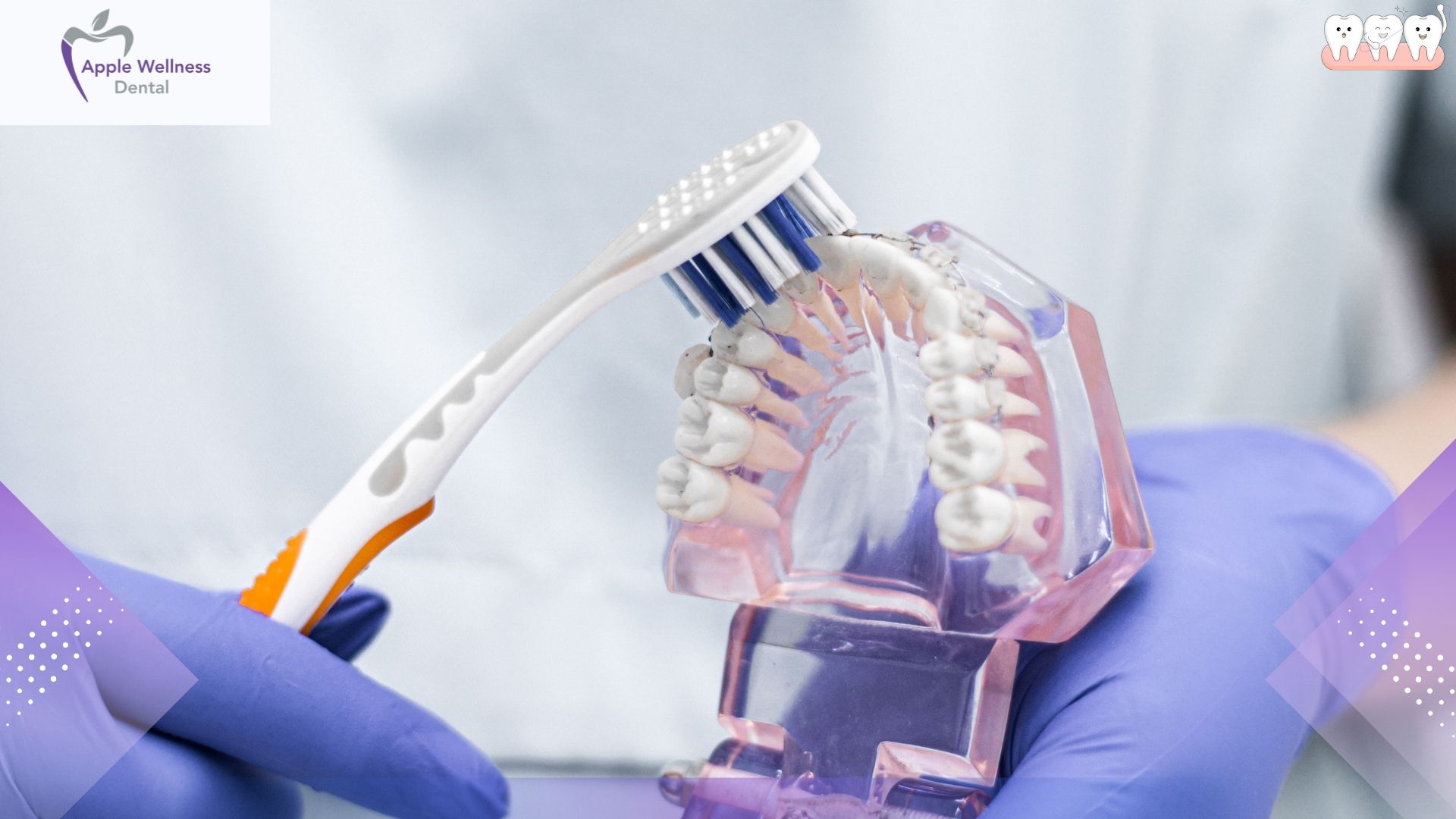
Dentures must remain moist when not in your mouth to prevent warping, cracking, and dimensional changes that affect fit. Most denture materials require overnight soaking in water or approved denture‑soaking solutions. Check with your dental professional about the specific requirements for your prosthetic type, as some materials have different moisture needs.
Fill a clean container with cool water or denture‑soaking solution, following the manufacturer’s instructions exactly. Never use hot or boiling water, which warps thermoplastic materials and permanently damages the denture base. Submerge your dentures completely and allow them to soak for the recommended duration—typically overnight or at least several hours.
Rinse your dentures thoroughly under cool running water before placing them back in your mouth, especially if using chemical soaking solutions. These products contain substances that can cause oral burns, vomiting, or pain if swallowed. Clean your denture storage container daily with fresh water to prevent bacterial growth that transfers back to your clean prosthetic. This routine is aligned with best practices described in our denture care and cleaning tips for all removable prosthetics.
Oral Hygiene for Denture Wearers
Maintaining healthy oral tissues remains essential even when you no longer have natural teeth. Your gums, tongue, palate, and inner cheeks require daily cleaning to remove bacteria, stimulate circulation, and maintain tissue health. This practice also removes any remaining denture adhesive before reinserting your appliance.
Use an extra‑soft toothbrush or gauze to gently clean all soft tissue surfaces each morning before inserting your dentures. Clean your tongue with particular attention, as bacteria accumulate on its textured surface and contribute to bad breath. If you have any remaining natural teeth, brush them twice daily with fluoride toothpaste using proper technique. For those with partial dentures, maintaining your natural teeth prevents further tooth loss and supports the stability of your prosthetic.
Massaging your gums with a clean finger or soft brush improves blood flow and keeps tissues resilient. This step takes only a few moments but significantly impacts your comfort level throughout the day. Many denture wearers report reduced irritation and better appliance retention when they maintain excellent oral hygiene practices. Our dental exams and cleanings page explains how professional care complements your at‑home routine.
Products and Materials to Avoid
Certain cleaning agents and methods damage denture materials despite seeming effective for general household cleaning. Understanding what products harm your prosthetic saves you from costly repairs or premature replacement. Regular toothpaste ranks among the most common mistakes—its abrasive particles scratch acrylic surfaces, creating rough areas where bacteria and stains accumulate.
Whitening toothpaste contains peroxide that does not lighten denture teeth and may degrade the bond between teeth and the base material. Bleach and bleaching products weaken dentures, discolor the pink acrylic base, and leave residues that irritate oral tissues. If your dentures have metal clasps or attachments, bleach solutions cause tarnishing and corrosion that affects retention and appearance.
Harsh cleansers, abrasive scrubbing pads, and stiff‑bristled brushes scratch denture surfaces despite thorough cleaning. These microscopic scratches become breeding grounds for odor‑causing bacteria and visible staining over time. Never place dentures in the dishwasher, as the extreme heat warps thermoplastic materials and concentrated detergents damage acrylic.
Some denture wearers experiment with vinegar, baking soda, or other household products for cleaning. While these substances work for general cleaning tasks, they may be too harsh for dental prosthetics or lack the antimicrobial effectiveness of products specifically formulated for denture care. Stick with cleansers bearing the American Dental Association Seal of Acceptance, which indicates independent testing has verified their safety and effectiveness. For more information on safe cleaning methods, see our guides on oral hygiene and denture care.
Professional Denture Maintenance Schedule
Regular professional checkups complement your home care routine and address issues before they become serious problems. Dental professionals assess denture fit, identify wear patterns, check for cracks or damage, and examine your oral tissues for abnormalities. Most denture wearers should schedule appointments every six to twelve months, though your specific situation may require more frequent visits.
During professional appointments, your dental team performs thorough cleaning that removes calculus and stains your home routine cannot eliminate. They evaluate whether your dentures fit properly, as natural changes in your jawbone and gum tissue gradually alter how prosthetics sit in your mouth. Ill‑fitting dentures cause sore spots, difficulty chewing, speech problems, and increased movement during normal activities. Our dental exams and cleanings service page explains how these visits help keep your prosthetics and tissues in optimal condition.
Professional adjustments, relining, or replacement become necessary as your oral anatomy changes over time. Denture adhesives provide temporary stability but never substitute for properly fitting prosthetics. Attempting to compensate for poor fit with increasing amounts of adhesive leads to tissue irritation, infection risk, and accelerated bone loss. Your dental professional at Apple Wellness Dental determines whether minor adjustments suffice or if more extensive intervention provides better outcomes. For more about the full range of restorative options, including dentures and implants, see our comprehensive dental services page.
Common Denture Problems and Solutions
Understanding typical denture issues helps you recognize when professional intervention becomes necessary. Loose or poorly fitting dentures rank among the most frequent complaints and require immediate attention. As your jaw and gum tissues change shape following tooth loss, gaps develop between your dentures and oral tissues. This movement causes friction, creates sore spots, and reduces chewing efficiency.
Cracks, chips, or breaks in denture materials require professional repair rather than at‑home fixes. Attempting to repair dentures with household glues or adhesives introduces toxic substances to your mouth and rarely restores proper fit or function. Professional repairs use biocompatible materials and restore the original contours necessary for comfort and retention.
Worn denture teeth develop when opposing natural teeth, other dentures, or habitual grinding create excessive friction. This wear alters your bite relationship, potentially causing jaw pain, headaches, and facial muscle fatigue. Regular professional examinations identify excessive wear before it significantly impacts your quality of life. For patients experiencing dental emergencies such as broken dentures or sudden pain, our emergency dental care service in Airdrie offers prompt same‑day appointments.
Difficulty speaking or chewing often indicates adjustment problems rather than inherent denture limitations. New denture wearers typically require several weeks to adapt to speaking and eating with prosthetics. Practice reading aloud, start with soft foods, and gradually introduce firmer textures as you build confidence. Persistent problems beyond the initial adjustment period warrant professional evaluation.
Denture Adhesive Guidelines
Denture adhesives provide supplementary retention for well‑fitting prosthetics during the adjustment period or when minor fit changes occur between professional appointments. Apply a small amount to clean, dry dentures, following the product instructions carefully. Excessive adhesive does not improve retention and makes removal uncomfortable while contributing to buildup on your gums.
Clean adhesive residue from both your dentures and oral tissues during your daily hygiene routine. Remaining adhesive harbors bacteria and prevents proper contact between your prosthetic and gums during the next wear period. If you find yourself using increasing amounts of adhesive to maintain stability, schedule a professional evaluation rather than continuing to compensate for poor fit. Our how to clean denture adhesive residue guide offers step‑by‑step instructions for gentle yet effective removal.
Some situations require temporary adhesive use, such as when speaking publicly, eating challenging foods, or during the healing period after extractions. However, adhesives never replace proper denture fit and should not become a permanent solution to retention problems. Your dental professional can assess whether adjustments, relining, or replacement better addresses your stability concerns. For more about long‑term restorative options, see our dental implants vs dentures comparison.
Storage and Handling Best Practices
Proper denture handling prevents accidental damage and contamination between wear periods. Always handle your dentures over a soft surface or basin of water to cushion falls. The acrylic materials used in denture construction resist normal chewing forces but can shatter when dropped on hard surfaces like bathroom sinks or tile floors.
Store dentures in a covered container filled with cool water or soaking solution when not wearing them. This container should be kept away from children, pets, and high‑traffic areas. Dogs particularly love chewing dentures, and replacement can cost hundreds to thousands of dollars. Keep your storage container clean by washing it daily with mild soap and water, then allowing it to air dry completely before the next use.
Never wrap dentures in tissues or napkins, as this creates confusion and leads to accidental disposal. Many dentures end up in landfills when caregivers or family members unknowingly throw away wrapped prosthetics. Using a dedicated, clearly labeled container prevents these costly mistakes. For those considering dental implants as an alternative, our dental implants information page explains how implants can reduce dependence on removable dentures and simplify long‑term care.
Special Considerations for Different Denture Types
Full dentures, partial dentures, and implant‑supported overdentures each have specific care requirements beyond basic cleaning principles.
Complete dentures rest directly on your gum tissues and require careful attention to the fitting surface that contacts your mouth. This area accumulates bacteria and adhesive residue that must be removed daily to prevent tissue irritation and infections. For a thorough cleaning routine that also applies to other removable appliances, see our dental exams and cleanings page.
Partial dentures feature metal clasps or precision attachments that hook onto remaining natural teeth for stability. These components require gentle cleaning to avoid bending or breaking, and you must never soak partial dentures with metal parts in chlorine‑containing solutions that corrode metal. Your natural teeth supporting the partial denture need meticulous care to prevent decay and gum disease that would compromise the prosthetic’s stability. Our how to clean partial dentures article covers these special considerations in detail.
Implant‑supported overdentures snap onto dental implants rather than resting on gums, providing superior stability and chewing function. These prosthetics contain attachment mechanisms that require specialized cleaning to maintain proper function. Never use products containing fluoride on implant components, as some formulations can affect implant materials. Remove and clean overdentures daily while also cleaning around the implant abutments with specialized brushes. For care guidance that complements implant‑supported dentures, read our dental implants care and cleaning article.
Adjustment Period for New Denture Wearers
Adapting to dentures requires patience and realistic expectations during the first several weeks. Your mouth needs time to adjust to the foreign object, and you must learn new movement patterns for speaking and eating. Increased saliva production, minor soreness, and awkward sensations are normal initially and typically resolve within a few weeks.
Start with soft, easy‑to‑chew foods like yogurt, mashed potatoes, scrambled eggs, and cooked vegetables. Cut food into small pieces and chew slowly, using both sides of your mouth simultaneously to maintain denture stability. Avoid sticky foods like caramel, hard foods like nuts, and tough meats during your adjustment period. Gradually introduce more challenging textures as you build confidence and muscle coordination.
Speaking with dentures feels strange at first because the prosthetic changes the space in your mouth and affects tongue movement. Practice reading aloud at home, focusing on words that contain difficult sounds. Speaking slowly and deliberately prevents dentures from slipping while you adapt to the new oral environment. Most people report significant improvement in speech clarity within two to four weeks of consistent wear. If you experience persistent discomfort or fit issues, our dental care and reconstruction guide explains how comprehensive treatment can align your bite and improve denture stability.
Signs You Need Professional Denture Adjustment
Several indicators signal that your dentures require professional evaluation rather than continued home management.
Persistent movement during normal activities like speaking or eating suggests fit changes that adjustments or relining can address. While slight settling occurs during the first few weeks after receiving new dentures, excessive shifting indicates a problem.
Sore spots, ulcers, or persistent irritation develop when denture edges or surfaces create excessive pressure on oral tissues. These areas often worsen without intervention and can become infected, requiring more extensive treatment than simple adjustments would have provided. Never continue wearing dentures that cause significant pain, as the tissue damage accelerates bone loss and complicates future prosthetic fit.
Difficulty chewing certain foods you previously managed comfortably indicates changes in how your dentures contact opposing teeth or distribute biting forces. This problem often develops gradually as wear patterns alter the bite relationship or fit changes reduce stability. Professional evaluation identifies whether replacement teeth, rebasing, or complete replacement provides the best solution.
Visible cracks, chips, or wear compromise denture integrity and oral health. Small cracks propagate quickly under chewing forces, and rough surfaces from worn areas or damage harbor bacteria while irritating oral tissues. Addressing these issues promptly prevents complete denture failure and avoids extended periods without functional teeth.
Changes in your oral tissues including gum recession, bone loss, or new lesions require professional examination. Your denture appointments allow dental professionals to screen for oral cancer, infections, and other conditions that denture wearers sometimes overlook when they no longer visit regularly for natural tooth care. For comprehensive oral health exams, visit our comprehensive dental exams page and schedule an evaluation with our experienced team.
At‑Home Care Meets Professional Support in Airdrie
At Apple Wellness Dental, located at 229 1st Street SW, Airdrie, AB, our experienced team provides comprehensive denture care services including cleaning, adjustments, and patient education. We understand how critical properly maintained dentures are to your quality of life, and we’re committed to helping you achieve optimal comfort and function.
You can learn more about our full range of options, including dentures, implants, and restorative treatments, on our dental services page. If you have a dental emergency related to your dentures, our emergency dental care page outlines how we can help you quickly.
Schedule your denture evaluation by calling +1 587‑332‑6767 to discuss how to care for dentures properly in Airdrie with professionals