
What Are Dentures Made Of? Understanding Your New Smile
Losing natural teeth can feel like losing a part of yourself, affecting everything from how you speak to how you enjoy your favorite meals. Fortunately, modern dental prosthetics have come a long way from the wood and ivory of the past. Today, dentures are sophisticated devices engineered for comfort, durability, and a natural appearance. But when you hold these prosthetics in your hand, you might wonder: what are dentures actually made of?
Understanding the materials used in your dental appliances is crucial. It helps you grasp why specific cleaning routines are necessary, why professional adjustments are vital, and how long you can expect your new smile to last. Whether you are considering partial dentures to fill a few gaps or a full set to restore your entire arch, knowing the composition of your dentures empowers you to make informed decisions about your oral health.
Key Takeaways
-
Two Main Components: Dentures consist of a base (gum-colored) and artificial teeth, often made from different materials.
-
Acrylic is King: Acrylic resin is the most common material for denture bases due to its ability to be molded and colored to match gums.
-
Porcelain vs. Plastic: Artificial teeth are typically made from hardened acrylic resin or porcelain, each offering different benefits for durability and aesthetics.
-
Metal Frameworks: Partial dentures often rely on cobalt-chrome or titanium for a thin, strong, and supportive structure.
-
Flexible Alternatives: Nylon-based thermoplastics offer a metal-free, flexible option for partial dentures.
Overview
Generally, the answer depends on the type of prosthetic you receive. Full dentures typically feature a base made of polymethyl methacrylate (PMMA) acrylic resin, which is durable and can be tinted to mimic gum tissue. The teeth set into this base are usually made of acrylic resin or, less commonly, porcelain for a more natural look. Partial dentures often utilize a metal framework for strength, covered in acrylic, though flexible nylon options are available for those with metal sensitivities. Your dentist chooses these materials to balance aesthetics, durability, and comfort.
The Anatomy of a Denture
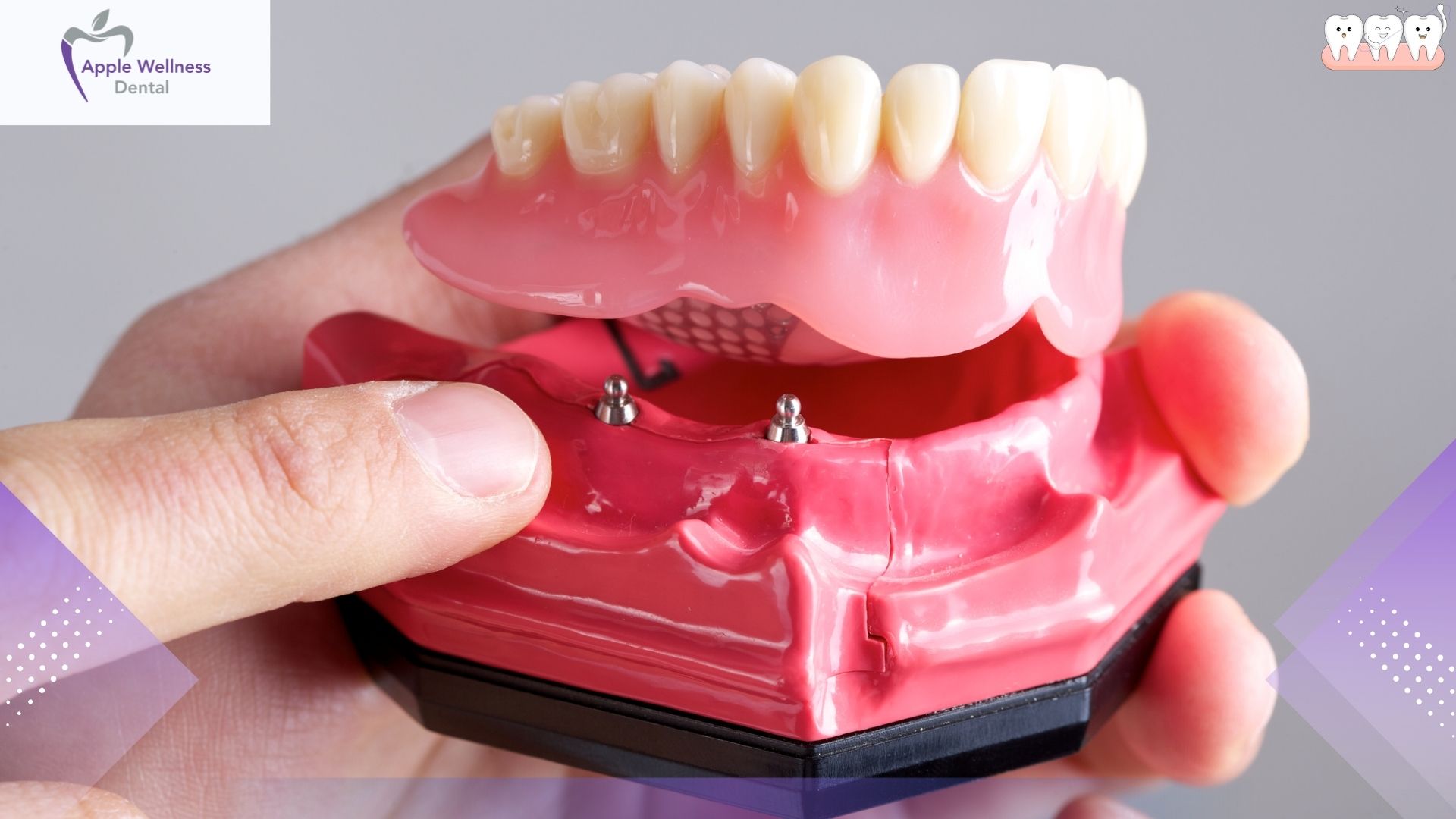
To truly answer “what are dentures made of,” we must first separate the appliance into its two primary parts: the framework (or base) and the artificial teeth. These two components serve different functions and, therefore, require different material properties. The base needs to be stable and comfortable against your soft tissues, while the teeth need to be hard enough to chew food but resilient enough not to shatter under pressure.
The Denture Base: The Foundation of Your Smile
The base is the part of the denture that rests directly on your gums. It provides the structure that holds the artificial teeth in place and distributes chewing forces.
1. Acrylic Resin (PMMA)
The vast majority of modern denture bases are crafted from a rigid plastic called polymethyl methacrylate, or acrylic resin. This material is favored because it is customizable, adjustable, and durable. It can be dyed to match the exact shade of your natural gum tissue. However, acrylic can be prone to fracture if dropped on a hard surface, which is why handling your dentures with care is essential.
2. Metal Alloys (Cobalt-Chrome and Titanium)
For partial dentures, a metal framework is often the gold standard. While the visible parts are covered in gum-colored acrylic, the internal structure is made of medical-grade metal. Cobalt-chrome is an incredibly strong alloy that allows the denture palate to be made very thin, improving the sensation of temperature and texture when eating.
3. Flexible Nylon (Thermoplastics)
For patients who find rigid acrylic uncomfortable or have allergies to certain monomers, flexible dentures are a fantastic alternative. These do not require metal clasps, instead using the translucent pink material to snap around your existing teeth.
The Artificial Teeth: Function Meets Aesthetics
The teeth themselves are the stars of the show. They must look like natural enamel but function like a tool.
1. Acrylic Resin Teeth
Today, acrylic resin is the most popular choice for denture teeth. Modern manufacturing processes have made these teeth much more wear-resistant than in the past. They bond chemically to the acrylic base, creating a single, solid unit.
2. Porcelain Teeth
Porcelain was once the standard because it mimics the translucency of natural enamel perfectly. However, porcelain can be abrasive and may wear down natural teeth that bite against it. It is also more brittle and prone to chipping.
For temporary solutions, materials might differ slightly. For example, a dental flipper uses a lighter-weight acrylic intended for short-term use while healing.
Why Material Choice Matters for Your Health
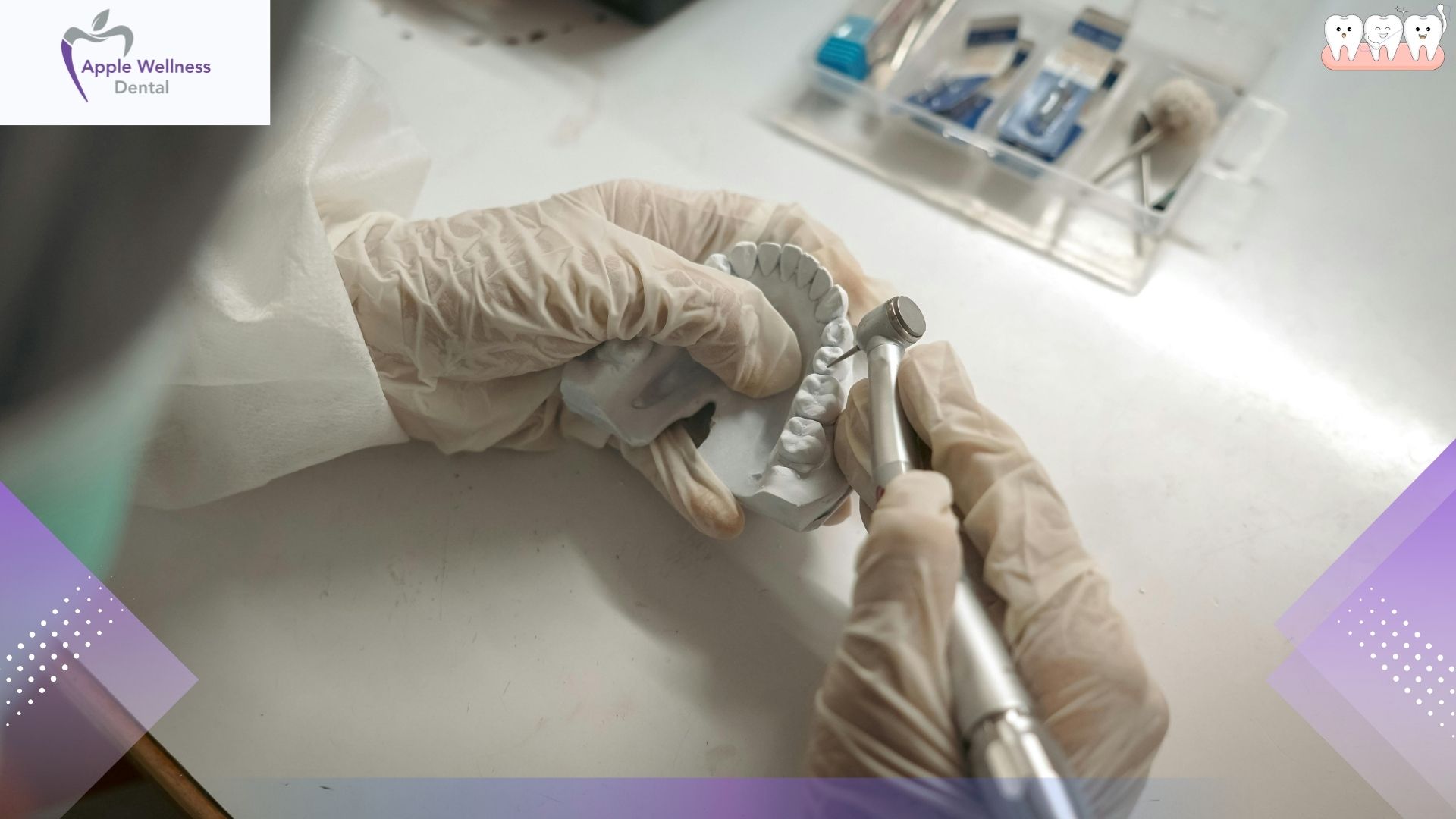
The materials selected for your dentures are not random; they are chosen to withstand the specific environment of the human mouth. Your mouth is a wet, warm environment that experiences significant force.
Using the correct materials prevents irritation. For example, lower-quality plastics used in DIY kits often remain porous, becoming a breeding ground for bacteria and fungi. This can lead to oral infections. Professional-grade acrylics are cured under high pressure to minimize porosity, keeping your breath fresher and your gums healthier.
Furthermore, the biocompatibility of materials like titanium helps prevent allergic reactions. If you have a history of sensitivity, discussing this with your dental team ensures we select a material that your body will tolerate well.
The Risks of DIY and Subpar Materials
In recent years, there has been a concerning trend of “DIY” denture repair kits sold online. It is vital to understand that these products do not use the same medical-grade materials as a professional lab.
-
Toxic Chemicals: Some over-the-counter kits may contain chemicals that are not safe for prolonged contact with mucous membranes.
-
Poor Fit: Without a professional impression, the material will not distribute pressure evenly. This can accelerate bone loss.
-
Fragility: DIY materials are often brittle and break easily under chewing forces.
Investing in professionally fabricated dentures ensures you are putting safe, Health Canada-approved materials in your mouth. If you ever experience a break, professional repair is safer than attempting to glue it yourself. Learn more about the wide range of professional restorative dentistry options available to ensure you get the best care.
Caring for Different Denture Materials
The way you care for your dentures depends heavily on what they are made of.
-
Acrylic: Avoid using hot water, as it can warp the plastic. Use a cleaner specifically designed for dentures, as regular toothpaste is too abrasive.
-
Metal Frameworks: These are robust but can bend if you squeeze them too hard during cleaning.
-
Flexible Nylon: These materials are sensitive to harsh chemicals.
Proper maintenance extends the life of these materials. For detailed instructions on keeping your appliance pristine, check out our guide on how to clean partial dentures.
Comfort and Adaptation
Adapting to the feel of acrylic or metal in your mouth takes time. Initially, your brain perceives the denture as a foreign object, stimulating excess saliva flow. This is normal. The smooth, polished surface of professional acrylic is designed to minimize friction against your cheeks and tongue.
If you experience persistent sore spots, it doesn’t necessarily mean the material is wrong; it usually means the fit needs a slight adjustment. We can polish away a fraction of a millimeter of the acrylic to relieve the pressure point.
Longevity of Denture Materials
No material lasts forever, especially in a high-stress environment like the mouth. Acrylic teeth may wear down over 5-8 years, flattening out and making chewing less efficient. While the base material itself doesn’t “expire,” your jawbone shrinks over time. This means the rigid acrylic base will eventually stop fitting the changing shape of your gums, requiring a reline or a replacement.
If you are looking for something more permanent than acrylic and metal, you might compare dentures vs. dental implants, as titanium implants offer a lifelong foundation for your smile.
Common Questions About What Dentures Are Made Of
Q: Are dentures made of real teeth?
A: No, modern dentures do not use real human or animal teeth. They are crafted from synthetic materials, primarily acrylic resin or porcelain, which are designed to mimic the appearance and function of natural enamel without the risk of decay.
Q: Which denture material is the most comfortable?
A: Comfort is subjective, but many patients find flexible nylon partials very comfortable because they are lightweight and adapt well to the gums. However, for full dentures, a well-fitted acrylic base is generally the standard for comfort and stability.
Q: Can I act if I am allergic to the metal in dentures?
A: Yes. If you have a known metal allergy (commonly to nickel), let your dentist know. We can use hypoallergenic alloys like titanium or recommend metal-free options.
Q: Do porcelain teeth look better than acrylic teeth?
A: Porcelain often has a slight edge in translucency, looking very similar to natural enamel. However, premium quality acrylic teeth have advanced significantly and now offer highly realistic aesthetics that rival porcelain while being less brittle.
Q: Why are my dentures made of plastic and not ceramic?
A: While the teeth might be ceramic (porcelain), the base is usually plastic (acrylic) because it needs to be impact-resistant and adjustable. A fully ceramic denture would be too heavy and impossible to adjust if your gums changed shape.
Q: How long do acrylic dentures last?
A: With proper care, acrylic dentures typically last between 5 to 7 years. Over time, the material may stain or wear down. If you need a more durable solution, exploring why restorative dentistry is important can help you understand the long-term benefits of timely replacement.
Conclusion
Knowing what dentures are made of removes the mystery from your dental care and highlights the quality of modern prosthetics. From the adaptability of acrylic resin to the strength of cobalt-chrome and the natural look of porcelain, these materials are engineered to restore not just your teeth, but your quality of life. By choosing professional fabrication over quick fixes, you protect your oral health and ensure your smile lasts for years to come.
Contact Apple Wellness Dental Today
Ready to restore your smile and confidence? At Apple Wellness Dental, we understand that every smile is different. Whether you need a full set of dentures or a partial repair, our team is here to guide you through the material options best suited for your lifestyle. Visit us at 229 1st Street SW, Airdrie, AB, or give us a call at +1 587 332 6767 to schedule your consultation. Let us help you find the perfect fit!