
What Are Dentures Made Of In Airdrie? A Material Guide
Losing natural teeth changes more than just your appearance; it shifts how you speak, eat, and interact with the world around you. For many of our patients, the journey to restoring a functional smile begins with a simple question. You might look at the prosthetic in your hand or see a picture online and wonder about the science behind it. Understanding the materials used in dental prosthetics is the first step toward reclaiming your confidence.
Modern dentistry has moved far beyond the wood and ivory of history books. Today, we utilize advanced polymers and biocompatible alloys designed to mimic nature so closely that most people won’t even notice you are wearing them. Whether you are considering a full set to replace an entire arch or a partial to fill a few gaps, knowing the composition of your appliance is vital. It helps you understand why specific cleaning methods are necessary and how to maintain your oral health for the long term.
Key Takeaways
-
Primary Components: Dentures are comprised of two main parts: the gum-colored base and the artificial replacement teeth.
-
Acrylic Dominance: Polymethyl methacrylate (PMMA) is the industry standard for denture bases due to its durability and ability to match gum tissue.
-
Teeth Materials: Artificial teeth are typically crafted from wear-resistant resin or porcelain, with resin being more common for its shock-absorbing qualities.
-
Metal Frameworks: Partial dentures often utilize cobalt-chrome or titanium for a lightweight, robust structure that anchors to existing teeth.
-
Flexible Options: Nylon-based thermoplastics provide a metal-free, flexible alternative for partials, offering superior comfort for sensitive gums.
Overview
When patients ask what are dentures made of in Airdrie, the answer typically involves a combination of specialized plastics and metals. Full dentures generally rely on a base made of polymethyl methacrylate (PMMA) acrylic, a hard resin that is molded to fit your gums perfectly and tinted to match your natural soft tissue. The teeth attached to this base are usually made of hardened acrylic resin, though porcelain is an option for specific aesthetic needs. Partial dentures often feature a skeleton of cobalt-chrome or titanium for strength without bulk, covered in acrylic. For those needing a softer touch, flexible nylon thermoplastics offer a metal-free solution. We select these materials based on your specific bite, gum health, and lifestyle needs.
The Foundation: Understanding the Denture Base
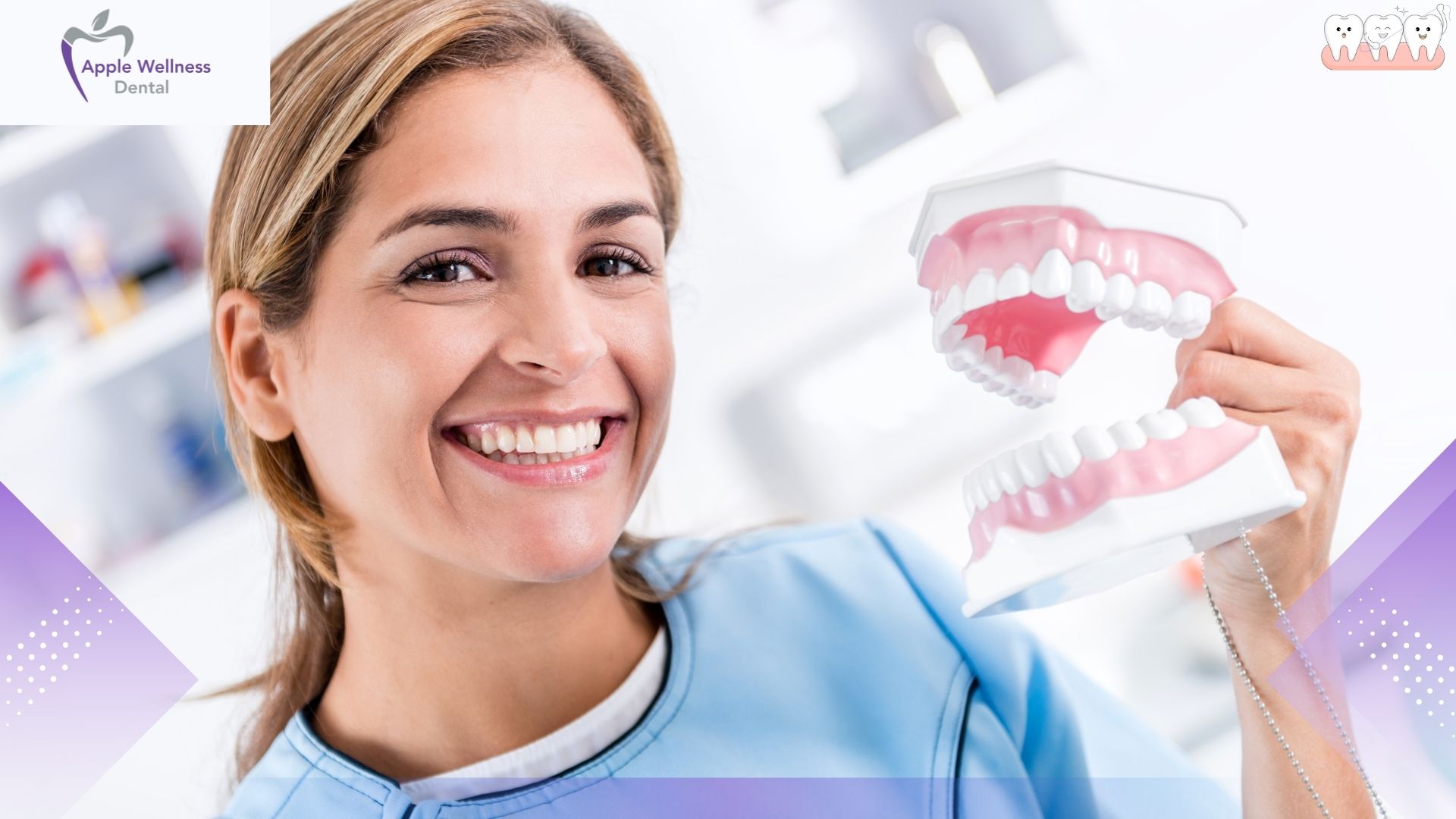
To fully grasp the composition of your prosthetic, we need to look at the base—the part that rests against your gums and supports the teeth. This component acts as the foundation for your new smile, and its material properties determine how the denture feels in your mouth.
Acrylic Resin (Polymethyl Methacrylate)
The most widely used material for denture bases is polymethyl methacrylate, often shortened to PMMA. This acrylic resin is a marvel of dental engineering. We use it because it is incredibly versatile. It starts as a liquid and powder mixture that, when cured under heat and pressure, becomes a solid, rigid plastic.
One of the significant advantages of acrylic is its customizability. We can dye the resin in various shades of pink to blend seamlessly with your natural gum tissue, making the denture virtually undetectable. Furthermore, acrylic is compatible with the moist environment of the mouth. It is non-toxic and, when properly polished, resists bacterial growth. If your gum line changes—which happens naturally as we age—acrylic allows us to add material to the inside surface, a process called relining, to maintain a snug fit.
Metal Alloys in Partial Dentures
If you have some healthy natural teeth remaining, a partial denture is often the best solution. While the visible parts are covered in pink acrylic, the internal structure is frequently made of metal.
-
Cobalt-Chrome: This alloy is exceptionally strong, allowing us to cast a very thin framework. A thinner palate means the denture feels less bulky, allowing you to speak more naturally and enjoy the texture of your food.
-
Titanium: Known for its use in aerospace and joint replacements, titanium is ultra-lightweight and hypoallergenic. It is an excellent choice if you have sensitivities to other metals.
Flexible Thermoplastics
For patients who find rigid acrylics uncomfortable or difficult to wear, flexible dentures offer a modern alternative. Made from nylon-based materials like Valplast, these bases are thinner and have a degree of give. They do not use metal clasps; instead, the pink material itself extends to snap around the necks of your existing teeth. This results in a highly aesthetic, metal-free appearance that moves slightly with your mouth as you chew.
The Aesthetics: What Are the Teeth Made Of?

While the base provides support, the artificial teeth do the heavy lifting. They must be tough enough to pulverize food yet attractive enough to pass for natural enamel.
Modern Acrylic Resin Teeth
Decades ago, acrylic teeth were prone to rapid wear. However, modern manufacturing has produced highly cross-linked acrylic resins that are incredibly durable. These teeth bond chemically to the acrylic base, creating a single, solid unit. This chemical bond is crucial because it prevents oral bacteria from seeping into microscopic gaps between the tooth and the base, which could otherwise lead to bad breath or infections.
Acrylic teeth are also lighter than porcelain, which reduces the stress on your supporting gums and jawbone. They are “quieter” when you chew, absorbing some of the shock of biting rather than transmitting it all to your jaw.
Porcelain Teeth
Porcelain was once the standard for high-end dentures because of its glass-like translucency and resistance to staining. While it looks beautiful, porcelain is brittle. It can chip if you accidentally drop your dentures in the sink. Additionally, porcelain is much harder than natural enamel. If you have natural teeth opposing a porcelain denture, the porcelain can aggressively wear down your natural tooth structure over time. For this reason, we typically reserve porcelain for full upper and lower denture sets where no natural teeth are present.
Biocompatibility and Oral Health
Choosing the right materials is not just about mechanics; it is about biology. Your mouth is a sensitive ecosystem. The materials we place in it must be biocompatible, meaning they should not cause irritation, allergic reactions, or toxicity.
Preventing Irritation and Stomatitis
Cheaper, non-medical grade plastics—often found in DIY kits—can be porous. Porous materials absorb moisture, bacteria, and fungal spores like a sponge. This can lead to denture stomatitis, a painful inflammation of the gums caused by fungal overgrowth. At Apple Wellness Dental, the high-impact acrylics we use are heat-cured under pressure to maximize density and minimize porosity. This makes them easier to clean and much healthier for your soft tissues.
Metal Sensitivities
A small percentage of the population has allergies to common metals like nickel or cobalt. If you have ever had a reaction to cheap jewelry, let us know. We can utilize hypoallergenic materials like titanium for your partial denture framework to prevent any allergic response.
The Risks of At-Home Solutions
In the age of online shopping, you may encounter advertisements for “mail-order” dentures or DIY repair kits. It is critical to understand that the materials used in these kits are vastly different from what you receive in a clinical setting.
DIY kits often use cold-cure acrylics or generic thermoplastic beads. These materials lack the structural integrity of heat-cured, pressure-molded laboratory resins. They are weaker, more brittle, and often contain residual monomers that can chemically burn the gums. Furthermore, without a professional impression, the fit will be poor. A poorly fitting denture creates pressure spots that can accelerate bone loss in your jaw.
Facial collapse—the shrinking of the jawbone—is a serious consequence of long-term tooth loss and ill-fitting appliances. By investing in professional care, you get materials designed to distribute chewing forces evenly, preserving your bone structure for as long as possible. If you are weighing your options for replacing teeth, our guide on dentures vs. dental implants offers a helpful comparison of different dental solutions.
Longevity and Care of Denture Materials
Understanding what are dentures made of in Airdrie also tells you how to take care of them. Different materials have different weaknesses.
-
Acrylic Care: While durable, acrylic is softer than natural enamel. You should never use regular toothpaste on your dentures, as the abrasives can scratch the surface. These micro-scratches destroy the polished finish, making the denture look dull and allowing stains to accumulate. Instead, use a specified denture cleaner.
-
Heat Sensitivity: Acrylic is a thermoplastic. This means it can warp if exposed to high heat. Never soak your dentures in boiling water, as this can permanently distort the fit, requiring a replacement.
-
Metal Care: Metal frameworks are robust but can be bent. When cleaning a partial denture, hold it carefully to avoid squeezing the clasps or framework, which could alter how it clips onto your teeth.
Accidents happen, and even the strongest materials can fail if dropped on a tile floor. If you damage your prosthetic, read about our emergency dental treatment to understand your repair options.
The Local Advantage: Why Quality Matters
You might wonder if the location matters when asking what are dentures made of in Airdrie. The answer lies in the quality control and accessibility of care. By utilizing local, reputable dental laboratories, we verify that every ounce of material going into your mouth meets stringent Canadian health standards.
Imported discount dentures may use materials that are not approved for long-term intraoral use. By choosing a local provider, you also gain the benefit of precision adjustments. Acrylic and metal frameworks often require fine-tuning to get the bite exactly right. Being able to visit us for these small adjustments ensures your comfort is prioritized.
Innovation in Prosthodontics
The field is shifting toward digital dentistry. We are seeing the rise of milled dentures, where the base is carved from a solid, pre-cured puck of acrylic rather than molded from a liquid. This results in a denser, stronger base with zero shrinkage, offering a fit that was previously impossible to achieve.
We also frequently combine dentures with dental implants. Using titanium posts surgically placed in the jaw, we can snap the denture securely in place. This allows us to remove the palate from an upper denture, replacing the acrylic covering the roof of your mouth with a sleek, horseshoe-shaped design. This dramatically improves your ability to taste food and feel temperature.
For those considering this upgrade, our article on what are common restorative dentistry options in Airdrie breaks down the functional differences and how these materials work together.
When to Replace Your Dentures
Even the best materials have a lifespan. Acrylic teeth will eventually flatten, making chewing less efficient. The acrylic base may discolor or become brittle after years of service. Typically, a set of dentures should be evaluated for replacement every 5 to 7 years. This is not just because the material wears out, but because your mouth changes. As your jawbone remodels, the gap between the hard acrylic and your soft gums widens, leading to instability.
Ready to Explore Your Options?
At Apple Wellness Dental, we are dedicated to providing high-quality, custom-fitted dentures that look and feel natural. Whether you need a new set or a checkup on your current appliance, our team is here to help you every step of the way. Visit us at 229 1st Street SW, Airdrie, AB, or call us at +1 587 332 6767 to book your consultation today.
Contact Apple Wellness Dental Today
Let’s create a smile that works for you!
Common Questions About What Dentures Are Made Of
Q: Are dentures made from real human teeth?
A: No, modern dentures do not use human or animal teeth. They are fabricated from synthetic materials, primarily medical-grade acrylic resin or porcelain, which are engineered to look natural and function durably without the risk of biological decay.
Q: Which material is best for a full denture?
A: For most patients, a heat-cured acrylic resin base with cross-linked acrylic teeth is the best choice. This combination offers a balance of durability, aesthetics, and the ability to be relined or repaired if needed.
Q: Can I get dentures that don’t cover the roof of my mouth?
A: Yes, but this typically requires a different structural approach. Implant-supported dentures can often be made “palate-less” because the implants provide the retention that the suction from the palate usually provides.
Q: Why do some dentures have metal hooks?
A: Those “hooks” are clasps, which are part of a cast metal partial denture. They are usually made of cobalt-chrome and are designed to grip your remaining natural teeth to hold the denture securely in place while you eat and speak.
Q: Is the pink plastic used in dentures safe?
A: Yes. The polymethyl methacrylate (PMMA) used in professional dentistry is thoroughly tested for biocompatibility. Once the material is cured and polished, it is safe for long-term contact with your gums and mucous membranes.
Q: How can I tell if my dentures are made of porcelain or plastic?
A: Porcelain teeth often make a distinct clicking sound when they contact each other and feel very dense. Acrylic teeth feel slightly softer and are lighter. Your dentist can easily identify the material during an exam.
Q: Do flexible dentures last as long as acrylic ones?
A: Flexible nylon dentures are durable but can be more prone to staining and surface roughness over time compared to high-polished acrylic. They are also more difficult to repair or add teeth to if your needs change.
Q: Can I be allergic to my dentures?
A: While rare, allergies to the monomer in acrylic or the nickel in metal alloys can occur. If you notice redness, burning, or swelling, consult your dentist immediately. We can use alternative, hypoallergenic materials to solve the issue.
Conclusion
Understanding what are dentures made of in Airdrie empowers you to make better decisions for your health. From the customizability of acrylic resin to the strength of titanium and the comfort of flexible nylon, modern prosthodontics offers a solution for every mouth. By choosing professional, high-quality materials, you invest in a smile that is not only beautiful but also safe, functional, and built to last. We invite you to prioritize your oral health and discover the difference that quality craftsmanship can make in your daily life.