
When Can I Use Mouthwash After Tooth Extraction
Timing That Protects Your Healing Socket
After a tooth extraction, you want your mouth to feel clean — and that instinct often leads you to reach for mouthwash. But can you do that right away? The safe timeline is to avoid all commercial mouthwash for at least 24 to 48 hours, and often longer for surgical or wisdom tooth extractions. Rinsing too soon can dislodge the protective blood clot and lead to dry socket, a painful complication that delays healing and requires professional care.
This guide gives you a clear timeline for when you can start rinsing, what types of mouthwash are safe, why timing matters more than you think, and how to keep your mouth clean without risking the socket. We also explain the difference between salt water rinses, chlorhexidine rinses, and alcohol-based mouthwashes — and why your dentist’s specific instructions always override general advice. Our FAQ section answers the most common questions patients ask about rinsing after extraction. If your healing is not progressing as expected, professional evaluation is the safest next step.
Key Takeaways
- Avoid all commercial mouthwash for at least 24 to 48 hours after tooth extraction to protect the blood clot.
- After 24 hours, begin gentle warm salt water rinses (½ teaspoon salt in 8 oz warm water), 2 to 3 times daily, especially after meals.
- Alcohol-based mouthwashes should be avoided for at least two weeks due to their irritation and drying effects on healing tissue.
- Chlorhexidine mouthwash (if prescribed) can typically be started 24 hours after extraction and used for up to 2 weeks.
- Do not swish vigorously or spit forcefully — let rinses fall out of your mouth naturally to avoid disturbing the clot.
- Once your dentist confirms healing is sufficient, you can gradually reintroduce gentle, alcohol-free mouthwash.
Overview
This article covers exactly when you can use mouthwash after tooth extraction, what types are safe at each stage of healing, and why skipping mouthwash early on protects your socket. We break down the first 24 hours, days 2 to 7, and the full recovery timeline. You will also find clear guidance on salt water rinses, chlorhexidine rinses, alcohol-free options, and common mistakes that can slow healing. Our FAQ section answers the questions patients ask most frequently. If you are unsure whether rinsing is safe for your specific case, professional guidance from your dental team is the most reliable path forward.
Why Timing Matters More Than Product Choice
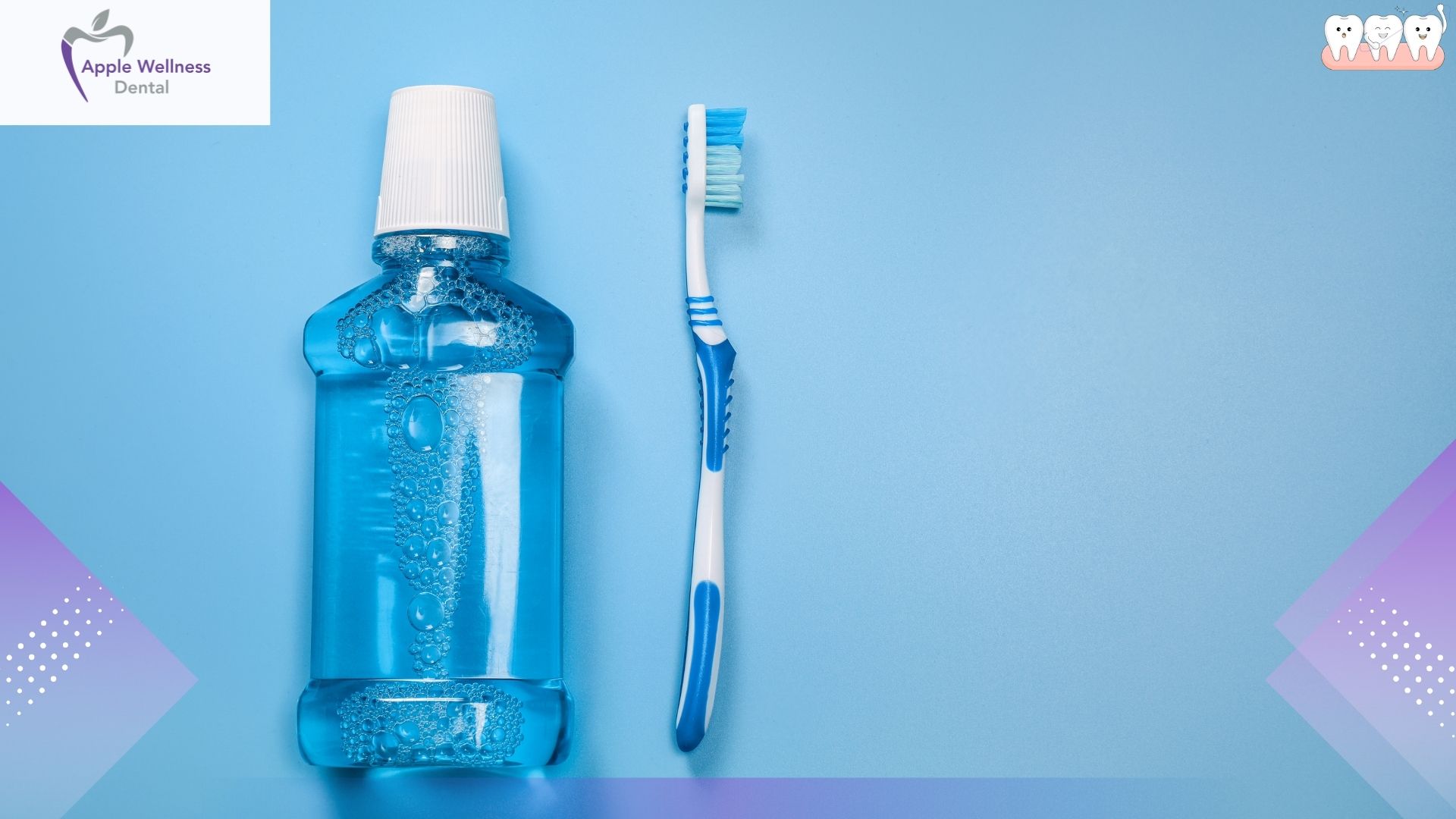
The first 24 hours after a tooth extraction are the most critical for blood clot formation and stability. Within minutes of the procedure, a blood clot forms in the socket, covering exposed bone and nerve endings, sealing the wound against bacteria, and providing the foundation for new tissue growth. This clot is the single most important element of early healing. Everything about your oral care in the first day comes down to protecting it.
Rinsing — even gently — creates fluid movement and pressure in the mouth that can dislodge the clot before it has time to stabilize. Commercial mouthwash adds another layer of risk because many formulas contain alcohol, which can irritate the wound and cause burning, or harsh chemicals that may dissolve the clot. This is why the universal recommendation is to avoid all rinsing, spitting, and mouthwash for the first 24 hours after extraction. Let the clot form undisturbed.
After the first day, the clot has had time to firm up and begin converting to granulation tissue — the first stage of actual wound repair. This is when gentle rinsing becomes safe, but only with the right type of rinse and the right technique. Understanding complete aftercare after a dental extraction helps you see why timing is more important than the product you choose. A gentle salt water rinse at the right time is more helpful than a strong mouthwash at the wrong time.
When Can I Use Mouthwash After Tooth Extraction: The Full Timeline
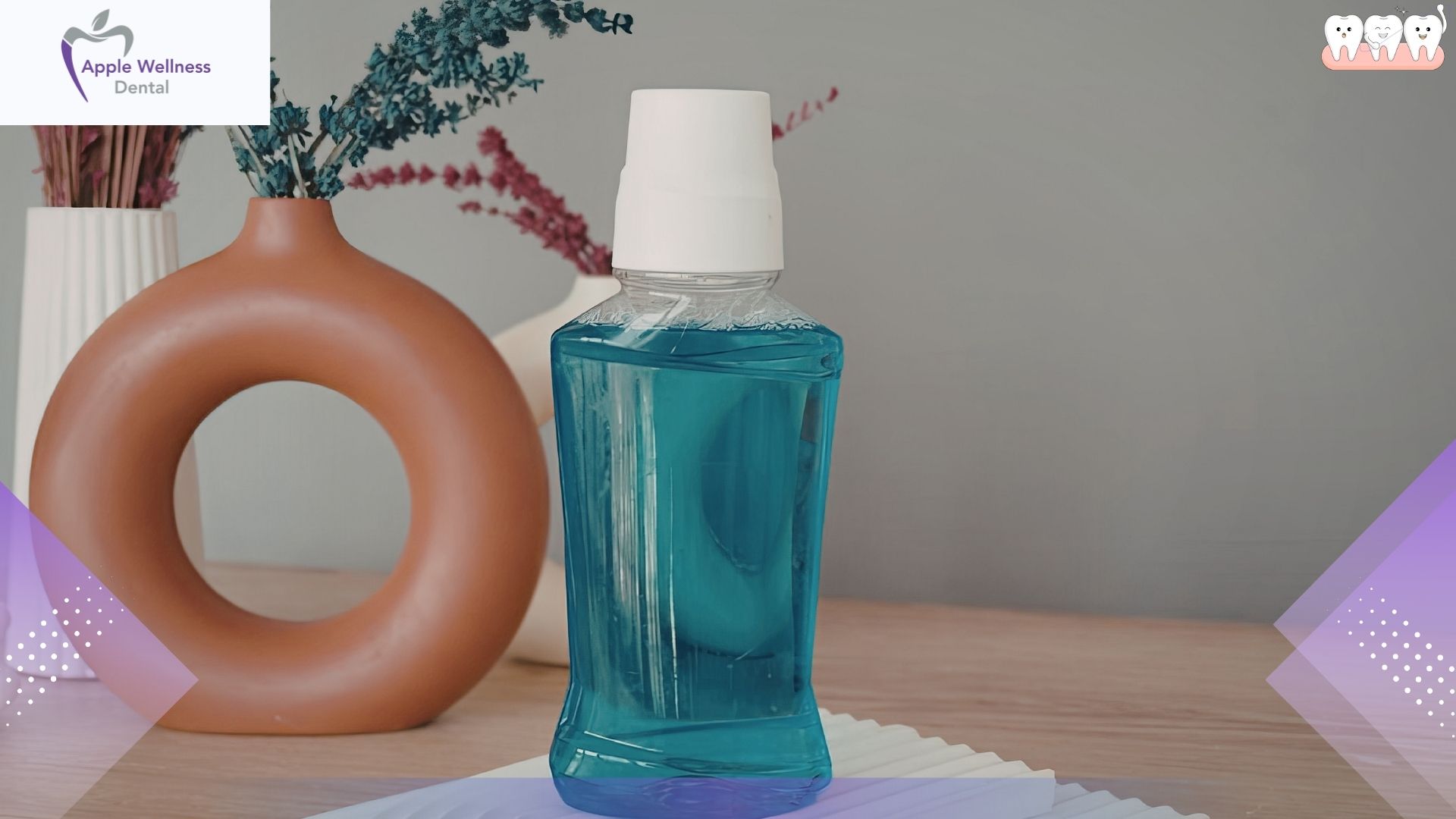
Healing after extraction is staged, and your rinsing routine should match each stage. The timeline below reflects general clinical consensus, but your own dentist’s specific instructions always take precedence over any general guideline.
First 24 Hours: No Rinsing, No Mouthwash
On the day of your extraction, avoid all rinsing, spitting, and mouthwash completely. Even gentle swishing can disrupt the blood clot and cause bleeding to restart. Keep your mouth as calm as possible during this phase. If you feel you need to clear your mouth, let water or saliva fall out naturally without spitting. Do not use mouthwash of any kind — alcohol-based, alcohol-free, chlorhexidine, or otherwise — during this window.
This restriction is not optional. The clot is at its most fragile in the first 24 hours, and dislodging it can trigger dry socket, which is significantly more painful than normal post-extraction soreness and requires professional treatment. Stick to this rule even if your mouth feels uncomfortable or you worry about bacteria. The clot itself is your best defense against infection during this window.
Day 2 Onward: Start With Salt Water Rinses
After 24 hours, most dental professionals give the green light for gentle salt water rinses. Mix ½ teaspoon of salt in 8 ounces of warm water and hold the solution in your mouth for 15 to 30 seconds, then let it fall out of your mouth naturally. Do not swish vigorously. Do not spit forcefully. Repeat this rinse 2 to 3 times per day, especially after meals, to wash away food particles and reduce bacteria without disturbing the clot. Continue salt water rinses for several days or until your dentist advises a change.
Salt water is the safest option for early post-extraction rinsing because it is gentle, non-irritating, and supports natural healing. Research confirms that warm saline rinses starting 24 hours after extraction significantly reduce the risk of dry socket compared to no rinsing at all. Salt water is also widely available, inexpensive, and safe to use if you accidentally swallow a small amount. Our guide on when to start salt water rinsing provides additional detail on technique and frequency.
Days 3 to 7: Chlorhexidine If Prescribed
If your dentist prescribes chlorhexidine gluconate mouthwash, you can typically start using it 24 hours after extraction and continue for up to 2 weeks. Chlorhexidine is an antiseptic rinse that helps control bacteria and reduce infection risk during the healing period. Use 15 mL undiluted, rinse for 30 seconds twice daily, and do not eat or drink for 30 minutes after rinsing. Chlorhexidine is stronger than salt water and should only be used when your dentist specifically recommends it.
Chlorhexidine can cause temporary tooth staining with prolonged use and may alter taste perception — which is why it is prescribed for short-term use only. It is most valuable for patients at higher risk of infection or complications, such as those with surgical extractions, a history of dry socket, or a compromised immune system. If you have not been prescribed chlorhexidine, do not purchase it independently — speak with your dental team first.
After 48 Hours to 2 Weeks: Still Avoid Alcohol-Based Mouthwash
Even after 48 hours, most dentists recommend avoiding alcohol-based mouthwashes for at least two weeks. Alcohol causes a burning sensation that irritates healing tissue and can dry out the socket — both of which slow the healing process. When you are ready to reintroduce mouthwash, start with a gentle, alcohol-free, antibacterial formula. Hold a small amount in your mouth for 30 seconds, let it fall out naturally, and avoid vigorous swishing. Your dentist may suggest a specific type based on your healing progress.
Alcohol-free mouthwash is less irritating and safer for the healing socket, but it still creates fluid movement in the mouth. Wait until your dentist confirms that the socket has healed enough to handle regular rinsing. For simple extractions, this is often after the first week. For surgical or wisdom tooth extractions, it may take longer. Our article on mouthwash use after tooth extraction gives you additional guidance on product selection and timing.
What Types of Mouthwash Are Safe After Extraction
Not all mouthwashes behave the same way. The type you choose during recovery matters significantly, and using the wrong one can cause real setbacks.
Salt Water Rinses
Salt water is the safest and most recommended rinse during early recovery. It is gentle, non-irritating, and supports the natural healing process. Salt water rinses reduce bacteria, help remove food particles, and create a favorable environment for tissue repair. The only limitation is that they lack the antibacterial strength of medicated rinses, but for most patients with uncomplicated extractions, they are sufficient during the first week.
Chlorhexidine Mouthwash
Chlorhexidine is a prescription antiseptic rinse that is more effective at controlling bacteria than salt water or over-the-counter mouthwashes. It is typically prescribed for patients at higher risk of infection or complications. Use only as directed by your dentist, and do not exceed the recommended duration of use. Chlorhexidine is the most effective rinse for infection prevention during recovery, but it is not necessary for every patient.
Alcohol-Free Mouthwash
Once your dentist confirms healing is sufficient, alcohol-free mouthwash is the safest commercial option to reintroduce. These rinses are less irritating and less likely to dry out healing tissue. Look for antibacterial or fluoride formulas that support overall oral health. Do not start using alcohol-free mouthwash until your dentist gives the go-ahead — typically after the first week for simple extractions and later for surgical ones.
Avoid Alcohol-Based Mouthwash
Alcohol-based mouthwashes should be avoided for at least two weeks after extraction because they cause burning, irritation, and dryness around sensitive gum tissue. The alcohol can also dissolve the blood clot if used too early. Even after healing, alcohol-based mouthwashes are not necessary for most patients. Stick to alcohol-free options or salt water rinses during recovery and consult your dentist before switching to a stronger product.
Common Mistakes That Slow Healing
Many patients unknowingly make mistakes that delay healing or increase their risk of complications. The most common errors involve rinsing too soon, rinsing too aggressively, or using the wrong type of rinse at the wrong time.
Rinsing on Day 1
Rinsing on the day of extraction is one of the most reliable ways to dislodge the blood clot and cause dry socket. Even thinking you are being gentle does not eliminate the risk. The clot is simply too fragile in the first 24 hours to survive any fluid movement in the mouth. Wait until day 2 before starting any rinsing, even with plain salt water. This single rule prevents a surprising number of post-extraction complications.
Spitting Forcefully
Spitting creates suction in the mouth that can pull the clot out of the socket just as effectively as vigorous swishing. After rinsing, let the liquid fall out of your mouth naturally into the sink. Do not spit with force. This habit is harder to break than most people expect, but it is a critical part of protecting the healing socket throughout the first week of recovery.
Using Regular Mouthwash Too Early
Some patients assume that alcohol-free mouthwash is safe to use sooner than alcohol-based rinse — but even alcohol-free formulas create fluid movement that can disturb the clot. Wait until your dentist confirms the socket is healed enough for regular rinsing. Your dentist’s assessment of your specific healing progress is more accurate than any general timeline published online.
Brushing and Flossing Alongside Rinsing
Good oral hygiene during recovery involves more than rinsing alone. You still need to brush your teeth to remove plaque and prevent bacterial buildup around the healing socket. Brush gently twice a day with a soft toothbrush, avoiding the extraction site directly for the first few days. After 24 hours, you can carefully brush around the socket without touching the clot. Floss normally on the opposite side of your mouth, but avoid the extraction area until your dentist confirms it is safe.
For more detailed guidance on brushing after extraction, our article on when to brush after tooth extraction covers the full timeline and technique. Proper brushing and flossing, combined with the right rinsing schedule, gives you the best chance of a smooth, complication-free recovery. The combination of these habits — not just one in isolation — is what produces the best healing outcomes.
How Eating and Drinking Affect Your Rinsing Routine
What you eat and drink after an extraction has a direct effect on how much rinsing your socket needs. Foods that leave residue near the extraction site — rice, seeds, crumbly crackers — make post-meal salt water rinses more important. Drinks like soda, alcohol, and hot beverages each carry their own recovery risks that go beyond rinsing. Keeping your diet simple during the first few days reduces the amount of debris that gets near the socket and makes rinsing less of a high-stakes process.
Our full guide on what to eat after a tooth extraction gives you a practical framework for both food and beverage choices across the healing timeline. The right diet and the right rinsing schedule work together — one supports the other. Patients who manage both consistently tend to heal faster and with fewer complications than those who focus on just one aspect of aftercare.
Your Recovery Deserves Professional Support
Post-extraction care is not one-size-fits-all. Your healing timeline depends on the complexity of the extraction, your overall health, and how consistently you follow aftercare instructions. At Apple Wellness Dental, every extraction patient receives clear, specific post-operative guidance and has direct access to our team for questions during recovery. We’re located at 229 1st Street SW, Airdrie, AB, and you can reach us at +1 587 332 6767. If you are unsure whether rinsing is safe for your situation, if you are experiencing symptoms that concern you, or if you simply want to confirm that your healing is on track before changing your routine, our team is ready to help. Professional guidance at the right moment can prevent a complication that would otherwise require additional treatment and a longer recovery.
Common Questions About When Can I Use Mouthwash After Tooth Extraction
Q: How long after tooth extraction can I use mouthwash?
A: Most dentists recommend avoiding all commercial mouthwash for at least 24 to 48 hours after tooth extraction. After 24 hours, you can begin gentle warm salt water rinses. If your dentist prescribes chlorhexidine mouthwash, it can typically be started at the 24-hour mark. Alcohol-based mouthwashes should be avoided for at least two weeks. Once your dentist confirms healing is sufficient, you can gradually reintroduce a gentle, alcohol-free mouthwash.
Q: Can I use mouthwash on the day of my tooth extraction?
A: No. On the day of extraction, avoid all rinsing, spitting, and mouthwash completely. Rinsing too soon can dislodge the blood clot and cause dry socket — a painful condition that requires professional treatment. Wait at least 24 hours before starting any type of rinse, including salt water. The clot needs this full window to form and stabilize without disturbance.
Q: What is the best mouthwash to use after tooth extraction?
A: The safest rinse for early recovery is warm salt water — ½ teaspoon of salt in 8 oz of warm water — used 2 to 3 times per day starting 24 hours after extraction. If your dentist prescribes chlorhexidine, that is the most effective medicated rinse for infection control. After healing is sufficient, a gentle, alcohol-free mouthwash is the safest commercial option. Avoid alcohol-based mouthwashes for at least two weeks.
Q: Can salt water rinse cause dry socket?
A: Salt water rinses do not cause dry socket when used correctly. The risk comes from rinsing before 24 hours have passed or from rinsing too vigorously. Start salt water rinses 24 hours after extraction, hold the solution gently in your mouth for 15 to 30 seconds, and let it fall out naturally without spitting. Research confirms that warm saline rinses significantly reduce the risk of dry socket compared to no rinsing at all.
Q: How do I use chlorhexidine mouthwash after tooth extraction?
A: If prescribed, use 15 mL of undiluted chlorhexidine and rinse for 30 seconds twice daily, starting 24 hours after extraction. Do not eat or drink for 30 minutes after rinsing. Use for up to 2 weeks total or as directed by your dentist. Chlorhexidine can cause temporary tooth staining and altered taste with prolonged use, which is why it is recommended for short-term use only. Always follow your dentist’s instructions precisely.
Q: Can I spit after rinsing with mouthwash after extraction?
A: No. Do not spit forcefully after rinsing during the recovery period. Forceful spitting creates suction that can pull the blood clot out of the socket. After rinsing, let the liquid fall out of your mouth naturally into the sink. This applies to salt water, chlorhexidine, and all other rinses throughout the healing window. Protecting the clot always takes priority.
Q: Why does my dentist say to avoid alcohol-based mouthwash?
A: Alcohol-based mouthwashes cause burning and irritation around healing tissue, can dry out the socket, and may dissolve the blood clot if used too early. They are more likely to slow healing than support it. Wait at least two weeks before considering an alcohol-based product, and only reintroduce it after your dentist confirms that healing is sufficient. Alcohol-free options are safer and equally effective for most patients.
Q: Can I use mouthwash after wisdom tooth extraction?
A: The same general timeline applies, but wisdom tooth extraction recovery typically requires a longer wait before regular mouthwash due to the larger socket and more complex surgical nature of the procedure. Avoid all mouthwash for the first 24 to 48 hours, begin salt water rinses after 24 hours, and wait longer before reintroducing commercial mouthwash products. Always follow your oral surgeon’s or dentist’s specific post-operative instructions for your case.
Q: When exactly can I start using mouthwash after extraction?
A: You can start using gentle salt water rinses 24 hours after tooth extraction. Chlorhexidine (if prescribed) can also begin at 24 hours. Commercial mouthwash — even alcohol-free varieties — should be delayed until your dentist confirms the socket has healed sufficiently, typically after the first week for simple extractions and later for surgical or wisdom tooth cases. Your dentist’s assessment of your specific healing progress is the most reliable guide.
Q: What happens if I use mouthwash too soon after extraction?
A: Using mouthwash too soon can dislodge the blood clot and cause dry socket — a condition where the underlying bone and nerve endings become exposed to air, bacteria, and debris. Dry socket pain is significantly more severe than normal post-extraction soreness and typically requires professional treatment with medicated socket dressing. The risk of clot disruption is highest in the first 24 hours, which is why avoiding all rinsing during that window is so important.
Conclusion
Knowing when you can use mouthwash after tooth extraction is one of the most important parts of a smooth recovery. Avoid all commercial mouthwash for at least 24 to 48 hours, start gentle salt water rinses after 24 hours, and wait until your dentist confirms healing before reintroducing regular mouthwash. Rinsing too soon — or with the wrong product — can cause dry socket, delay healing, and require additional professional treatment. Patience and proper technique are your most effective recovery tools.
If you have questions about your recovery at any stage, the team at Apple Wellness Dental in Airdrie is ready to help you get clear, professional answers and get your healing back on track.