
What Are Dentist Fillings and How Do They Work? Everything You Should Know
When tooth decay strikes, dental fillings become your first line of defense against further damage and pain. These restorative treatments have helped millions of people preserve their natural teeth while maintaining proper oral function and aesthetics.
Key Takeaways
- Dental fillings restore damaged teeth by removing decay and filling the cavity with biocompatible materials
- Multiple filling materials available including composite resin, amalgam, gold, and ceramic options
- Early treatment prevents complications such as root canal therapy or tooth extraction
- Proper aftercare extends filling lifespan with regular dental checkups and good oral hygiene
- Professional evaluation determines the best filling material for your specific situation
- Modern techniques minimize discomfort making the procedure comfortable for most patients
Overview
Dental fillings represent one of the most common and effective treatments in modern dentistry. This comprehensive guide explores what dentist fillings are, how different materials work, and what you can expect during treatment. We’ll examine the various types available, discuss the filling process step-by-step, and address common concerns about pain, durability, and aftercare. Our frequently asked questions section covers everything from cost considerations to maintenance tips, while explaining how Apple Wellness Dental provides expert filling services to restore your oral health and confidence.
Understanding What Dentist Fillings Are
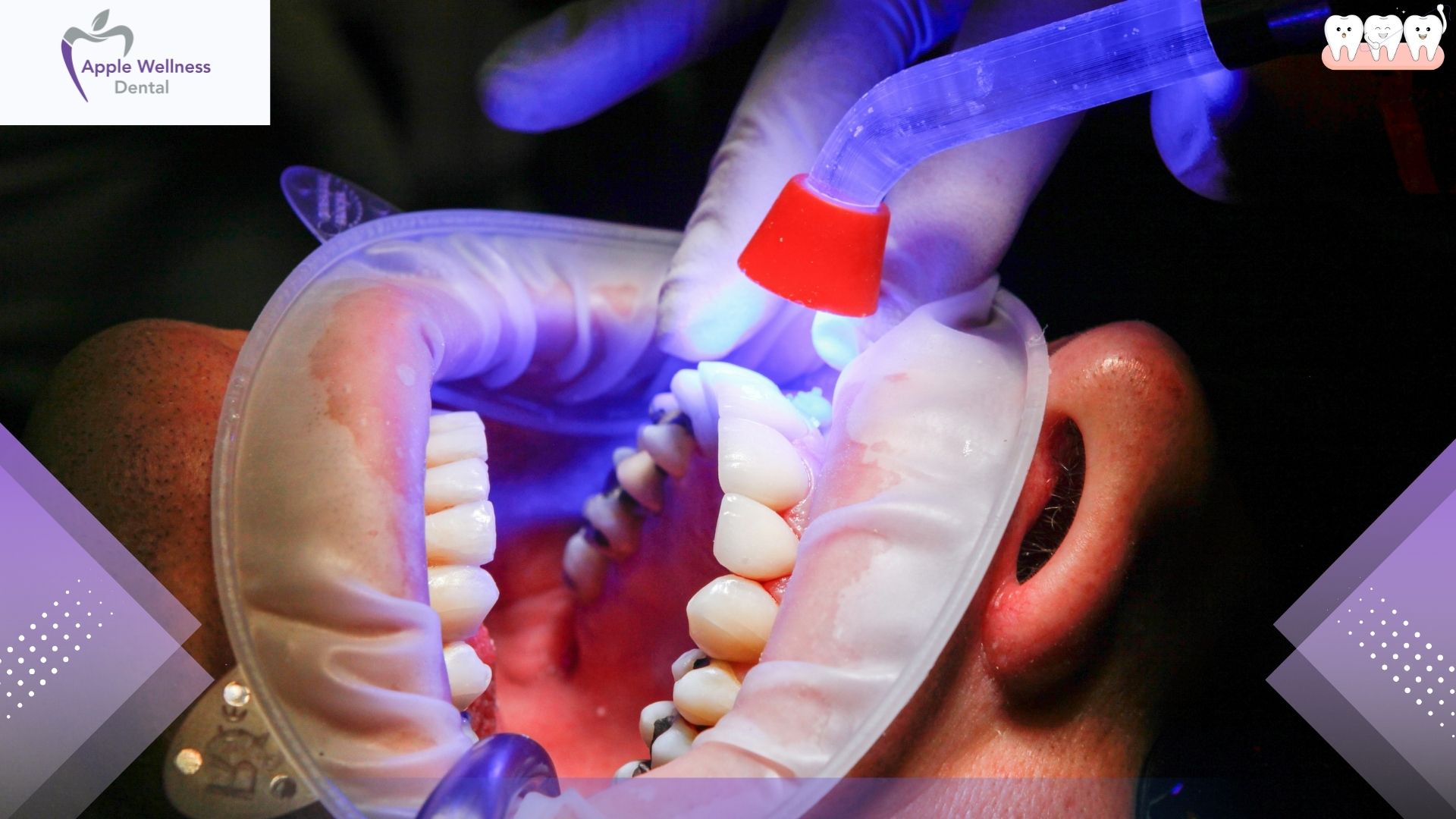
Dentist fillings are restorative materials used to repair teeth damaged by decay, cracks, or wear. When bacteria produce acids that create holes in your tooth enamel, fillings restore the tooth’s structure and prevent further deterioration. The procedure involves removing the decayed portion and filling the resulting cavity with a biocompatible material.
The primary purpose of dental fillings goes beyond simply plugging holes in teeth. They restore proper chewing function, prevent bacterial infiltration, and maintain the tooth’s structural integrity. Without treatment, small cavities can progress to infections requiring more extensive procedures like root canal therapy.
Modern dentistry offers several filling materials, each with distinct advantages. Your dentist considers factors such as cavity location, size, aesthetic preferences, and budget when recommending the most appropriate option. The goal remains consistent: preserving your natural tooth while restoring full function and appearance.
Types of Dental Filling Materials
Composite Resin Fillings
Composite resin fillings, also called tooth-colored or white fillings, blend seamlessly with natural tooth enamel. These materials consist of plastic resins mixed with fine glass particles, creating a strong yet aesthetically pleasing restoration. The dentist applies composite resin in layers, using a special light to harden each layer.
The primary advantage of composite fillings lies in their natural appearance. They’re particularly popular for front teeth and visible areas where aesthetics matter most. Modern composite materials have improved significantly in durability, making them suitable for most cavity sizes. However, they may require replacement sooner than other materials in areas subjected to heavy chewing forces.
Amalgam Fillings
Amalgam fillings, commonly known as silver fillings, have served dentistry for over 150 years. These fillings combine mercury with silver, tin, copper, and other metals to create an extremely durable restoration. Despite concerns about mercury content, major dental organizations worldwide affirm their safety for most patients.
The strength and longevity of amalgam fillings make them excellent choices for posterior teeth that endure significant chewing pressure. They resist wear exceptionally well and typically last 10-15 years or longer with proper care. However, their metallic appearance makes them less desirable for visible teeth, and some patients prefer mercury-free alternatives.
Gold Fillings
Gold fillings represent the premium option in restorative dentistry, offering unmatched durability and biocompatibility. Pure gold doesn’t corrode or wear down like other materials, making these fillings potentially last 20 years or more. The malleable nature of gold allows for precise fitting, reducing the risk of secondary decay.
While gold fillings provide superior longevity, their high cost and conspicuous appearance limit their popularity. They require multiple appointments for fabrication and placement, adding to the overall treatment time and expense. However, for patients prioritizing durability over aesthetics, gold fillings remain an excellent investment.
Ceramic Fillings
Ceramic fillings, often made from porcelain, combine durability with exceptional aesthetics. These tooth-colored restorations resist staining better than composite materials while providing excellent strength for most cavity sizes. Ceramic fillings can be precisely color-matched to surrounding teeth, making them virtually invisible.
The main drawbacks of ceramic fillings include their higher cost and the need for multiple appointments in some cases. They may also be more brittle than other materials, requiring careful handling during placement. However, their biocompatibility and aesthetic appeal make them increasingly popular among patients seeking natural-looking restorations.
The Dental Filling Procedure Process

Initial Examination and Diagnosis
The filling process begins with a comprehensive examination of your teeth and gums. Your dentist uses visual inspection, dental probes, and often digital X-rays to assess the extent of decay and determine the most appropriate treatment approach. This evaluation helps identify any complications that might affect the procedure.
During diagnosis, your dentist explains the treatment options available and discusses which filling material best suits your specific situation. Factors such as cavity location, your bite pattern, aesthetic preferences, and budget all influence this decision. This consultation allows you to ask questions and understand what to expect during treatment.
Anesthesia and Preparation
Most filling procedures begin with local anesthesia to numb the treatment area and surrounding tissues. Your dentist carefully administers the anesthetic, allowing several minutes for it to take full effect. Modern anesthetic techniques make the procedure comfortable, with most patients experiencing minimal discomfort.
Once the area is numb, your dentist prepares the tooth by removing all decayed tissue using specialized instruments. This step requires precision to eliminate all bacteria-infected material while preserving as much healthy tooth structure as possible. The cavity is then cleaned and shaped to receive the filling material.
Filling Placement and Finishing
The placement technique varies depending on the chosen filling material. For composite fillings, your dentist applies the material in layers, using a special light to cure each layer. This process ensures proper bonding and optimal strength. Amalgam fillings are mixed and placed in a single application, then carved to restore proper tooth shape.
After placement, your dentist carefully shapes and polishes the filling to match your natural bite. This finishing process requires attention to detail to prevent high spots that could cause discomfort or premature wear. The final step involves checking your bite and making any necessary adjustments for optimal comfort and function.
How Long Do Dental Fillings Last

The lifespan of dental fillings varies significantly based on material type, location, size, and individual factors such as oral hygiene and eating habits. Understanding these variables helps you make informed decisions about filling materials and maintenance strategies.
Composite resin fillings typically last 5-10 years, though improvements in materials and techniques are extending this timeframe. Their durability depends heavily on cavity size and location, with smaller fillings in low-stress areas lasting longer than large restorations in molars subjected to heavy chewing forces.
Amalgam fillings demonstrate exceptional longevity, often lasting 10-15 years or more with proper care. Their resistance to wear and fracture makes them particularly suitable for posterior teeth where chewing forces are greatest. However, expansion and contraction over time may eventually lead to tooth fractures in some cases.
How long dental crowns last shares similar principles with filling longevity, as both depend on material quality, placement technique, and patient care. Regular dental checkups allow early detection of filling problems before they require more extensive treatment.
Signs You Need a Dental Filling
Recognizing the early signs of tooth decay helps you seek treatment before minor problems become major complications. Tooth sensitivity to hot, cold, or sweet substances often indicates enamel damage that may require filling treatment. This sensitivity typically worsens over time as decay progresses deeper into the tooth.
Visible holes or dark spots on teeth clearly indicate the need for professional evaluation and likely filling treatment. However, decay isn’t always visible to the naked eye, particularly between teeth or in hard-to-see areas. Regular dental examinations with digital X-rays help detect hidden decay before it causes pain or complications.
Sharp or throbbing tooth pain, especially when biting down, suggests significant decay that requires immediate attention. Waiting too long to address these symptoms may result in the need for more extensive treatments such as root canal therapy or tooth extraction.
Food getting stuck in the same spot repeatedly may indicate a cavity or failed filling that needs replacement. Bad taste or odor from a specific tooth area can signal bacterial infection that requires prompt professional treatment to prevent further complications.
Caring for Your Dental Fillings
Proper aftercare extends filling lifespan and prevents complications that could require replacement or additional treatment. Immediately following placement, avoid eating or drinking until the anesthesia wears off completely to prevent accidental injury to your tongue or cheek.
For the first 24-48 hours, stick to soft foods and avoid extremely hot or cold items that might cause sensitivity. Proper brushing technique and regular flossing help maintain the filling and surrounding tooth structure by removing bacteria and food particles that could cause secondary decay.
Avoid habits that could damage fillings, such as chewing ice, hard candy, or non-food items. These behaviors can crack or dislodge restorations, requiring emergency dental treatment. If you grind your teeth at night, discuss protective options with your dentist to prevent premature filling failure.
Regular dental checkups allow professional monitoring of filling condition and early detection of problems. Professional cleanings remove plaque and tartar buildup that could compromise filling margins, while examinations identify wear patterns or developing issues before they become serious.
Potential Complications and Solutions
While dental fillings are generally safe and effective, understanding potential complications helps you recognize when professional attention is needed. Filling sensitivity is common immediately after placement but should gradually decrease over several days to weeks.
Persistent sensitivity or pain may indicate several issues, including high filling placement that interferes with your bite, incomplete decay removal, or pulp irritation. These problems typically require professional evaluation and possible filling adjustment or replacement.
Filling failure can occur through wear, fracture, or loss of bond to the tooth structure. Signs include visible cracks, loose pieces, or recurring sensitivity in previously treated teeth. Prompt attention prevents bacteria from entering the cavity and causing secondary decay or infection.
Tooth infection treatment may become necessary if bacteria penetrate beneath a failing filling, highlighting the importance of regular dental monitoring and prompt attention to any concerning symptoms.
For professional evaluation and treatment of dental fillings, Apple Wellness Dental at Unit 1, 229 1st St SW, Airdrie, AB, T4B 3L8 provides comprehensive restorative dentistry services. Our experienced team uses the latest materials and techniques to restore your teeth effectively and comfortably. Contact us at +1 587 332 6767 to schedule your consultation and learn how we can help maintain your oral health with quality dental fillings tailored to your needs.
Common Questions About Dental Fillings
Q: How much do dental fillings cost in Canada?
A: Dental filling costs vary based on material type, cavity size, and location. Composite fillings typically range from $150-$400, while amalgam fillings cost $120-$300. Ceramic and gold fillings are more expensive, ranging from $300-$1,500. Many dental insurance plans cover a portion of filling costs, making treatment more affordable.
Q: Do dental fillings hurt during placement?
A: Modern dental techniques make filling placement comfortable for most patients. Local anesthesia effectively numbs the treatment area, preventing pain during the procedure. Some patients experience mild sensitivity for a few days after treatment, which typically resolves on its own with over-the-counter pain relievers if needed.
Q: Can I eat immediately after getting a filling?
A: Wait until the anesthesia wears off completely before eating to prevent accidental injury. For composite fillings, you can eat soft foods shortly after treatment. Amalgam fillings may require waiting several hours to fully set. Avoid hard, sticky, or extremely hot foods for the first 24-48 hours.
Q: How do I know if my filling needs replacement?
A: Signs of failing fillings include sensitivity to temperature or pressure, visible cracks or chips, food getting stuck in the same area, or a rough feeling when running your tongue over the filling. Regular dental checkups help detect filling problems early, before they cause pain or require extensive treatment.
Q: Are white fillings better than silver ones?
A: Both filling types have advantages. White composite fillings offer superior aesthetics and bond directly to tooth structure, requiring less tooth removal. Silver amalgam fillings provide exceptional durability and longevity, especially for posterior teeth. Your dentist can recommend the best option based on cavity location, size, and your preferences.
Q: Can dental fillings fall out?
A: Fillings can occasionally become loose or fall out due to normal wear, new decay around the filling edges, or trauma. If a filling falls out, contact your dentist promptly to prevent bacterial infection and further tooth damage. Avoid chewing on the affected side until professional treatment.
Q: How long should I wait between dental fillings?
A: Multiple fillings can often be completed in a single appointment, depending on their size and location. However, extensive work may be divided into separate visits to prevent prolonged numbness and allow for proper healing. Your dentist will recommend the most appropriate treatment timeline based on your specific needs.
Q: Will my filling be noticeable to others?
A: Tooth-colored composite and ceramic fillings blend seamlessly with natural teeth, making them virtually invisible to others. These materials can be precisely color-matched to your existing teeth. Amalgam fillings are more noticeable due to their metallic color but are typically placed in posterior teeth where they’re less visible.
Conclusion
Understanding what dentist fillings are and how they work empowers you to make informed decisions about your oral health. These versatile restorations offer effective solutions for cavity treatment while preserving your natural teeth for years to come. With proper care and regular dental monitoring, fillings provide reliable service and help prevent more extensive dental problems.
Modern filling materials and techniques have made treatment more comfortable and aesthetically pleasing than ever before. Whether you need a single filling or multiple restorations, working with experienced dental professionals helps achieve optimal results that enhance both function and appearance.
Don’t let small cavities become major problems requiring extensive treatment. Professional evaluation and prompt filling placement protect your teeth while maintaining your confident smile for years to come.