
How Long Do Dental Implants Last
When you invest in your smile, you want to know that the results will stand the test of time. Unlike a filling or a denture that you might expect to replace every few years, dental implants are often marketed as a “permanent” solution. But what does that really mean? If you are considering this life-changing procedure, it is only natural to ask: how long do dental implants last?
The answer is both simple and complex. While the implant post itself is designed to be a lifelong companion to your jawbone, the visible tooth (the crown) faces the daily wear and tear of chewing, grinding, and biting. Understanding the difference between these two components is key to setting realistic expectations. In this guide, we will break down the lifespan of each part of the implant system, the factors that can shorten or extend its life, and why this option remains the most durable choice for tooth replacement available today.
Key Takeaways
-
The Titanium Post: With proper osseointegration, the screw placed in your jaw can last 25 years or more—often a lifetime.
-
The Crown: The visible porcelain tooth typically lasts 10–15 years before needing repair or replacement due to normal wear.
-
Success Rates: Studies consistently show a success rate of over 95% for implants over a 10-year period.
-
Hygiene is Crucial: Just like natural teeth, implants can fail if gum disease (peri-implantitis) develops around them.
-
Lifestyle Impact: Smoking and teeth grinding (bruxism) are the two biggest threats to the longevity of your implant.
-
Bone Health: Adequate bone density is required to support the implant long-term; bone grafting can help ensure this stability.
Overview
In this comprehensive guide, we will answer the pressing question: how long do dental implants last? We will distinguish between the lifespan of the titanium post versus the porcelain crown, giving you a realistic timeline for your investment. You will learn about the biological process of osseointegration that gives implants their legendary stability and the specific daily habits that protect this bond. We will also discuss why implants generally outlast bridges and dentures, and what signs might indicate that your implant requires professional attention. By the end of this article, you will have the knowledge to keep your smile strong for decades to come.
The Two Parts of the Equation: Post vs. Crown
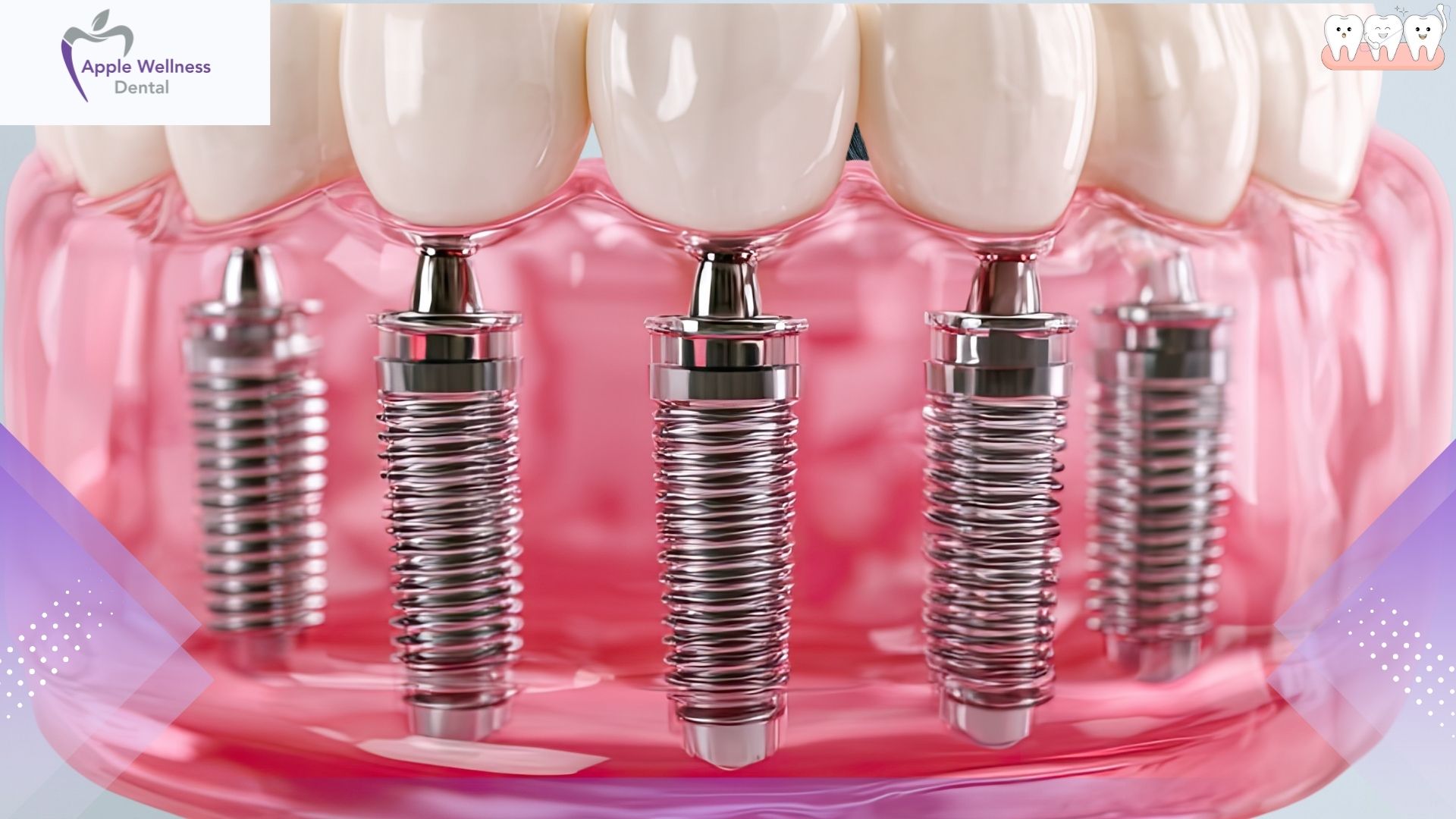
To accurately answer how long do dental implants last, we must look at the implant as a system composed of two main parts with different lifespans.
The Implant Post (The Root)
The implant post is the titanium or zirconia screw that is surgically placed into your jawbone. This component replaces your natural tooth root. Because titanium is biocompatible, your body does not reject it. Instead, through a process called osseointegration, your jawbone fuses directly to the metal.
-
Estimated Lifespan: 25 years to a lifetime.
-
Why it lasts: Once integrated, the post becomes a physical part of your body. Unless it is affected by severe infection or trauma, it is intended to stay there permanently.
The Restoration (The Crown)
The restoration is the visible part of the tooth—the crown, bridge, or denture that attaches to the post. While made of high-strength ceramic or porcelain, it is subject to the same forces as your natural teeth.
-
Estimated Lifespan: 10 to 15 years on average.
-
Why it wears out: Biting on hard foods, grinding your teeth, and general daily use can cause the porcelain to chip, crack, or wear down over time. Fortunately, replacing the crown is a straightforward procedure that does not require surgery.
The Science of Longevity: Osseointegration
The secret to the durability of the implant post lies in biology, not just engineering. When we place an implant, we are relying on your body’s natural healing ability.
Osseointegration is the structural and functional connection between living bone and the surface of a load-bearing artificial implant. Over the first 3 to 6 months after surgery, bone cells attach themselves to the microscopic surface of the titanium post. This locks the implant in place, providing a stability that no denture can match.
For this process to be successful, you need a healthy foundation. If you have experienced bone loss, we may recommend bone grafting to build up the site before placement. You can learn more about how we prepare your mouth for success on our page about what is a dental implant.
Factors That Influence Lifespan
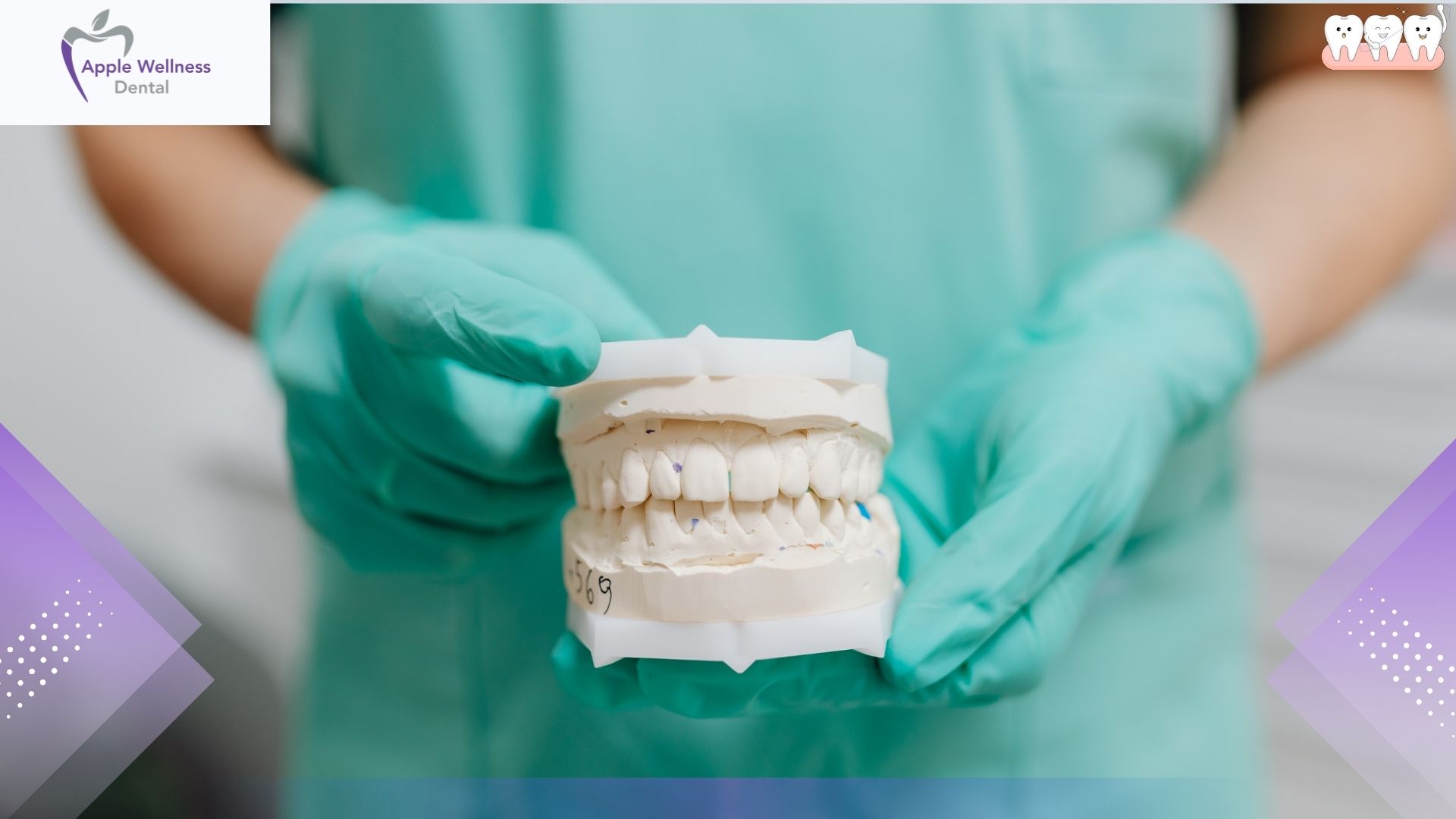
While the potential for a lifetime of use is there, several variables can affect how long do dental implants last in your specific case.
1. Oral Hygiene
This is the most critical factor under your control. While titanium cannot get a cavity, the gum and bone around it can get infected. This condition, known as peri-implantitis, is similar to gum disease. If plaque and tartar build up around the implant, bacteria can attack the supporting bone, causing the implant to loosen and eventually fail.
-
Action: Brush twice a day, floss daily, and use an antimicrobial mouthwash if recommended.
2. Smoking
Smoking is a significant risk factor. Nicotine constricts blood vessels, reducing blood flow to the gums and bone. This slows down healing and increases the risk of infection. Studies from the Journal of Dental Research indicate that smokers experience implant failure at a much higher rate than non-smokers.
-
Action: We strongly advise quitting smoking, especially during the initial healing phase, to protect your investment.
3. Bone Density
Implants need a solid anchor. If your jawbone is thin or soft, the implant may not integrate fully. We use 3D imaging to assess your bone quality before surgery.
-
Action: If you lack bone volume, do not worry. We can often augment the area. Read more about the importance of bone health in our guide on how do dental implants work.
4. Teeth Grinding (Bruxism)
If you grind your teeth at night, you are putting immense pressure on your implants. While the titanium post is strong, the constant rocking motion can prevent it from integrating or cause the porcelain crown to fracture.
-
Action: If we detect signs of wear, we will create a custom night guard to cushion your teeth while you sleep.
Implants vs. Bridges: A Comparison of Longevity
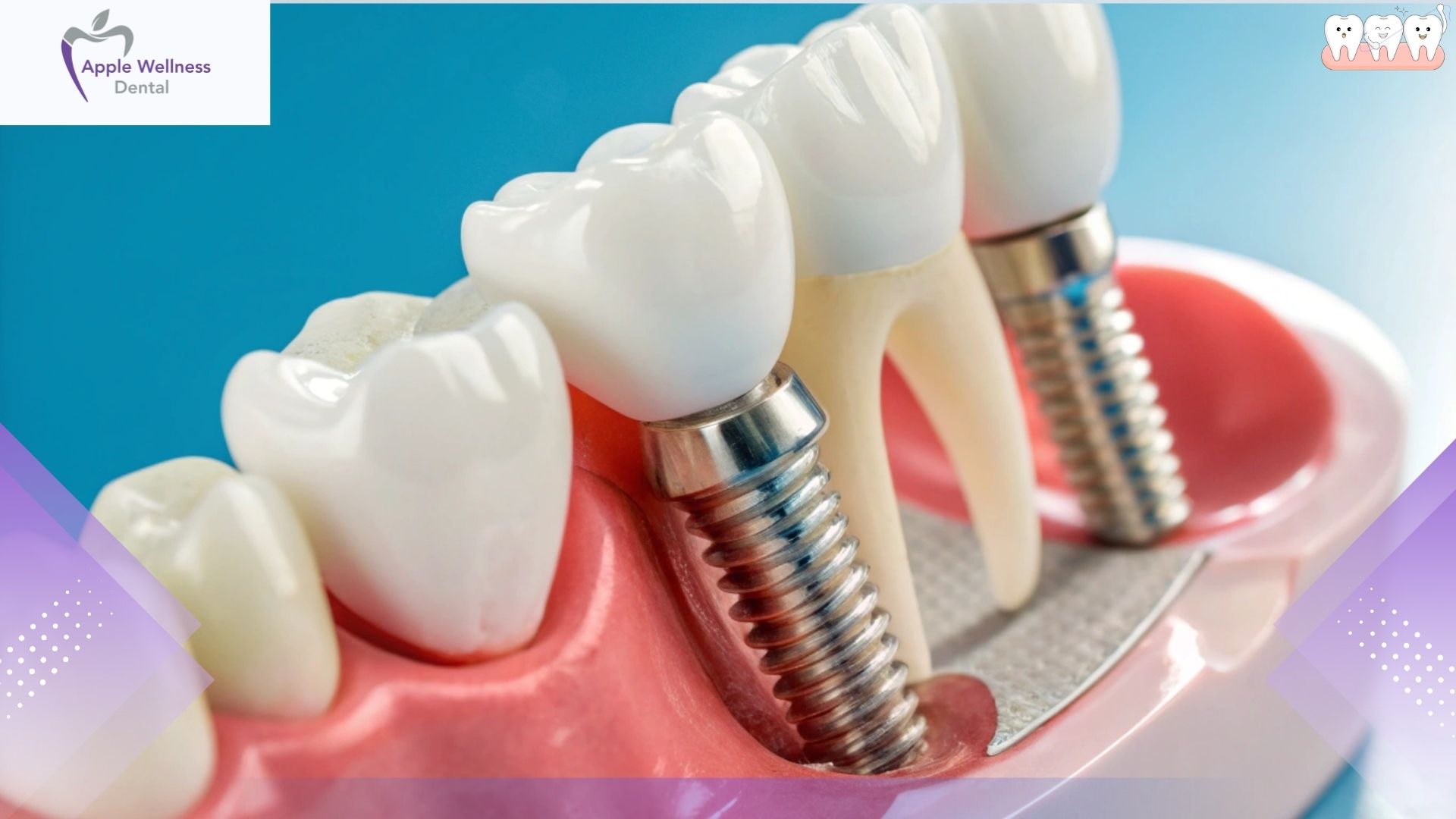
When weighing your options, it is helpful to compare the lifespan of implants against traditional solutions like dental bridges.
Dental Bridges:
-
Average Lifespan: 10 to 15 years.
-
Why they fail: Bridges rely on neighboring teeth for support. These natural teeth are filed down to accept the bridge, making them more susceptible to decay and fracture over time. If the supporting tooth fails, the entire bridge fails.
Dental Implants:
-
Average Lifespan: 25+ years (Lifetime for the post).
-
Why they win: Implants are self-supporting. They do not damage adjacent teeth and they stimulate the jawbone, preventing the bone loss that typically happens under bridges and dentures.
For a deeper dive into why implants are often the superior choice, check our article on how do dental implants work in airdrie.
Signs Your Implant Needs Attention
Even with the best care, issues can arise. Knowing what to look for can help you catch problems early when they are easiest to treat.
-
Mobility: If the implant feels loose or moves when you touch it, contact us immediately. This suggests the bone bond has been compromised.
-
Pain: Once healed, an implant should be painless. Persistent pain could indicate infection or overload.
-
Bleeding: Bleeding gums around an implant is a sign of peri-implantitis (inflammation).
-
Chipped Porcelain: If the crown feels rough or sharp, it may have chipped.
If you experience any of these symptoms, do not wait. Our emergency dentistry team can assess the situation and often save the implant if treated quickly.
The Role of the Dentist in Longevity
The skill of the provider plays a massive role in how long do dental implants last. Precise placement is non-negotiable.
At Apple Wellness Dental, we use advanced 3D CBCT scanning technology to plan your surgery virtually before we ever begin. This allows us to:
-
Avoid nerves and sinuses.
-
Place the implant in the densest bone available.
-
Align the implant perfectly for the final crown, ensuring bite forces are distributed evenly.
When an implant is placed correctly, it is protected from the mechanical stresses that often lead to early failure. Our expertise is backed by high success rates, which you can read more about in our post on what is the success rate of dental implants.
Maintaining Your Investment
Caring for an implant is surprisingly similar to caring for natural teeth, but with a few specific nuances.
1. Soft-Bristle Brushing Use a soft-bristled toothbrush to clean the crown and the gum line. Avoid abrasive toothpastes that can scratch the porcelain, making it more prone to staining and plaque accumulation.
2. Flossing is Non-Negotiable You must floss around the implant daily. We may recommend a “water flosser” or special floss threaders to ensure you are cleaning the neck of the implant where it meets the gums.
3. Regular Professional Cleanings You should visit us at least twice a year. We use special instruments to clean implants without scratching the titanium surface. We also monitor your bone levels with X-rays to ensure the foundation remains solid.
For a complete checklist on maintaining a healthy mouth after oral surgery, refer to our guide on how to care for your mouth after a dental extraction in airdrie.
Why Apple Wellness Dental?
We understand that dental implants are a significant investment in your health and confidence. We are dedicated to ensuring that investment lasts a lifetime.
Our Airdrie clinic is equipped with the latest diagnostic and surgical technology to ensure precision. But beyond the tech, we prioritize you. We offer a judgment-free environment where we explain every step of the process. We participate in the Canadian Dental Care Plan (CDCP) and offer direct billing to make high-quality care accessible.
Whether you are looking to replace a single tooth or stabilize a full denture, we are here to support your journey to a permanent smile.
Are you ready for a permanent solution to tooth loss?
Don’t settle for temporary fixes. If you want a smile that is built to last, Apple Wellness Dental is here to help. We are located at 229 1st Street SW, Airdrie, AB. Call us today at +1 587 332 6767 to schedule a consultation. Let’s discuss how we can restore your smile for life.
Common Questions About how long do dental implants last
Q: Do dental implants last longer than dentures?
A: Yes, significantly longer. Traditional dentures typically need to be replaced every 5 to 8 years due to wear and changes in the jawbone shape. Dental implants can last 25 years or more because they fuse with the bone and prevent jaw shrinkage.
Q: Why would a dental implant fail?
A: The most common reasons for failure are peri-implantitis (infection due to poor hygiene), smoking, uncontrolled diabetes, or failure of the bone to fuse (osseointegration). Mechanical overload from teeth grinding can also cause failure.
Q: Can a damaged implant crown be replaced?
A: Yes, and it is a relatively simple process. If the porcelain crown chips or wears down, we can remove it and create a new custom crown without having to remove the titanium post from your jaw.
Q: Is there a warranty on dental implants?
A: While no medical procedure can be guaranteed 100%, reputable implant manufacturers often provide a warranty on the titanium components. At our clinic, we stand by our work and will discuss specific warranty details during your consultation.
Q: Does age affect how long implants last?
A: No, age itself is not a factor. A healthy senior in their 80s has the same potential for long-term success as a patient in their 40s. General health and bone quality are far more important than chronological age.
Q: How do I know if my implant is healing correctly?
A: A healing implant should be comfortable. You may have mild soreness for a few days after surgery, but it should improve quickly. If you experience worsening pain, swelling, or mobility after the first week, contact us immediately.
Q: What is the success rate of dental implants?
A: Dental implants have a cumulative success rate of approximately 95% to 98% over 10 years. This high reliability makes them one of the safest and most predictable procedures in dentistry. You can see local data in our article on what is the success rate of dental implants in airdrie.
Q: Will I need to change my diet forever?
A: No. Once the implant has fully healed and the final crown is placed, you can eat almost anything you like, including steak, apples, and corn on the cob. However, avoiding extremely hard items like ice or hard candy will help protect the porcelain crown from chipping.
Conclusion
When you ask how long do dental implants last, the answer is encouraging: with the right care, they can last a lifetime. They are a robust, reliable, and permanent solution that restores not just your teeth, but your quality of life. By choosing a skilled team and committing to good oral hygiene, you are setting yourself up for decades of confident smiles. If you are ready to make this lasting investment in yourself, contact Apple Wellness Dental today.