How Does a Dentist Detect Gum Disease in Airdrie?
Gum disease affects millions of people worldwide, yet many individuals remain unaware they have this condition until it progresses to advanced stages. In Airdrie, dental professionals like those at Apple Wellness Dental play a crucial role in early detection and prevention of periodontal disease. Understanding how dentists detect gum disease can help patients appreciate the importance of regular dental checkups and recognize the sophisticated methods used to identify this common oral health concern.
The detection of gum disease requires a comprehensive approach that combines visual examination, specialized tools, and advanced diagnostic techniques. Dentists in Airdrie utilize various methods to assess the health of your gums, from simple visual inspections to detailed periodontal charting and cutting-edge imaging technology. This multi-faceted approach ensures that even the earliest signs of gum disease are identified before they can cause significant damage to your oral health.
Early detection is paramount when it comes to gum disease because the condition is largely preventable and highly treatable in its initial stages. However, once gum disease progresses to advanced periodontitis, the damage to gums, teeth, and supporting bone structures can be irreversible. This is why dental professionals emphasize the importance of regular checkups and thorough examinations that can catch gum disease in its earliest manifestations.
When you visit a dental clinic for a routine examination, your dentist performs multiple assessments simultaneously, looking for various indicators of gum disease. These indicators can range from obvious signs like bleeding and swelling to subtle changes in gum color, texture, and attachment levels that only trained professionals can detect. The process of Airdrie gum disease detection involves both clinical expertise and technological tools working together to provide a comprehensive picture of your periodontal health.
Understanding the detection process can help patients become more engaged in their oral health care and better appreciate the value of professional dental examinations. It also helps individuals recognize potential warning signs between dental visits and understand when to seek immediate professional attention for concerning symptoms.
Key Takeaways
- Visual examination is the first step: Dentists begin gum disease detection by carefully examining the color, texture, and overall appearance of your gums, looking for signs of inflammation, recession, or unusual changes that may indicate the presence of periodontal disease.
- Periodontal probing measures pocket depth: Using a specialized instrument called a periodontal probe, dentists measure the depth of spaces between your teeth and gums, with measurements over 3mm typically indicating gum disease progression.
- Bleeding assessment reveals inflammation: The presence of bleeding during gentle probing or routine cleaning is a significant indicator of gum inflammation and early-stage gum disease, even when patients don’t notice bleeding during home care.
- X-rays detect bone loss: Dental radiographs allow dentists to see below the gum line and identify bone loss around tooth roots, which is a hallmark of advanced gum disease that cannot be detected through visual examination alone.
- Medical history provides context: Dentists consider factors like diabetes, smoking, medications, and family history that can increase gum disease risk and influence both detection methods and treatment approaches.
- Regular monitoring tracks progression: Consistent dental visits allow for comparison of periodontal measurements over time, enabling dentists to identify trends and catch gum disease progression before it becomes severe.
- Advanced technology enhances detection: Modern dental practices may use laser detection systems, digital imaging, and bacterial testing to provide more precise diagnosis and treatment planning for gum disease.
Understanding Gum Disease and Its Early Warning Signs

Gum disease, also known as periodontal disease, is a progressive condition that begins with gingivitis and can advance to periodontitis if left untreated. The disease process starts when bacterial plaque accumulates along the gum line, causing inflammation and irritation of the gingival tissues. Understanding this progression is essential for both patients and dental professionals in Airdrie who work together to maintain optimal oral health.
The earliest stage of gum disease, gingivitis, is characterized by red, swollen gums that may bleed easily during brushing or flossing. At this stage, the condition is completely reversible with proper oral hygiene and professional dental care. However, many patients don’t recognize these early warning signs or dismiss them as normal, which is why professional detection is so crucial.
As gum disease progresses to periodontitis, the inflammation extends deeper into the supporting structures of the teeth. The gums begin to pull away from the teeth, creating pockets where bacteria can accumulate and cause further damage. This stage involves irreversible damage to the periodontal ligament and alveolar bone that support the teeth, making early detection and intervention absolutely critical.
Apple Wellness Dental emphasizes the importance of understanding risk factors that can increase an individual’s susceptibility to gum disease. These factors include poor oral hygiene, smoking, diabetes, hormonal changes, certain medications, genetic predisposition, and stress. Patients with multiple risk factors require more frequent monitoring and may need specialized detection techniques to catch gum disease in its earliest stages.
Clinical Examination Techniques for Gum Disease Detection

The clinical examination forms the foundation of how dentists detect gum disease in Airdrie patients. This comprehensive assessment begins the moment a patient sits in the dental chair and continues throughout the appointment. Dental professionals use their trained eyes and hands to identify subtle changes that may indicate the presence or progression of periodontal disease.
Visual inspection is the first component of the clinical examination. Dentists carefully observe the color, texture, and contour of the gums, looking for signs of inflammation, recession, or other abnormalities. Healthy gums should appear pink, firm, and stippled like an orange peel, while diseased gums may appear red, swollen, shiny, or have a smooth texture. The dentist also examines the gum line for signs of plaque and tartar accumulation, which are primary contributors to gum disease development.
Palpation, or gentle touching and pressing of the gum tissues, provides additional information about the health of the periodontium. Dentists can detect areas of tenderness, swelling, or unusual texture that may not be visible to the naked eye. This hands-on examination helps identify localized areas of inflammation or infection that require closer attention and monitoring.
The assessment of gum recession is another critical component of the clinical examination. Dentists measure how much the gum tissue has pulled away from the teeth, exposing the tooth roots. This recession can be a sign of aggressive gum disease or may result from other factors like aggressive brushing or tooth grinding. Accurate measurement and documentation of recession help track disease progression over time.
Mobility testing involves gently moving each tooth to assess the stability of the supporting structures. Increased tooth mobility can indicate advanced gum disease with significant bone loss around the tooth roots. This simple test provides valuable information about the severity of periodontal disease and helps guide treatment decisions.
Periodontal Probing and Measurement Techniques
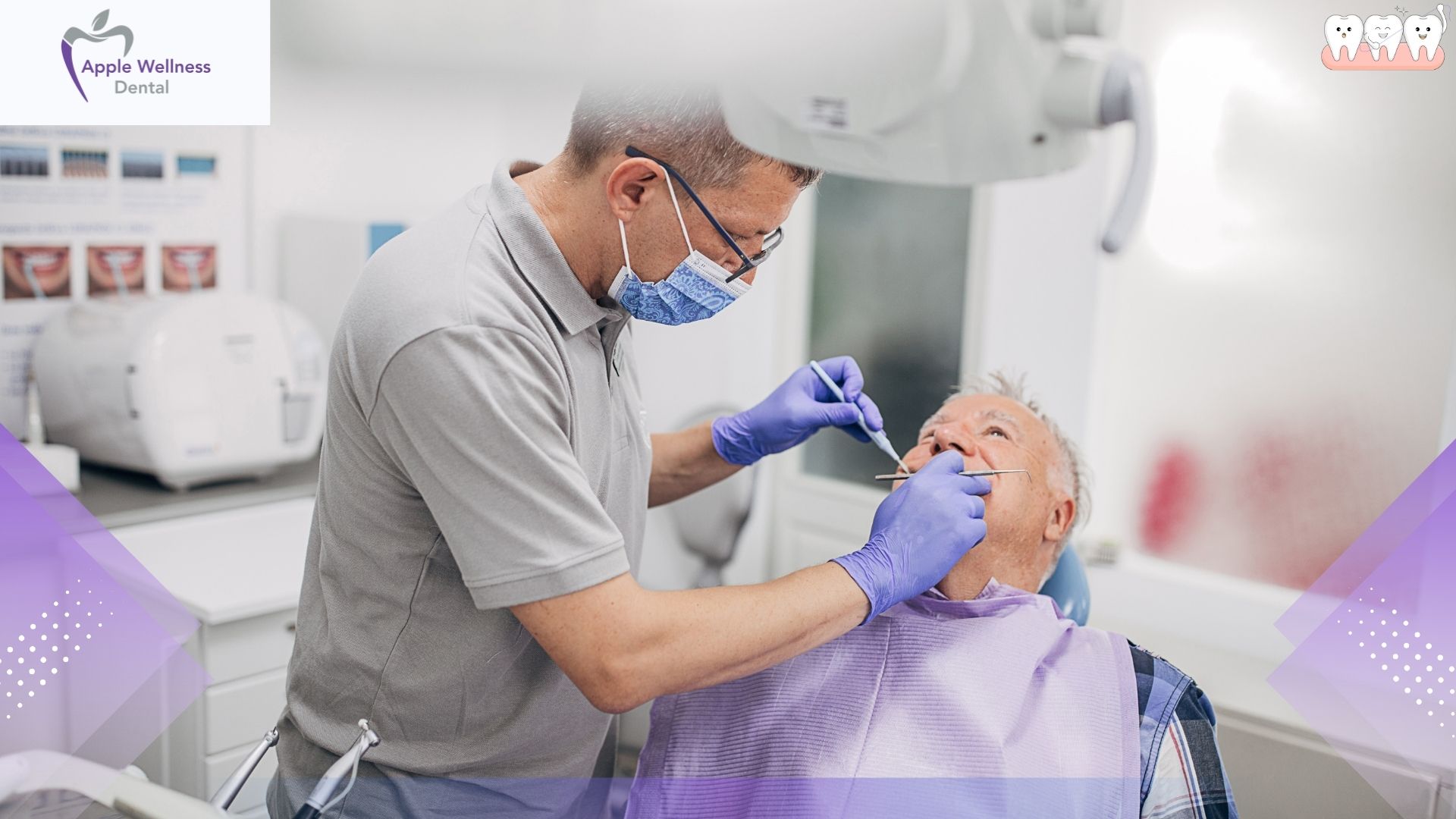
Periodontal probing represents one of the most important and precise methods for detecting gum disease. This technique involves using a thin, calibrated instrument called a periodontal probe to measure the depth of the sulcus or pocket between the tooth and gum tissue. The measurements obtained through probing provide objective data about the health of the periodontium and help track disease progression over time.
During the probing process, the dentist gently inserts the probe between the tooth and gum, measuring the depth in millimeters at six points around each tooth. Healthy gum pockets typically measure 1-3 millimeters in depth, while measurements of 4 millimeters or greater generally indicate the presence of gum disease. The deeper the pocket, the more advanced the disease and the more difficult it becomes for patients to clean these areas effectively at home.
Bleeding on probing is another crucial indicator that dentists assess during this examination. When the probe is gently inserted into the gum pocket, healthy tissues should not bleed. However, inflamed gums affected by disease will often bleed upon gentle probing, even when patients don’t experience bleeding during their daily oral hygiene routine. This bleeding response is one of the earliest and most reliable signs of gum inflammation.
The probing process also allows dentists to assess the attachment level of the gums to the teeth. In healthy mouths, the gum tissue attaches to the tooth at a specific level. As gum disease progresses, this attachment is lost, and the probe can penetrate deeper into the pocket. By measuring both pocket depth and attachment loss, dentists can determine the severity of the disease and develop appropriate treatment plans.
Modern dental practices often use computerized probing systems that provide more accurate and consistent measurements than manual probing. These systems can detect subtle changes in pocket depth over time and help identify areas of disease progression that might be missed with traditional manual techniques. The data from these systems can be stored electronically and compared between visits to track treatment progress and identify areas of concern.
Radiographic Imaging for Bone Loss Detection
Radiographic imaging plays an essential role in gum disease detection because it allows dentists to see structures that are hidden beneath the gum line. While clinical examination can reveal surface-level signs of gum disease, X-rays provide crucial information about the condition of the alveolar bone that supports the teeth. Bone loss is a hallmark of advanced gum disease and cannot be detected through visual examination alone.
Bitewing X-rays are commonly used to detect early signs of bone loss between teeth. These images show the crown portions of the teeth and the surrounding bone levels, allowing dentists to identify areas where bone height has decreased due to periodontal disease. The normal bone level should come close to the junction between the tooth crown and root, and any significant deviation from this normal anatomy may indicate disease progression.
Periapical X-rays provide a more comprehensive view of individual teeth and their surrounding bone structures. These images show the entire tooth from crown to root tip, along with the surrounding bone and periodontal ligament space. Dentists can identify widening of the periodontal ligament space, which may indicate inflammation or infection, as well as assess the overall bone levels around each tooth root.
Full mouth series or panoramic X-rays give dentists a complete overview of all the teeth and supporting structures. These comprehensive images are particularly valuable for detecting widespread bone loss patterns and identifying areas of the mouth that may be more severely affected by gum disease. They also help dentists plan treatment approaches and monitor the effectiveness of periodontal therapy over time.
Digital radiography has revolutionized the way dentists detect and monitor gum disease. Digital X-rays provide superior image quality with enhanced contrast and detail, making it easier to identify subtle changes in bone density and structure. The images can be enlarged and manipulated on computer screens, allowing for more precise analysis of bone levels and disease progression. Additionally, digital systems reduce radiation exposure for patients while providing immediate results that can be reviewed during the same appointment.
Advanced Diagnostic Technologies and Methods
Modern dental practices are increasingly incorporating advanced diagnostic technologies to enhance their ability to detect gum disease accurately and efficiently. These cutting-edge tools provide additional information beyond what traditional examination methods can reveal, leading to earlier detection and more precise treatment planning for patients in Airdrie.
Laser detection systems represent one of the most significant advances in periodontal diagnosis. These devices use laser technology to measure the depth and inflammation level of gum pockets with remarkable precision. The laser probe is inserted into the gum pocket, and the reflected light provides information about tissue health and pocket depth. This technology is often more comfortable for patients than traditional probing and can detect inflammation before it becomes clinically visible.
Bacterial testing has emerged as a valuable tool for identifying specific types of bacteria associated with aggressive forms of gum disease. Through saliva samples or samples taken from gum pockets, dental professionals can identify the presence of pathogenic bacteria that contribute to periodontal disease. This information helps dentists tailor treatment approaches to target specific bacterial populations and may influence decisions about antibiotic therapy.
Genetic testing is becoming increasingly available to identify patients who may have a genetic predisposition to gum disease. Certain genetic variations can affect an individual’s immune response to bacterial infections, making them more susceptible to developing severe forms of periodontal disease. Understanding a patient’s genetic risk profile allows for more personalized prevention strategies and monitoring protocols.
Three-dimensional imaging technologies, such as cone beam computed tomography (CBCT), provide unprecedented detail about the bone structures surrounding teeth. These images can reveal bone defects and patterns of bone loss that may not be visible on traditional two-dimensional X-rays. This technology is particularly valuable for complex cases and surgical planning, though it’s not routinely used for basic gum disease screening.
Intraoral cameras have become standard equipment in many dental offices, allowing both dentists and patients to see detailed images of the gums and teeth on computer monitors. These cameras can capture high-resolution images that reveal subtle changes in gum color, texture, and health that might be missed during routine examination. The images can be stored and compared over time to track disease progression or improvement following treatment.
Frequently Asked Questions
How often should I have my gums checked for disease?
Most dental professionals recommend gum disease screening every six months during routine dental checkups. However, patients with risk factors such as diabetes, smoking history, or previous gum disease may need more frequent monitoring, potentially every three to four months.
Is gum disease detection painful?
The detection process is generally not painful, though patients with inflamed gums may experience some discomfort during probing. Most patients describe the sensation as mild pressure or slight discomfort that subsides quickly after the examination.
Can I detect gum disease at home?
While you can watch for warning signs like bleeding gums, persistent bad breath, or gum recession, professional detection is necessary for accurate diagnosis. Many early stages of gum disease have no obvious symptoms that patients can detect on their own.
What happens if gum disease is detected early?
Early-stage gum disease (gingivitis) is completely reversible with proper oral hygiene and professional cleaning. Your dentist may recommend more frequent cleanings and improved home care techniques to restore gum health.
How accurate are modern gum disease detection methods?
Modern detection methods are highly accurate when performed by trained dental professionals. The combination of clinical examination, probing, and radiographic imaging provides a comprehensive assessment that can detect even early stages of disease.
Does insurance cover gum disease detection?
Most dental insurance plans cover routine periodontal examinations as part of preventive care. However, coverage for advanced diagnostic tests may vary depending on your specific insurance plan and the medical necessity of the procedures.
What should I expect during a gum disease screening?
A typical screening includes visual examination of your gums, measurement of pocket depths around your teeth, assessment of bleeding response, and review of X-rays. The entire process usually takes 15-30 minutes depending on the complexity of your case.
Can gum disease be detected in children?
Yes, children can develop gum disease, though it’s less common than in adults. Pediatric dentists use modified examination techniques appropriate for children and focus on education about proper oral hygiene to prevent disease development.
Conclusion
The detection of gum disease requires a comprehensive approach that combines clinical expertise with modern diagnostic technology. Dentists in Airdrie, including the professionals at Apple Wellness Dental, utilize multiple assessment methods to ensure early identification of periodontal disease before it can cause irreversible damage to your oral health. From visual examination and periodontal probing to advanced imaging and bacterial testing, these detection methods work together to provide a complete picture of your gum health.
Understanding how dentists detect gum disease empowers patients to appreciate the value of regular dental checkups and become more engaged in their oral health care. The sophisticated methods used in Airdrie gum disease detection demonstrate the commitment of dental professionals to preventing and treating this common condition before it progresses to advanced stages that can result in tooth loss and other serious complications.
Early detection remains the key to successful gum disease treatment and prevention. By maintaining regular dental visits and working closely with your dental care team, you can ensure that any signs of gum disease are identified and addressed promptly. The investment in professional detection and prevention is far less costly and invasive than treating advanced periodontal disease, making regular screenings an essential component of maintaining lifelong oral health.
If you have concerns about your gum health or haven’t had a periodontal examination recently, contact Apple Wellness Dental to schedule a comprehensive evaluation. Their experienced team can provide thorough gum disease screening and develop a personalized prevention plan to keep your gums healthy for years to come.