
How Are Custom Mouthguards Made for Your Unique Smile
When it comes to protecting your teeth during sports, managing teeth grinding at night, or addressing other dental concerns, a custom mouthguard offers unparalleled protection and comfort compared to generic alternatives. Understanding how these personalized dental appliances are created can help you appreciate the precision and expertise that goes into crafting a mouthguard specifically designed for your unique smile and oral structure.
Custom mouthguards represent a significant advancement in dental protection technology, combining traditional craftsmanship with modern materials and techniques. Unlike over-the-counter options that follow a one-size-fits-all approach, custom mouthguards are meticulously designed to match the exact contours of your teeth and gums, providing superior protection while maintaining optimal comfort during extended wear.
The process of creating a custom mouthguard involves multiple steps, each requiring specialized knowledge and attention to detail. From the initial consultation and impression-taking to the final fitting and adjustments, every stage is carefully orchestrated to ensure the finished product meets your specific needs and preferences. This comprehensive approach ensures that your mouthguard not only protects your teeth effectively but also feels comfortable enough for regular use.
Professional dental teams utilize advanced materials and cutting-edge technology throughout the manufacturing process, resulting in mouthguards that offer exceptional durability, proper fit, and optimal protection. The investment in a custom mouthguard pays dividends in terms of long-term oral health protection, especially when you consider the potential costs associated with treating dental injuries that could have been prevented with proper protection.
Whether you’re an athlete looking to protect your smile during competition, someone who grinds their teeth at night, or dealing with temporomandibular joint disorders, understanding the custom mouthguard creation process helps you make informed decisions about your dental protection needs. The precision and personalization involved in this process ensure that your mouthguard will provide the specific protection your unique situation requires.
Key Takeaways
For additional context, see this comprehensive guide.
- Precision Impressions: The custom mouthguard creation process begins with highly accurate dental impressions or digital scans that capture every detail of your teeth and gum structure, ensuring a perfect fit that generic mouthguards simply cannot achieve.
- Advanced Materials: Professional-grade materials used in custom mouthguards offer superior durability, comfort, and protection compared to over-the-counter alternatives, with options ranging from soft, flexible materials for night grinding to harder, more protective materials for contact sports.
- Multi-Step Process: Creating a custom mouthguard involves consultation, impression-taking, laboratory fabrication, and professional fitting, with each step requiring specialized expertise to ensure optimal results.
- Personalized Design: Every aspect of the mouthguard is tailored to your specific needs, including thickness variations, material selection, and design modifications based on your particular use case and oral anatomy.
- Professional Oversight: Qualified dental professionals oversee the entire process, from initial assessment to final adjustments, ensuring that your mouthguard meets both protective and comfort requirements.
- Quality Assurance: Multiple quality checks throughout the manufacturing process ensure that your custom mouthguard meets strict standards for fit, comfort, and protective capability before final delivery.
- Long-term Value: While custom mouthguards require a higher initial investment than generic options, their superior fit, durability, and protective capabilities provide exceptional long-term value for your oral health.
Understanding Custom Mouthguard Technology

For additional context, see detailed information on this topic.
The foundation of custom mouthguard creation lies in advanced dental technology that has evolved significantly over the past decades. Modern dental practices utilize sophisticated impression materials and digital scanning equipment to capture incredibly detailed representations of your oral anatomy. These technologies ensure that every ridge, valley, and contour of your teeth and gums is accurately recorded, forming the basis for a mouthguard that fits like a second skin.
Digital scanning technology has revolutionized the impression-taking process, offering greater accuracy and comfort compared to traditional putty-based impressions. These scanners use light-based technology to create three-dimensional models of your mouth, capturing details that might be missed with conventional methods. The resulting digital models can be manipulated and refined using specialized software, allowing for precise adjustments before the physical mouthguard is created.
The materials used in custom mouthguard fabrication represent another significant advancement in dental technology. Modern thermoplastic materials offer excellent moldability during the heating process while maintaining their shape and protective properties once cooled. These materials can be layered and customized to provide varying levels of protection and comfort in different areas of the mouthguard, ensuring optimal performance for your specific needs.
Laboratory equipment used in the fabrication process includes pressure molding machines, vacuum forming equipment, and precision trimming tools that ensure consistent quality and accuracy. Temperature-controlled environments and specialized curing processes guarantee that the materials achieve their optimal properties, resulting in mouthguards that maintain their shape and protective capabilities over extended periods of use.
The Initial Consultation and Assessment Process
For additional context, see our in-depth resource.
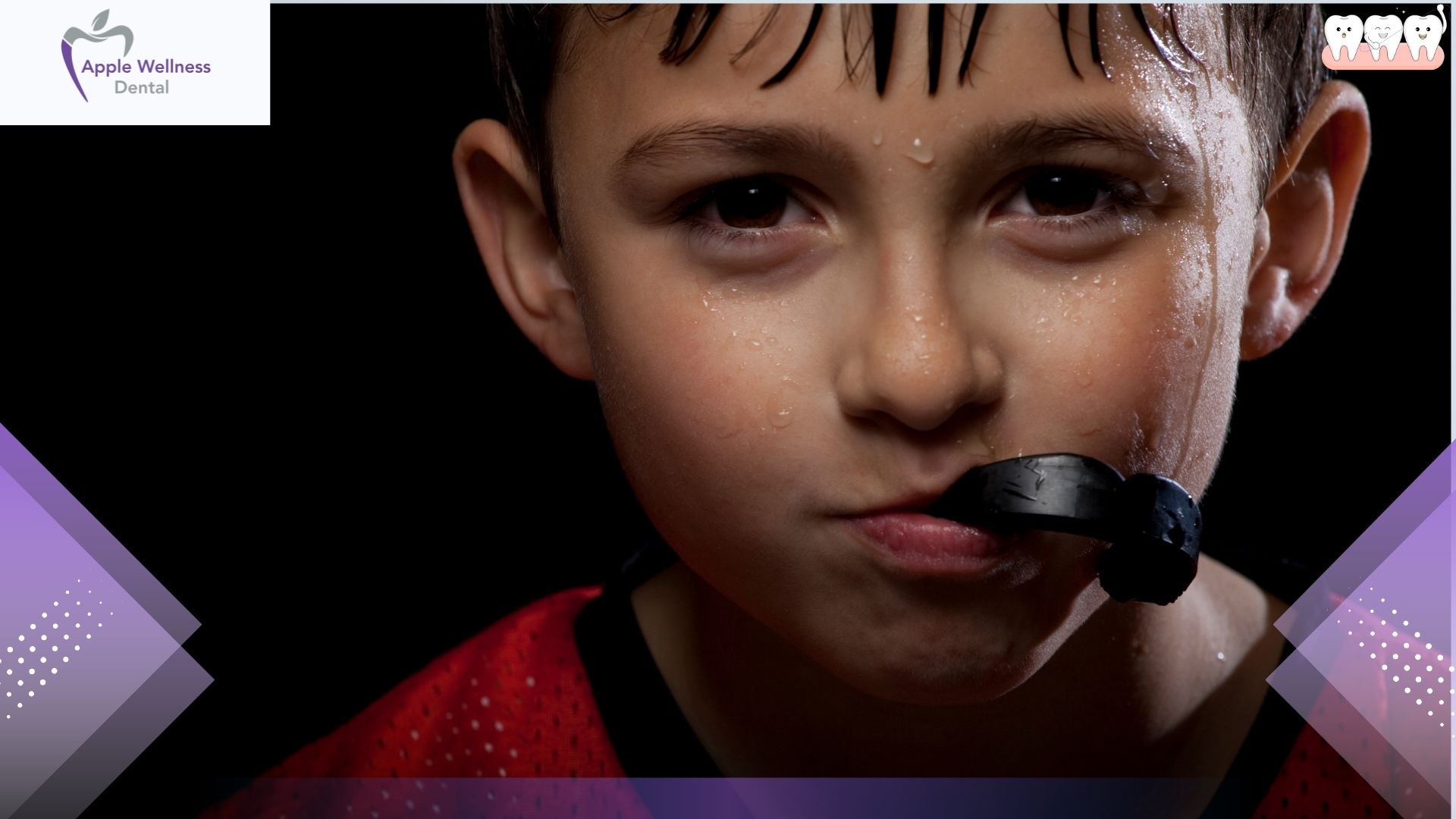
The journey toward your custom mouthguard begins with a comprehensive consultation where your dental professional evaluates your specific needs, lifestyle, and oral health status. This initial assessment is crucial for determining the most appropriate type of mouthguard for your situation, whether you need protection during sports activities, relief from nighttime teeth grinding, or treatment for jaw-related disorders. Your dentist will examine your teeth, gums, and jaw alignment to identify any unique factors that might influence the mouthguard design.
During this consultation, your dental team will discuss your activity level, the specific sports you participate in, or the symptoms you’re experiencing if the mouthguard is for therapeutic purposes. This information helps determine the appropriate thickness, material selection, and design features that will provide optimal protection and comfort. For athletes, considerations include the level of contact in their sport, frequency of play, and any previous dental injuries that might require special attention.
Your dentist will also assess your bite pattern and jaw movement to ensure that the mouthguard won’t interfere with normal oral functions while providing maximum protection. This evaluation might include checking how your teeth come together when you bite down, observing any signs of existing wear patterns, and noting any irregularities in tooth alignment that could affect the mouthguard’s fit and function.
The consultation process includes education about proper mouthguard care, expected lifespan, and signs that indicate when replacement might be necessary. Your dental professional will explain the differences between various material options and help you understand the benefits and limitations of each choice. This educational component ensures that you can make informed decisions about your oral protection and maintain your mouthguard properly once it’s completed.
Special considerations are discussed during this phase, including any allergies to dental materials, specific comfort preferences, and aesthetic concerns if the mouthguard will be visible during use. For patients who have experienced dental injuries in the past, additional protective measures might be incorporated into the design to prevent similar incidents in the future.
Precision Impression Taking and Digital Modeling
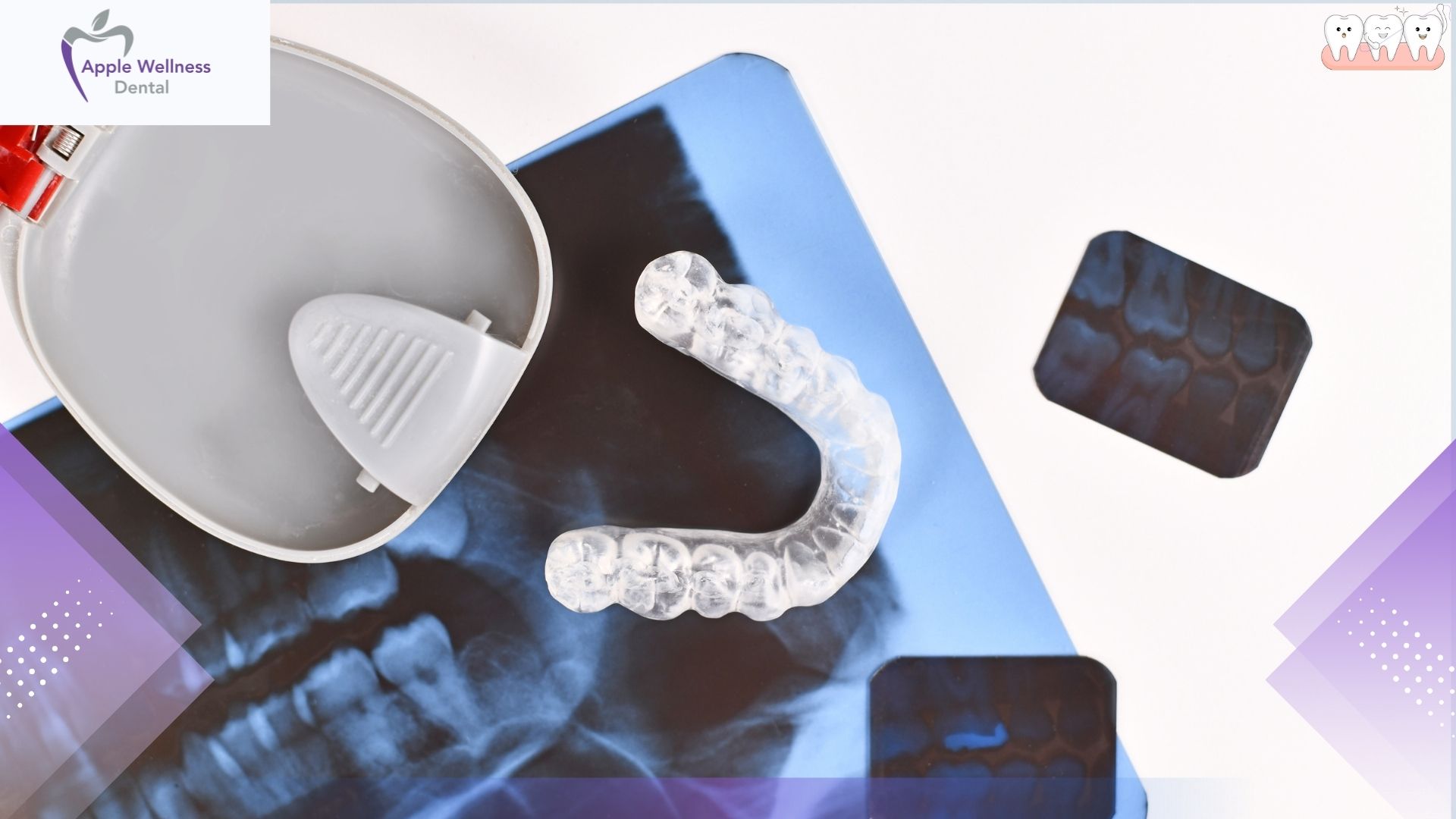
The impression-taking phase represents one of the most critical steps in the custom mouthguard creation process, as the accuracy of these impressions directly impacts the final fit and effectiveness of your mouthguard. Modern dental practices employ either traditional impression materials or advanced digital scanning technology, with each method offering specific advantages depending on your particular situation and the dental office’s available technology.
Traditional impression techniques utilize high-quality alginate or polyvinyl siloxane materials that are carefully mixed to achieve the proper consistency and working time. These materials are placed in custom-fitted trays that are positioned over your teeth and held in place until the material sets completely. The process requires precise timing and technique to ensure that all tooth surfaces and gum areas are captured accurately without air bubbles or distortions that could compromise the final fit.
Digital scanning represents the cutting-edge approach to impression taking, utilizing intraoral scanners that capture thousands of data points per second to create highly detailed three-dimensional models of your oral anatomy. These scanners use safe light-based technology to map every surface of your teeth and gums, creating digital impressions that can be immediately reviewed and refined if necessary. The digital approach eliminates the discomfort some patients experience with traditional impression materials while providing exceptional accuracy.
Once the impressions are obtained, whether physical or digital, they undergo careful quality assessment to ensure completeness and accuracy. Physical impressions are inspected for any defects, air bubbles, or incomplete areas that might affect the mouthguard’s fit. Digital scans are reviewed on computer screens where any missing data can be immediately identified and additional scanning performed if necessary.
The digital modeling phase involves converting physical impressions into three-dimensional computer models or refining digital scans using specialized software. This process allows for precise measurements and modifications that ensure optimal fit and function. The digital models can be manipulated to simulate different design options and thicknesses, helping to optimize the mouthguard’s protective capabilities while maintaining comfort. Just as precision is important for treating dental emergencies effectively, accuracy in impression taking is crucial for creating effective protective devices.
Laboratory Fabrication and Material Processing
The laboratory fabrication phase transforms your dental impressions into a precisely crafted custom mouthguard through a series of carefully controlled processes that require specialized equipment and expert technique. This phase typically takes place in a dedicated dental laboratory where skilled technicians use your impressions or digital models to create a working cast that serves as the foundation for your mouthguard construction.
The process begins with creating a positive model of your teeth using high-quality dental stone or resin materials that accurately reproduce every detail captured in your impressions. This working model undergoes careful inspection and any necessary refinements to ensure it perfectly represents your oral anatomy. The model is then prepared for the molding process, which may include applying separating agents or making minor adjustments to optimize the final fit.
Material selection plays a crucial role in the fabrication process, with different thermoplastic materials chosen based on your specific protection needs and comfort requirements. Sports mouthguards typically utilize multi-layer constructions with harder outer layers for impact resistance and softer inner layers for comfort. Night guards for teeth grinding often employ different materials that provide cushioning while maintaining durability against the repetitive forces of bruxism.
The heating and molding process requires precise temperature control and timing to ensure that the materials achieve optimal moldability without degrading their protective properties. Vacuum forming or pressure molding techniques are employed to ensure that the heated material conforms perfectly to every contour of your dental model. This process may be repeated with multiple layers of different materials to achieve the desired protective characteristics and thickness variations.
Quality control measures throughout the fabrication process include dimensional checks, material integrity assessments, and preliminary fit evaluations using the working model. Each mouthguard undergoes careful trimming and finishing to ensure smooth edges and proper thickness distribution. The finishing process includes polishing techniques that create comfortable surfaces while maintaining the material’s protective properties. Advanced laboratories may also incorporate antimicrobial treatments or special coatings that enhance the mouthguard’s hygiene properties and longevity.
Professional Fitting and Customization Adjustments
The professional fitting appointment represents the culmination of the custom mouthguard creation process, where your completed mouthguard is carefully evaluated and adjusted to ensure optimal fit, comfort, and protection. This critical phase requires the expertise of your dental professional to assess how the mouthguard interacts with your unique oral anatomy and make any necessary modifications for perfect performance.
During the initial fitting, your dentist will carefully place the mouthguard and evaluate its fit against multiple criteria including retention, stability, comfort, and proper coverage of all teeth that require protection. The assessment includes checking for any pressure points, areas of excessive thickness or thinness, and ensuring that the mouthguard doesn’t interfere with normal breathing or speaking when appropriate for the intended use.
Bite evaluation forms an essential component of the fitting process, as your dentist ensures that the mouthguard allows for proper jaw closure without creating harmful stress on your temporomandibular joints or teeth. This evaluation may involve having you bite down gently while wearing the mouthguard and checking for any high spots or areas that might cause discomfort during extended wear. Adjustments are made using precision instruments to relieve pressure points while maintaining protective coverage.
Comfort optimization involves fine-tuning the mouthguard’s edges, thickness, and surface texture to ensure that it feels natural during wear. Your feedback during this process is invaluable, as you can identify any areas of discomfort or irritation that might not be immediately apparent to your dental professional. Minor adjustments can make significant differences in long-term comfort and compliance with wearing recommendations.
The fitting appointment also includes comprehensive education about proper insertion and removal techniques, cleaning and maintenance procedures, and storage recommendations that will maximize your mouthguard’s lifespan and effectiveness. Your dental team will demonstrate proper care techniques and provide you with specific products and instructions for maintaining your mouthguard’s hygiene and condition. Similar to how patients need guidance for managing dental discomfort, proper mouthguard care requires specific knowledge and techniques.
Follow-up scheduling is typically arranged during the fitting appointment to monitor your adjustment to the new mouthguard and address any concerns that might arise during the initial wearing period. This ongoing support ensures that you achieve maximum benefit from your custom mouthguard investment and helps identify any adjustments that might be needed as you become accustomed to regular use.
Maintenance and Long-term Care Considerations
Proper maintenance and care of your custom mouthguard are essential for preserving its protective capabilities, extending its lifespan, and maintaining optimal oral hygiene throughout its use. Understanding the specific care requirements for your mouthguard type and materials ensures that your investment continues to provide effective protection while remaining comfortable and hygienic for regular use.
Daily cleaning routines should be established immediately upon receiving your custom mouthguard, incorporating gentle yet thorough cleaning techniques that remove bacteria, plaque, and debris without damaging the material or compromising the fit. Cool water rinsing before and after each use helps remove surface contaminants, while specialized mouthguard cleaning solutions or mild antibacterial soaps provide deeper cleaning when used according to manufacturer instructions.
Storage considerations play a crucial role in maintaining your mouthguard’s shape, cleanliness, and material integrity over time. Proper storage containers with ventilation holes allow for air circulation while protecting the mouthguard from damage, contamination, and exposure to extreme temperatures that could cause warping or material degradation. Avoiding exposure to hot water, direct sunlight, or heated environments helps preserve the mouthguard’s precise fit and protective properties.
Regular inspection routines help identify signs of wear, damage, or fit changes that might compromise the mouthguard’s effectiveness or comfort. These inspections should focus on checking for cracks, tears, thinning areas, or changes in flexibility that might indicate the need for replacement or professional evaluation. Early identification of these issues allows for timely intervention before protective capabilities are significantly compromised.
Professional maintenance appointments with your dental team provide opportunities for thorough evaluation, deep cleaning, and minor adjustments that help maintain optimal performance throughout the mouthguard’s lifespan. These appointments also allow for assessment of any changes in your oral anatomy or protection needs that might require modifications or replacement. Just as children require regular dental checkups for optimal oral health, mouthguards benefit from professional monitoring and maintenance.
Replacement timing depends on various factors including frequency of use, type of activities, material wear patterns, and any changes in your dental anatomy. Sports mouthguards typically require replacement more frequently due to the physical stresses they encounter, while night guards may last longer but still need periodic replacement to maintain optimal protection and hygiene. Your dental professional can help establish appropriate replacement schedules based on your specific usage patterns and protection needs.
Frequently Asked Questions
How long does it take to create a custom mouthguard? The complete process typically takes 1-2 weeks from the initial impression appointment to final fitting. The actual laboratory fabrication usually requires 3-5 business days, while scheduling considerations and any necessary adjustments may extend the total timeline.
What’s the difference between custom mouthguards and store-bought options? Custom mouthguards are individually crafted to match your exact dental anatomy, providing superior fit, comfort, and protection. Store-bought mouthguards follow generic sizing that often results in poor fit, reduced protection, and discomfort that discourages regular use.
Can custom mouthguards be made for people with braces or dental work? Yes, custom mouthguards can be specially designed to accommodate braces, crowns, bridges, and other dental work. The fabrication process takes these features into account to ensure proper fit and protection while avoiding interference with existing dental treatments.
How much do custom mouthguards typically cost? Custom mouthguard costs vary based on materials, complexity, and specific requirements, but they represent a valuable investment in long-term dental protection when compared to the potential costs of treating dental injuries.
Do custom mouthguards require special cleaning products? While specialized mouthguard cleaning products are available and recommended, gentle antibacterial soap and cool water can effectively maintain hygiene. Avoid hot water, harsh chemicals, or abrasive cleaning methods that could damage the material.
How often should custom mouthguards be replaced? Replacement frequency depends on usage patterns and wear, but sports mouthguards typically need replacement every 1-2 years, while night guards may last 2-5 years with proper care and maintenance.
Can one custom mouthguard serve multiple purposes? While possible in some cases, mouthguards are typically optimized for specific purposes. Sports protection, night grinding, and TMJ treatment often require different materials and designs for optimal effectiveness.
What should I do if my custom mouthguard doesn’t fit properly? Contact your dental professional immediately for evaluation and adjustment. Proper fit is crucial for both protection and comfort, and minor adjustments can usually resolve fit issues without requiring complete replacement.
Conclusion
The creation of custom mouthguards represents a sophisticated blend of dental expertise, advanced technology, and precision craftsmanship that results in personalized protection tailored specifically to your unique oral anatomy and protection needs. Understanding this comprehensive process helps you appreciate the value and effectiveness that custom mouthguards provide compared to generic alternatives, making them a worthwhile investment in your long-term oral health and safety.
From the initial consultation through the final fitting and ongoing maintenance, every step in the custom mouthguard creation process is designed to ensure optimal protection, comfort, and durability. The attention to detail and professional oversight throughout this process guarantees that your finished mouthguard will provide the specific protection your situation requires while remaining comfortable enough for consistent use.
At Apple Wellness Dental, our experienced team understands the importance of proper dental protection and is committed to providing custom mouthguards that meet the highest standards of quality and effectiveness. Whether you need protection for sports activities, relief from nighttime teeth grinding, or treatment for jaw-related disorders, our comprehensive approach ensures that your custom mouthguard will provide years of reliable protection and comfort.
The investment in a custom mouthguard pays dividends in terms of prevented dental injuries, reduced treatment costs, and improved quality of life. By choosing professional custom fabrication over generic alternatives, you’re making a decision that prioritizes your oral health and ensures that you receive the most effective protection available for your specific needs and lifestyle.