
How Are Bridges Built to Restore Missing Teeth
When you lose one or more teeth, the impact extends far beyond just your smile’s appearance. Missing teeth can affect your ability to chew properly, speak clearly, and maintain confidence in social situations. Fortunately, dental bridges offer an excellent solution for replacing missing teeth and restoring both function and aesthetics to your mouth. Understanding how dental bridges are built can help you make informed decisions about your oral health and feel more comfortable with the treatment process.
A dental bridge is a fixed prosthetic device that literally “bridges” the gap created by one or more missing teeth. Unlike removable dentures, bridges are permanently cemented into place and become a stable part of your mouth’s structure. The process of building and installing a dental bridge involves careful planning, precise preparation, and skilled craftsmanship from your dental team.
The construction of dental bridges has evolved significantly over the years, incorporating advanced materials and techniques that provide superior durability, comfort, and natural appearance. Modern bridges can last 10-15 years or even longer with proper care, making them a worthwhile investment in your oral health and quality of life. The materials used today, including high-quality ceramics and metal alloys, are designed to withstand the daily forces of chewing while maintaining their appearance over time.
The bridge-building process typically requires multiple appointments and involves collaboration between your general dentist and a dental laboratory. Each bridge is custom-made to fit your specific mouth structure, bite pattern, and aesthetic preferences. This personalized approach ensures that your new bridge not only functions properly but also looks natural and complements your existing teeth.
Understanding the step-by-step process of how bridges are built can help alleviate any anxiety you might have about the procedure and allow you to better prepare for treatment. From the initial consultation and planning phase through the final placement and adjustment, each step is crucial for achieving optimal results that will serve you well for years to come.
Key Takeaways
For additional context, see this comprehensive guide.
- Custom Design Process: Each dental bridge is individually designed and crafted to match your specific mouth structure, bite pattern, and aesthetic preferences. The process involves detailed impressions, measurements, and color matching to ensure a perfect fit and natural appearance.
- Multiple Appointment Timeline: Building and placing a dental bridge typically requires 2-3 appointments over several weeks. This timeline allows for proper preparation of supporting teeth, laboratory fabrication of the bridge, and careful fitting and adjustment of the final restoration.
- Supporting Tooth Preparation: The teeth adjacent to the gap (called abutment teeth) must be carefully prepared by removing a small amount of enamel to accommodate the bridge crowns. This preparation is permanent and requires the teeth to always have some form of restoration.
- Laboratory Fabrication: The actual bridge construction takes place in a specialized dental laboratory where skilled technicians use your impressions and specifications to create a custom restoration using high-quality materials like porcelain, ceramic, or metal alloys.
- Temporary Protection: While your permanent bridge is being fabricated, a temporary bridge protects the prepared teeth and maintains your ability to eat and speak normally. This temporary restoration also helps maintain the spacing and alignment of your teeth.
- Precise Fitting Process: The final placement involves careful checking of fit, bite alignment, and aesthetics. Multiple adjustments may be necessary to ensure optimal comfort and function before the bridge is permanently cemented.
- Long-term Investment: With proper care and maintenance, dental bridges can last 10-15 years or longer, making them a cost-effective solution for tooth replacement that provides both functional and aesthetic benefits.
Understanding Dental Bridge Fundamentals
For additional context, see detailed information on this topic.
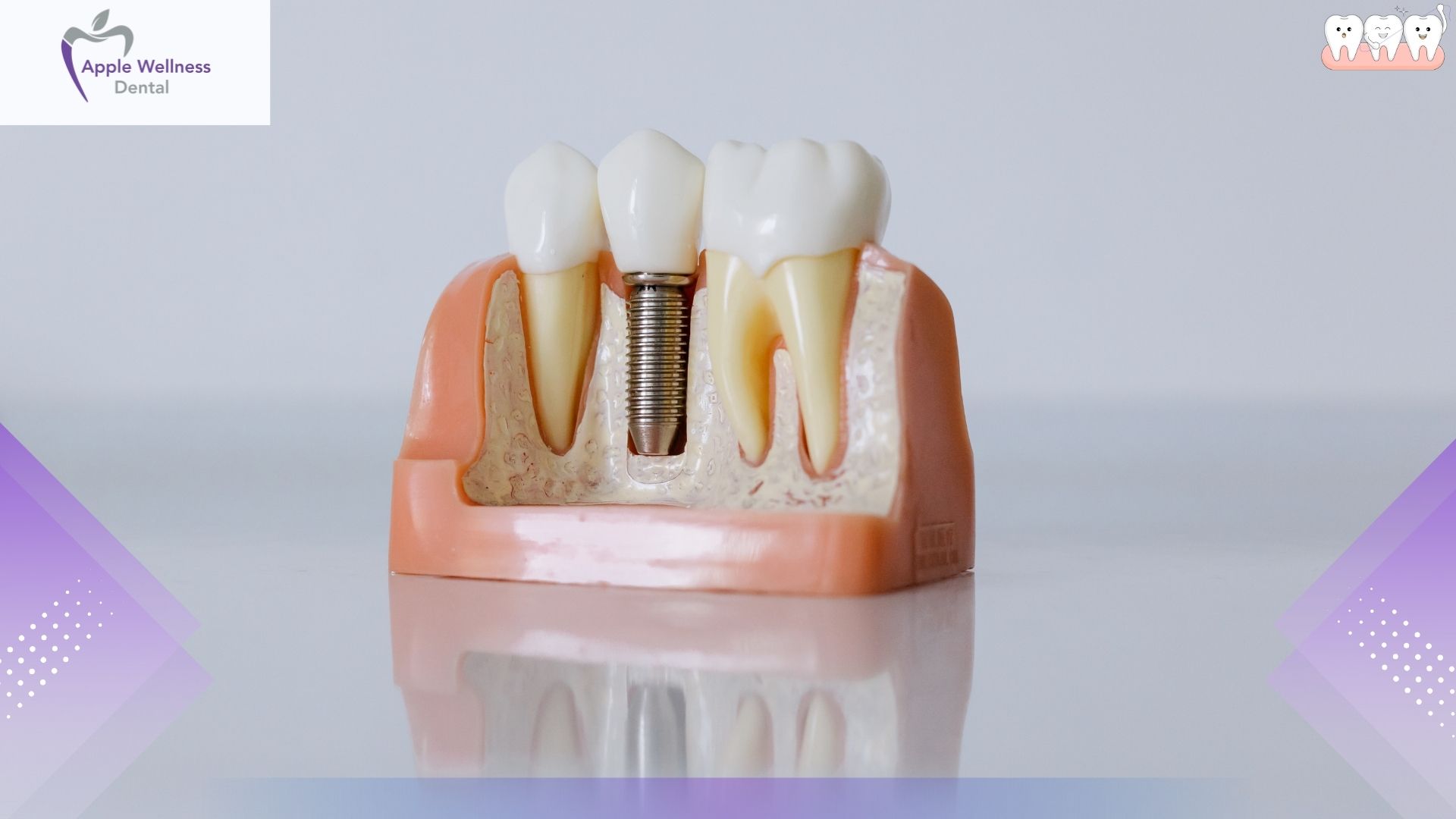
A dental bridge consists of several key components that work together to replace missing teeth and restore oral function. The pontic, which is the artificial tooth that replaces the missing natural tooth, forms the central part of the bridge. This pontic is supported by crowns that fit over the adjacent natural teeth, called abutment teeth, which serve as anchors for the entire structure.
The design of dental bridges follows engineering principles similar to architectural bridges, distributing the forces of chewing across multiple supporting structures. This distribution of force is crucial for the long-term success of the restoration and helps prevent overloading of individual teeth. The strength and stability of a dental bridge depend heavily on the health and positioning of the abutment teeth, which is why thorough evaluation and preparation are essential.
Different types of bridges are available depending on your specific situation and needs. Traditional bridges are the most common type, using crowns on adjacent teeth to support the pontic. Cantilever bridges may be used when there’s only one adjacent tooth available for support, though these are less common due to the increased stress on the supporting tooth. Maryland bridges, also called resin-bonded bridges, use metal or ceramic wings bonded to the back of adjacent teeth and are typically used for front teeth where the forces are lower.
The materials used in bridge construction have advanced significantly, with modern options providing excellent strength, durability, and aesthetics. Porcelain and ceramic materials can be precisely matched to your natural tooth color and translucency, creating restorations that are virtually indistinguishable from natural teeth. These materials are also biocompatible and resist staining, helping maintain the bridge’s appearance over time.
The success of a dental bridge depends on careful planning and execution of each phase of construction. Your dentist will evaluate factors such as the condition of potential abutment teeth, your bite pattern, the forces that will be placed on the bridge, and your aesthetic goals. This comprehensive assessment ensures that the bridge design will provide optimal function and longevity while meeting your expectations for appearance and comfort.
Initial Consultation and Treatment Planning

For additional context, see our in-depth resource.
The bridge-building process begins with a comprehensive consultation where your dentist evaluates your oral health, discusses your goals, and determines the best approach for your specific situation. This initial appointment involves a thorough examination of your teeth, gums, and bite, along with X-rays to assess the condition of potential abutment teeth and surrounding bone structure. Your dentist will also review your medical history and any medications that might affect treatment.
During the planning phase, your dentist will explain the different options available and help you understand the benefits and considerations of each approach. This discussion includes reviewing the timeline for treatment, what to expect during each appointment, and how to care for your bridge once it’s placed. Digital imaging and models may be used to show you what your finished bridge will look like and how it will function.
The evaluation of abutment teeth is particularly critical, as these teeth will bear the additional load of supporting the pontic. Your dentist will assess the root structure, amount of remaining tooth structure, and overall health of these teeth. If any issues are identified, such as decay or gum disease, these must be addressed before bridge construction can begin. In some cases, root canal treatment may be necessary if the abutment teeth have been compromised.
Bite analysis plays a crucial role in bridge design, as the restoration must function harmoniously with your existing teeth and jaw movement. Your dentist will evaluate how your teeth come together when you bite and chew, identifying any areas of excessive force or interference that could affect the bridge’s longevity. This analysis helps determine the optimal shape and contours for the bridge to ensure comfortable function and even wear patterns.
Financial planning and insurance considerations are also discussed during the initial consultation. Your dental team will provide detailed information about the cost of treatment and help you understand your insurance benefits. Many dental practices offer payment plans or financing options to make treatment more accessible. Understanding the investment involved helps you make an informed decision about proceeding with bridge treatment and allows you to plan accordingly.
The consultation appointment also provides an opportunity for you to ask questions and address any concerns about the treatment process. Your dentist will explain each step in detail, including what sensations you might experience and how any discomfort will be managed. This open communication helps build confidence in the treatment plan and ensures that you’re fully prepared for the bridge construction process.
Tooth Preparation and Impression Taking
For additional context, see expert insights in this article.
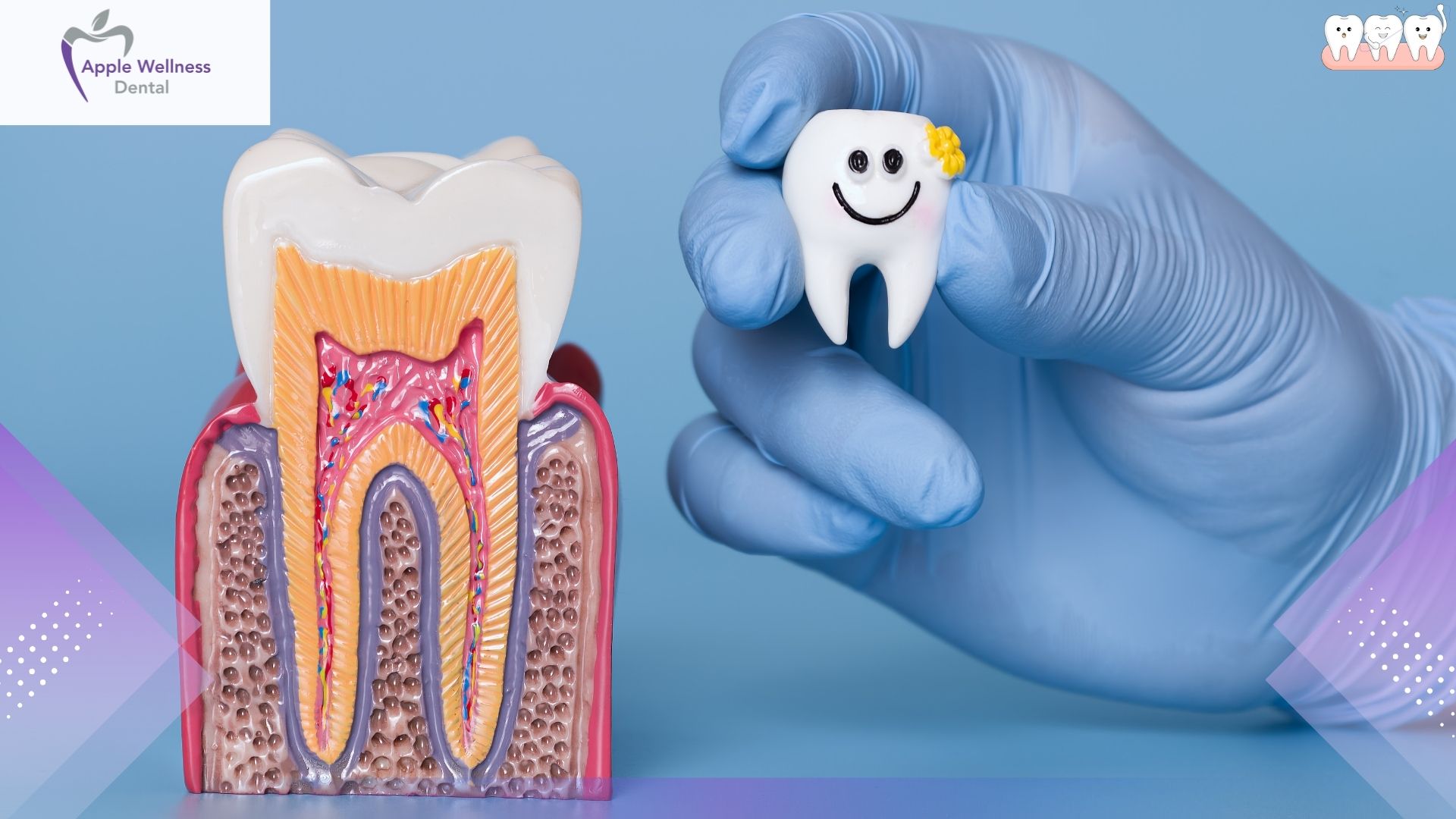
The tooth preparation phase is one of the most critical steps in bridge construction, as it creates the foundation for your new restoration. This process involves carefully reshaping the abutment teeth to accommodate the bridge crowns while preserving as much healthy tooth structure as possible. Your dentist will use local anesthesia to ensure your comfort throughout the preparation process, which typically takes 1-2 hours depending on the number of teeth involved.
The preparation process requires precise removal of tooth structure to create space for the crown portion of the bridge while maintaining adequate tooth strength and retention. Your dentist uses specialized rotary instruments to carefully reduce the tooth surfaces, creating specific angles and contours that will allow the bridge to fit securely and function properly. The amount of tooth structure removed is carefully calculated to provide adequate strength for the restoration while preserving the tooth’s vitality whenever possible.
Creating an accurate impression is essential for fabricating a bridge that fits precisely and functions correctly. Modern impression techniques may involve traditional materials like alginate or polyvinyl siloxane, or digital scanning technology that creates highly detailed 3D models of your prepared teeth. Digital impressions offer several advantages, including greater accuracy, immediate verification of quality, and faster communication with the dental laboratory.
The impression process captures not only the prepared teeth but also the surrounding tissues and opposing teeth to ensure proper fit and bite relationship. Your dentist will take multiple impressions or scans to verify accuracy and may use specialized techniques to manage any bleeding or moisture that could compromise the impression quality. Bite registration records are also taken to ensure that the laboratory can fabricate the bridge with the correct relationship to your opposing teeth.
Color matching is another crucial aspect of this appointment, particularly for bridges in visible areas of your mouth. Your dentist will use shade guides and may take photographs under different lighting conditions to communicate the desired color to the laboratory technician. Factors such as the translucency of your natural teeth, any existing restorations, and your preferences for the final appearance are all considered in this process.
A temporary bridge is fabricated and placed during this appointment to protect the prepared teeth and maintain function while your permanent bridge is being made. This temporary restoration is carefully fitted and adjusted to ensure comfort and proper bite relationship. Your dentist will provide specific instructions for caring for the temporary bridge, including dietary restrictions and oral hygiene recommendations to prevent damage or displacement.
Laboratory Fabrication Process
For additional context, see step-by-step instructions.
Once your impressions are sent to the dental laboratory, skilled technicians begin the meticulous process of creating your custom bridge. The laboratory fabrication phase typically takes 1-2 weeks and involves multiple steps to ensure that your bridge meets the highest standards for fit, function, and aesthetics. The process begins with creating a precise working model from your impressions, which serves as the foundation for all subsequent fabrication steps.
The laboratory technician carefully analyzes your case, reviewing the dentist’s prescription, shade selection, and any special instructions. The working model is examined to understand the spatial relationships, bite patterns, and aesthetic requirements for your bridge. This analysis guides decisions about material selection, design modifications, and fabrication techniques that will be used to create your restoration.
Modern bridge fabrication may involve traditional hand-crafting techniques, computer-aided design and manufacturing (CAD/CAM) technology, or a combination of both approaches. CAD/CAM technology allows for highly precise design and milling of bridge frameworks, while hand-crafting techniques enable artistic refinement of surface textures and color characteristics. The choice of fabrication method depends on the materials being used and the specific requirements of your case.
The framework of your bridge is created first, providing the structural foundation that will support the forces of chewing and speaking. This framework may be made from high-strength materials such as zirconia, metal alloys, or reinforced ceramics, depending on the location of the bridge and aesthetic requirements. The framework is carefully designed to provide optimal strength while allowing adequate space for the overlying porcelain or ceramic layers.
Layering and characterization of the bridge surface require artistic skill and technical expertise to create a restoration that matches your natural teeth. The technician applies multiple layers of porcelain or ceramic material, carefully building up the anatomy, surface texture, and color characteristics that will make your bridge look natural. This process may involve multiple firing cycles in specialized ovens to properly fuse and strengthen the materials.
Quality control measures throughout the fabrication process ensure that your bridge meets strict standards for accuracy and quality. The technician checks the fit on the working model, verifies the bite relationship, and examines the aesthetics before sending the bridge back to your dentist. Any issues identified during this quality control process are corrected before the bridge leaves the laboratory, helping ensure a successful outcome when it’s placed in your mouth.
Final Placement and Adjustment
The final placement appointment is when your custom-fabricated bridge is permanently installed and fine-tuned for optimal comfort and function. This appointment typically takes 1-2 hours and involves several important steps to ensure that your bridge fits properly, functions correctly, and meets your aesthetic expectations. Your dentist will begin by carefully removing the temporary bridge and cleaning the prepared teeth to ensure optimal bonding conditions.
The fit of your new bridge is thoroughly evaluated before any permanent attachment takes place. Your dentist will check the margins where the bridge meets your natural teeth, ensuring that there are no gaps or overhangs that could trap food or bacteria. The contact points between the bridge and adjacent teeth are also verified to ensure proper spacing and flossing access. Any minor adjustments needed for optimal fit are made at this time using specialized instruments.
Bite evaluation and adjustment are critical components of the placement process. Your dentist will use articulating paper or other marking materials to identify areas where the bridge contacts your opposing teeth during biting and chewing movements. The goal is to achieve even contact and smooth function that feels natural and comfortable. Multiple adjustments may be necessary to fine-tune the bite relationship and eliminate any high spots or interferences.
The cementing process requires careful attention to detail to ensure a strong, long-lasting bond between the bridge and your natural teeth. Your dentist will clean and prepare the tooth surfaces, apply the appropriate bonding agents or cement, and carefully position the bridge. Excess cement is meticulously removed from around the margins and contact areas to prevent gum irritation and maintain good oral hygiene access.
Post-placement evaluation includes checking your comfort level, bite relationship, and initial aesthetic satisfaction. Your dentist will provide detailed instructions for caring for your new bridge, including proper brushing and flossing techniques, dietary recommendations, and signs to watch for that might indicate problems. A follow-up appointment may be scheduled to check the bridge after you’ve had time to adjust to it and to address any concerns that arise.
The importance of proper oral hygiene and regular dental care cannot be overstated for maintaining your bridge’s longevity. Your dental team will demonstrate proper cleaning techniques and may recommend specific products such as floss threaders or water flossers to help you maintain optimal oral health. Regular professional cleanings and examinations are essential for monitoring the bridge and surrounding tissues to ensure continued success.
Caring for Your Dental Bridge
Proper care and maintenance of your dental bridge are essential for ensuring its longevity and protecting your overall oral health. Unlike natural teeth, bridges require special attention to cleaning techniques and preventive care to prevent complications such as decay, gum disease, or bridge failure. Understanding how to properly care for your bridge will help you maximize your investment and enjoy years of comfortable function.
Daily oral hygiene for bridge patients involves modified techniques that address the unique challenges of cleaning around and under the bridge structure. Regular brushing with a soft-bristled toothbrush and fluoride toothpaste remains important, but special attention must be paid to the areas where the bridge meets your natural teeth. These margin areas are particularly susceptible to plaque accumulation and require thorough daily cleaning to prevent problems.
Flossing around a dental bridge requires special techniques or tools since traditional floss cannot pass between the connected crowns and pontic. Floss threaders, which allow you to guide floss under the pontic, are essential tools for bridge patients. Water flossers can also be highly effective for cleaning around bridges, using pressurized water to remove food particles and bacteria from hard-to-reach areas. Your dental hygienist can demonstrate these techniques and help you develop an effective daily routine.
Dietary considerations play an important role in bridge maintenance and longevity. While modern bridges are quite strong and can handle most foods, certain precautions can help prevent damage or premature wear. Avoiding extremely hard foods like ice, hard candies, or nuts can prevent chipping or fracturing of the bridge material. Sticky foods should also be consumed with caution, as they can potentially dislodge temporary restorations or accumulate around the bridge margins.
Regular professional care is crucial for maintaining your bridge and monitoring for potential problems. Professional cleanings allow your hygienist to thoroughly remove plaque and tartar from areas that may be difficult to reach with home care. Your dentist will also examine the bridge during these visits, checking for signs of wear, loose margins, or other issues that might require attention. Early detection of problems allows for simpler and less expensive interventions.
Signs that may indicate problems with your bridge include sensitivity, pain, looseness, or changes in your bite. Bad breath or a persistent bad taste may suggest bacterial accumulation around the bridge margins. Any of these symptoms should prompt a call to your dentist for evaluation. Prompt attention to problems can often prevent more serious complications and extend the life of your bridge. For patients who have had extractions before getting their bridge, understanding proper post-operative care is crucial for optimal healing and bridge success.
Apple Wellness Dental: Your Bridge Construction Experts
At Apple Wellness Dental, we understand that replacing missing teeth is about more than just restoring your smile – it’s about giving you back your confidence, comfort, and quality of life. Our experienced team has helped countless patients throughout the community restore their oral health with expertly crafted dental bridges that provide lasting results. We combine advanced technology with personalized care to ensure that every bridge we create meets the highest standards for fit, function, and aesthetics.
Our comprehensive approach to bridge construction begins with a thorough evaluation of your oral health and a detailed discussion of your goals and concerns. We take the time to explain every aspect of the treatment process, from initial planning through final placement and long-term care. This educational approach helps our patients feel confident and comfortable throughout their treatment journey, knowing exactly what to expect at each step.
The technology and materials we use at Apple Wellness Dental represent the latest advances in restorative dentistry. Our digital impression systems provide exceptional accuracy while improving patient comfort compared to traditional impression materials. We work with premier dental laboratories that share our commitment to quality and precision, ensuring that every bridge we place meets our exacting standards for excellence.
Our team’s expertise extends beyond just the technical aspects of bridge construction to include the artistry required for creating natural-looking restorations. We understand that every patient’s smile is unique, and we take great care in matching the color, shape, and characteristics of your bridge to your natural teeth. This attention to detail ensures that your bridge not only functions properly but also enhances your overall appearance.
Patient comfort and satisfaction are our top priorities throughout the bridge construction process. We use the latest techniques for pain management and anxiety control, ensuring that your treatment experience is as comfortable as possible. Our team is always available to address questions or concerns that may arise during treatment, and we provide comprehensive aftercare instructions to help you maintain your bridge for years to come.
The long-term success of your dental bridge depends not only on expert construction and placement but also on ongoing preventive care and maintenance. Our hygiene team is specially trained in caring for patients with bridges and other restorative work, providing the specialized cleaning and monitoring needed to protect your investment. We also provide guidance on home care techniques and recommend products that will help you maintain optimal oral health. If you’re considering the cost of tooth replacement options, our team can provide detailed information about bridge treatment and help you understand the value this investment provides for your oral health and quality of life.
Frequently Asked Questions
How long does the entire bridge construction process take from start to finish?
The complete bridge construction process typically takes 2-4 weeks from the initial preparation appointment to final placement. The first appointment involves tooth preparation and impression taking, which usually takes 1-2 hours. The laboratory fabrication phase requires 1-2 weeks, during which time you’ll wear a temporary bridge. The final placement appointment takes another 1-2 hours for fitting, adjusting, and cementing the permanent bridge.
Will I experience pain during the bridge construction process?
Most patients experience minimal discomfort during bridge construction thanks to modern anesthetic techniques and pain management protocols. Local anesthesia is used during tooth preparation to ensure comfort, and any post-treatment sensitivity is typically mild and short-lived. Your dentist will provide specific instructions for managing any discomfort and may recommend over-the-counter pain relievers if needed.
How long can I expect my dental bridge to last?
With proper care and maintenance, dental bridges typically last 10-15 years, and many last even longer. The longevity of your bridge depends on factors such as oral hygiene, diet, grinding or clenching habits, and regular professional care. Following your dentist’s recommendations for home care and attending regular checkups will help maximize your bridge’s lifespan.
Can I eat normally with a dental bridge?
Yes, dental bridges are designed to restore normal chewing function, allowing you to enjoy most foods comfortably. However, some dietary modifications may be recommended, particularly avoiding extremely hard or sticky foods that could damage the bridge. During the initial adjustment period, you may want to start with softer foods and gradually return to your normal diet as you become accustomed to the bridge.
What happens if one of the supporting teeth develops problems?
If an abutment tooth develops decay, gum disease, or other problems, prompt treatment is essential to preserve the bridge. Depending on the severity of the issue, treatment might involve simple restoration of the tooth, root canal therapy, or in severe cases, replacement of the entire bridge. Regular dental checkups help detect problems early when they’re easier and less expensive to treat.
How do I clean under and around my dental bridge?
Cleaning around a dental bridge requires special techniques and tools. Floss threaders allow you to guide floss under the pontic to remove plaque and food particles. Water flossers are also excellent for cleaning around bridges, using pressurized water to flush out debris. Your dental hygienist will demonstrate proper cleaning techniques and recommend specific products for maintaining your bridge.
Are there alternatives to traditional dental bridges?
Yes, alternatives to traditional bridges include dental implants, partial dentures, and in some cases, orthodontic treatment to close gaps. Dental implants don’t require modification of adjacent teeth but require adequate bone structure and healing time. Your dentist will discuss all available options and help you choose the best solution based on your specific situation, health, and preferences.
What should I do if my temporary bridge becomes loose or falls out?
If your temporary bridge becomes loose or dislodged, contact your dentist immediately for guidance. In the meantime, keep the temporary bridge clean and avoid chewing on that side of your mouth. Don’t attempt to re-cement the temporary bridge yourself, as improper placement could interfere with the fit of your permanent bridge. Your dentist will provide specific instructions based on your situation and may need to see you for emergency care.
Conclusion
Understanding how dental bridges are built empowers you to make informed decisions about your oral health and feel confident about the treatment process. From the initial consultation and careful planning through the precise laboratory fabrication and final placement, every step in bridge construction is designed to provide you with a restoration that looks natural, functions properly, and lasts for many years.
The investment in a dental bridge extends far beyond the financial cost – it’s an investment in your quality of life, confidence, and long-term oral health. Modern bridge construction techniques and materials have made it possible to create restorations that are virtually indistinguishable from natural teeth while providing the strength and durability needed for comfortable daily function. The careful attention to detail in design, fabrication, and placement ensures that your bridge will serve you well for years to come.
Success with dental bridges depends on choosing an experienced dental team, following proper care instructions, and maintaining regular professional care. The time spent learning about proper oral hygiene techniques for bridge care and attending regular checkups is a small investment that pays significant dividends in terms of bridge longevity and overall oral health. Your commitment to these preventive measures will help ensure that your bridge continues to provide excellent service throughout its lifespan.
If you’re considering a dental bridge to replace missing teeth, take the time to discuss all your options with a qualified dental professional. Understanding the process, timeline, and expectations will help you feel more comfortable with treatment and better prepared for the journey ahead. With proper planning, expert construction, and diligent care, a dental bridge can restore not just your smile, but your confidence and quality of life for many years to come.