
Dental Cavity Detection Technology: How Dentists Find Decay Earlier Than Ever
A cavity rarely starts as a dramatic toothache. It often begins quietly, as a small area of enamel loses minerals, and you may not feel a thing until the damage is deeper. Tooth decay is damage to a tooth’s surface (enamel), and catching it earlier can help you avoid bigger repairs later. That’s where dental cavity detection technology changes the experience: instead of guessing based on what you feel, we can look for early changes you can’t see in a mirror.
In this guide, you’ll learn what today’s detection tools actually do, what they’re good at, and what their limits are. We’ll also show you how we use these findings to plan care that fits your mouth, your risk factors, and your comfort level—without pushing you into unnecessary treatment.
Key Takeaways
-
Dental cavity detection technology helps find decay between teeth, under old dental work, and in early stages that may not hurt yet.
-
Bitewing X-rays remain a standard way to spot many cavities, especially between back teeth.
-
Non-ionizing light-based imaging (like near‑infrared transillumination) can highlight early lesions without radiation in certain situations.
-
AI tools can support dentists by marking areas of concern on dental images, helping reduce missed findings in some studies.
-
The best results come from combining technology with a hands-on exam, your health history, and regular dental visits.
Overview
You’re going to see a lot of buzzwords around scanning, digital imaging, and AI in dentistry. In this article, we break down the main types of dental cavity detection technology you may encounter, including visual exams, bitewing X-rays, laser/fluorescence tools, near‑infrared transillumination, and AI-assisted image review. Along the way, you’ll learn what each tool is best at finding, why “early” matters for tooth structure and cost, and what you can do to lower your cavity risk between visits. We’ll also answer common questions in plain language and explain how we can help you turn detection into a clear next step—not confusion.
What “cavity detection” really means
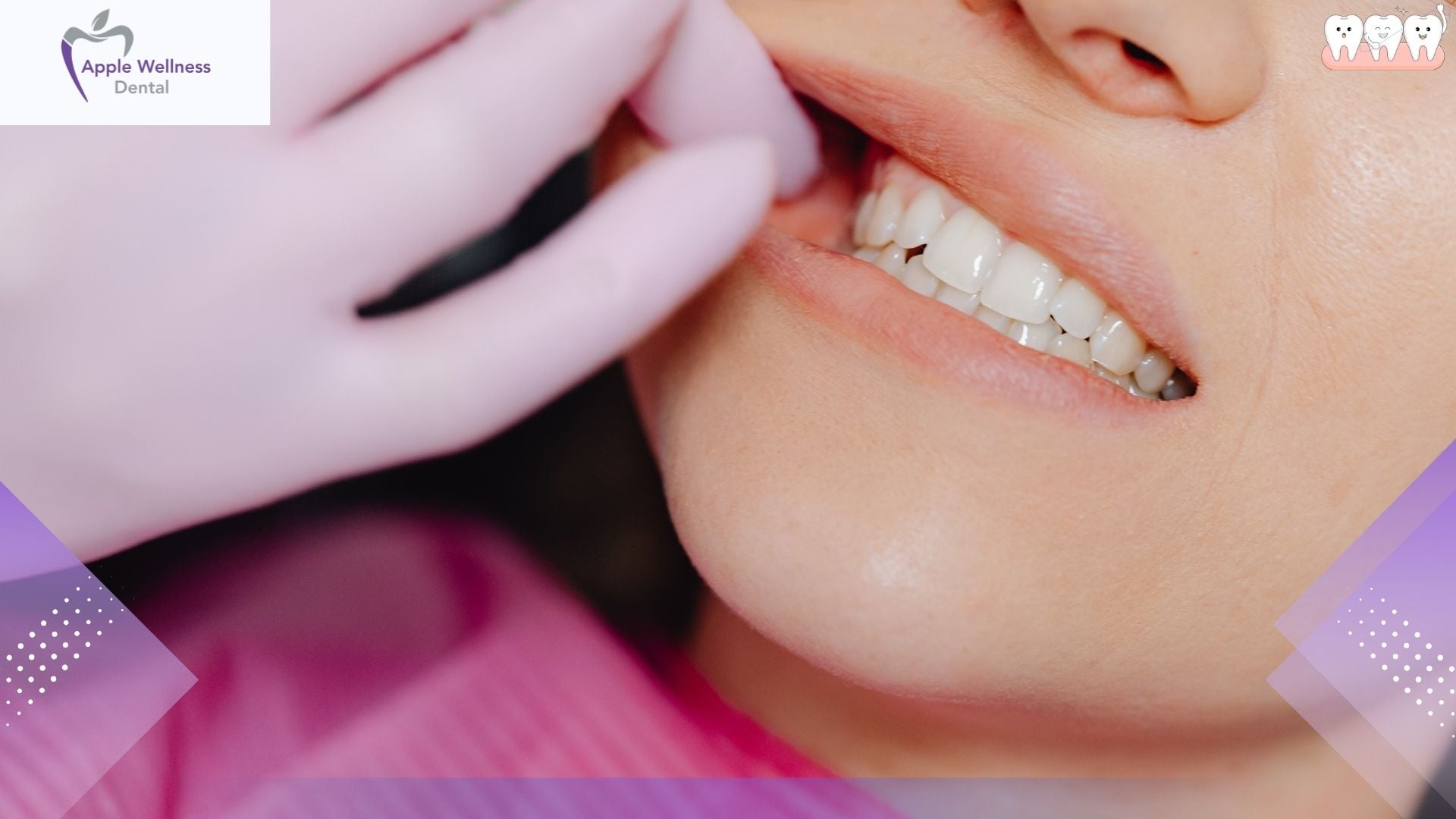
A cavity is not just a “hole.” Many cavities begin as early mineral loss, and that stage can look like a faint white spot or a subtle change in enamel texture. If decay progresses, it can move from enamel into dentin (the softer layer underneath), and that’s when problems tend to accelerate and sensitivity can show up.
From your perspective, detection should answer three practical questions:
-
Where is the decay (between teeth, on the chewing surface, near the gumline, or under an old filling)?
-
How deep does it look right now (early enamel change vs. deeper dentin involvement)?
-
What is the safest next step for you (monitor, strengthen enamel, seal, fill, or treat deeper infection)?
For background on what tooth decay is and why it develops, you may also want to read our guide on what causes tooth decay.
The core tools in dental cavity detection technology
Technology doesn’t replace clinical judgment; it improves what we can see and measure. Most modern exams use a combination approach, because cavities don’t all behave the same way or show up the same way.
Visual exam (and why it still matters)
Your exam starts with what we can see directly: enamel color changes, surface breakdown, plaque patterns, gum health, and areas where food traps easily. We also check bite forces and wear patterns, because cracks and heavy grinding can mimic cavity symptoms.
A careful visual exam matters because some “high-tech” findings are false alarms if the tooth surface is stained or has natural grooves. On the other hand, the eye alone can miss early lesions between teeth—so we use other tools when indicated.
Bitewing X-rays (a mainstay for “between-teeth” decay)
Bitewing radiographs are commonly used to detect cavities between back teeth, where toothbrush bristles and even floss can miss trouble spots if your contacts are tight. Research articles describing standard detection methods frequently reference bitewings as a key method for proximal (between-teeth) caries detection, often paired with a visual exam. In daily life, this matters because the “hidden” cavity is the one that can grow for months or years without pain.
If you want a plain-language foundation first, see our post on what is a dental X-ray or our deeper explainer on why dental X-rays matter.
External resource (radiation safety): Dental imaging follows the ALARA principle (“as low as reasonably achievable”) to limit radiation exposure while still getting useful diagnostic information.
Digital radiography and image clarity
Digital X-rays let us enlarge images, adjust contrast, and compare changes over time more easily than older film approaches. That matters when you’re tracking early enamel changes or watching a borderline area that doesn’t need drilling today.
What you should know: even excellent imaging has limits. Overlapping tooth contacts, patient movement, and restorations can hide details, which is why we often combine images with other methods when a tooth is suspicious.
Near-infrared transillumination (NIRI): “light through the tooth”
Near‑infrared transillumination is a nonionizing imaging approach that shines near‑infrared light through tooth structure; mineral loss changes how the light scatters and absorbs, so caries can appear as darker regions. In other words, it can give a different “view” than an X-ray—especially helpful for certain early lesions and for patients who want minimal radiation whenever appropriate.
External resource (NIRI basics): PubMed summaries describe near‑infrared transillumination as a promising nonionizing method for early caries detection.
Laser fluorescence and fluorescence-based detection
Some devices use light to detect changes in tooth structure associated with decay. You’ll hear these tools described as “laser cavity detection” or “fluorescence detection,” and they can be helpful for pits and grooves on chewing surfaces where tiny lesions can hide.
The important nuance is this: these tools can be sensitive, but they can also react to staining, plaque, or calculus. That’s why a reading from a device should never be the only reason you get a filling. It should be one part of a bigger clinical picture.
For context on how we talk about modern detection methods in our practice, you can also read Innovations in cavity detection technology.
AI-assisted cavity detection (support, not autopilot)
AI in dentistry usually means software that analyzes dental images (often bitewings) and highlights areas that may represent decay. Peer-reviewed research has found that deep learning systems can improve diagnostic performance for clinicians in some study settings when used as reference support. That can be useful in reducing human variability—because dentists are human, and subtle early decay can be easy to miss on a busy day.
At the same time, AI is not a diagnosis by itself. It doesn’t know your symptoms, your saliva flow, your diet, your home care, or whether a shadow is actually decay or a harmless overlap. We treat AI as a second set of eyes, then confirm findings with the full exam.
External resource (AI evidence): A deep learning study on bitewing radiographs reported measurable performance metrics and clinician improvement when using the model’s output as reference data.
Quick comparison: which technology finds what?
Here’s a practical, patient-focused view of how dental cavity detection technology options compare.
| Technology | Best at finding | What you should know |
|---|---|---|
| Visual exam | Surface changes, obvious breakdown, gumline areas | Fast and essential, but can miss early “between-teeth” cavities |
| Bitewing X-rays | Between-teeth decay, some under-restoration issues | Often paired with visual exam; radiation kept low under ALARA |
| Near‑infrared transillumination | Early lesions via nonionizing light | Can complement X-rays; not every case uses it |
| Fluorescence/laser tools | Pits and grooves, early surface concerns | Can be influenced by stain/plaque; needs clinical confirmation |
| AI-assisted image review | Subtle patterns on radiographs | Helps reduce misses in some studies, still needs dentist verification |
Why earlier detection can change your treatment plan
When you catch decay early, you often have more conservative options. A very early enamel lesion may be monitored and strengthened with better home care, fluoride, or other preventive steps—depending on your risk. Once decay breaks through enamel into dentin, it’s more likely to require a filling because dentin is softer and decay can spread faster there.
This is also where your personal risk profile matters. Two people can have the same tiny lesion, but different realities:
-
If you have dry mouth, frequent snacking, or a history of cavities, that lesion may progress quickly.
-
If your diet is low in sugar exposure, your home care is consistent, and your saliva flow is healthy, we may be able to watch it safely.
If you want prevention strategies that support what we find in your exam, read how to prevent cavities naturally.
External resource (tooth decay fundamentals): NIDCR explains tooth decay as damage to enamel and provides prevention and treatment context that aligns with early intervention goals.
What to expect at your appointment (and how to prepare)
Most of the time, there’s nothing complicated you need to do beforehand. Still, a few small steps help us get cleaner data:
Share what you’re feeling (even if it seems minor)
Tell us if you notice cold sensitivity, food getting stuck in one spot, rough edges, bad taste, or intermittent pain. That information helps us decide whether to focus extra attention on a certain tooth or take a specific image view.
Bring your questions about imaging and safety
If you’re pregnant, have had a lot of imaging recently, or are simply cautious about radiation, tell us. Dental radiography safety is guided by minimizing exposure while still getting clinically useful information. We’ll talk through what’s needed and what can wait.
Plan for “next steps” if we find something
If we detect a cavity that needs treatment, we’ll explain:
-
Where it is and what we’re seeing
-
Whether it looks early or more advanced
-
Your options (watch, preventive support, filling, or deeper care)
-
Timing and what happens if you delay
If a filling is recommended, you may also find it helpful to read what is a dentist filling or our guide to types of dental fillings.
Common myths (and what we prefer you do instead)
“If it doesn’t hurt, it’s not a cavity”
Many cavities do not hurt until they’re deeper. Pain is a late signal, not an early one. Detection technology helps you avoid waiting for pain as the trigger.
“I’ll just rinse more / brush harder”
If decay is present, scrubbing harder won’t rebuild lost tooth structure. What helps is: professional confirmation, a prevention plan when appropriate, and treatment when needed.
“A scan means I definitely need a filling”
A scan means we have more information. We still interpret it with your exam, your risk, and what the tooth surface looks like in real life.
If you’ve ever postponed visits and wondered what the risk really is, you might also read risks of not visiting a dentist.
A seamless next step (with our NAP details)
If you’re ready to move from guessing to knowing, book a checkup where we can apply dental cavity detection technology in a way that fits your needs and comfort. You can reach Apple Wellness Dental at 229 1st Street SW, Airdrie, AB, or call +1 587 332 6767 to schedule your visit. When we find early changes, we’ll explain them clearly and help you choose the most sensible path forward—so you’re not left wondering what that “tiny spot” will become.
CTA sentence you can insert in your conclusion: If you want a clear answer backed by dental cavity detection technology, Apple Wellness Dental can assess your teeth and guide you to the right next step.
Common Questions About dental cavity detection technology
Q: What is dental cavity detection technology, in simple terms?
A:
Dental cavity detection technology refers to tools that help your dentist find tooth decay earlier and more accurately than a visual exam alone. That often includes bitewing X-rays, digital imaging adjustments, light-based scans, and sometimes AI-assisted image review. We use the results together to decide whether you need prevention, monitoring, or treatment.
Q: Can an X-ray always show a cavity?
A:
X-rays are very useful, especially for cavities between teeth, but they’re not perfect. Overlapping contacts, tooth shape, and existing dental work can hide detail. That’s why many clinicians combine a visual exam with bitewing radiography as a standard approach for proximal cavity detection. We also compare findings over time when needed.
Q: Is near-infrared cavity scanning safer than X-rays?
A:
Near‑infrared transillumination uses light rather than ionizing radiation, and PubMed summaries describe it as a nonionizing method with promise for early caries detection. “Safer” depends on your situation, because X-rays are already taken using exposure-minimizing principles like ALARA. We choose tools based on what gives you a clear answer.
Q: Does AI mean a computer is diagnosing my cavity?
A:
AI in dentistry generally marks suspicious areas on dental images to support the dentist’s interpretation. Research has shown that deep learning systems can help clinicians improve performance in some controlled settings when the AI output is used as reference information. Still, your diagnosis comes from a licensed dentist reviewing images with your exam and history.
Q: Why do cavities sometimes show up “between teeth” first?
A:
The tight contact between two teeth is hard to see and hard to clean perfectly every day. Plaque can linger there, and early decay can progress without obvious surface breakdown. Bitewing X-rays are commonly used for finding these proximal lesions because they let us see areas your eyes and toothbrush can’t.
Q: If you find a very early cavity, do I always need a filling?
A:
Not always. Some early enamel changes can be monitored and managed with prevention strategies if the tooth surface is intact and your risk factors are controlled. If the lesion is deeper or progressing, a filling may be the smarter choice to stop the decay from spreading. We’ll explain what we see and why we recommend a certain path.
Q: How often should you get cavity-detection imaging?
A:
There isn’t one schedule for everyone. Imaging frequency depends on your age, cavity history, diet, saliva flow, and whether you have restorations that need monitoring. Radiation safety principles aim to keep exposure low while still making the exam effective. We’ll recommend timing based on your risk, not a generic interval.
Q: Can these technologies find cavities under old fillings or crowns?
A:
Sometimes, yes—especially if there are clear signs of “secondary decay” near the edges of restorations. However, metal or thick materials can block or distort images, and light-based tools may have limitations around restorations. That’s why we combine your symptoms, visual inspection, and imaging to decide whether something truly needs treatment.
Q: What should I do if I suspect a cavity but can’t see anything?
A:
Book an exam rather than waiting for pain. Early decay can be invisible to you but detectable with a professional evaluation and appropriate imaging. If you’ve had dental work before, changes can also relate to a worn or damaged restoration—our team can sort out the cause and help you plan the next step safely.
Q: What’s the biggest benefit of modern cavity detection for patients?
A:
Clarity. When we can detect decay earlier, you’re less likely to be surprised by a sudden toothache or a large repair. Tools like bitewings, nonionizing light imaging, and AI-assisted review can help reduce missed areas in the right context. The goal is simpler care and fewer emergencies.
Conclusion
Dental cavity detection technology is about catching problems while they’re still manageable—before they become painful, expensive, or urgent. When you combine a clinical exam with the right imaging and modern tools, you get a more complete picture of what’s happening in your teeth today and what’s likely to happen next. If you’ve been “waiting to see if it goes away,” consider this your sign to get a clear answer and a plan.
If you want a clear answer backed by dental cavity detection technology, Apple Wellness Dental can assess your teeth and guide you to the right next step. What would change for you this year if you stopped guessing about that one tooth and finally knew what it needed?