
What to Do If Your Tooth Extraction Is Still Bleeding Before Bed
You should not go to sleep if your tooth extraction site is actively bleeding, but light pink oozing mixed with saliva is perfectly normal and safe to sleep with. Achieving primary hemostasis—the initial clotting of blood—is critical before lying down for the night. Going to sleep with an active hemorrhage presents severe choking hazards, induces severe nausea from swallowed blood, and significantly increases the risk of dislodging the newly formed blood clot.
Key Takeaways
- Active, heavy bleeding must be completely controlled before going to sleep.
- Light pink saliva (minor oozing) is a normal part of the healing process for up to 24 to 48 hours post-surgery.
- Bite firmly on sterile gauze for 30 to 45 minutes to encourage a stable fibrin network and blood clot formation.
- Elevate your head with two or three pillows at a 45-degree angle while sleeping to reduce local hydrostatic pressure.
- If standard gauze fails, apply a damp black tea bag; its tannic acid acts as an astringent to constrict blood vessels.
- Contact an emergency dental professional immediately if heavy bleeding fills your mouth rapidly or continues past standard home interventions.
Understanding Normal Oozing vs. Active Hemorrhaging
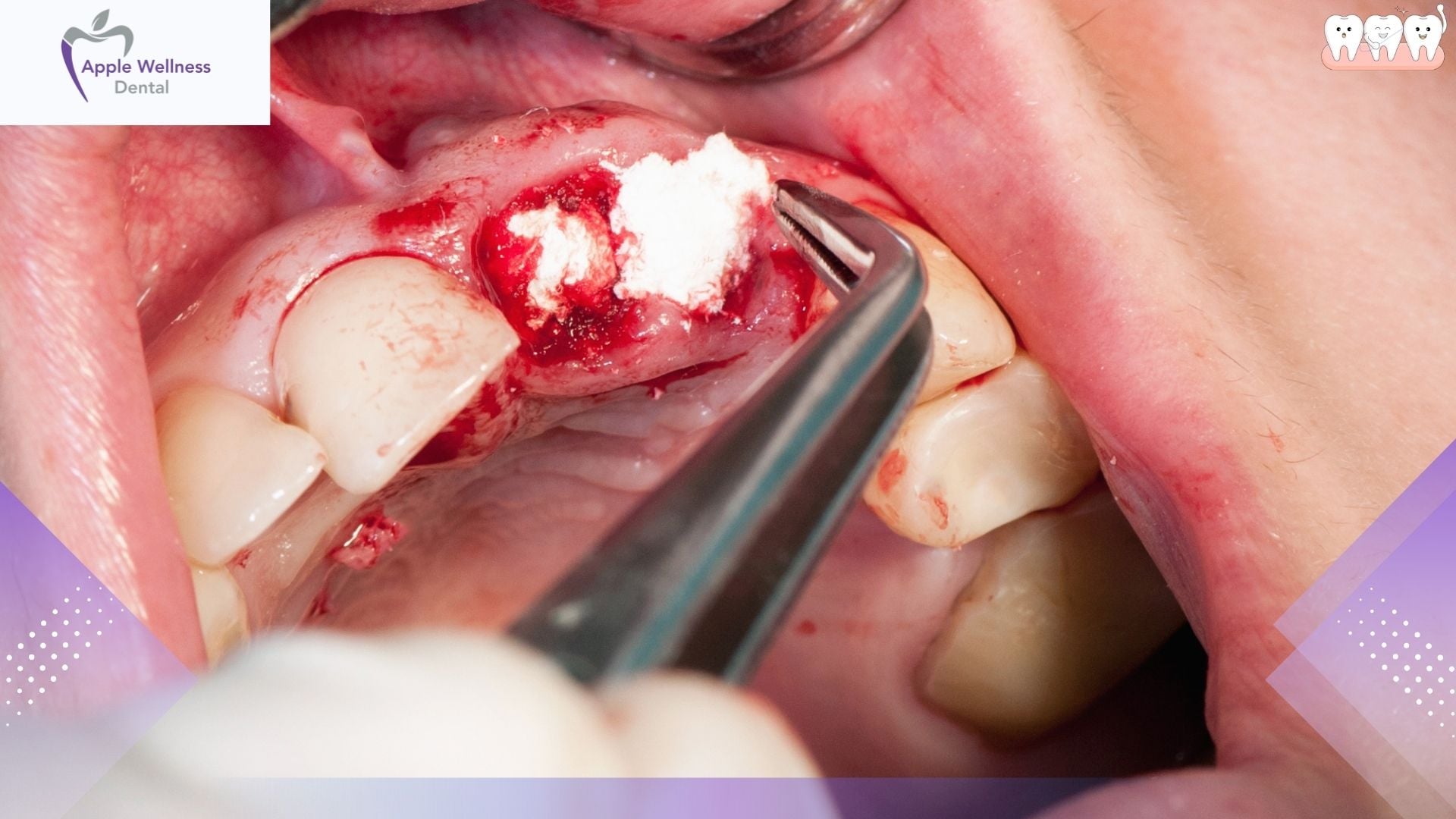
After a dental procedure, the body immediately begins the complex biological process of hemostasis. Platelets rush to the surgical site, aggregating to form a protective fibrin network. During this initial phase, it is entirely expected to see some blood in your saliva. A common patient misconception is that a mouthful of red-tinted saliva equates to massive blood loss.
According to clinical data from the American Dental Association, true postoperative hemorrhage is rare, occurring in only 1% to 2% of routine extractions. However, normal oozing can persist for 24 to 48 hours. When you mix a single drop of blood with standard salivary flow, it dramatically colors the mouth, creating the illusion of severe bleeding.
As Dr. Marcus Vance, a maxillofacial specialist, states: “Patients often confuse saliva mixed with a few drops of blood for an active hemorrhage. If the sterile gauze is soaked through entirely within five minutes, that constitutes active bleeding. If it is merely stained pink after thirty minutes, the patient is safe to rest.”
To accurately assess your situation before bed, wipe away the excess saliva with a clean tissue and observe the extraction socket directly in a mirror. A slow, steady drip of dark red blood indicates active bleeding that requires intervention, while a stable, jelly-like dark clot indicates successful primary healing.
Immediate Steps to Control Active Bleeding Before Sleep
If you determine that the surgical site is actively hemorrhaging, you must take immediate, methodical steps to control the situation before getting into bed. Lying down prematurely will only exacerbate the issue. Follow this precise protocol to establish a clot.
- Wash Your Hands Thoroughly: Always use antibacterial soap and warm water before touching anywhere near your mouth to prevent introducing harmful bacteria to the open socket.
- Prepare Sterile Gauze: Fold a clean piece of medical-grade gauze into a tight, dense square that is thick enough to provide resistance when you bite down.
- Position the Gauze Accurately: Place the folded gauze directly over the bleeding extraction socket. Do not place it over adjacent teeth.
- Apply Firm, Constant Pressure: Bite down firmly for a continuous 30 to 45 minutes. Do not chew on the gauze, and do not remove it to check the bleeding every few minutes, as this destroys the forming clot.
- Maintain an Upright Posture: Sit in a chair with your head elevated above your heart. This reduces blood pressure in the cranial region, slowing the flow of blood to the oral cavity.
By following these steps, approximately 85% of post-extraction bleeding is easily controlled at home, according to a 2026 report by the National Institutes of Health. If you have followed this protocol for over an hour with no reduction in blood volume, professional medical intervention is required.
The Role of Tannic Acid in Dental Hemostasis
When standard sterile gauze is insufficient, oral surgeons universally recommend a scientifically backed home remedy: the black tea bag method. Black tea contains high concentrations of tannic acid, a natural astringent compound that causes local vasoconstriction—the shrinking of blood vessels.
“Tannic acid acts as a powerful local astringent. Biting on a damp black tea bag for thirty minutes is a clinically proven method to stop stubborn post-operative oozing and accelerate clot formation,” notes Emily Torres, Director of Clinical Education at a leading dental health board.
To utilize this technique, steep a standard black tea bag in hot water for two to three minutes to activate the tannins. Remove it and allow it to cool completely—never place a hot item against a fresh surgical wound, as heat promotes vasodilation (increased bleeding). Once cooled, squeeze out the excess water, place the tea bag directly over the extraction site, and bite down with firm, steady pressure for 30 minutes. Clinical studies have shown that localized application of tannic acid reduces bleeding time by up to 35%.
Best Sleeping Positions for Dental Recovery
Once you have achieved hemostasis and only minor pink oozing remains, optimizing your sleep position is your next priority. How you position your body directly impacts your blood pressure, swelling, and the stability of the extraction clot.
“Achieving a stable clot is the most critical phase of post-extraction healing. Lying down flat with an actively bleeding socket will only increase local hydrostatic pressure, forcing the clot out,” explains Dr. Sarah Jenkins, Chief of Oral Surgery.
Below is a comparison of different sleep positions and their impact on dental recovery:
| Sleeping Position | Impact on Blood Clot | Recommendation |
|---|---|---|
| Elevated (45-Degree Angle) | Reduces hydrostatic head pressure, minimizes facial swelling, and protects the clot. | Highly Recommended. Use 2-3 pillows. |
| Lying Completely Flat | Increases blood pooling in the cranial region, leading to throbbing pain and potential clot dislodgement. | Strictly Avoid. |
| Sleeping on the Side | Acceptable if the head is elevated, but sleeping on the side of the extraction can cause localized swelling. | Use Caution. Sleep on the non-extracted side. |
While human heart rates naturally drop by roughly 10% to 20% during deep sleep, lying completely flat counteracts this benefit by increasing cranial blood volume. Always ensure your head remains significantly higher than your heart for the first 72 hours post-surgery.
The Dangers of Swallowing Blood During Sleep
Attempting to sleep through an active hemorrhage is not only detrimental to the surgical site but also poses severe gastrointestinal risks. Human stomachs are highly sensitive to the ingestion of whole blood. Blood contains high levels of iron and erythrocytes that strongly irritate the gastric lining.
“Swallowing excessive amounts of blood during sleep inevitably leads to severe gastrointestinal upset and vomiting, which violently increases oral pressure and destroys the extraction clot,” warns Dr. Robert Chen, a renowned restorative dentistry researcher.
Vomiting creates an extreme negative pressure vacuum in the mouth, closely mimicking the effects of using a drinking straw. This vacuum is the leading cause of alveolar osteitis, commonly known as dry socket. Dry socket affects roughly 2% to 5% of all routine extractions, but the risk skyrockets to 20% to 30% for impacted lower wisdom teeth. A dislodged clot exposes the underlying bone and nerve endings to air and food debris, causing excruciating, radiating pain that requires immediate clinical intervention.
Pre-Sleep Preparation and Medication Management
Preparing for bed after a dental extraction requires more than just stopping the bleeding. You must carefully manage your oral hygiene and medication schedule to ensure a safe, uninterrupted night of recovery.
Firstly, avoid rigorous brushing or spitting before bed. The physical act of forcefully spitting out toothpaste creates negative pressure that can instantly restart bleeding. Instead, simply let water or prescribed chlorhexidine mouthwash passively fall from your mouth into the sink. Do not use commercial alcohol-based mouthwashes, as the alcohol will severely burn the surgical wound and inhibit cellular regeneration.
Secondly, carefully review your pain management medications. Avoid taking Aspirin or Ibuprofen immediately before bed if you are struggling with bleeding. Aspirin is a known anticoagulant (blood thinner) that prevents platelets from sticking together. Rely on Acetaminophen (Tylenol) for pain relief during the first 24 hours, as it does not possess blood-thinning properties.
Finally, ensure you are adequately hydrated before lying down. However, strictly avoid consuming hot liquids like hot tea, coffee, or warm milk right before bed, as the heat triggers vasodilation and can dissolve the forming clot. Stick to ice-cold water, which naturally constricts oral blood vessels.
When to Call an Emergency Professional
While the vast majority of postoperative bleeding can be managed from the comfort of your home, certain warning signs require immediate medical evaluation. Dental professionals and oral surgeons always have on-call protocols for these specific scenarios.
According to safety guidelines published by the Centers for Disease Control and Prevention, you should immediately seek emergency care if you experience any of the following symptoms:
- Bright red, spurting blood that rapidly fills the mouth within minutes.
- Bleeding that shows absolutely no sign of slowing down after two full hours of sustained, firm pressure.
- The formation of massive, liver-like blood clots (larger than a quarter) that continuously develop and sit over the teeth.
- Concurrent symptoms of systemic distress, such as dizziness, lightheadedness, confusion, or a dangerously high fever.
- Difficulty breathing or swallowing due to extreme swelling in the throat or lower jaw.
Never hesitate to reach out to a healthcare provider if you feel your symptoms are abnormal. It is always better to have a professional evaluate a stable clot than to suffer through a severe hemorrhagic complication overnight.
Frequently Asked Questions
Is it safe to go to sleep with gauze in my mouth?
No, it is extremely dangerous to fall asleep with gauze in your mouth. The gauze poses a severe choking hazard as your airway muscles relax during sleep. Always remove all gauze and cotton products before finally drifting off to sleep.
How long should a tooth extraction bleed?
Active bleeding should noticeably taper off within the first 2 to 4 hours post-extraction. However, minor pink oozing mixed with saliva is perfectly normal and can last anywhere from 24 to 48 hours while the site heals.
What does a healthy blood clot look like?
A healthy extraction blood clot typically looks like a dark red, brownish, or even slightly black jelly-like mass sitting securely in the socket hole. As it heals, it may turn a whitish-yellow color as fibrin and healthy white blood cells form over the top.
Can I drink water if my extraction site is bleeding?
Yes, you can gently drink cold water, but you must avoid using a straw entirely. The suction force from a straw creates negative pressure that will rip the clot out of the socket. Drink directly from a glass and let the liquid bypass the surgical site.
Why is my extraction site bleeding again after a few days?
Secondary bleeding after several days is usually a sign that the blood clot has been prematurely dislodged, often by eating hard foods, aggressive brushing, or smoking. If firm pressure does not stop this delayed bleeding, contact your dental professional immediately, as you may be developing a dry socket.
Conclusion
Recovering from a dental extraction requires patience, care, and a clear understanding of your body’s natural healing mechanics. While it is never safe to go to sleep if your tooth extraction is still actively bleeding heavy red blood, transitioning to bed with minor pink oozing is perfectly normal. By utilizing sterile gauze, leveraging the tannic acid in black tea bags, and ensuring your head remains elevated on multiple pillows, you can protect your blood clot and set the stage for a complication-free recovery. Remember to never sleep with gauze in your mouth and to closely monitor your symptoms.
If you are experiencing uncontrollable bleeding, severe pain, or have any concerns about your post-operative healing, do not wait for the situation to worsen. Contact us today to speak with our dental professionals and ensure you get the prompt care you need.