
The Complete 2026 Clinical Guide: Healing Times and Treatments for Early Gum Disease
How long does it take to reverse gingivitis? In most clinical cases, it takes approximately 10 to 14 days to fully reverse gingivitis when proper oral hygiene protocols are implemented alongside professional dental care. Gingivitis is the earliest stage of periodontal disease, characterized by inflammation, redness, and bleeding of the gingival tissues. Because the inflammation has not yet progressed to the underlying bone, the condition is entirely curable.
Addressing gum inflammation immediately is critical for long-term oral health. When left untreated, plaque biofilms harden into calculus, accelerating tissue damage and pushing the condition toward irreversible periodontitis. Modern dental medicine in 2026 emphasizes early intervention, personalized home care routines, and systemic health management to restore gingival health quickly and effectively.
Key Takeaways
- Healing Timeline: Mild to moderate gingivitis typically resolves within 10 to 14 days of consistent, high-quality oral hygiene.
- Complete Reversibility: Gingivitis is the only stage of gum disease that can be completely reversed without permanent tissue or bone loss.
- Primary Cause: The condition is triggered by plaque—a sticky biofilm of bacteria that forms on teeth every 4 to 12 hours.
- Systemic Connections: Medical conditions like diabetes, as well as lifestyle factors like smoking, can significantly extend the healing timeline.
- Professional Intervention: Stubborn inflammation often requires a professional dental cleaning (prophylaxis) to remove hardened tartar before healing can begin.
Understanding the Pathogenesis of Gingivitis
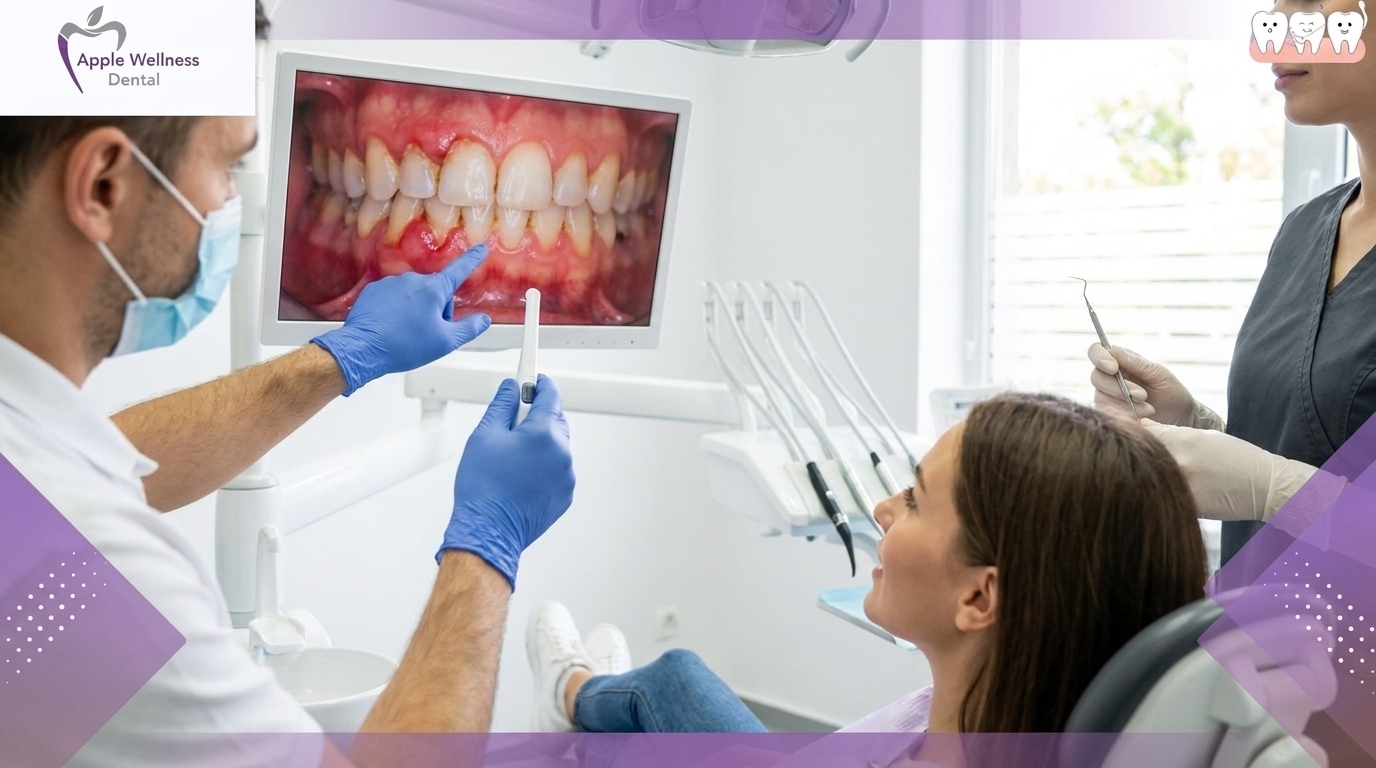
To understand the healing timeline, it is essential to first understand how gingivitis develops. The human mouth harbors hundreds of bacterial species. When fermentable carbohydrates are consumed, these bacteria multiply and form dental plaque, a colorless, sticky biofilm that adheres to the smooth surfaces of the teeth and along the gumline.
If plaque is not disrupted through mechanical brushing and interdental cleaning within 12 to 24 hours, the bacterial load increases rapidly. The bacteria excrete toxins that irritate the gingival tissues. The body’s immune system responds to these toxins by increasing blood flow to the area, resulting in the classic symptoms of gingivitis: red, swollen, and easily bleeding gums. According to clinical data from the Centers for Disease Control and Prevention (CDC), an estimated 47.2% of adults aged 30 and older have some form of periodontal disease.
As the American Dental Association (ADA) states: “Gingivitis is the earliest stage of gum disease, and it is the only stage that is completely reversible.” This reversibility is due to the fact that the infection remains confined to the soft tissues. Once the inflammation breaches the connective tissue and begins eroding the alveolar bone, the diagnosis shifts from gingivitis to periodontitis, which requires lifelong disease management rather than a simple cure.
The Biological Timeline of Gingivitis Reversal
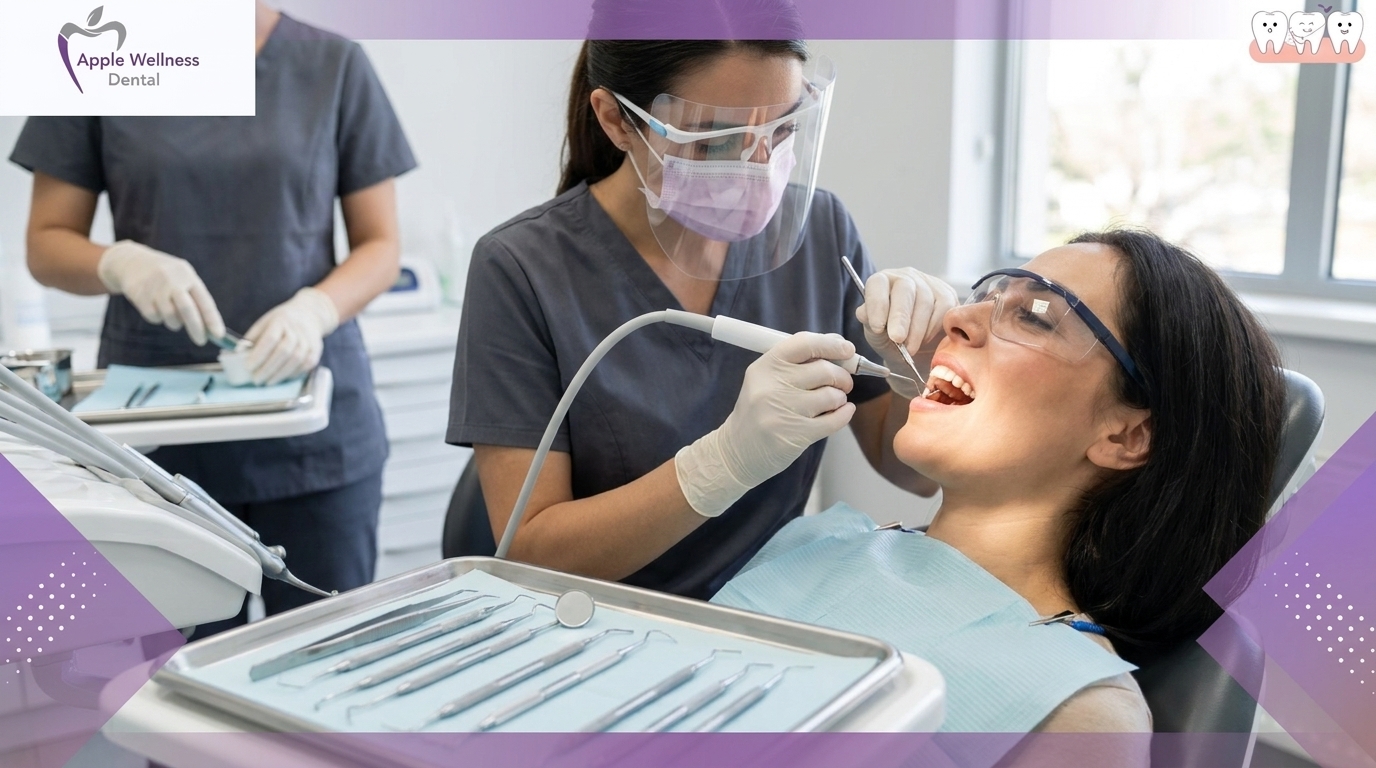
When a patient commits to a rigorous oral hygiene routine, the biological response is remarkably predictable. Healing occurs in distinct phases over a two-week period. Understanding this timeline helps patients set realistic expectations and maintain compliance with their home care routines.
Days 1 to 3: The Disruption Phase
The first step in reversing gingivitis is the thorough mechanical removal of plaque. During the first few days of improved brushing and flossing, patients often experience an increase in gingival bleeding. This is a normal inflammatory response as the disturbed, hyper-vascular tissues are cleansed. By day three, the bacterial load is significantly reduced, and the aggressive immune response begins to down-regulate.
Days 4 to 7: The Cellular Repair Phase
As the primary irritants are removed, the vascular dilation subsides. Patients will notice a visible reduction in swelling, and the gums will begin to transition from a deep inflammatory red back to a healthy, stippled pink. Bleeding during brushing and flossing will decrease dramatically. The superficial epithelial cells regenerate, forming a tighter biological seal around the cervical margins of the teeth.
Days 8 to 14: Complete Clinical Resolution
In standard cases of plaque-induced gingivitis, days 8 through 14 mark the return to full clinical health. The periodontal pockets—the spaces between the gums and teeth—should measure a healthy 1 to 3 millimeters. The tissues become firm and resilient, and bleeding upon probing is entirely eliminated.
Core Factors That Influence Your Healing Time
While the standard reversal time is 10 to 14 days, several physiological and environmental variables can alter this timeline. Dental professionals routinely assess these factors to provide accurate prognoses for their patients.
Calculus Accumulation
Plaque that remains undisturbed for 48 to 72 hours mineralizes into calculus, commonly known as tartar. As noted by the Mayo Clinic, “Plaque that is not removed can harden into tartar, which can only be removed by a dental professional.” If calculus is present beneath the gumline, home care alone will not reverse gingivitis. Healing will only begin after a professional prophylaxis.
Tobacco Usage
Smoking is one of the most detrimental factors to periodontal health. The CDC reports that smokers are twice as likely to develop gum disease compared to non-smokers. Nicotine constricts blood vessels, masking the symptoms of bleeding while simultaneously impairing the immune system’s ability to fight off bacterial infections. Reversing gingivitis in smokers often takes significantly longer and requires more intensive intervention.
Systemic Health and Diabetes
There is a well-documented bi-directional relationship between systemic health and oral health. Elevated blood glucose levels in diabetic patients increase the glucose concentration in saliva, creating an ideal breeding ground for pathogenic bacteria. The National Institute of Dental and Craniofacial Research (NIDCR) emphasizes that “maintaining healthy gums is a critical component of managing systemic health, including cardiovascular disease and diabetes.” Patients with uncontrolled diabetes will experience delayed healing times.
Step-by-Step Guide to Reversing Gum Disease at Home
Successfully reversing gingivitis requires a clinical-level approach to daily oral hygiene. Sporadic or improper brushing will not yield the desired 14-day turnaround. Follow these evidence-based steps to eradicate plaque and restore gingival health.
- Adopt the Modified Bass Brushing Technique: Hold a soft-bristled toothbrush at a 45-degree angle toward the gumline. Use short, circular vibrations to sweep plaque away from the sulcus (the groove where the gums meet the teeth). Brush for a full two minutes, twice daily.
- Upgrade to Electric Oscillation: In 2026, modern oscillating-rotating electric toothbrushes are considered superior for plaque disruption. Clinical research consistently shows that high-frequency electric brushes reduce plaque and gingival inflammation significantly faster than manual brushing.
- Implement Mandatory Interdental Cleaning: Toothbrushes cannot reach the interproximal spaces between teeth, which is where gingivitis most frequently originates. Daily cleaning between the teeth is non-negotiable.
- Utilize Therapeutic Mouthrinses: Incorporate an antimicrobial mouthwash containing cetylpyridinium chloride (CPC) or essential oils to chemically reduce the bacterial load in areas that mechanical cleaning might miss.
Comparison of Interdental Cleaning Methods
Choosing the right tool for interdental cleaning can accelerate the healing process. Below is a comparison of standard modalities:
| Cleaning Method | Mechanism of Action | Best Suited For |
|---|---|---|
| Traditional String Floss | Mechanical scraping of the tooth surface. | Tight contacts and healthy, intact papillae. |
| Water Flossers | Pulsating water stream to flush out bacteria. | Patients with braces, implants, or dexterity issues. |
| Interdental Brushes | Small bristles that clean concave root surfaces. | Larger interproximal spaces and early gum recession. |
Professional Dental Interventions for Stubborn Inflammation
If home care protocols do not yield significant improvement within two weeks, professional intervention is mandatory. At a dental clinic, hygienists possess the specialized instrumentation required to remove calcified deposits that harbor chronic bacterial colonies.
A standard professional prophylaxis involves ultrasonic scaling and hand instrumentation to meticulously clean the anatomical crowns of the teeth. Once the calculus is removed, the tooth surfaces are polished to deter future bacterial adherence. In cases where the inflammation is severe and localized pockets are developing, a dentist may prescribe a 0.12% chlorhexidine gluconate oral rinse to suppress bacterial repopulation during the critical healing phase.
Differentiating Between Reversible Gingivitis and Irreversible Periodontitis
It is vital to distinguish between a condition that can be cured in a fortnight and a chronic disease requiring lifetime maintenance. Gingivitis is defined exclusively by soft tissue inflammation. The biological attachments and the supporting jawbone remain completely intact.
Conversely, periodontitis involves the irreversible destruction of the periodontal ligament and alveolar bone. According to the World Health Organization (WHO), severe periodontal diseases affect roughly 19% of the global adult population. If you experience symptoms such as teeth feeling loose, chronic bad breath (halitosis) that does not resolve with brushing, or gums that are visibly receding from the teeth, your condition may have bypassed the reversible gingivitis stage.
Preventative Strategies for 2026 and Beyond
Once you have successfully reversed gingivitis, the goal shifts to lifelong prevention. The oral microbiome is highly dynamic, and plaque begins reforming mere hours after a professional cleaning. Consistent maintenance is the only defense against relapse.
Diet plays an increasingly recognized role in periodontal stability. Reducing the intake of refined, fermentable carbohydrates starves the pathogenic bacteria of their primary fuel source. Additionally, ensuring adequate intake of Vitamin C—an essential cofactor for collagen synthesis—helps maintain the structural integrity of the gingival tissues. Routine dental check-ups every six months allow dental professionals to monitor pocket depths and intervene early if inflammation returns.
Frequently Asked Questions
Can I reverse gingivitis in 3 days?
While you can significantly reduce gingival bleeding and surface inflammation in just 3 days through rigorous brushing and flossing, complete biological healing and tissue regeneration typically require a full 10 to 14 days.
Why do my gums bleed more when I first start flossing?
Bleeding is a symptom of existing inflammation. When you begin flossing, you are disturbing swollen, highly vascularized tissues. With consistent daily flossing, this bleeding will subside within a week as the underlying infection resolves.
Are saltwater rinses effective for gingivitis?
Yes. Warm saltwater rinses alter the pH of the mouth and create an osmotic environment that draws fluid out of inflamed tissues, temporarily reducing swelling and creating an unfavorable environment for bacterial growth.
Will a water flosser cure gingivitis?
A water flosser is a highly effective tool for disrupting plaque biofilms, especially in hard-to-reach areas. When used in conjunction with twice-daily brushing, it can be a vital component of a gingivitis reversal protocol.
How do I know if my gingivitis has turned into periodontitis?
If you notice gum recession, tooth mobility, or if a dental professional measures periodontal pockets exceeding 3 millimeters with bone loss on an X-ray, the condition has progressed to periodontitis. This requires immediate professional scaling and root planing.
Conclusion
Reversing early gum disease is entirely achievable when you understand the timeline and the biology behind the inflammation. By committing to a meticulous oral hygiene routine—brushing twice daily, cleaning interdentally, and utilizing therapeutic rinses—you can restore your gums to optimal health in just 10 to 14 days. However, if your symptoms persist beyond two weeks, or if you suspect the presence of hardened tartar, professional intervention is necessary. Do not let curable inflammation progress into irreversible bone loss. If you are struggling with bleeding or swollen gums, we encourage you to contact our dental office today to schedule a comprehensive evaluation and professional cleaning.
References
- American Dental Association (ADA). Clinical Practice Guidelines on Periodontal Health. https://www.ada.org
- Centers for Disease Control and Prevention (CDC). Periodontal Disease Statistics and Surveillance. https://www.cdc.gov
- Mayo Clinic. Gingivitis – Symptoms and Causes. https://www.mayoclinic.org
- National Institute of Dental and Craniofacial Research (NIDCR). Gum Disease Data. https://www.nidcr.nih.gov
- World Health Organization (WHO). Oral Health Global Fact Sheet. https://www.who.int