
The Complete Guide to the Lifespan, Care, and Durability of Porcelain Crowns
How long do porcelain crowns last? On average, high-quality porcelain crowns have a functional lifespan of 10 to 15 years. However, with meticulous oral hygiene routines, regular professional dental examinations, and favorable lifestyle habits, these durable restorations can frequently exceed 20 years of clinical service. The ultimate longevity of a dental cap depends on a combination of material science, the structural integrity of the underlying natural tooth, and the patient’s daily habits.
Key Takeaways
- Average Lifespan: Standard clinical expectations range from 10 to 15 years, with the potential for 20+ years under optimal conditions.
- Material Matters: Modern 2026 ceramics, such as lithium disilicate and monolithic zirconia, offer significantly higher fracture resistance than traditional feldspathic porcelain.
- Primary Threats: Bruxism (teeth grinding), recurrent decay at the crown margin, and periodontal disease are the leading causes of premature restoration failure.
- Maintenance: Daily brushing with a non-abrasive fluoride toothpaste, interdental cleaning, and biannual checkups are non-negotiable for maximizing longevity.
- Protection: Utilizing a custom-fabricated occlusal guard during sleep can dramatically extend the life of ceramic restorations for patients who grind their teeth.
Understanding the Material Science Behind Dental Ceramics
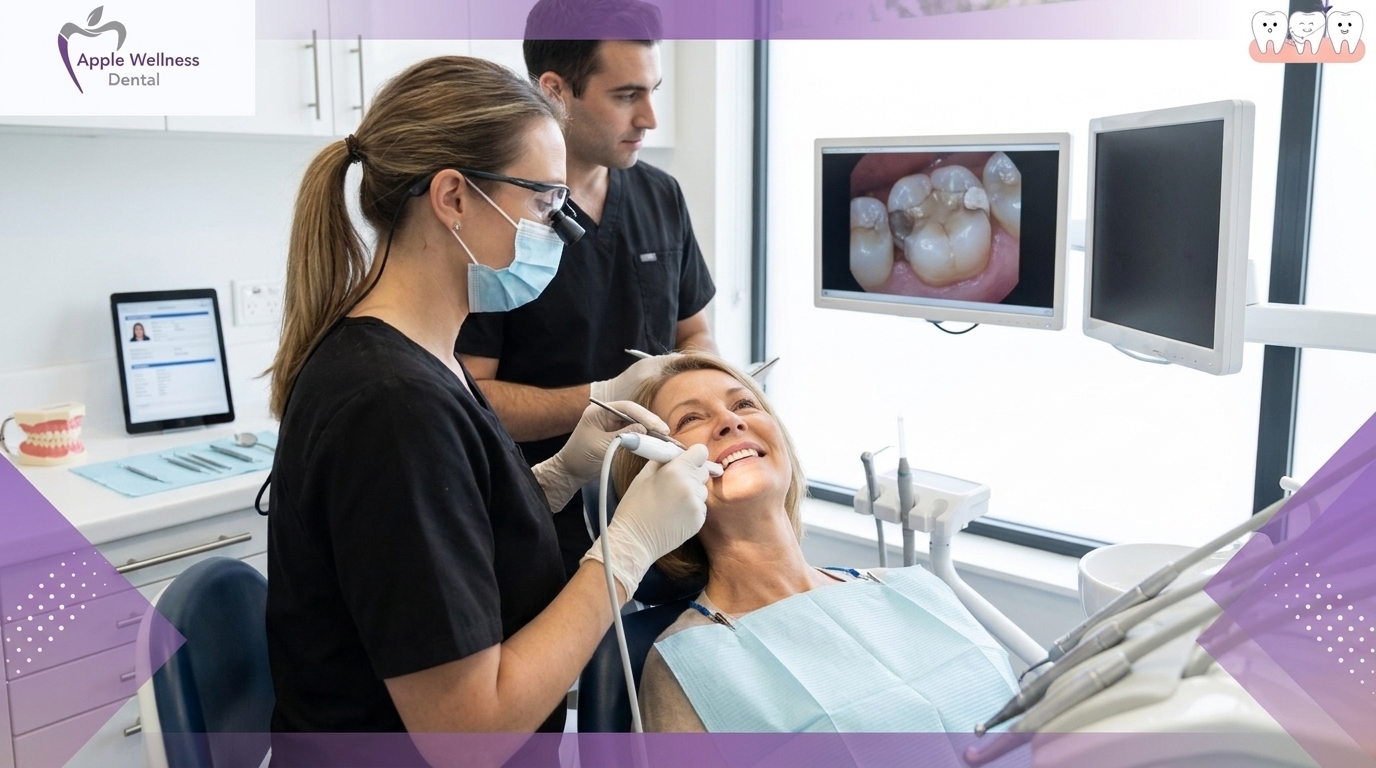
To accurately assess durability, one must first understand the materials utilized in modern prosthodontics. The term “porcelain crown” is often used as a blanket description for various types of all-ceramic restorations. In 2026, dental laboratories primarily utilize advanced ceramic compounds rather than the brittle traditional feldspathic porcelain of previous decades. These materials are engineered to mimic the exact light-transmitting properties (translucency) of natural enamel while withstanding immense bite forces.
Lithium disilicate, frequently recognized by the brand name IPS e.max, has revolutionized anterior (front) tooth restorations. It provides a flexural strength of approximately 400 to 500 megapascals (MPa), making it highly resistant to chipping while maintaining superior aesthetics. For posterior (back) teeth that endure heavier masticatory (chewing) forces, yttria-stabilized tetragonal zirconia polycrystal (commonly referred to simply as zirconia) is heavily utilized. Zirconia can reach flexural strengths exceeding 1,000 MPa, rivaling the durability of traditional cast metal restorations.
Key Factors Influencing Restoration Longevity
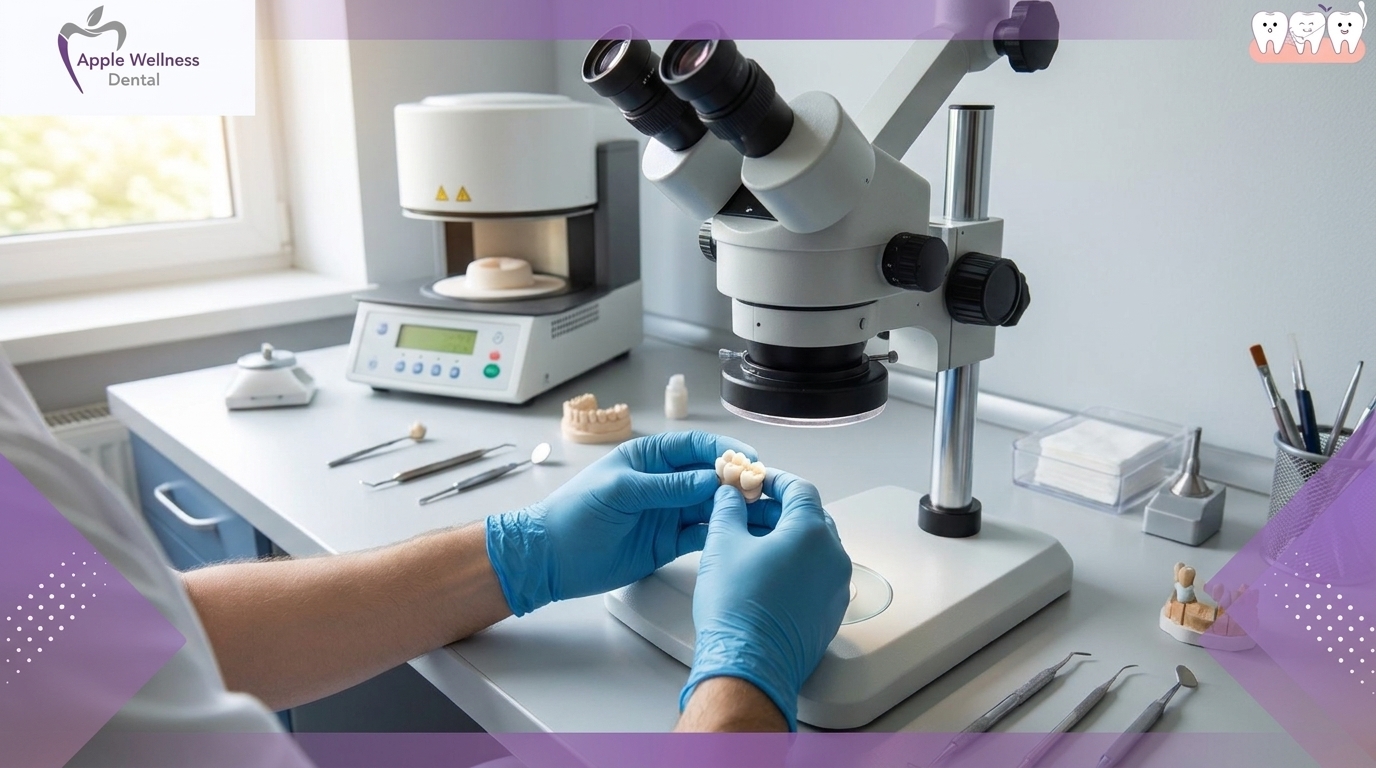
While the intrinsic strength of the ceramic material is crucial, the survival rate of a dental prosthesis is deeply intertwined with patient-specific biological and mechanical factors. Dental professionals emphasize that a restoration is only as strong as its foundation and the environment in which it functions.
1. Bruxism and Occlusal Trauma
Bruxism, the involuntary grinding and clenching of teeth, exerts excessive parafunctional forces on dental ceramics. Normal chewing generates about 20 to 40 pounds of pressure per square inch. In contrast, severe bruxism can generate forces exceeding 250 pounds per square inch. This immense stress is a primary culprit for catastrophic fractures or micro-chipping in porcelain restorations. According to the American College of Prosthodontists, patients with unmanaged bruxism experience a significantly higher rate of restorative failure.
2. Margin Integrity and Recurrent Caries
The “margin” is the exact line where the artificial crown meets the natural tooth structure. If oral hygiene is suboptimal, bacterial plaque accumulates at this vulnerable junction. The acid produced by cariogenic bacteria can dissolve the exposed natural root structure beneath the ceramic cap, leading to recurrent secondary caries (tooth decay). Because porcelain itself cannot decay, the failure is almost always due to the deterioration of the underlying biological tooth. Maintaining healthy tissue requires at least 1 to 2 millimeters of sound tooth structure (the ferrule effect) to support the prosthesis.
3. Periodontal Health
The supporting periodontium—comprising the gingiva (gums), periodontal ligament, and alveolar bone—must remain healthy. Gingival recession exposes the root surface, which is softer than enamel and more susceptible to decay and sensitivity. According to the National Institute of Dental and Craniofacial Research, periodontal health is a prerequisite for long-term prosthodontic success.
Statistical Survival Rates and Clinical Data
Extensive clinical research provides a clear statistical picture of what patients can expect regarding lifespan. Long-term studies evaluating all-ceramic restorations reveal highly favorable survival rates.
- 5-Year Survival Rate: Research demonstrates that modern lithium disilicate restorations exhibit a survival rate exceeding 95% at the five-year mark.
- 10-Year Survival Rate: At ten years, the survival rate for expertly placed porcelain and zirconia restorations remains remarkably high, generally ranging between 90% and 93%.
- 15-Year Survival Rate: Retrospective clinical analyses indicate that over 80% of high-quality ceramic caps are still fully functional and aesthetically acceptable after 15 years.
The American Dental Association officially notes that “dental crowns can last a lifetime if they are cared for properly,” while establishing a standard clinical baseline expectation of five to fifteen years for insurance and treatment planning purposes.
Signs Your Dental Restoration Needs Replacement
Even with impeccable care, the demanding environment of the oral cavity means that replacements are eventually necessary. Identifying the early warning signs of failure can prevent more severe complications, such as root canal infections or outright tooth loss.
Patients should monitor for the following symptoms:
- Marginal Leakage: A visible dark line at the gum line (though this can sometimes simply be the metal base of older Porcelain-Fused-to-Metal crowns showing due to gum recession). If it is a new development around an all-ceramic unit, it may indicate decay or cement washout.
- Hypersensitivity: Sudden sensitivity to hot, cold, or sweet stimuli often indicates that the seal of the cement has been compromised, allowing fluid to reach the underlying dentin.
- Visible Cracks or Chips: While minor chips can occasionally be polished or repaired with composite resin, structural fractures running through the porcelain require total replacement.
- Mobility: If the prosthesis feels loose when chewing sticky foods, the luting cement has likely failed, or the underlying tooth structure has fractured.
Step-by-Step Guide: Daily Habits to Maximize Durability
Taking an active role in preventive maintenance is the most effective way to protect your investment. Implement these specific steps to extend the lifespan of your prosthodontic work.
- Utilize a Non-Abrasive Regimen: Brush two times a day using a soft-bristled toothbrush and non-abrasive fluoride toothpaste. Highly abrasive whitening toothpastes can scratch the polished glaze of the ceramic, creating micro-abrasions that attract plaque and stains.
- Master Interdental Cleaning: Floss daily around the restoration. When removing the floss, pull it through the side rather than snapping it upward against the contact point, which can gradually weaken the cement bond over many years.
- Wear an Occlusal Guard: If you clench or grind your teeth, have a custom hard-acrylic nightguard fabricated by your dental professional. This absorbs the parafunctional forces while you sleep, protecting both the ceramic and your temporomandibular joint (TMJ).
- Avoid Unnecessary Mechanical Stress: Never use your teeth as tools to open packages, bite your nails, or chew on ice and hard candies. These habits focus intense point-pressure on the ceramic, leading to catastrophic fractures.
- Maintain Recare Intervals: Commit to 6-month professional cleaning and examination intervals. Dental professionals use specialized scaling instruments that clean safely around ceramics without scratching them, and they can take bitewing radiographs to check for microscopic decay at the margins.
Comparing Restoration Materials
Understanding how standard porcelain compares to other standard dental materials can help set appropriate expectations for durability and aesthetic outcomes. The following table breaks down the primary options available in 2026.
| Material Type | Aesthetics | Durability / Strength | Average Lifespan |
|---|---|---|---|
| All-Porcelain / E-max | Excellent (Highly translucent) | High (Ideal for front teeth) | 10 – 15+ years |
| Monolithic Zirconia | Very Good (Improving rapidly) | Exceptional (Highest fracture resistance) | 15 – 20+ years |
| Porcelain-Fused-to-Metal (PFM) | Good (May show metal margin over time) | Very High (Strong metal substructure) | 10 – 15 years |
| Cast Gold Alloy | Poor (Metallic appearance) | Supreme (Does not fracture) | 20 – 40+ years |
Technological Advances in 2026: CAD/CAM and Digital Dentistry
The manufacturing process of dental prosthetics has undergone a digital revolution. In 2026, the reliance on gooey, uncomfortable traditional impressions has largely been replaced by high-definition intraoral 3D scanners. This technology significantly improves the precision of the restoration’s fit.
Computer-Aided Design and Computer-Aided Manufacturing (CAD/CAM) allow dentists and ceramists to design a prosthetic tooth with micron-level accuracy. A precise fit means the cement layer connecting the porcelain to the tooth is incredibly thin, reducing the risk of cement degradation over time. Furthermore, modern resin-modified glass ionomer and dual-cure resin cements provide a chemical bond to both the tooth dentin and the treated internal surface of the ceramic, vastly improving retention and longevity compared to traditional zinc phosphate cements used in the past.
According to the World Health Organization, improving access to durable, functional oral health solutions remains a critical global health objective, and digital dentistry is playing a massive role in standardizing the quality of care patients receive worldwide.
Frequently Asked Questions (FAQ)
Do porcelain crowns stain over time?
No, high-quality dental ceramics are highly resistant to staining. The surface is sealed with a specialized glaze that repels pigments from coffee, tea, and tobacco much better than natural tooth enamel. However, abrasive toothpastes can scratch this glaze over time, potentially leading to slight dullness or discoloration.
Does it hurt to have a crown replaced?
The replacement procedure is virtually painless, as it is performed under local anesthesia. The dentist will carefully section and remove the old material, clean the underlying tooth, treat any secondary decay, and take a new digital impression for the replacement.
Can a chipped porcelain crown be repaired?
If the chip is superficial and does not compromise the structural integrity or the marginal seal, a dentist can often smooth it or bond a composite resin to the area. However, deep fractures or cracks that expose the underlying tooth require complete replacement.
Is a root canal always necessary before placement?
No, a root canal is only necessary if the dental pulp (nerve) inside the tooth is infected or irreversibly inflamed. Many teeth receive full-coverage restorations purely to protect them from structural fractures, especially after removing large amalgam fillings, without needing endodontic therapy.
Why does my new crown feel sensitive?
It is normal to experience mild thermal sensitivity for 5 to 7 days following the permanent cementation. The tooth nerve can become temporarily inflamed from the vibration of the handpiece and the chemical curing of the bonding agent. If sensitivity persists beyond two weeks, an occlusal adjustment may be necessary.
Are zirconia crowns better than standard porcelain?
Zirconia offers significantly higher fracture resistance, making it superior for molars that endure heavy chewing forces. However, highly aesthetic lithium disilicate (often called standard porcelain today) is frequently preferred for front teeth due to its unparalleled natural translucency.
Conclusion
Understanding the factors that affect longevity empowers patients to make informed decisions about their oral health. By combining advanced 2026 dental materials with excellent daily hygiene, routine professional care, and protective measures like nightguards, these beautifully crafted restorations can provide decades of functional and aesthetic service. If you are experiencing symptoms of restoration failure, or if you simply want an expert evaluation of your current dental health, taking proactive steps is vital.
Ready to ensure your smile remains healthy and strong for years to come? Contact us today to schedule a comprehensive examination and personalized consultation.
References
- American Dental Association (ADA) – Official guidelines on restorative dentistry and patient care expectations.
- American College of Prosthodontists (ACP) – Clinical research on bruxism and prosthodontic longevity.
- National Institute of Dental and Craniofacial Research (NIDCR) – Statistical data on periodontal health and caries prevalence.
- World Health Organization (WHO) – Global oral health objectives and the impact of restorative dentistry.
- WebMD – Consumer health information regarding dental restoration maintenance and longevity.